When the guest list includes executives, key clients, donors, wedding VIPs, or honored family, the standard for hospitality changes. VIP reception catering is not simply about serving beautiful food. It is about shaping an atmosphere where every detail feels considered, every guest feels welcomed, and the event reflects the significance of the people in the room.
That difference is easy to recognize and surprisingly difficult to create. A reception can have a striking venue and a generous menu yet still feel impersonal. On the other hand, a well-crafted culinary experience can shift the entire tone of an event, making it feel graceful, intentional, and worthy of the occasion. For hosts planning in Puerto Rico, that often means looking beyond volume and convenience and choosing a catering partner who understands refinement, timing, and the emotional impact of service.
What VIP reception catering really requires
At the highest level, catering is part cuisine and part choreography. Guests should never feel rushed, neglected, or stuck waiting with an empty glass. Service should move naturally, with staff anticipating needs before they become visible. Food should be as memorable in presentation as it is in flavor, but never so theatrical that it distracts from the purpose of the reception.
VIP events also carry a different kind of pressure. A corporate host may be welcoming leadership, investors, or strategic partners. A couple may be honoring immediate family and distinguished wedding guests. A private client may be bringing together friends, public figures, or multi-generational family members for a milestone celebration. In each case, the event is not only social. It is representational. It says something about the host.
That is why true VIP reception catering depends on more than menu selection. It calls for judgment. Which format best supports conversation? How should service be paced for a room with speeches or presentations? Where should the culinary experience feel distinctly Puerto Rican, and where should it lean classic and understated? These decisions shape the event just as much as the food itself.
The best format depends on the room
One of the most common mistakes in VIP planning is choosing a service style based on trend rather than context. Passed hors d’oeuvres can feel elegant and social, but only if staffing is strong enough to keep circulation consistent. A buffet can be beautiful for a larger reception, though it may not suit a crowd where privacy, flow, and discretion matter. Interactive stations create energy, yet they can also create lines if they are not designed thoughtfully.
For some receptions, a cocktail-style format is ideal. It encourages movement, conversation, and a lighter rhythm, especially when guests are arriving in waves or mingling across industries and social groups. For others, a composed plated experience during part of the event adds structure and signals a higher level of formality.
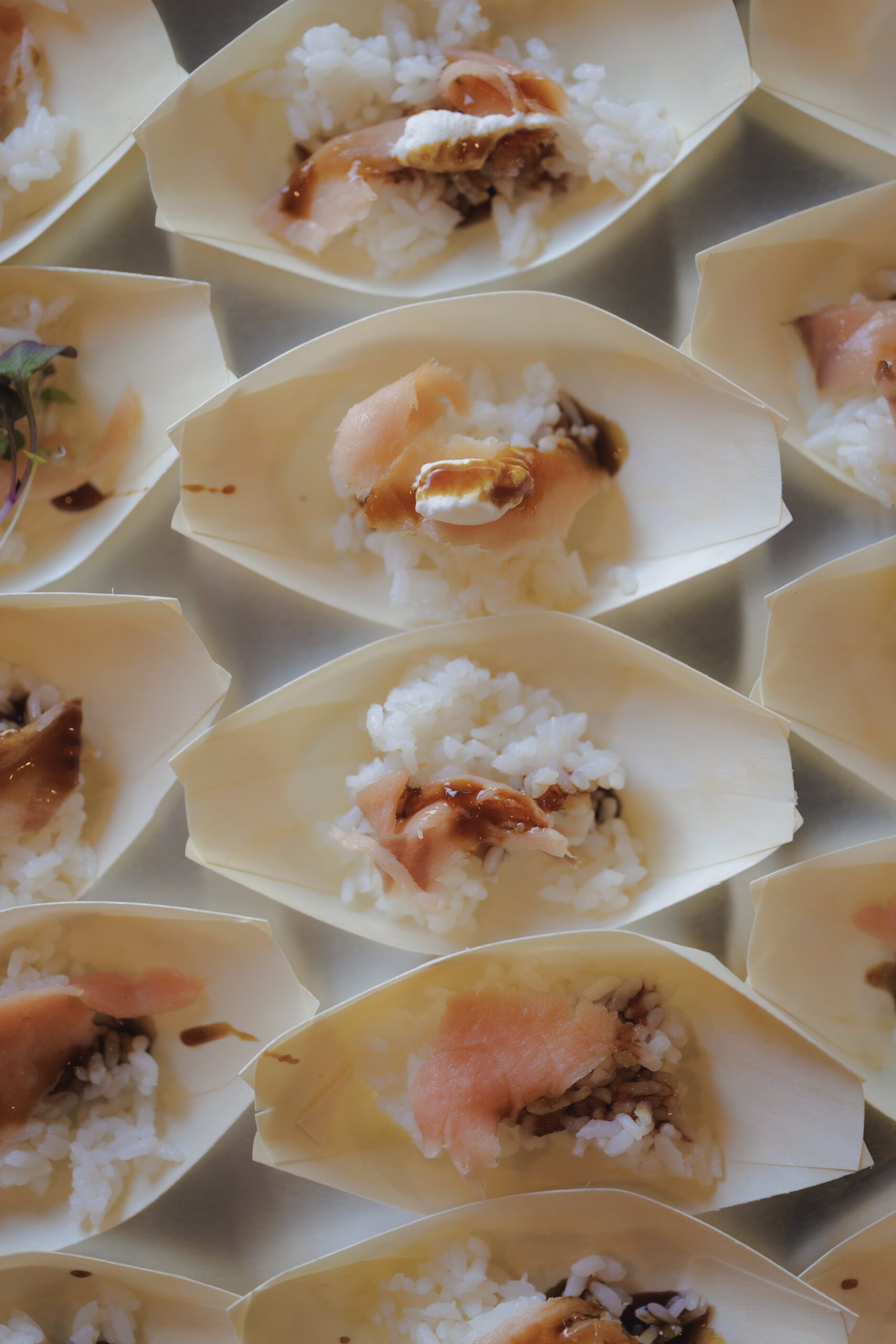
Often, the strongest approach is a hybrid one. A reception may begin with tray-passed bites and cocktails, then transition into elegant stations or a seated course. This gives the event range and keeps the experience dynamic without sacrificing polish. The right caterer will not force a formula. They will shape the service style around the guest profile, the venue, and the goals of the host.
A luxury menu should feel personal, not generic
Guests at a VIP reception notice quality quickly, but they also notice repetition. Menus that feel copied from a standard package rarely leave a lasting impression. The most successful receptions feature food that feels tailored to the moment, whether that means highlighting local ingredients, nodding to Puerto Rican culinary identity, or balancing familiar favorites with more elevated selections.
A thoughtful menu often starts with tone. Is the reception meant to feel celebratory and lively, or restrained and executive? Is this an evening built around networking, or a more intimate gathering where guests will linger over each course? These answers influence everything from portion size to plating style.
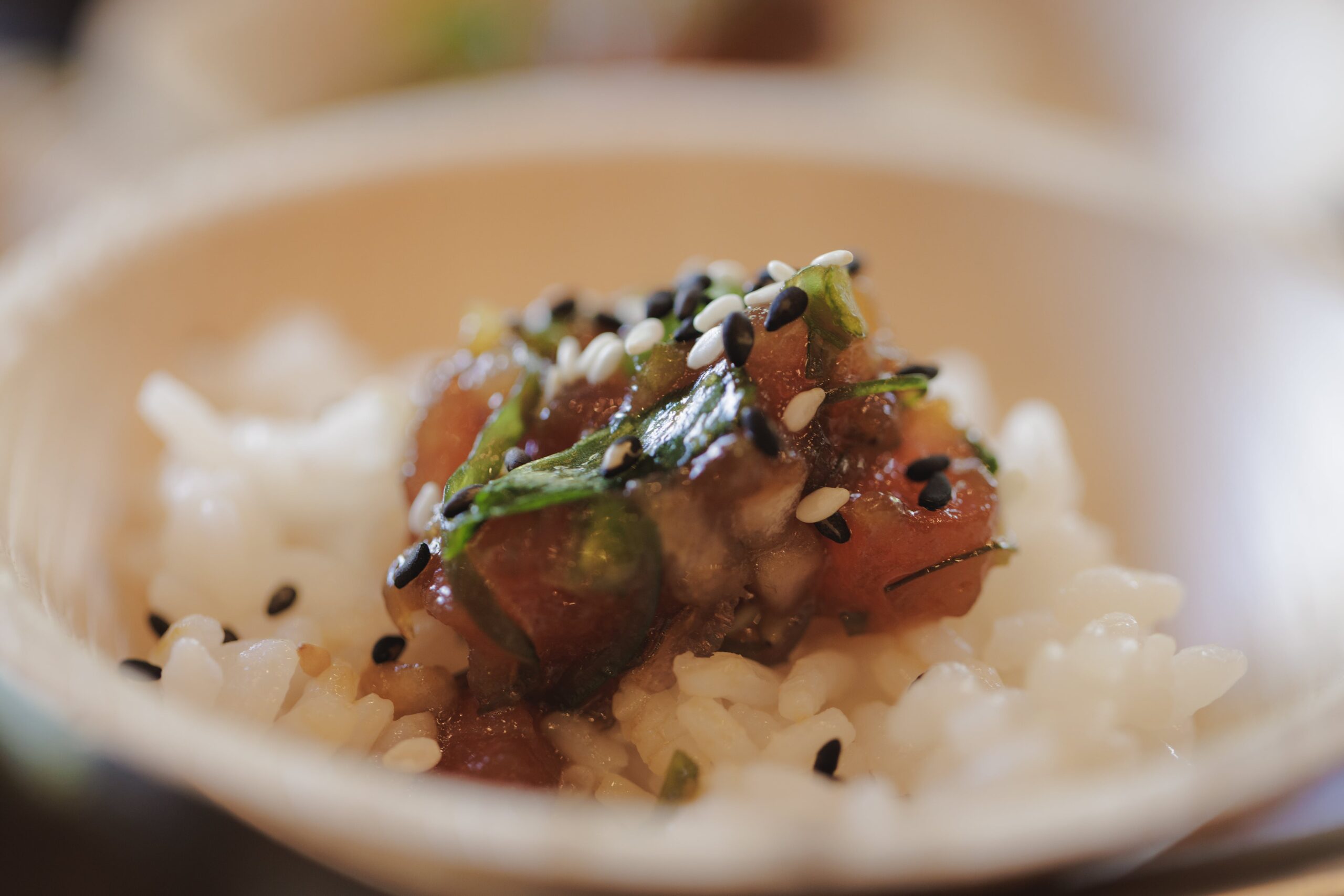
The strongest menus also account for guest comfort. Luxury does not mean making people guess what they are eating or presenting dishes that are beautiful but impractical to enjoy while standing. A refined bite should be easy to eat, visually elegant, and satisfying without feeling heavy. That balance matters even more in warm-weather destinations, where freshness and pacing can define the guest experience.
For hosts entertaining in Puerto Rico, there is also an opportunity to bring cultural sophistication to the table. Done well, local influence adds identity and sense of place. Done carelessly, it can feel performative or overly casual for the audience. The difference lies in restraint, quality, and execution. A chef-led team understands how to present regional inspiration with the elegance a VIP event deserves.
Service is what guests remember most
Hosts often focus first on menu planning, but service is usually the element guests talk about afterward. They remember whether they were greeted warmly, whether drinks were refreshed without asking, whether the room felt calm, and whether the event moved smoothly from one moment to the next.
This is especially true for high-level receptions, where hosts may have little time to manage logistics themselves. They need a team that can operate with confidence and discretion. Staff should be polished without feeling stiff, attentive without hovering, and fully aligned with the atmosphere of the event.
There is also a practical side to this. VIP guests often include people with dietary preferences, tight schedules, personal security considerations, or heightened expectations for privacy. A skilled catering team knows how to accommodate those realities quietly. That might mean handling allergy requests with precision, adjusting timing around late arrivals, or maintaining impeccable presentation during a high-traffic event.
At this level, flawless service is not flashy. It is calm, consistent, and nearly invisible in the best way.
Why venue and catering should work together
A reception can only feel as polished as the environment allows. Even exceptional food can lose impact if the setting feels disconnected from the experience. That is why venue and catering should never be planned in isolation.
A sophisticated space supports the menu, the service flow, and the emotional tone of the gathering. Ceiling height, lighting, guest movement, acoustics, and arrival experience all matter. They influence how cocktails are served, where staff should be positioned, and whether the event feels intimate or overly spread out.
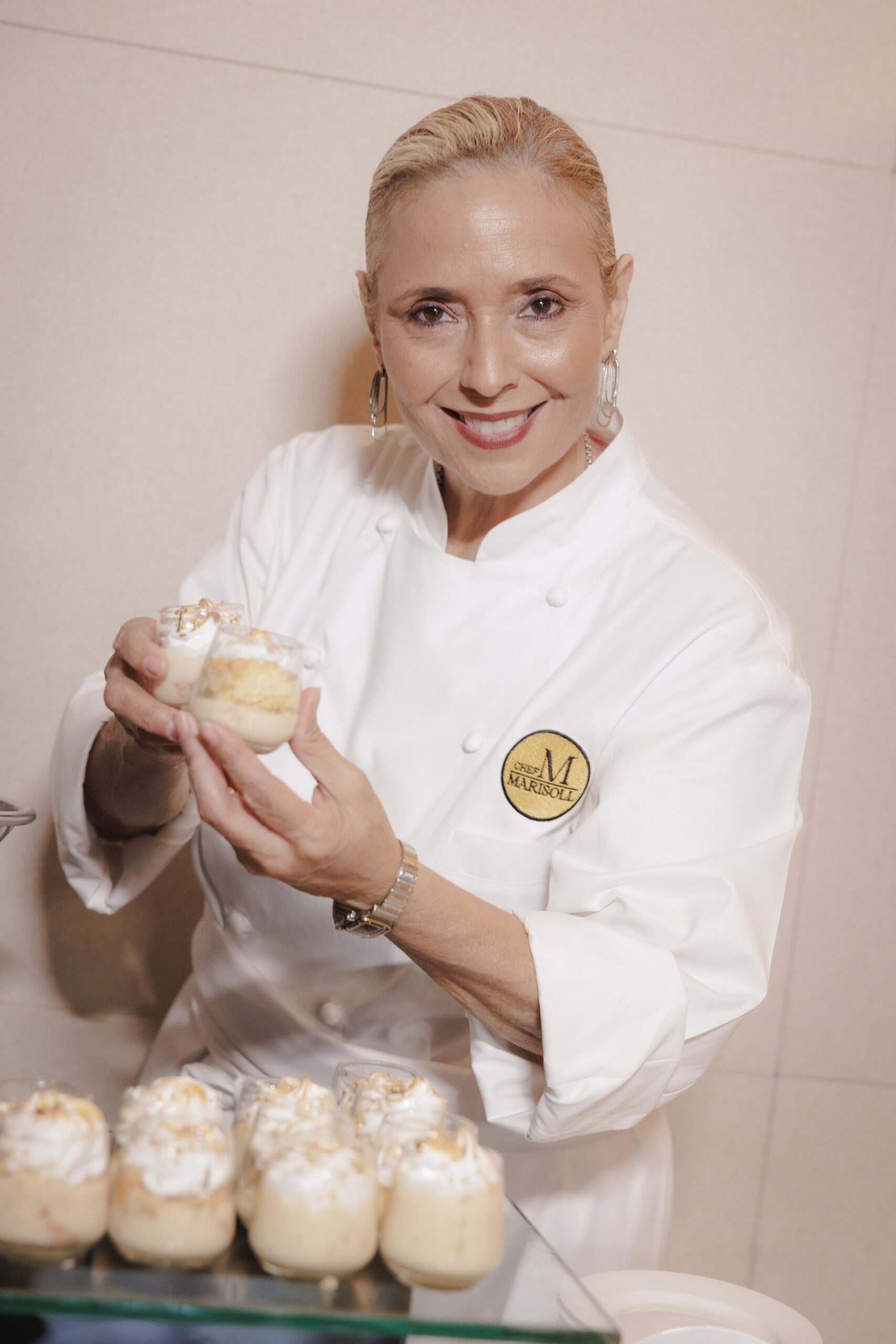
For clients seeking a setting with cultural prestige and visual distinction, the pairing of an elegant venue with chef-led hospitality offers a stronger result than either element could alone. Chef Marisoll Events, for example, brings this sensibility to receptions through personalized menus and refined full-service execution, with the added advantage of a private hall at the Puerto Rico Museum of Art that elevates the occasion from the moment guests arrive.
That kind of setting is especially valuable for destination events and executive gatherings. It gives the reception a sense of place while still meeting the expectations of a discerning audience.
How to judge VIP reception catering before you book
The best questions are not only about price or menu categories. They are about how the team thinks. Ask how they tailor service for different guest profiles. Ask how they handle timing changes, dietary requests, and the transition between reception moments. Ask what they recommend for your specific venue and why.
Pay attention to whether the conversation feels consultative or transactional. Premium catering should feel collaborative from the start. The right partner listens carefully, offers guidance with confidence, and translates your priorities into a clear hospitality plan.
It is also worth noticing how they speak about presentation. Beautiful food matters, but so does practicality. The most experienced teams understand both. They know that a VIP reception should photograph well, feel effortless in real time, and support the social purpose of the event rather than compete with it.
Finally, consider whether the caterer understands the impression you want to leave. Some receptions are designed to celebrate. Others are designed to build trust, strengthen relationships, or honor important people with grace. The food and service should support that goal at every point.
When elevated hospitality becomes the event itself
The finest receptions are remembered for more than decor or guest count. They are remembered for how people felt in the room. Welcomed. Impressed. Comfortable. Cared for. That feeling comes from details executed with taste and discipline, from menus crafted with intention, and from service that respects the importance of the occasion.
VIP reception catering earns its value when it creates that kind of confidence for the host and that kind of experience for the guest. If the evening feels polished, personal, and unmistakably special, the event has already said what it needed to say.