A beautiful reception can lose its rhythm in one quiet moment – when guests are holding a drink, looking for something to eat, and the menu has not been designed for the way people actually mingle. A well-planned cocktail party catering menu solves that instantly. It keeps conversation moving, gives the event shape, and makes hospitality feel effortless from the first tray passed to the final bite.
For hosts planning a wedding welcome party, executive reception, gallery event, or private celebration, the menu is not just a list of hors d’oeuvres. It is part of the atmosphere. The right selection feels polished and generous without becoming heavy, overly formal, or difficult to manage in a standing-room setting.
What makes a strong cocktail party catering menu
The best cocktail-style events are guided by proportion. Guests should feel satisfied, but not as though they sat down to a full plated dinner unless that is the intention. A successful menu balances light and rich bites, hot and chilled selections, familiar flavors and one or two details that feel distinctive to the host or destination.
This is where many events need a more tailored approach. A short evening reception for one hour has very different needs than a three-hour celebration after sunset. A corporate gathering may call for precise, polished presentation and easy-to-eat pieces that support networking. A wedding cocktail hour can be more expressive, romantic, and layered with seasonal touches. The format matters, and so does pacing.
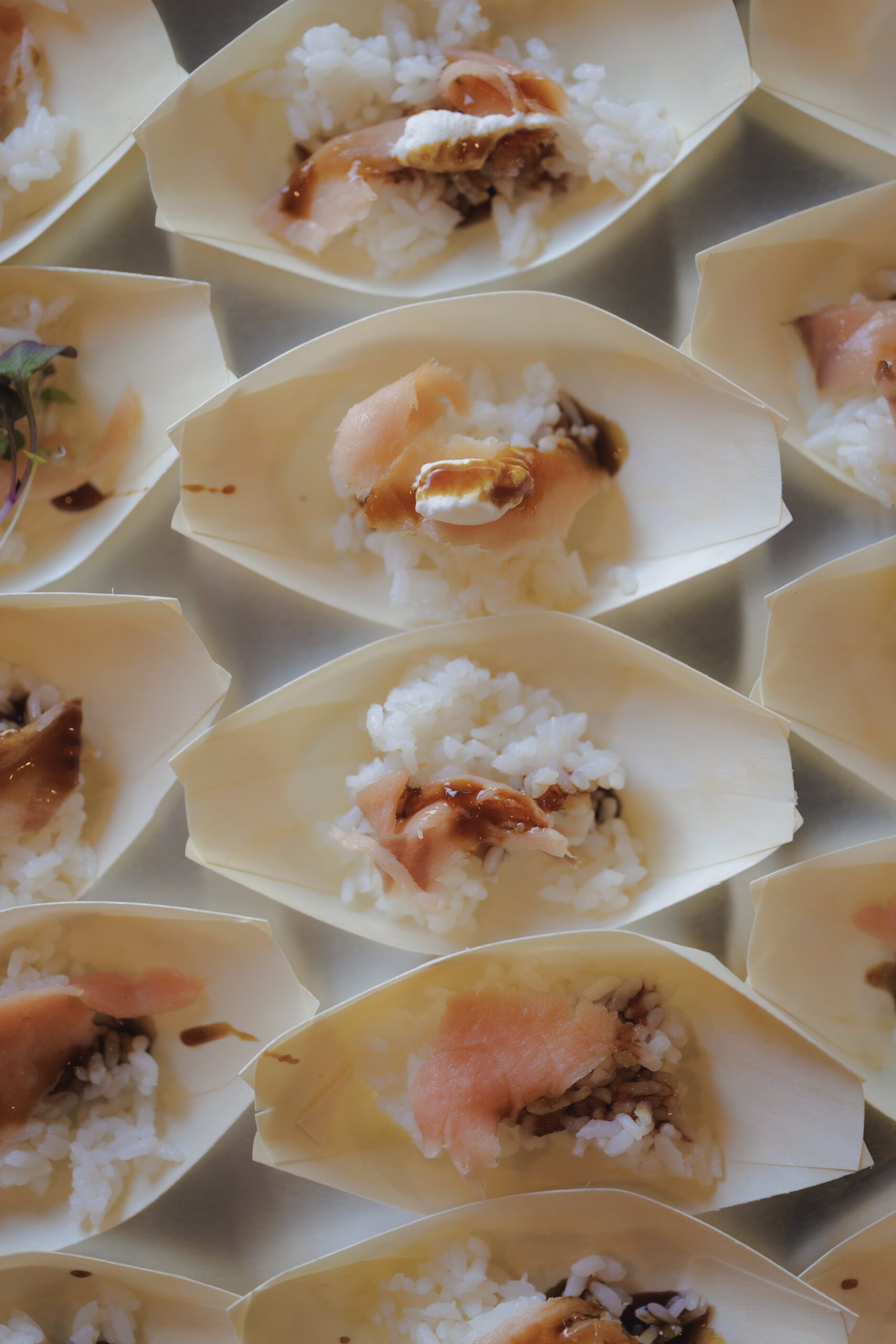
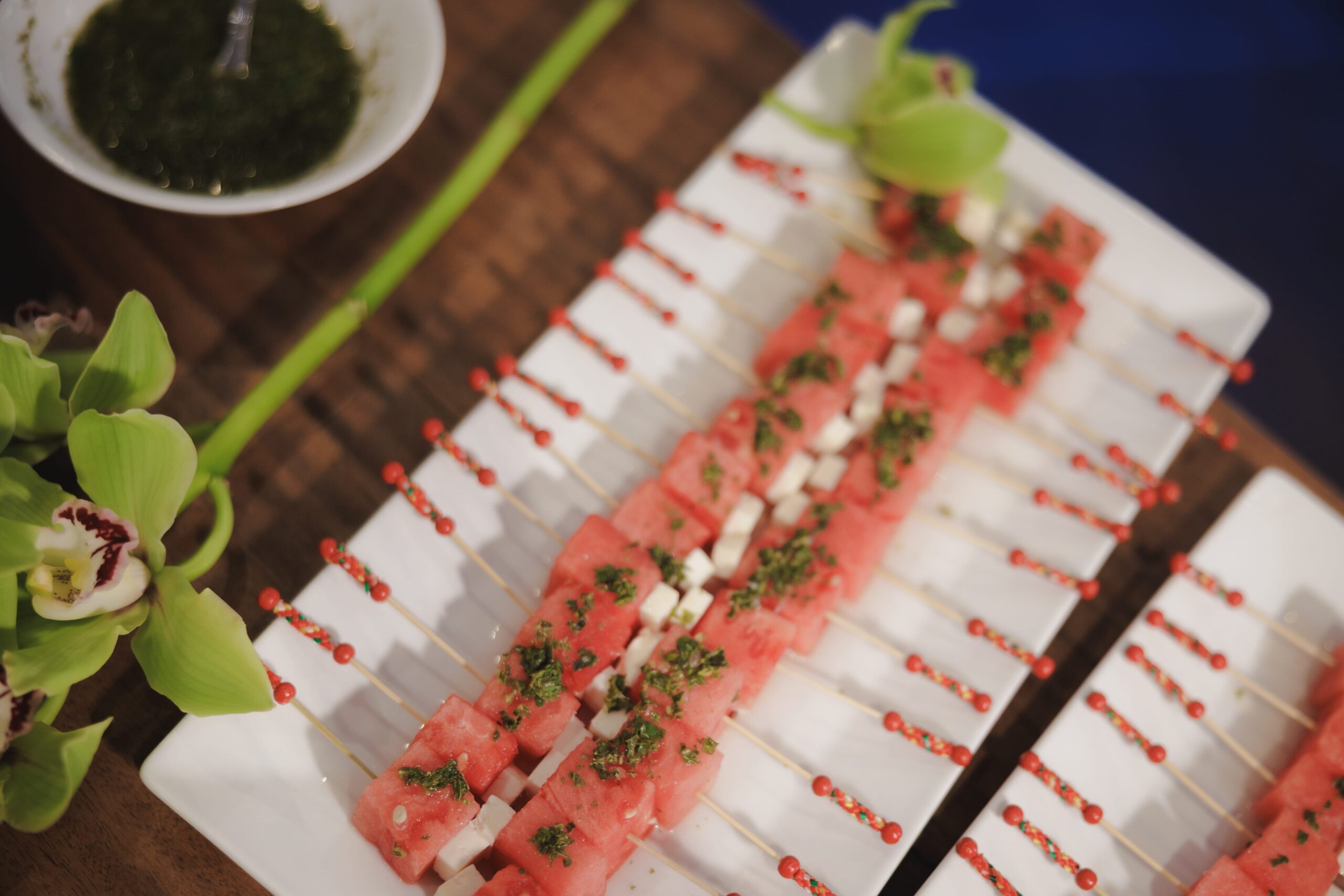
A refined menu usually includes a mix of passed canapes and stationary displays. Passed bites create movement and a sense of service. Displayed items give guests freedom, especially early arrivals who want something immediately. When the two are paired carefully, the event feels abundant rather than crowded.
Start with the event itself
Before choosing any bite, consider the practical frame around the party. Time of day changes appetite. Midafternoon guests often want fresher, lighter selections, while evening receptions can support more substantial savory items. Guest count affects menu complexity. A smaller celebration can accommodate more intricate presentation, while larger events benefit from pieces that remain elegant but can be served consistently at scale.
Venue also plays a quiet but powerful role. A museum setting, oceanfront terrace, or private hall with architectural character can support a menu with more visual drama. A corporate lounge or indoor networking space may call for cleaner lines and simpler handling. Weather, especially in Puerto Rico, should influence ingredient choices as well. Delicate items that suffer in heat rarely perform as beautifully as they do on paper.
The strongest menus are designed around the guest experience rather than trends alone. That might mean fewer fried items in a warm climate, more fresh citrus and herb notes, or polished one-bite selections that do not interrupt conversation.
Build the menu in layers
A cocktail party catering menu should unfold rather than arrive all at once. Think of it as a sequence.
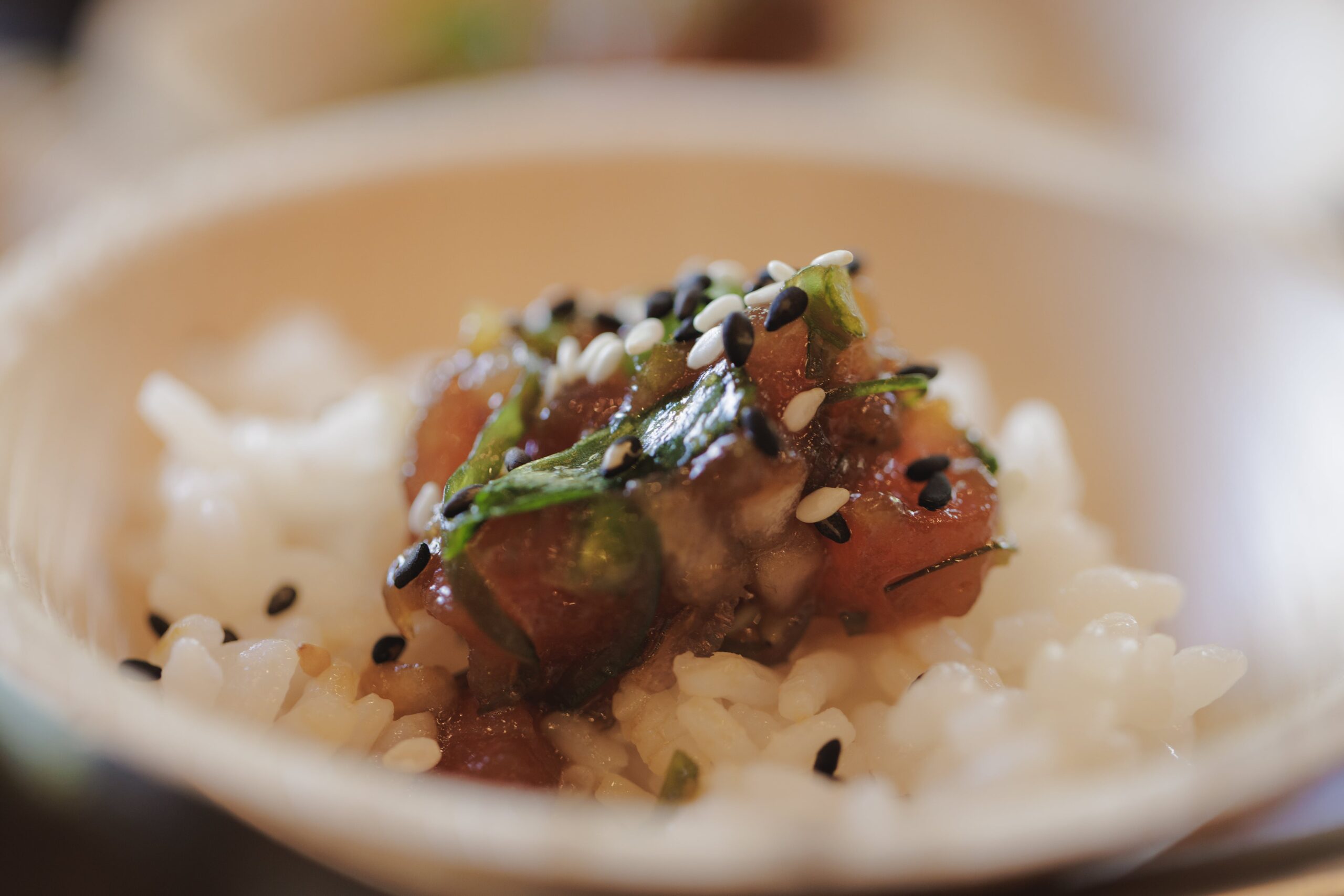
The opening bites set the tone. These are usually lighter, bright, and visually refined – perhaps chilled seafood, crisp tartlets, or petite bites with fresh herbs, tropical fruit, or delicate mousse. They pair well with sparkling wine and signal elegance immediately.
The middle of the menu is where guests begin to settle in. This is the moment for warm passed hors d’oeuvres, richer textures, and more savory depth. Mini crab cakes, beef tenderloin crostini, lobster spoons, or chicken skewers with a polished glaze all serve a purpose here. They keep energy high and prevent the event from feeling too sparse.
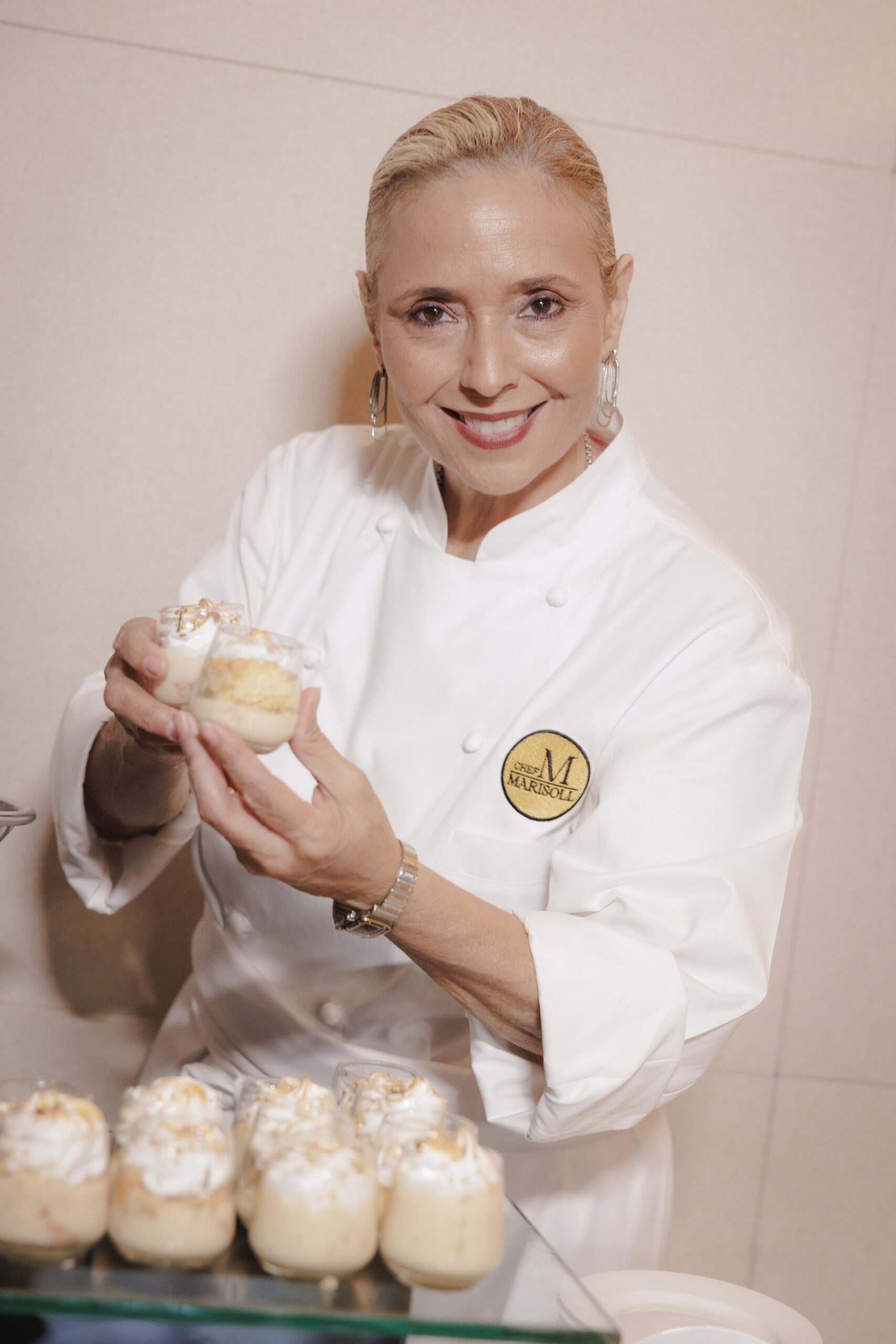
Toward the later part of the reception, the menu can become slightly more indulgent. This may be the right time for a small carved station, elevated sliders, miniature mofongo presentations, or composed bites that nod to Puerto Rican flavor in a more substantial way. Dessert should be equally intentional. Instead of one oversized sweet station, many luxury events benefit from petite desserts that guests can enjoy while still socializing.
That progression creates a sense of occasion. It also helps guests feel cared for without ever needing to ask what comes next.
Flavor should feel elegant, not crowded
One common mistake in cocktail catering is trying to fit too much into every bite. Luxury does not come from complication alone. It comes from restraint, confidence, and ingredient harmony.
A memorable menu often features recognizable foundations elevated through detail. Tuna tartare feels more refined with avocado mousse and plantain crisp. A simple beef bite becomes far more distinctive when paired with a subtle coffee reduction or a touch of local spice. Tropical ingredients can feel especially sophisticated when handled with balance rather than novelty.
For events in Puerto Rico or destination celebrations on the island, incorporating cultural influence can add warmth and identity. The key is presentation and proportion. Guests appreciate menus that reflect place, but they also want foods that are easy to enjoy while standing, conversing, and moving through the room. Traditional inspiration works beautifully when translated into elegant cocktail format.
That may mean a modern take on local seafood, a petite version of a classic comfort dish, or passed bites that bring island flavor into a more polished service style. When done well, the menu feels personal and rooted without becoming predictable.
A cocktail party catering menu should account for drinks
Food and beverage should never be planned separately. If the bar is serving spirit-forward cocktails, the menu needs enough savory balance and protein to support them. If the drink program leans crisp and sparkling, lighter seafood, vegetable, and citrus-driven bites can feel especially harmonious.
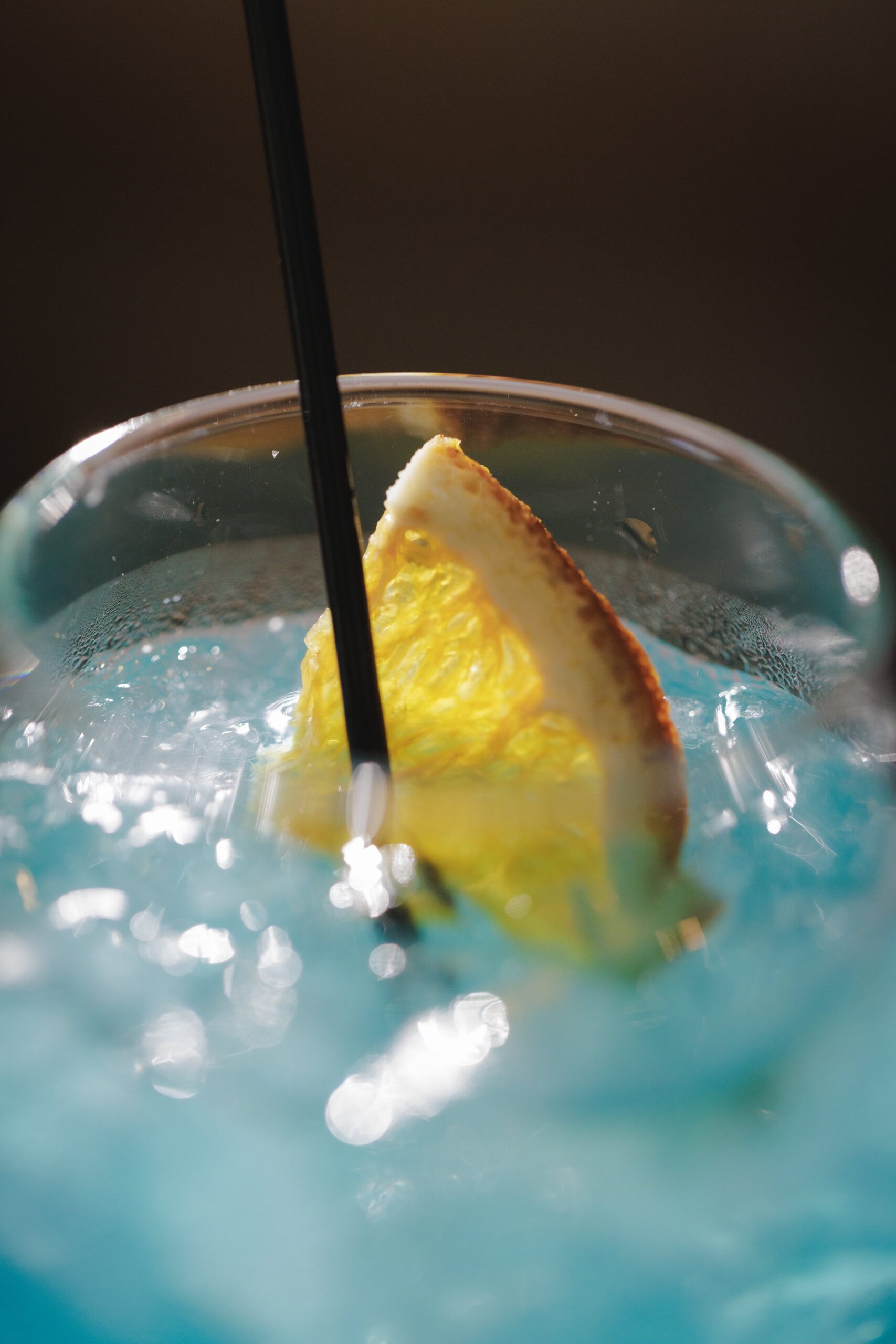
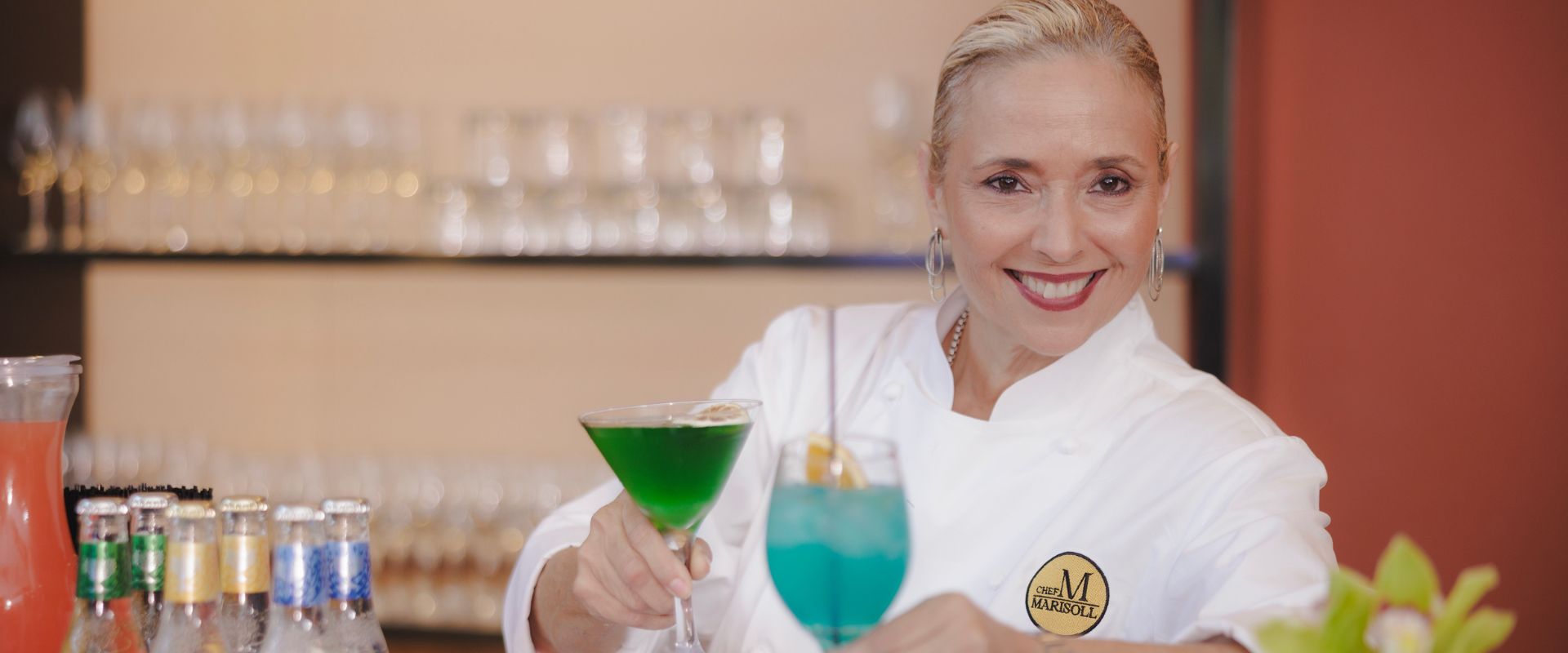
Signature cocktails are often a beautiful addition, but they should not overwhelm the menu. One or two thoughtful signatures are usually enough, particularly if they reflect the event style or location. Too many can slow service and distract from the experience.
Water, nonalcoholic options, and smart pacing matter just as much as champagne. Guests remember how an event felt. That feeling is created not only by what was served, but by how comfortably they were able to enjoy it over time.
Consider dietary needs without making the menu feel restricted
Today’s guest list often includes a range of preferences and dietary requirements. Vegetarian, gluten-conscious, dairy-free, and pescatarian options should be integrated gracefully into the menu rather than treated as an afterthought.
This is another reason custom planning matters. A luxury event should not separate guests into those who can enjoy the menu and those who must wait for a special plate. The better approach is to build enough variety into the passed and displayed selections that everyone feels included naturally.
That does not mean every item has to satisfy every need. It means the overall menu should offer choice with equal care in presentation and flavor. A vegetable-forward canape should feel just as elegant as a seafood one. A gluten-free bite should never read as the substitute option.
Service style is part of the menu
Even the most beautifully written menu can fall flat if service is not aligned with the room. Tray timing, staff presence, replenishment, and station flow are what turn a good menu into a polished event.
For that reason, menu planning should always consider staffing and layout from the beginning. A high-end reception with multiple passed bites requires a service team that can circulate consistently and read the energy of the room. If guests are spread across terraces or gallery spaces, stations may need strategic placement so no area feels overlooked.
This is also where premium catering distinguishes itself. The experience should feel composed and intuitive. Guests should encounter the right bite at the right moment, without crowding, confusion, or long pauses in service. At its best, hospitality feels almost invisible because everything simply works.
How many items do you really need?
There is no universal number, which is why standard packages often miss the mark. The right count depends on event length, whether dinner follows, and how substantial the host wants the evening to feel.
As a general principle, shorter cocktail hours can remain lighter and more edited. Longer receptions usually need stronger menu depth and more variety across temperature, texture, and protein. More items are not always better. Too many choices can dilute quality and disrupt service. A focused menu with excellent pacing often feels more luxurious than an oversized selection with no rhythm.
For many hosts, the goal is not excess. It is ease, beauty, and the confidence that every guest will leave feeling impressed and well cared for.
Designing the menu around the memory you want to create
The most successful cocktail receptions are remembered for more than pretty trays and good drinks. They are remembered because the entire evening felt considered. The room had energy. The food suited the setting. Guests felt indulged without formality becoming stiff.
That is the value of a thoughtfully designed cocktail party catering menu. It shapes how people gather, how long they linger, and what they say about the event afterward. For clients who want an elevated celebration in Puerto Rico, that level of detail is where exceptional hospitality begins.
If you are planning an occasion that deserves elegance without compromise, start with the guest experience and let the menu tell the story from there.