The menu is often where a destination wedding feels real. Long after guests forget the seating chart, they remember the cocktail passed at sunset, the dinner that reflected the island, and the feeling of being genuinely cared for at the table. If you are wondering how to plan a destination wedding menu, the answer starts with more than food preferences. It starts with place, timing, hospitality, and the kind of experience you want your guests to carry home.
A destination wedding meal has a different role than a traditional hometown reception. Your guests have traveled for this celebration. They are expecting something beautiful, yes, but also something thoughtful and grounding after flights, weather changes, and a full weekend of events. The best menus feel elevated without feeling disconnected from the setting. They are polished, personal, and easy to enjoy.
How to plan a destination wedding menu around the location
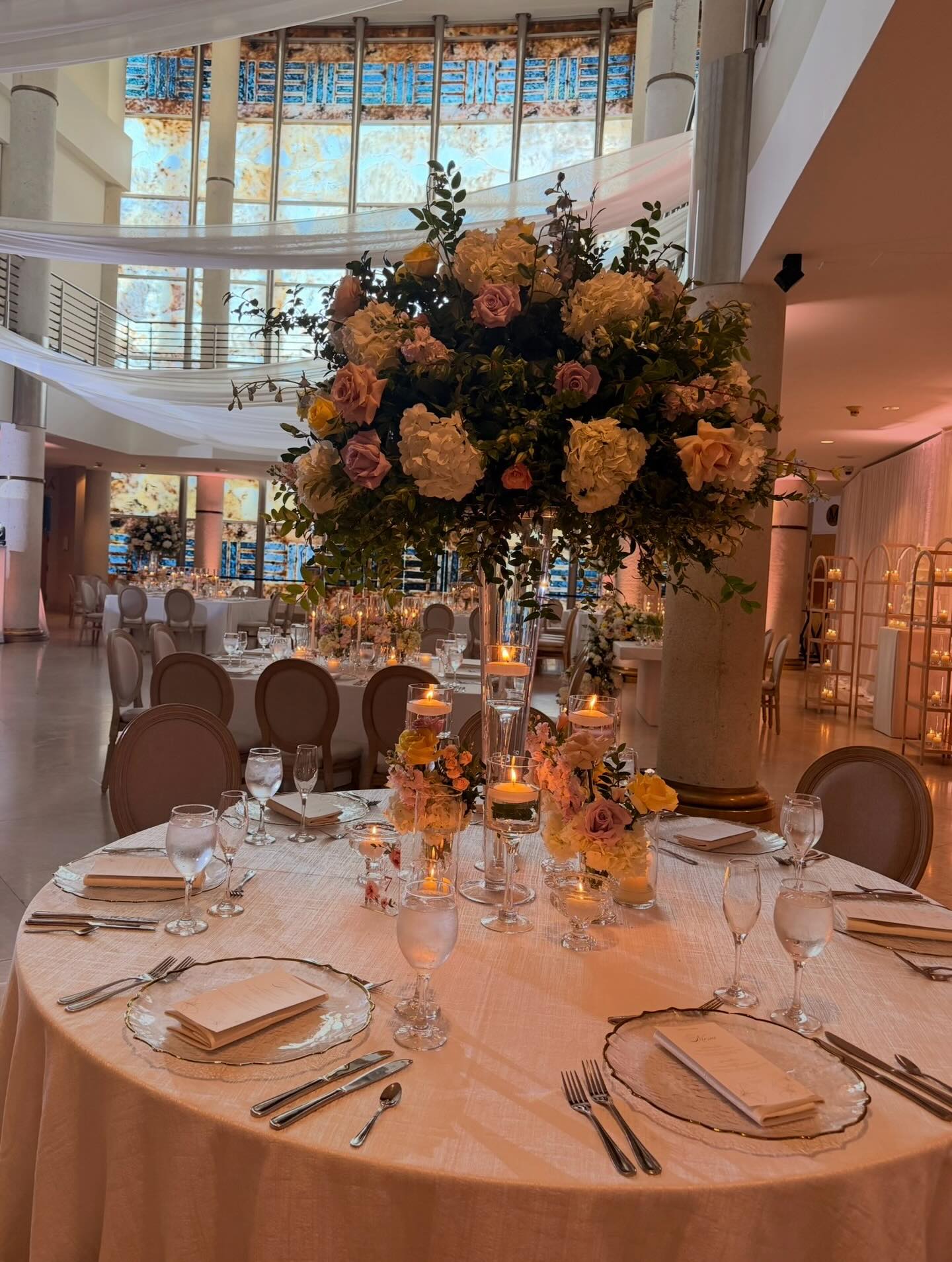
A destination wedding menu should belong to its environment. That does not mean every dish needs to be overtly local, but the meal should feel natural in the setting. A formal ballroom reception in San Juan calls for a different culinary rhythm than an oceanfront celebration or a garden dinner under the palms.
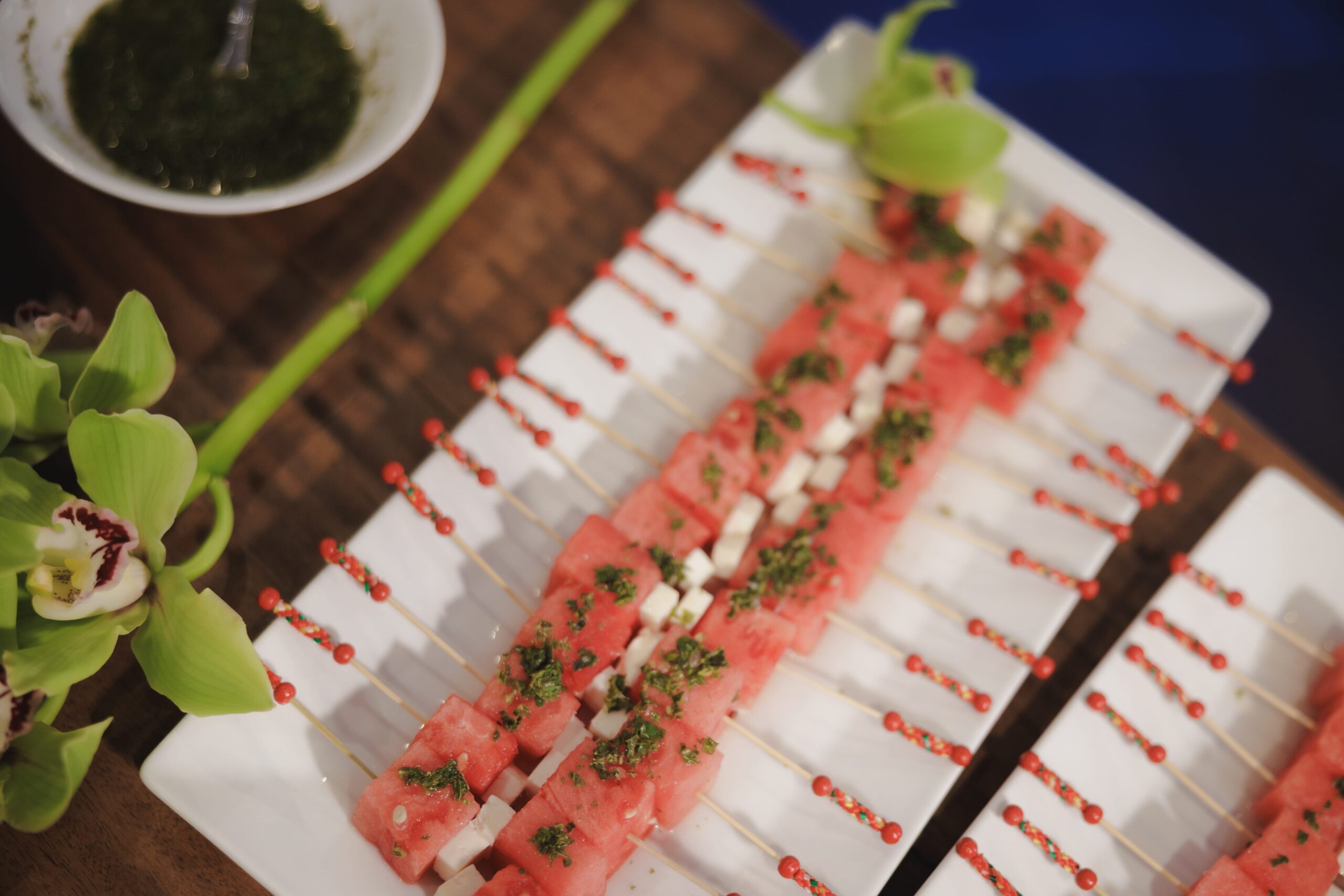
Start by thinking about climate first. In warm destinations, heavy dishes can feel out of place, especially during cocktail hour or an outdoor reception. Guests usually respond best to menus that feel fresh, balanced, and elegant rather than overly rich. Chilled starters, refined seafood options, bright sauces, tropical fruits, and lighter proteins often work beautifully. For an evening celebration indoors, you may have more flexibility to incorporate richer courses, but even then, balance matters.
Local influence is where destination dining becomes memorable. A menu with subtle Puerto Rican notes, for example, can feel far more sophisticated than a generic wedding dinner that could have been served anywhere. The key is restraint and refinement. Guests appreciate a sense of place when it is woven in with intention through ingredients, flavor profiles, or presentation.
Begin with your guests, not just your favorites
Couples naturally begin menu conversations with the foods they love. That is part of the story, and it should be. But destination wedding dining also asks you to think like a host.
Your guest list likely includes different age groups, travel styles, and dietary needs. Some people are adventurous eaters who want local specialties. Others simply want a beautifully prepared meal they can recognize and enjoy comfortably. A well-planned menu meets both groups without feeling watered down.
This is where customization becomes especially valuable. You do not need a menu that tries to please everyone equally. You need one with enough range and clarity that most guests feel considered. A thoughtful cocktail hour can help with this by offering variety in small bites, while the main dinner remains cohesive and elegant.
Dietary restrictions deserve early attention, not last-minute accommodation. Vegetarian, vegan, gluten-free, dairy-free, and allergy-sensitive requests are common, especially with destination guest lists coming from multiple regions. The goal is not to create separate meals that feel secondary. It is to make every guest feel included in the same elevated experience.
Choose the right service style for the wedding you want
One of the biggest menu decisions is not what to serve, but how to serve it. Service style shapes the pace of the evening, the formality of the event, and how guests interact with the meal.
Plated dinners remain the classic choice for couples who want a polished, luxurious atmosphere. They create a sense of occasion and support a well-managed timeline for toasts, entertainment, and transitions. They also allow for particularly refined presentation, which matters when every design element of the wedding has been considered carefully.
Buffets can work beautifully when they are executed at a high level, especially for larger celebrations or weddings where variety is a priority. The trade-off is that they tend to feel less formal and can interrupt flow if guest movement is not managed well.
Food stations offer an excellent middle ground for couples who want a social, stylish experience with more culinary personality. They can feel vibrant and memorable, especially for welcome parties or receptions with a more relaxed luxury tone. Still, they need strong planning behind the scenes. Stations should be abundant, visually cohesive, and positioned to avoid long lines.
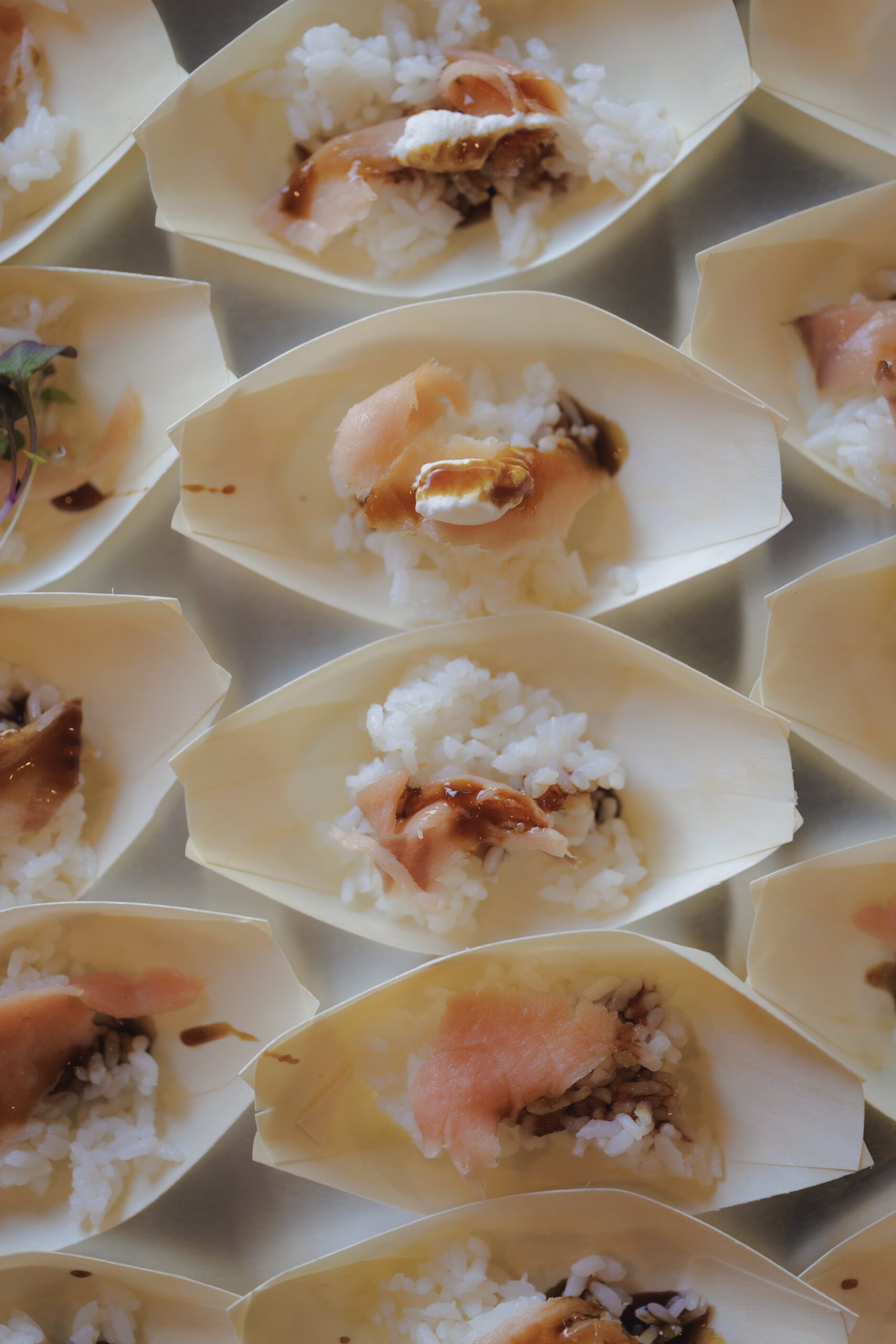
For many destination weddings, a blended approach works best. Passed hors d’oeuvres during cocktail hour, followed by a plated dinner and a late-night bite, often creates the most satisfying guest experience.
Build the menu with the full wedding weekend in mind
When planning how to plan a destination wedding menu, it helps to zoom out. Your reception dinner is only one part of your guests’ culinary experience.
Many destination weddings include a welcome gathering, post-ceremony cocktails, brunch, or a farewell event. If every meal is equally rich or styled the same way, the weekend can begin to feel repetitive. A stronger approach is to give each event its own role.
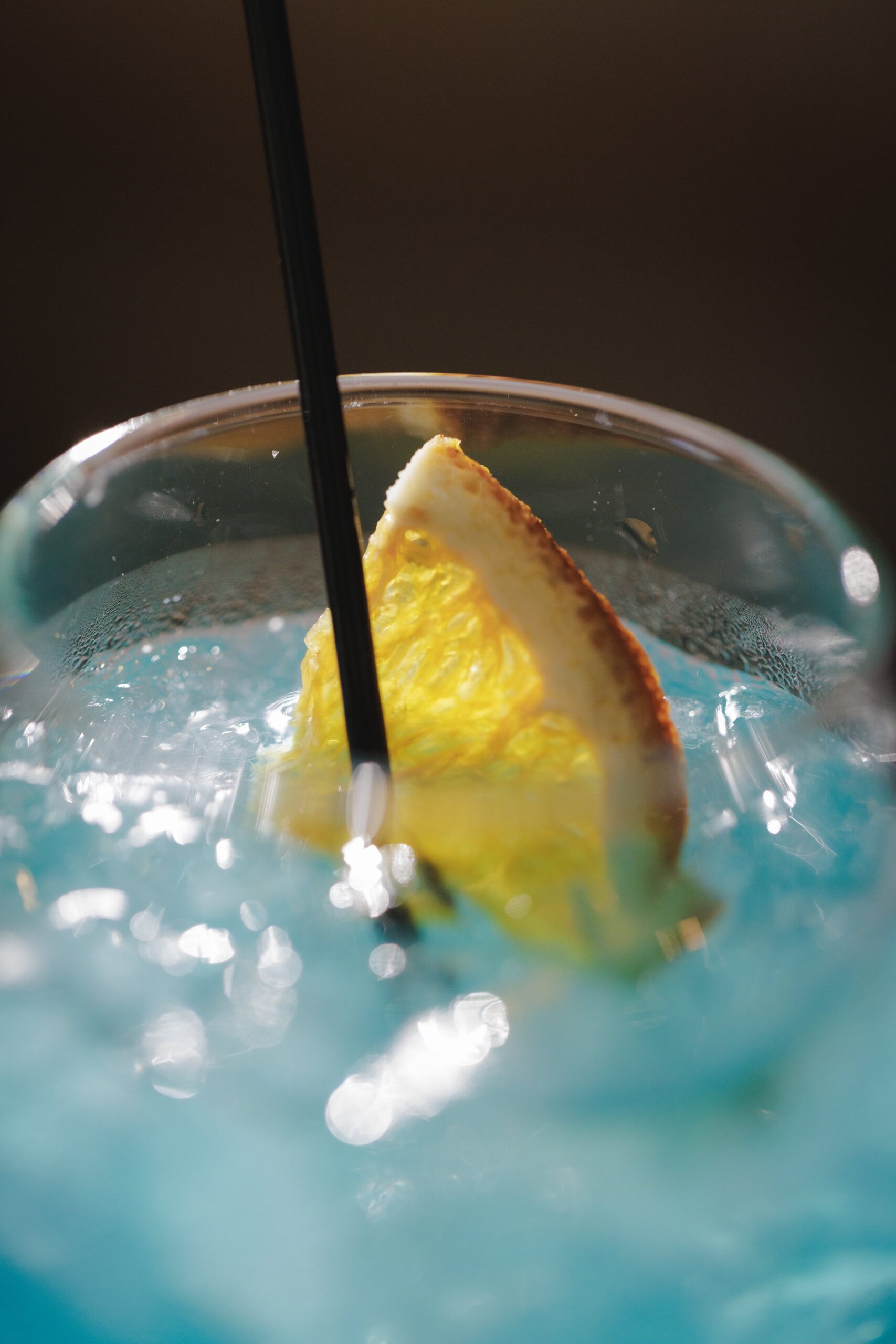
A welcome party might feature lively stations and island-inspired cocktails. The wedding dinner can then feel more formal and curated. A next-day brunch should feel restorative and relaxed, with lighter offerings and familiar favorites. This progression makes the entire celebration feel intentional.
It also helps to think practically. If guests have spent the day in the sun, they may want a refreshing cocktail hour rather than an overly heavy spread before dinner. If the ceremony starts late, dinner timing becomes even more important. Luxury is not just about what is served. It is about serving the right thing at the right moment.
Let seasonality and freshness guide the choices
A well-crafted destination wedding menu always benefits from seasonality. Fresh ingredients taste better, look better, and tend to suit the setting more naturally.
This is especially true in places where local produce, seafood, and regional flavors can add dimension to the menu. Seasonal choices can also bring visual beauty to the plate without excessive styling. That matters at weddings, where food should contribute to the atmosphere as much as the flowers and table design do.
There is also a practical advantage. Menus built around what is freshest and most available are often easier to execute consistently at a high level. Imported ingredients may sound luxurious on paper, but they are not always the smartest choice for destination events. In catering, elegance often comes from confidence and quality rather than complexity for its own sake.
Think about pacing, not just dishes
A wedding menu is a sequence. The guest experience depends as much on pacing as on flavor.
Cocktail hour should feel generous but not so filling that dinner loses its impact. The first course should awaken the appetite rather than slow the evening down. Entrées should feel satisfying without becoming too heavy, especially in warm-weather settings. Dessert should close the meal gracefully, whether that means a plated sweet, a dessert display, or a smaller bite paired with coffee and conversation.
Late-night offerings are worth considering if your celebration continues well beyond dinner. They can be playful, comforting, and memorable, but they should still align with the overall tone of the event. Even a relaxed final course can feel refined when it is presented with care.
Tasting well means asking the right questions
A tasting is not only about deciding what tastes best in the moment. It is where you learn how your caterer thinks about hospitality, balance, and execution.
Ask how the menu will perform in your venue conditions, especially if any part of the event is outdoors. Ask whether specific dishes are best suited to plated service or stations. Ask how dietary alternatives will be presented so they feel fully part of the event. These conversations reveal a great deal about the level of care behind the scenes.
For couples planning from afar, this matters even more. You are trusting a team to translate your vision into an experience your guests will remember. A caterer with strong destination wedding experience should guide you through trade-offs clearly, not simply agree with every idea. Sometimes the most beautiful menu on paper is not the one that will feel best at your reception.
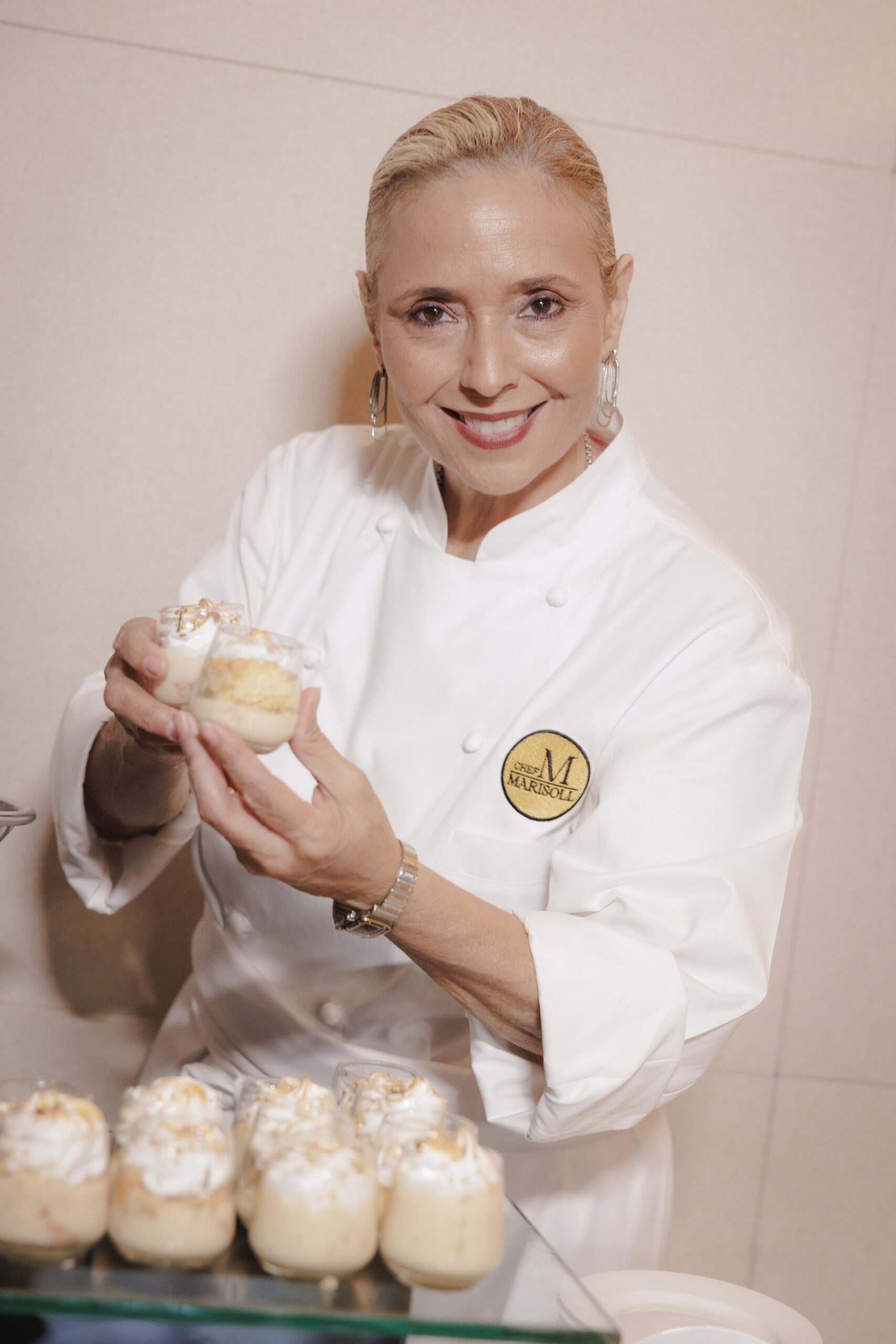
At Chef Marisoll Events, that kind of guidance is part of creating an exceptional culinary experience rather than simply selecting dishes.
Make it personal, but keep it elegant
The most memorable wedding menus have personality. That may come through a favorite ingredient, a nod to family tradition, a signature cocktail, or flavors that reflect the couple’s story. These details give the event emotional texture.
Still, personalization works best when it is edited well. Too many disconnected ideas can make the menu feel scattered. A cleaner approach is to choose two or three meaningful touchpoints and let the rest of the meal support them with grace.
Guests do not need a menu that explains everything. They need one that feels beautifully considered. When the food suits the place, the timing, and the mood of the celebration, it leaves a stronger impression than anything overly elaborate.
A destination wedding menu should feel like a welcome in edible form – generous, elegant, and unmistakably tied to the experience you invited your guests to share.