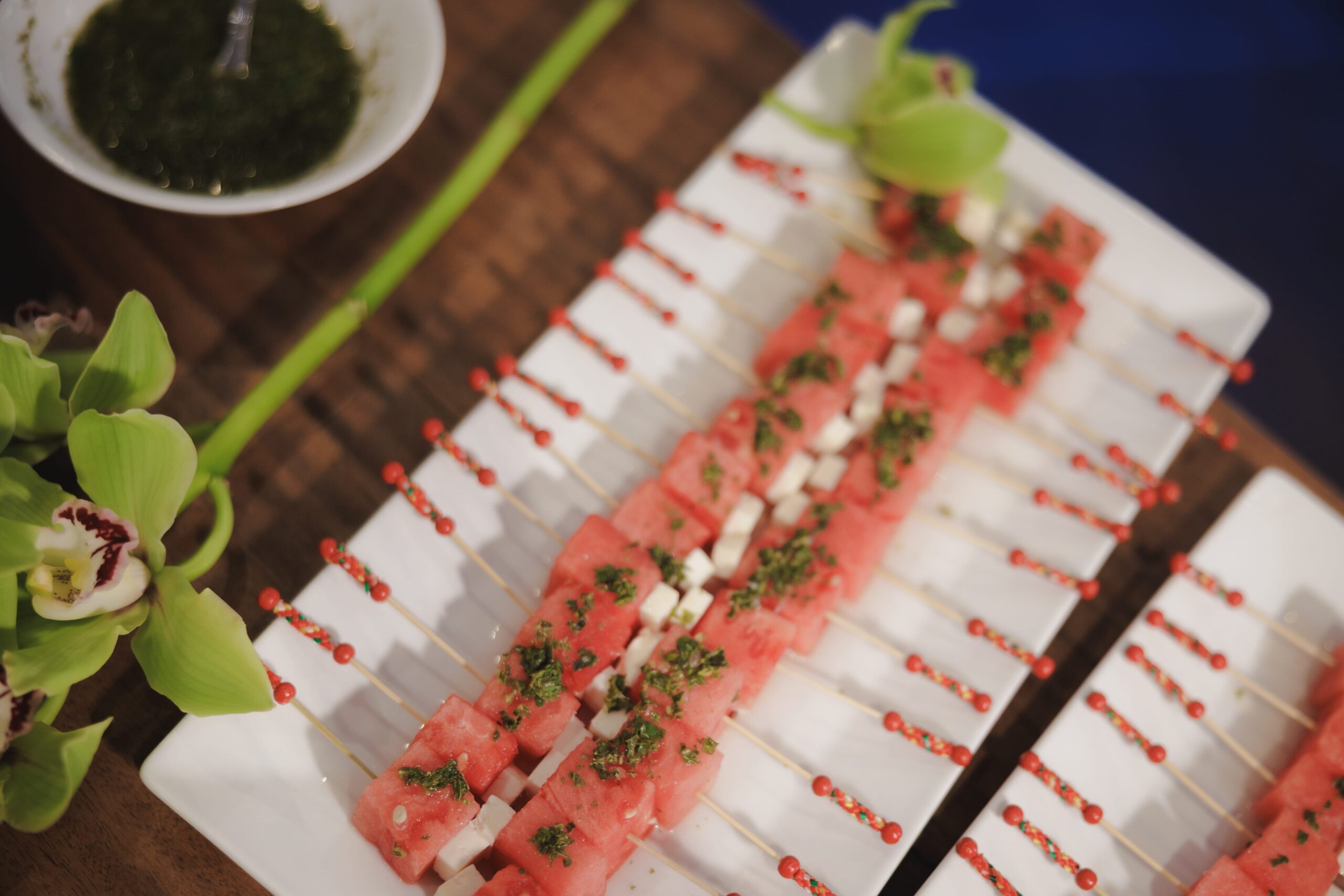
A boardroom lunch can quietly shape the outcome of an important conversation. When investors, visiting leadership, valued clients, or senior teams gather around the table, executive luncheon catering does more than provide a meal. It signals care, preparation, and respect for the people whose time and perspective matter most.
The right experience feels composed rather than overproduced. Guests should be able to settle into conversation, enjoy beautifully prepared food, and leave energized for the work ahead. That balance requires more than an appealing menu. It calls for thoughtful pacing, polished presentation, and service that understands when to attend to the room and when to step back.
Why Executive Luncheon Catering Matters
An executive lunch sits in a distinct category of corporate hospitality. It is often shorter and more focused than an evening reception, yet it carries equally high expectations. There is little room for delayed service, impractical courses, or a menu that distracts from the purpose of the gathering.
For leadership meetings, client presentations, partnership discussions, and recognition events, food becomes part of the environment. A refined luncheon creates a welcome pause in a demanding schedule while reinforcing the quality of the host organization. It tells guests that every detail has been considered, from the first greeting to the final coffee service.
The best approach depends on the meeting itself. A small strategy session may call for an elegant plated lunch that encourages a measured pace. A larger training program or multi-department gathering may benefit from a chef-attended station or elevated buffet designed to keep service moving. Neither format is inherently better. The choice should reflect the agenda, room layout, number of guests, and degree of formality.
Begin With the Purpose of the Meeting
Before selecting dishes, define what the luncheon needs to accomplish. Is the meal intended to welcome an out-of-town executive? Build rapport with prospective clients? Thank a team after a successful quarter? The answer influences everything from menu style to table setting.
A presentation-heavy lunch requires a different flow than a relationship-building meal. When discussion is central, quieter service and courses that are easy to enjoy without interruption are often preferable. When the goal is celebration, a more expressive menu and visually memorable food stations can create a stronger sense of occasion.
Timing deserves equal attention. A lunch scheduled between back-to-back meetings needs an efficient service plan, with guests seated and served promptly. If the agenda allows for conversation before the meal, a welcome beverage and a few passed bites can create an easy transition without slowing the day. An experienced catering team will help build a timeline around the meeting rather than asking the meeting to accommodate the food.
Build a Menu That Feels Polished and Purposeful
An executive menu should be satisfying without leaving guests overly full or fatigued for the afternoon ahead. The most successful selections pair familiar appeal with distinctive character. Seasonal ingredients, thoughtful textures, and a graceful presentation can make a meal memorable without making it feel complicated.
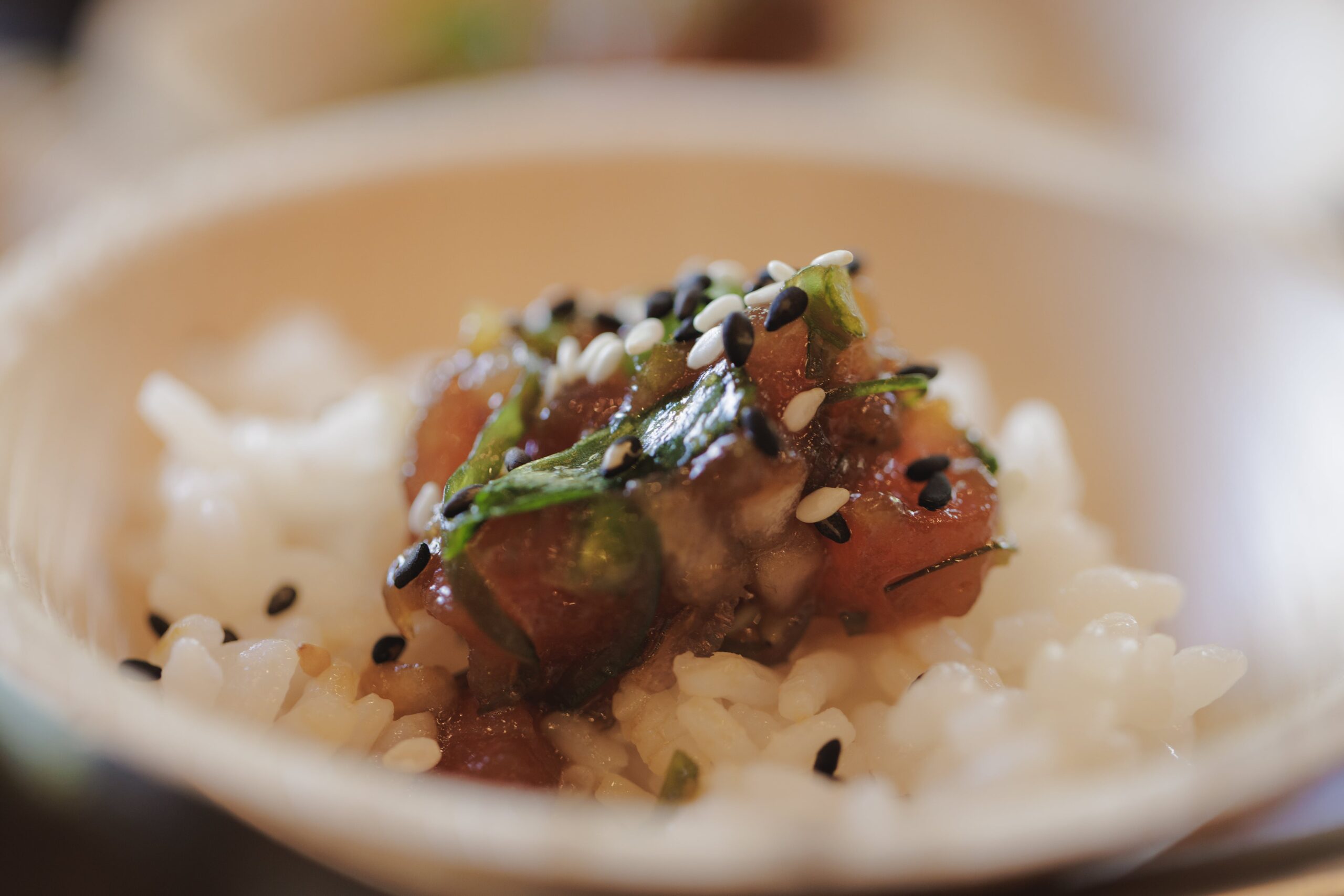
For a seated luncheon, a composed first course followed by a protein-centered entrée and light dessert often creates an elegant rhythm. Fresh seafood, responsibly prepared meats, vibrant vegetables, and carefully chosen grains offer a range of possibilities. The emphasis should be on flavor, balance, and a presentation that holds its quality from kitchen to table.
Puerto Rico offers a particularly rich point of inspiration. Local fruits, fresh herbs, plantains, coastal seafood, and island-grown flavors can bring a genuine sense of place to a corporate gathering. The goal is not to turn every luncheon into a themed event. Instead, subtle Puerto Rican influence can lend the menu warmth and distinction, especially for visiting executives or destination-based business occasions.
Dietary preferences should be addressed with the same care as the primary menu. A well-planned luncheon makes vegetarian, vegan, gluten-conscious, and allergy-sensitive guests feel included rather than accommodated as an afterthought. This is where custom menu design matters. A separate entrée can be beautiful, complete, and aligned with the overall dining experience.
Avoid the Common Lunch Menu Missteps
Executive meals benefit from restraint. Highly messy dishes, difficult-to-cut entrées, overly pungent ingredients, or foods that require too much assembly may be delicious in another setting, but they can be distracting when guests need to return to conversation or presentations.
Portion size also matters. A lunch should sustain the room, not slow it down. A skilled chef considers the full experience: how guests will feel after the meal, how quickly courses can be served, and whether the menu supports the energy of the afternoon.
Choose a Service Style That Supports the Room
Plated service remains an excellent choice for intimate executive lunches, board meetings, and VIP gatherings. It creates a sense of occasion, gives the table a polished visual structure, and allows each course to arrive with precision. With attentive staff, the experience can feel effortless and discreet.
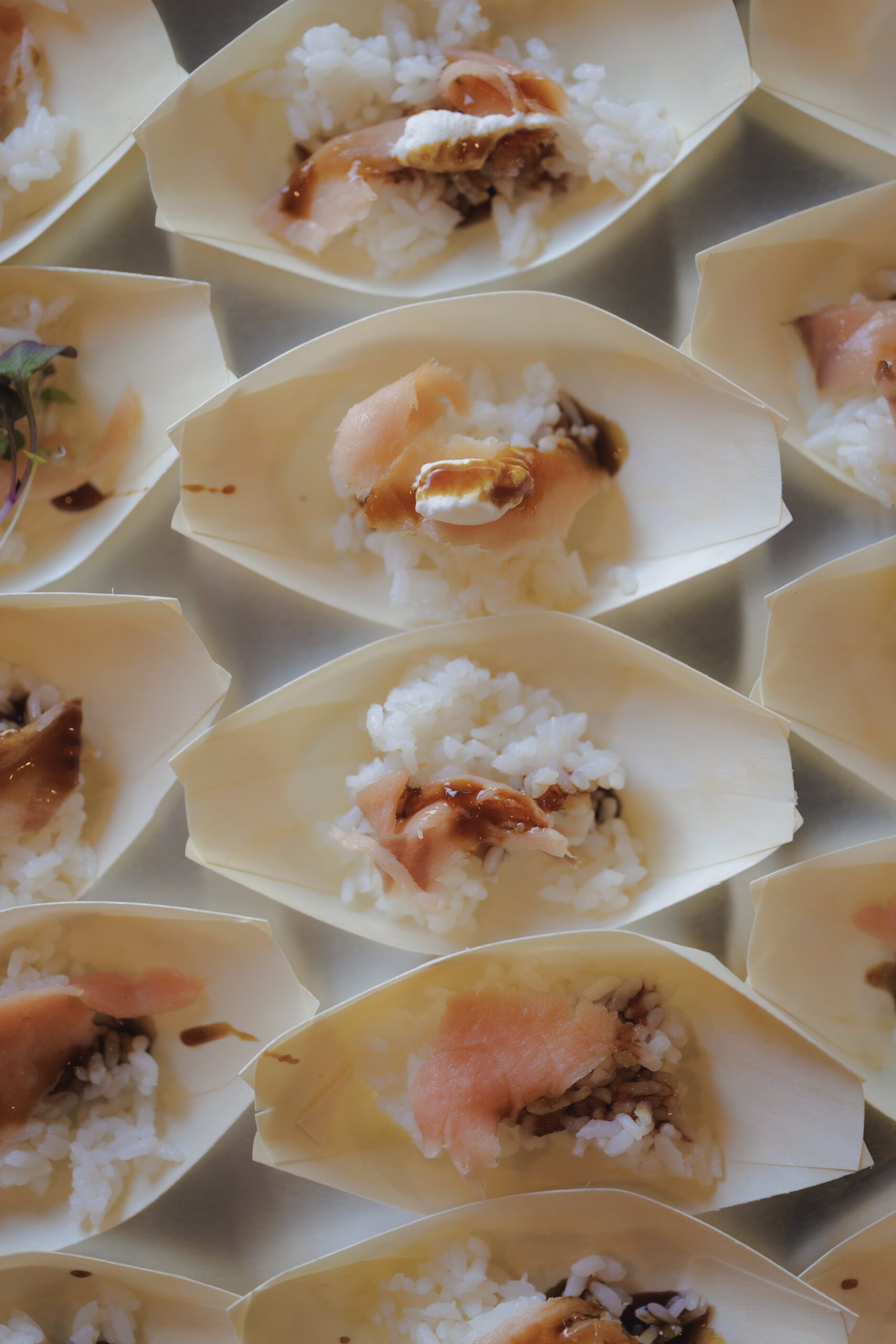
For larger groups, elevated buffets and curated food stations can be equally sophisticated. They offer variety, accommodate different preferences, and can encourage natural interaction among attendees. The key is presentation and traffic flow. Stations should be arranged so guests move comfortably through the room without forming a distracting line or interrupting the program.
Family-style service can work beautifully for a leadership retreat or a more relationship-driven gathering. Shared platters introduce warmth and conversation, though they are best reserved for tables with enough space and a schedule that permits a slightly more relaxed pace.
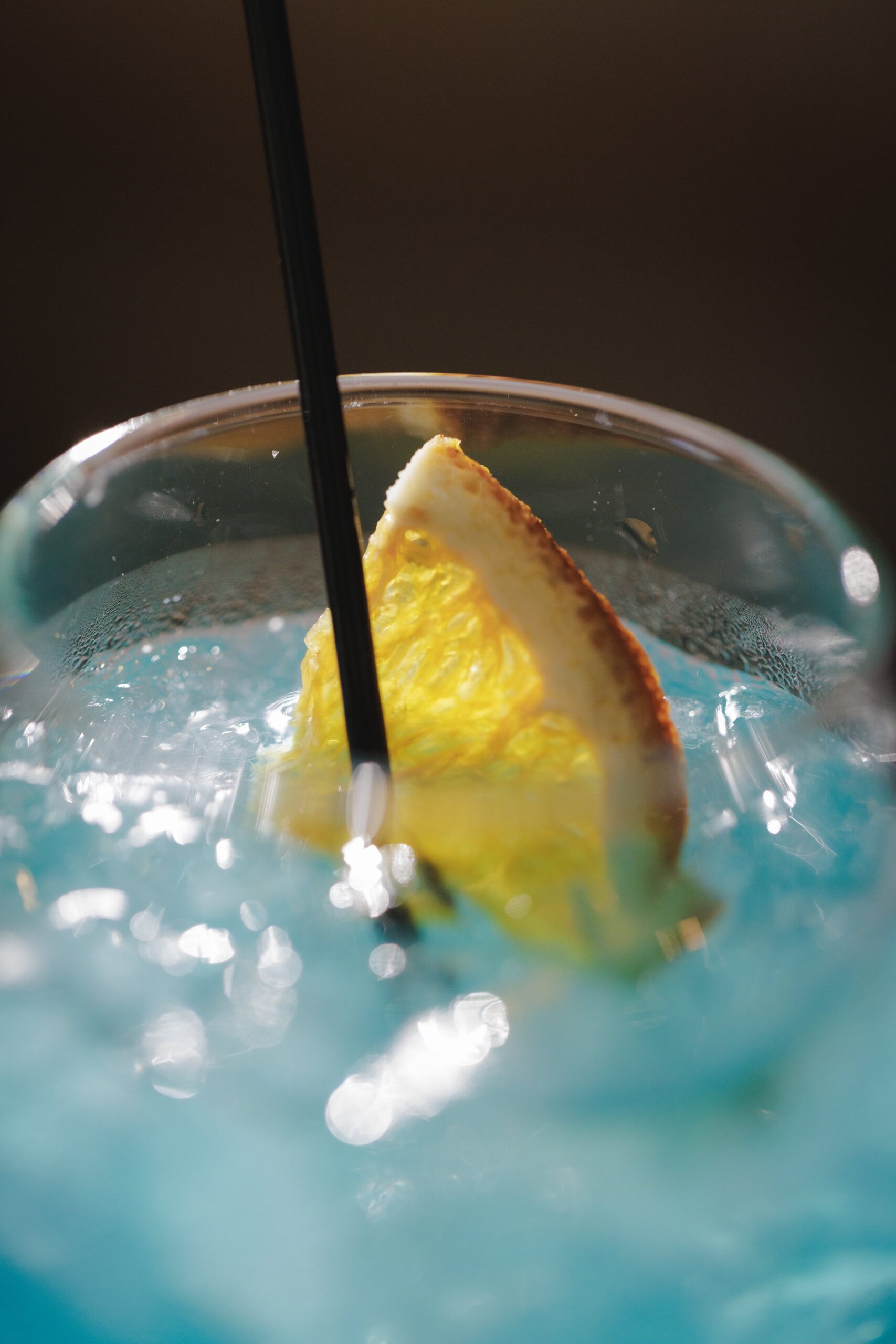
Beverage service should feel intentional as well. Sparkling water, still water, fresh juices, coffee, and tea are essentials. Depending on the occasion and company culture, a restrained wine pairing or celebratory cocktail may be appropriate. For a working luncheon, however, the beverage program should complement the meeting rather than become its focal point.
Let the Setting Carry the Same Standard as the Food
The setting frames the meal before the first course arrives. Clean lines, beautiful tableware, fresh florals, and balanced lighting can make even a midday meeting feel considered and elevated. Details need not be excessive to feel luxurious. A composed table and attentive service often have greater impact than elaborate décor.
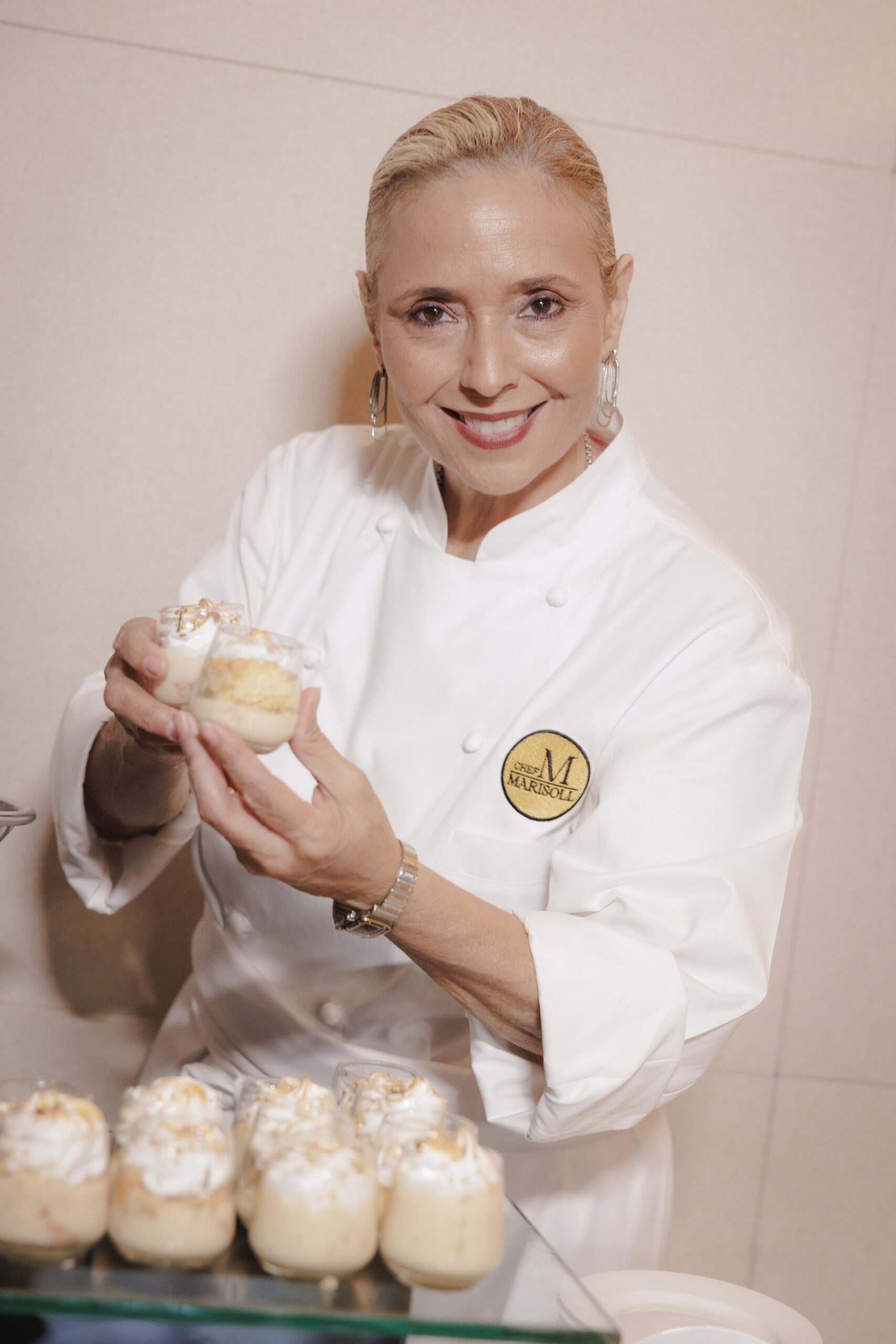
Venue selection is particularly meaningful for client-facing occasions. A private dining environment offers privacy, focus, and a stronger sense of welcome than a conventional conference room. At the Puerto Rico Museum of Art, Chef Marisoll Events can pair chef-led cuisine with the cultural presence of an exceptional private hall, creating an experience that feels both professional and distinctly memorable.
For off-site offices, private residences, or event venues, the same principle applies: assess the room early. Consider kitchen access, guest seating, presentation needs, parking, arrival flow, and the space required for service staff. Thoughtful planning behind the scenes is what allows the luncheon to feel calm in the moment.
Details That Guests Notice Without Naming
Exceptional corporate hospitality is often felt before it is consciously recognized. Guests notice when their glass is refreshed at the right moment, when a dietary request is handled gracefully, and when service transitions occur without interrupting a discussion. They notice when the host is free to participate rather than manage logistics.
This is why staffing and coordination are as valuable as the menu itself. An experienced team anticipates the pace of the program, communicates clearly with event organizers, and responds quietly when plans shift. A delayed arrival, an extended presentation, or a last-minute guest should not unsettle the room.
The final course can also be used with intention. A delicate dessert, seasonal fruit, or elegant coffee service offers a natural close to the meal. If the meeting continues, this transition gives guests a moment to reset before the next conversation begins.
Planning Executive Luncheon Catering With Confidence
The most productive planning conversations begin early, particularly for high-profile guests, complex dietary needs, or venue-specific logistics. Share the guest count, schedule, purpose of the meeting, desired service style, and any preferences that reflect your organization or visitors. From there, a custom culinary plan can take shape around the experience you want guests to have.
A successful executive lunch is not defined by extravagance. It is defined by confidence: confidence that the menu will be exceptional, the service will be flawless, and every guest will feel genuinely welcomed. When hospitality is handled with that level of care, the host can focus on the people at the table and the possibilities the conversation may create.