A beautifully set table should never leave a guest wondering whether the meal in front of them is safe to enjoy. Can caterers handle gluten allergies? Yes, when the conversation begins early and the culinary team has the training, systems, and attention to detail required to manage dietary needs with care. For a wedding, executive dinner, or destination celebration in Puerto Rico, that care protects more than a menu. It allows every guest to feel genuinely welcomed.
Gluten-free dining is often discussed as a preference, but for guests with celiac disease or a wheat allergy, exposure can carry serious consequences. A refined event menu can absolutely accommodate those needs without sacrificing visual appeal, flavor, or the generosity of the dining experience. The difference lies in thoughtful planning and flawless execution behind the scenes.
Can Caterers Handle Gluten Allergies at an Elegant Event?
A capable full-service caterer can create an exceptional gluten-free experience, but the answer is not simply a matter of removing bread or choosing a naturally gluten-free entrée. Gluten can appear in sauces, marinades, seasoning blends, fried foods, pastry components, and even garnish choices. Cross-contact during preparation or service can also be a concern.
For this reason, hosts should think beyond the question, “Do you offer gluten-free options?” A more useful question is, “How do you manage gluten-free meals from menu planning through service?” The response should feel specific, calm, and informed. A catering team should be able to explain how guest needs are documented, how ingredients are reviewed, and how the service staff identifies and delivers designated meals.
There is also an essential distinction between gluten sensitivity, personal preference, wheat allergy, and celiac disease. Each guest may describe their needs differently, and a polished caterer will never make assumptions. Instead, the team should ask respectful follow-up questions and encourage hosts to collect clear dietary information from guests before finalizing the menu.
The Details That Make a Gluten-Free Menu Trustworthy
The most successful gluten-free event menus are designed intentionally from the beginning. Retrofitting one meal after every course has been selected can work in some cases, but it may limit choices and introduce unnecessary complexity. When dietary needs are part of the initial culinary conversation, the menu can feel cohesive for everyone at the table.
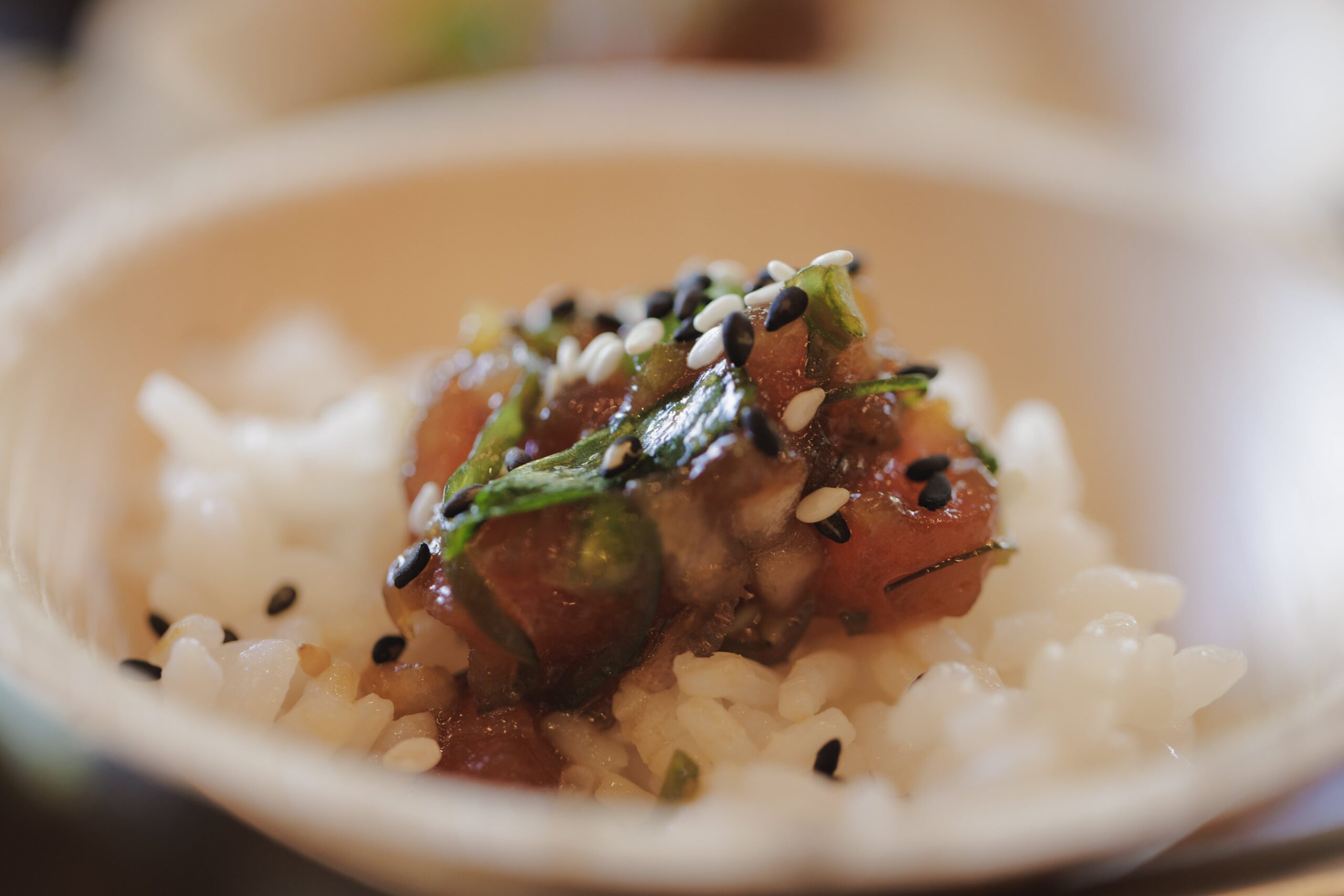
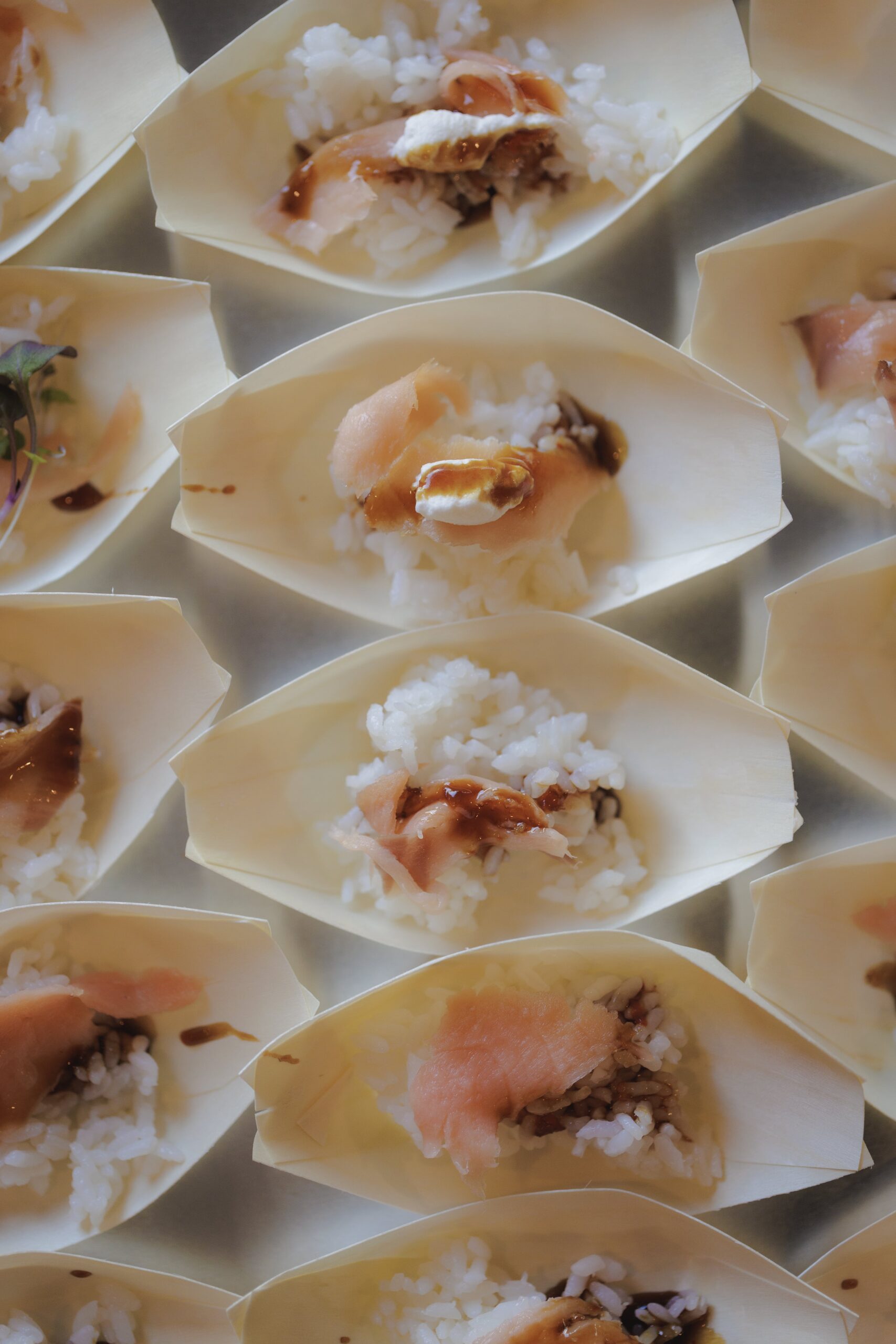
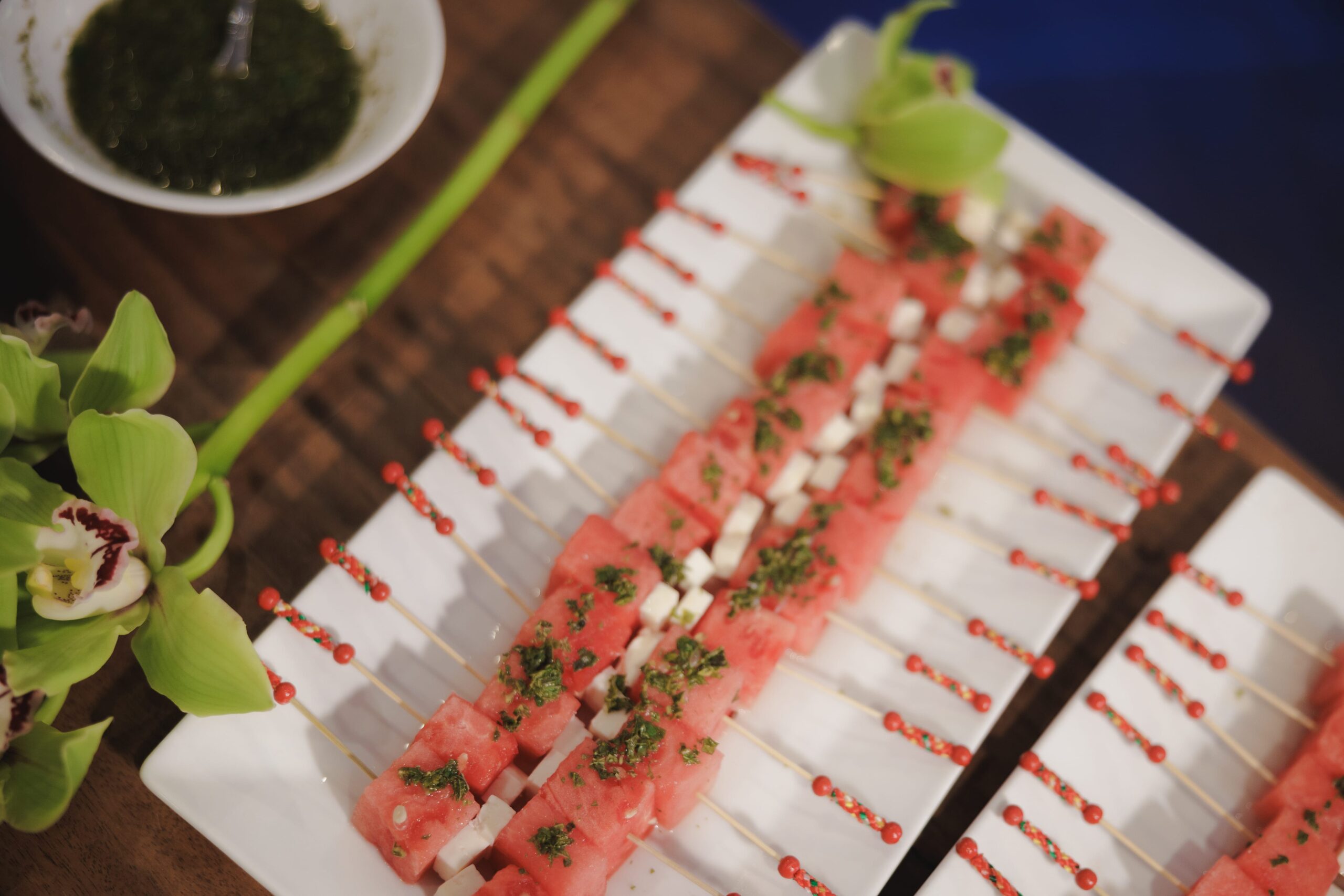
A chef-led approach may begin with naturally gluten-free elements that already belong in an elevated Puerto Rican and international dining experience: fresh seafood, roasted meats, vibrant vegetables, rice dishes, tropical fruits, legumes, and carefully prepared sauces. The goal is not to create a visibly separate or lesser meal. It is to present a dish that feels equally considered, beautifully composed, and aligned with the event’s overall style.
Ingredient verification is the foundation. A supplier or product label may change, and ingredients that seem straightforward can contain hidden gluten. Soy sauce, stock bases, spice blends, malt vinegar, pre-made dressings, and dessert fillings all deserve review. If a recipe calls for an item with uncertainty, the culinary team should select a verified alternative rather than rely on assumptions.
Preparation practices matter just as much. A gluten-free protein placed on a clean plate can still be unsafe if it was prepared with shared utensils, cooked on an uncleaned surface, or finished with a sauce from the wrong container. Kitchens that accommodate strict gluten-free needs establish clear procedures for separation, sanitation, and communication. Depending on the event and the guest’s sensitivity, this may include dedicated utensils, freshly cleaned work surfaces, separate storage, and individually plated preparation.
No caterer should promise an absolute outcome they cannot support. A professional team will be transparent about its kitchen environment, the precautions it can take, and whether a particular request requires additional planning. That honesty is part of excellent hospitality.
Service Is Where Care Becomes Visible
An impeccably planned meal can be compromised in the final minutes if the service team is not briefed. At a seated dinner, the safest and most elegant approach is usually to identify gluten-free meals discreetly before guests arrive and have trained staff deliver them directly to the correct guest. The presentation should match the event’s standard of service, without drawing unwanted attention to a dietary restriction.
Buffets and food stations require additional consideration. They can be wonderfully abundant and social, but shared serving utensils, guest movement, and close placement of dishes create greater cross-contact risk. This does not make stations impossible. It simply means the format must be designed with purpose.
For a guest with celiac disease or a severe allergy, an individually plated meal may be preferable even when other guests are enjoying a buffet. Alternatively, a dedicated gluten-free station with clear oversight can be appropriate when the event size and service plan allow it. The right decision depends on the level of sensitivity, the menu, the venue kitchen, and the staffing available during service.
Dessert deserves the same attention as the main course. Cakes, pastries, cookies, and plated sweets are frequent sources of gluten, and dessert displays can make cross-contact especially easy. A dedicated gluten-free dessert, plated separately and served with clean tools, often offers both confidence and a more graceful guest experience. There is no reason it cannot be as celebratory as every other finishing course.
What Hosts Should Share With Their Caterer
The earlier a host raises gluten-related needs, the more possibilities the culinary team can offer. Mention them during the first planning conversation, not only after a menu has been printed or a final guest count is due. For weddings and large celebrations, invitations or RSVP forms can provide a practical way to gather dietary details in advance.
When sharing information, clarity is more helpful than broad labels. Let the caterer know whether the guest has celiac disease, a diagnosed wheat allergy, non-celiac gluten sensitivity, or a lifestyle preference. If the guest is comfortable doing so, ask whether they have specific cross-contact requirements. Some guests need a strictly controlled meal, while others are comfortable with a gluten-free selection prepared in a shared kitchen using careful protocols.
Hosts should also provide the guest’s name and seating assignment once the event layout is confirmed. This allows the culinary and service teams to plan a discreet handoff rather than searching for a guest during a busy reception. For a corporate event, an event planner or designated on-site contact can serve as the point person for last-minute updates.
Avoid asking a caterer to guess based on a dietary note that simply says “GF.” It may mean a preference, an intolerance, or a medically necessary restriction. A brief clarification can prevent confusion and help the kitchen build the right safeguards into the service plan.
Questions Worth Asking Before You Book
A premium caterer should welcome careful questions. Ask how the team handles ingredient verification, whether gluten-free meals are prepared separately when needed, and how servers distinguish special meals from standard plates. If you are considering a buffet or food station format, ask how the layout and utensils will be managed.
It is also wise to ask who will oversee the dietary plan on the event day. The answer should not be vague. A strong operation has a clear chain of communication among the chef, event captain, banquet staff, and planner. This is particularly valuable for destination weddings, where hosts may be coordinating from afar and want confidence that details will be honored on site.
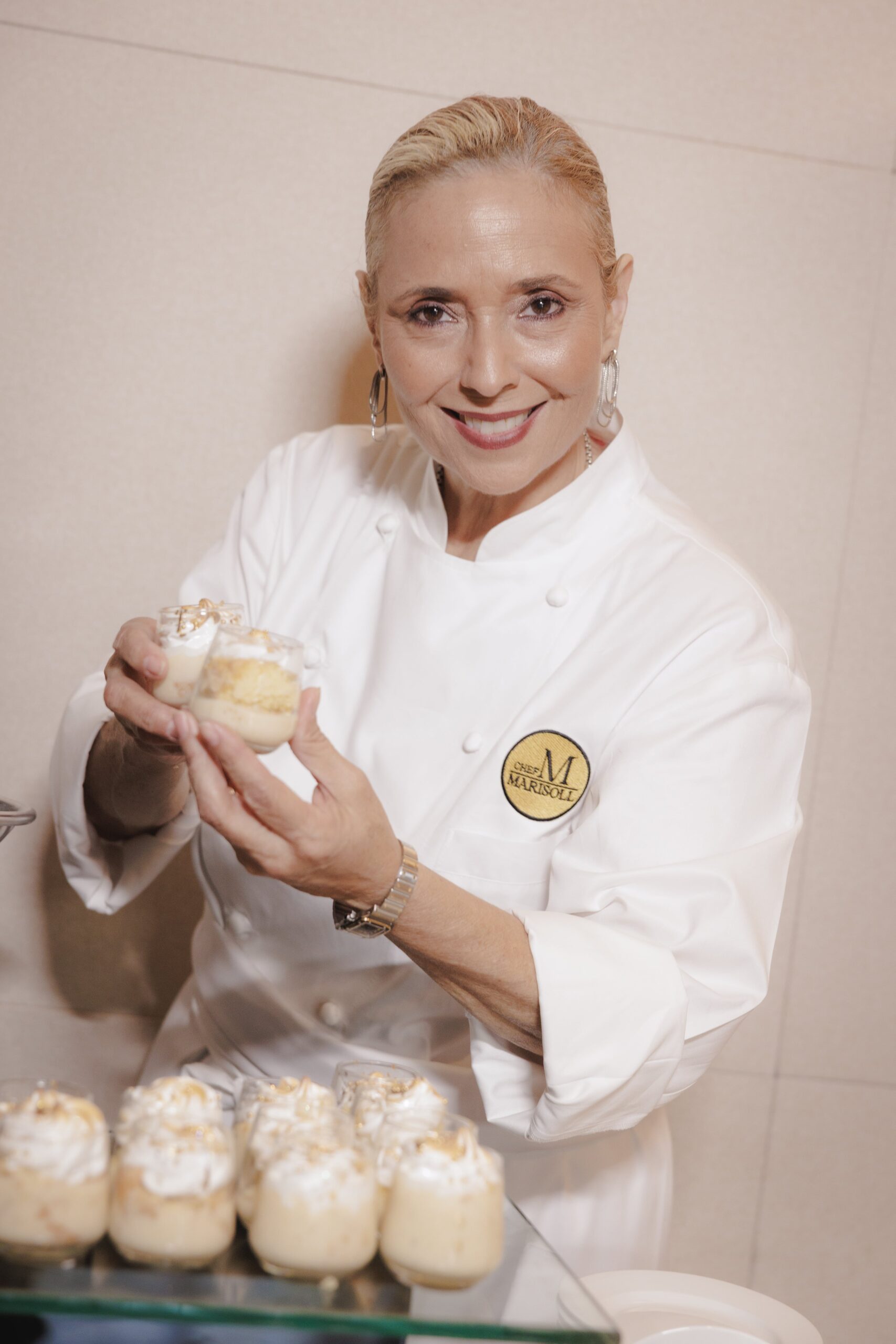
At Chef Marisoll Events, personalized menu design is approached as part of the occasion itself, not as an afterthought. That means dietary accommodations can be considered alongside presentation, cultural inspiration, service style, and the atmosphere a host hopes to create.
A Thoughtful Menu Should Still Feel Celebratory
The finest gluten-free catering does not announce itself through compromise. A guest should receive a meal with the same sense of occasion as everyone else: a composed plate, beautiful color, balanced textures, and flavors that belong to the larger culinary story of the event.
That may mean a delicate citrus-seared fish with herb rice and seasonal vegetables, a slow-roasted entrée finished with a verified gluten-free reduction, or a tropical fruit dessert with an elegant, naturally gluten-free base. The possibilities are generous when a menu is crafted rather than assembled from substitutions.
For hosts, the real standard is simple: dietary care should feel as polished as every other part of the celebration. When the right questions are asked early and the caterer responds with experience, transparency, and artistry, guests can focus on what they came to do – share in a meaningful occasion and enjoy every memorable course.