A beautifully set table, a perfectly timed entrée, and a host who can remain present with every guest do not happen by accident. When clients ask, “what is included in full service catering,” they are often looking beyond the menu. They want to know who will shape the experience, manage the details, and make an important gathering feel effortless from the first welcome drink to the final farewell.
Full-service catering is designed for that level of occasion. Rather than simply delivering prepared food, a full-service caterer provides the culinary planning, professional staff, presentation, equipment, and on-site coordination needed to serve guests with care. The precise scope depends on the event, venue, guest count, and chosen service style, but the purpose remains the same: to create an exceptional culinary experience while relieving the host of operational responsibility.
What Is Included in Full Service Catering?
At its core, full-service catering combines chef-led food preparation with the hospitality infrastructure required to serve it properly. It is a natural fit for weddings, executive receptions, destination celebrations, milestone dinners, and private events where every detail should reflect the significance of the moment.
A thoughtful proposal should clearly distinguish what is included from what may be available as an enhancement. For example, a plated dinner and a lively food-station reception require different staffing levels, table settings, service timelines, and equipment. The strongest catering partnership begins with a conversation about the atmosphere you want guests to remember, not simply a count of courses.
Customized menu design and culinary planning
A full-service experience usually begins well before event day. The chef and event team learn about your occasion, venue, guest profile, dietary needs, cultural preferences, and desired style of service. From there, they create a menu with intention, whether that means refined Puerto Rican flavors, seasonal ingredients, elegant international dishes, or a composition that brings several influences together.
Menu planning may include passed hors d’oeuvres for a cocktail hour, a plated multi-course dinner, a buffet, interactive stations, desserts, late-night bites, or a tailored combination. Tastings are often part of the planning process for larger or highly customized celebrations, allowing hosts to make confident choices about flavor, presentation, and pacing.
Dietary accommodations also deserve careful attention. Vegetarian, vegan, gluten-conscious, allergy-aware, and other guest needs can be incorporated with the same level of thought given to the main menu. The goal is not to make certain guests feel like an afterthought, but to ensure every place setting receives a dish worthy of the occasion.
Professional chefs, servers, and event staff
Food is only one part of hospitality. Full-service catering includes the trained people who cook, present, replenish, pour, serve, clear, and respond gracefully throughout the event. Depending on the plan, this can include chefs, banquet captains, servers, bartenders, station attendants, and support staff.
A captain is particularly valuable at a formal event. This person oversees the catering team, keeps service aligned with the event timeline, and communicates with planners, venue contacts, and other vendors as needed. When the toast runs long or a photography moment shifts dinner by a few minutes, experienced staff can adjust without making guests aware of the change.
Staffing is not always calculated in the same way. A seated dinner typically calls for more attentive service than a buffet, while a cocktail party may require additional passed-appetizer staff and bartenders. Ask how staffing has been tailored to your format instead of assuming every full-service package carries the same ratio.
Tablescapes, serviceware, and culinary presentation
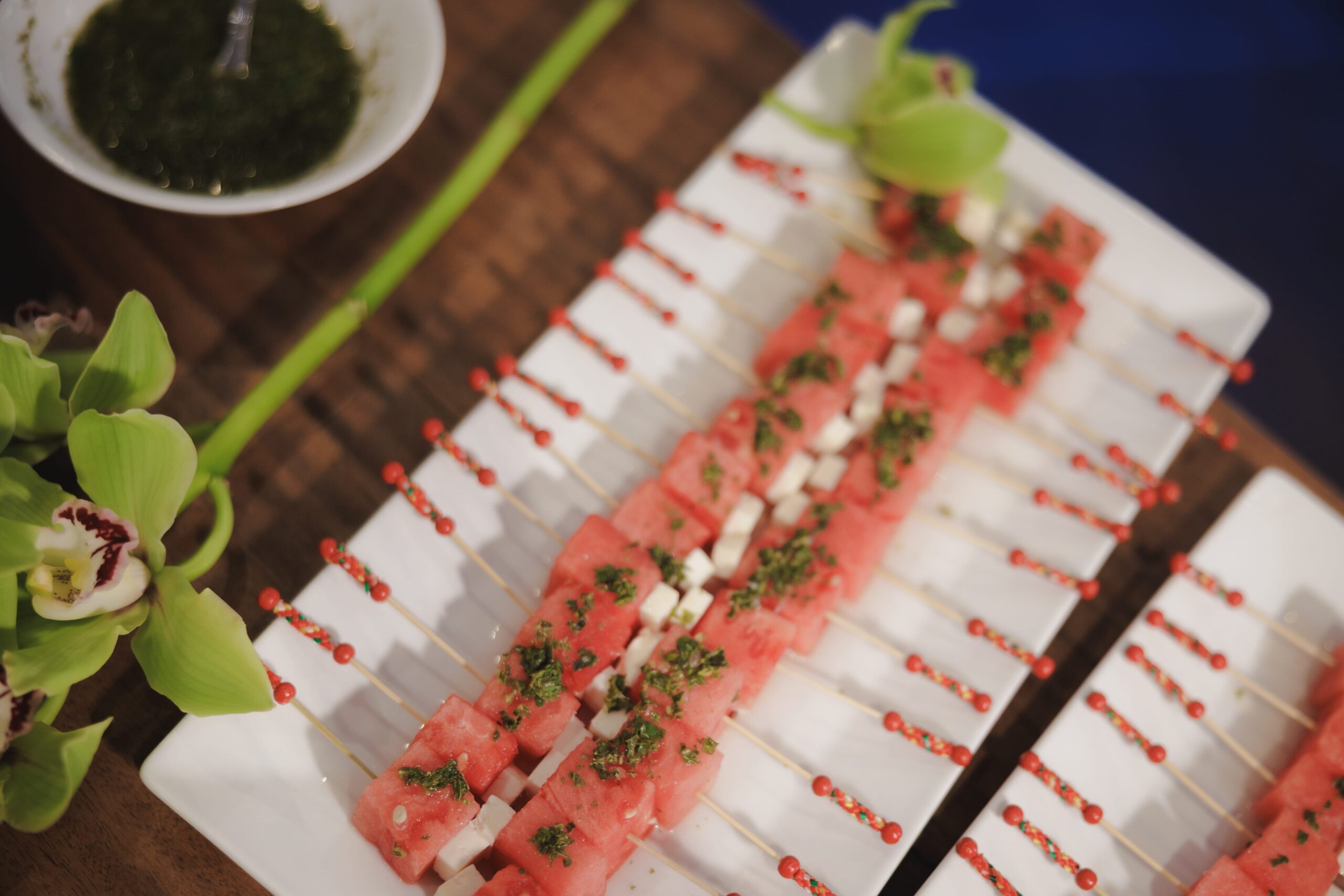
Full service is as visual as it is practical. It commonly includes the serviceware needed to present and serve the meal, such as plates, flatware, glassware, napkins, chafing or display pieces, trays, and serving utensils. For a plated event, it may also cover the detailed setup of guest tables and service stations.
The exact rental inventory varies. Some venues provide tables, chairs, linens, and basic place settings; others provide little beyond the room itself. A premium caterer may coordinate specialty chargers, elevated glassware, linen selections, bar décor, or presentation pieces that support the design direction, but these items may be quoted separately based on the selected look.
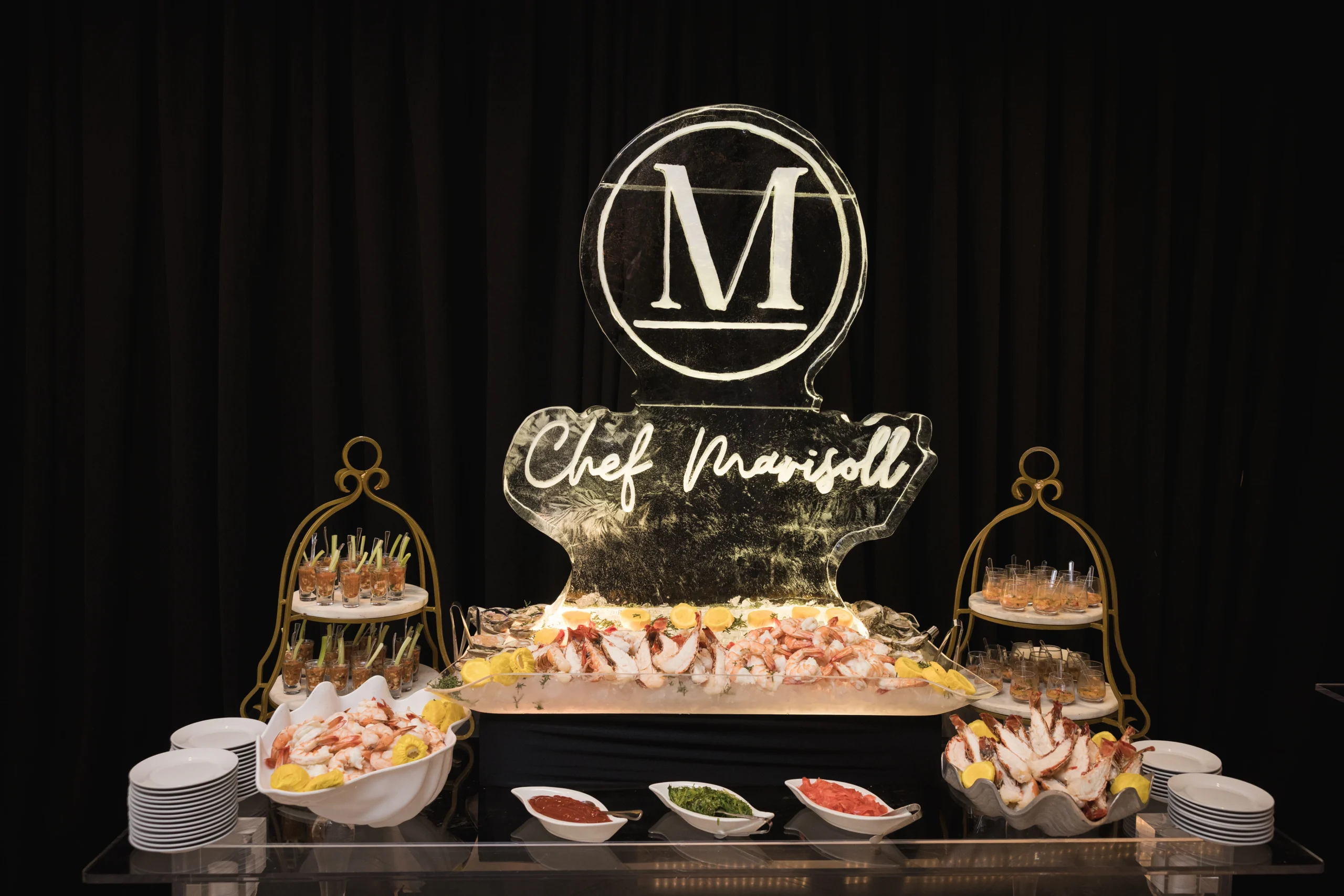
This distinction matters because presentation changes the emotional register of a meal. A carefully composed station, polished glassware, and a beautifully dressed table tell guests that they have arrived somewhere considered and special. The right details should support the event design rather than compete with it.
Full-Service Catering Includes Event-Day Coordination
A caterer is not a wedding planner or full event producer unless that role is expressly included. Still, full-service catering brings meaningful event-day coordination around all food and beverage operations.
Before guests arrive, the team manages delivery, kitchen setup, food preparation, service station installation, table readiness, and final culinary presentation. During the event, they follow the agreed schedule for cocktail hour, dinner, dessert, and any late-night service. Afterward, they break down their work areas, remove catering equipment, and leave the space according to venue requirements.
For events with several moving parts, the catering captain may coordinate timing with the planner, floral designer, entertainment team, photographer, and venue manager. That collaboration helps protect the guest experience. Dinner should arrive at the right temperature and at the right moment, not while guests are being directed outside for a sunset photograph or gathering for a major announcement.
Beverage and bar service
Bar service is frequently available within a full-service catering plan, but its details should be reviewed closely. A proposal may include bartenders, bar setup, mixers, garnishes, ice, glassware, and specialty cocktail development. Alcohol itself may be supplied by the caterer, purchased by the host, or subject to venue and licensing rules.
For a destination wedding or corporate event in Puerto Rico, local logistics can matter as much as the cocktail list. Ask who manages permits, bar inventory, transport, and end-of-event handling. A well-designed beverage program can echo the menu and setting, from a signature rum cocktail to a refined nonalcoholic welcome drink, while maintaining responsible, attentive service.
Cleanup, packing, and practical details
One of the most appreciated aspects of full-service catering happens after the last guest leaves. The team handles the clearing of plates and glassware, breakdown of food stations or buffet displays, packing of any approved leftovers, and removal of catering-related materials. This allows the host, family, or corporate team to close the evening with guests rather than facing a room full of dishes.
However, cleanup does not necessarily mean all venue cleanup. Rental removal, trash disposal, décor teardown, or cleaning beyond the catering footprint can fall under separate venue, planner, or rental agreements. Clear responsibilities protect everyone from unpleasant surprises at the end of a celebratory night.
What May Cost Extra?
The phrase “full service” signals a high-touch level of care, but it should never replace a detailed scope of work. Specialty rentals, premium linens, floral styling, entertainment, transportation, venue fees, cake cutting, extended service hours, custom displays, and certain bar elements may be additional. Service charges, taxes, travel, and vendor meals should also be addressed directly in the proposal.
This is not a reason to choose the least detailed package. It is a reason to choose clarity. An accurate proposal reflects your actual vision and lets you invest where it will have the greatest impact, whether that is a more elaborate cocktail hour, elevated table settings, a chef-attended station, or a memorable dessert presentation.
How to Choose the Right Level of Service
Begin with the guest experience. A formal wedding with a timed reception often benefits from plated service and a highly coordinated team. A corporate reception may call for polished passed bites and stations that encourage conversation. An intimate celebration may favor a family-style dinner that feels generous, personal, and relaxed.
Then consider the venue. A private hall may have an established kitchen, furnishings, and service requirements, while a private villa or outdoor location can require more extensive mobile equipment and setup. The venue at the Puerto Rico Museum of Art, for example, offers a distinctive cultural setting where culinary presentation can be planned in harmony with the architecture and ambiance.
Finally, ask each prospective caterer how they translate a concept into a working event plan. At Chef Marisoll Events, the most meaningful answer begins with your story, your guests, and the feeling you want to create. The finest full-service catering does more than serve a meal. It gives you the freedom to be fully present for the celebration you worked so hard to bring to life.