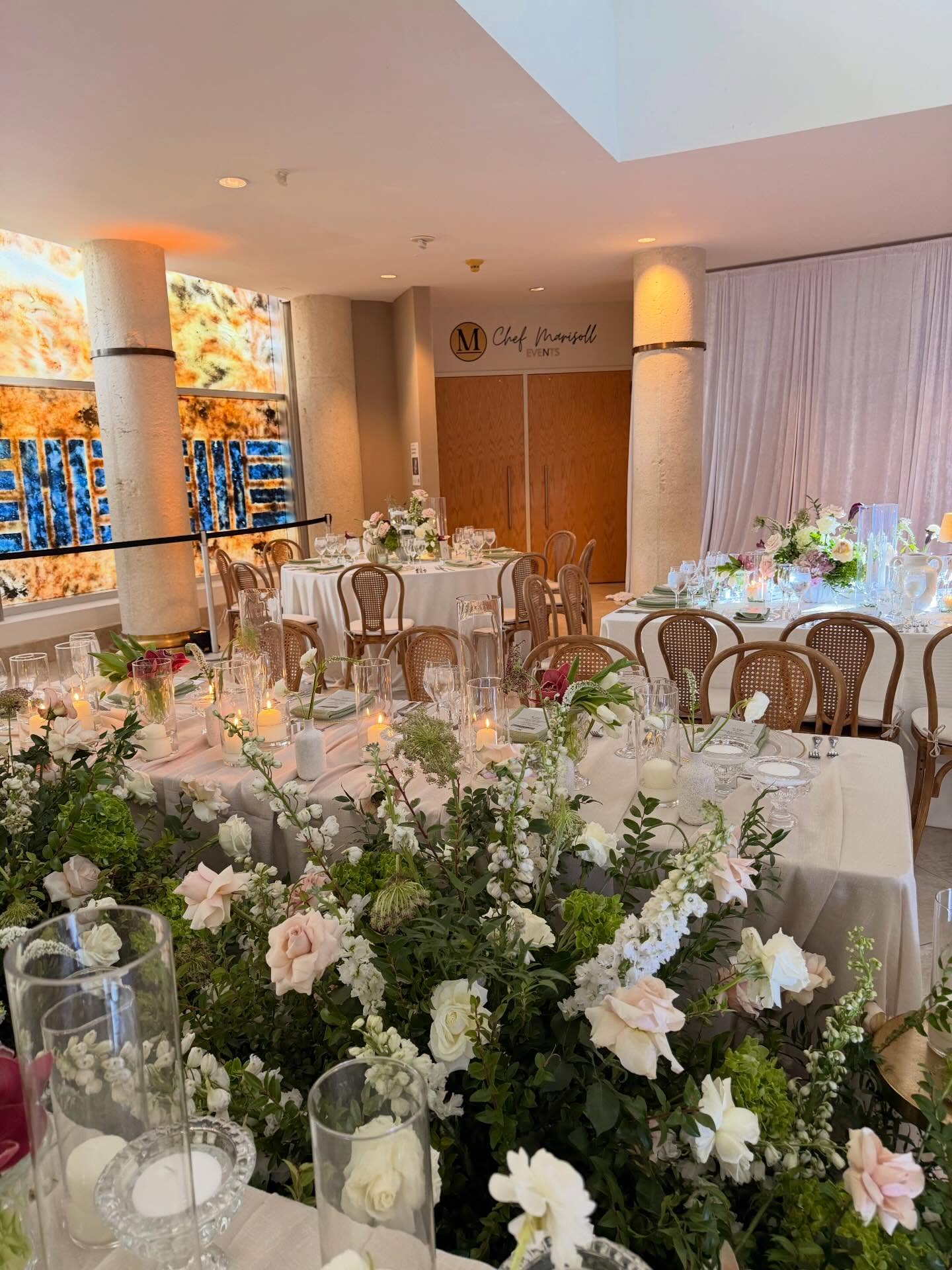
The moment dinner service begins, your wedding reception changes tempo. Guests settle in, the room either glides into a polished rhythm or shifts into a more social, energetic flow, and the meal starts shaping how the evening feels. That is why the buffet vs plated wedding reception decision is not simply about food service. It is about atmosphere, timing, guest comfort, and the kind of hospitality you want people to remember.
For some couples, a plated dinner feels like the natural expression of a formal celebration – elegant, composed, and beautifully paced. For others, a buffet creates the warmth and ease they want, especially when the guest list includes many families, varied appetites, or a more relaxed destination wedding crowd. Neither format is universally better. The right choice depends on the experience you want to host.
Buffet vs plated wedding reception: what changes for your guests?
Guests notice more than the menu. They notice how long they wait, how much movement there is in the room, whether the event feels intimate or lively, and how easy it is to enjoy the evening. Service style influences all of that.
A plated reception typically creates a more refined mood. Everyone is served in unison or close to it, which gives the evening a sense of orchestration. Toasts, speeches, and entertainment also tend to fit neatly around a plated meal because the timeline is easier to control. For black-tie weddings, artfully designed receptions, or events where visual elegance matters as much as the cuisine, plated service often supports the setting beautifully.
A buffet, by contrast, encourages movement and conversation. Guests rise, mingle, and choose what appeals to them. That can feel especially welcoming at multicultural weddings, larger family celebrations, or receptions where the couple wants the evening to feel generous and socially relaxed rather than highly structured. A buffet can also help guests with different preferences build a plate that feels right for them.
The distinction is subtle but meaningful. Plated service says, “Please enjoy this carefully composed experience.” Buffet service says, “Please make yourself comfortable and enjoy abundance.” Both can be luxurious when executed thoughtfully.
When plated service is the stronger choice
Plated dinners are often associated with formal weddings for good reason. They create a composed dining experience that feels elevated from the first course to the final bite. Each plate arrives with consistent presentation, portioning is controlled, and the table remains the center of the guest experience.
This format works especially well when design and ambiance are central to the celebration. If you have invested in exceptional florals, fine linens, candlelight, and a carefully curated reception space, plated service protects that visual elegance. Guests remain seated, the room looks orderly, and the event maintains a graceful pace.
Plated service also tends to serve a wedding timeline more efficiently when managed by an experienced catering team. Since meals are delivered directly to guests, there is less risk of long lines or congestion. That matters when the evening includes speeches, first dances, or entertainment planned with precision.
There are, however, trade-offs. A plated meal requires more advance decision-making. Couples often need to collect entrée selections before the event or limit the dinner to a smaller set of choices. If your guest list includes many dietary needs, strong preferences, or children with selective tastes, planning can become more detailed. Plated service also relies on strong floor coordination, so execution quality matters greatly.
When a buffet wedding reception makes more sense
A buffet can be an excellent choice when guest comfort and variety are high priorities. It allows people to choose their portions, skip what they do not want, and often sample a wider range of dishes. For weddings that celebrate family, cultural cuisine, or a spirit of abundance, buffet service can feel generous and inviting.
This format can be especially effective for larger receptions or destination weddings where guests may come with different expectations around dining. Some guests prefer lighter portions, while others appreciate the freedom to enjoy more of a favorite dish. A buffet accommodates both without making the experience feel limited.
Buffets also support menus with broader variety. If a couple wants to highlight Puerto Rican flavors alongside contemporary favorites, vegetarian offerings, and familiar options for out-of-town guests, a buffet gives the menu room to breathe. It can showcase the personality of the couple in a way that feels festive rather than rigid.
That said, buffet service is not automatically simpler. It requires thoughtful layout, attentive replenishment, and careful guest flow. Without proper planning, lines can form and tables may be released too slowly or too quickly. The most elegant buffets are those that feel well managed, beautifully presented, and never picked over.
Budget matters, but not in the way many couples think
Many couples begin the buffet vs plated wedding reception conversation with cost, assuming buffet is always the lower-priced option. Sometimes it is, but that is not a universal rule.
Plated service generally involves more staffing and more detailed service coordination. That can increase labor costs. At the same time, portion control is more precise, which may help manage food costs. Buffet service can reduce some serving demands, but it may require more total food to maintain a full and attractive display throughout dinner. Presentation, replenishment, and multiple menu options can also add to the investment.
What matters most is not which format appears less expensive at first glance, but which one delivers the best value for your priorities. If your vision depends on formal service and a highly choreographed evening, plated service may be worth the additional investment. If variety, flexibility, and a more relaxed social atmosphere matter more, a buffet may offer stronger value.
For premium weddings, the question is rarely just, “Which costs less?” It is, “Which experience reflects our celebration best?”
Style, space, and service should work together
Your venue and floor plan should help guide your choice. A ballroom or museum setting with a formal layout may naturally lend itself to plated service, where guests can remain immersed in the atmosphere without interrupting the visual flow of the room. A more open reception design, indoor-outdoor celebration, or venue with ample circulation space may support a buffet more comfortably.
Guest count is equally important. A plated dinner can feel efficient and polished for a large group because everyone is served in an organized pattern. A buffet can also work for a large guest count, but only when there is enough space and staffing to keep service moving smoothly. For very intimate weddings, either format can succeed – the decision becomes more about mood than logistics.
This is where a seasoned catering partner makes a real difference. Service style should never be chosen in isolation from the room, the timeline, and the guest profile. At Chef Marisoll Events, that conversation is often about designing the complete experience rather than selecting from a standard package.
How to choose between buffet and plated service
If you are torn, start by asking a more revealing question than “What do most weddings do?” Ask how you want the room to feel during dinner.
If you want a sense of ceremony, polished pacing, and a dining experience that feels quietly luxurious, plated service is often the stronger choice. If you want energy, movement, variety, and an atmosphere that invites guests to interact more freely, a buffet may be the better fit.
Then look at your guest list. Older guests, formal wedding parties, and receptions with many planned moments often benefit from plated service. Family-centered celebrations, culturally expressive menus, and mixed-age guest lists often feel very natural with a buffet.
Finally, think about what will make you feel most at ease. Some couples love the crisp elegance of a reception where every detail unfolds on cue. Others want their guests to linger, choose, chat, and enjoy dinner at a gentler pace. The right format is the one that supports your hospitality style, not someone else’s checklist.
There is no single answer to buffet vs plated wedding reception because great weddings are not built from formulas. They are shaped around people, place, and intention. When the service style aligns with the mood you want to create, dinner becomes more than a meal. It becomes part of the memory your guests carry home.