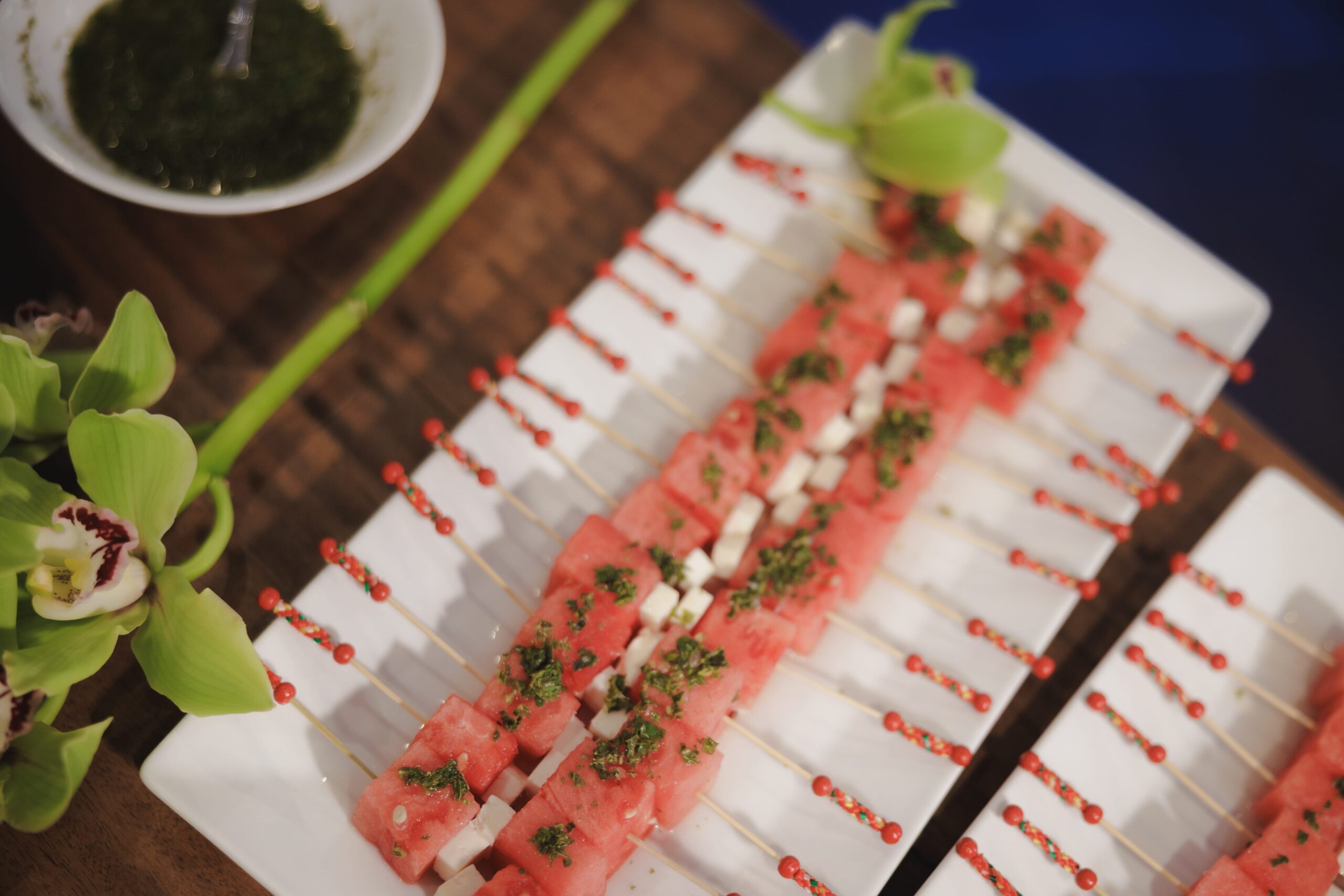
The first tray passes through the room, guests reach for a carefully composed bite, and the tone of the celebration is set before dinner is ever served. Knowing how many appetizers per guest to plan is what keeps that beautiful first impression from becoming an empty tray too soon – or an overabundance of food that distracts from the meal to come.
For refined weddings, corporate receptions, and private celebrations, appetizers are more than a practical offering. They create movement, encourage conversation, and introduce the culinary point of view of the event. The right quantity depends on the rhythm of the occasion, the time of day, the guest list, and whether the reception is meant to stand alone as a cocktail experience or lead gracefully into dinner.
How Many Appetizers Per Guest Should You Plan?
For a reception followed by a full dinner, plan six to eight appetizer pieces per guest. This amount gives guests a generous welcome without dulling their appetite for a plated meal, buffet, or chef-attended station experience.
If cocktails and appetizers are the main event, rather than a prelude to dinner, increase the allowance to 10 to 14 pieces per guest for a two-hour reception. For an event extending beyond two hours, plan an additional two to four pieces per person for each hour, particularly if drinks are being served and the event takes place during a typical mealtime.
These numbers are a polished starting point, not a substitute for thoughtful menu planning. A petite tuna tartare cone, for example, is enjoyed differently from a rich miniature crab cake or a warm empanada. A menu of delicate passed canapés may require a slightly higher count than one with more substantial bites and a grazing display. The goal is not simply to meet a number. It is to ensure guests feel cared for at every stage of the celebration.
Start With the Event Format
The event schedule is the clearest guide to portion planning. A late-afternoon wedding ceremony followed by cocktails and a formal dinner has different needs from a sunset engagement celebration where passed hors d’oeuvres are the centerpiece of the evening.
Cocktails before a seated dinner
For a 60- to 90-minute cocktail hour before dinner, six to eight pieces per guest is usually ideal. Offer a balance of lighter, fresh selections and one or two warm, more indulgent bites. Guests can enjoy a glass of champagne, connect with one another, and settle into the atmosphere without arriving at dinner overly full.
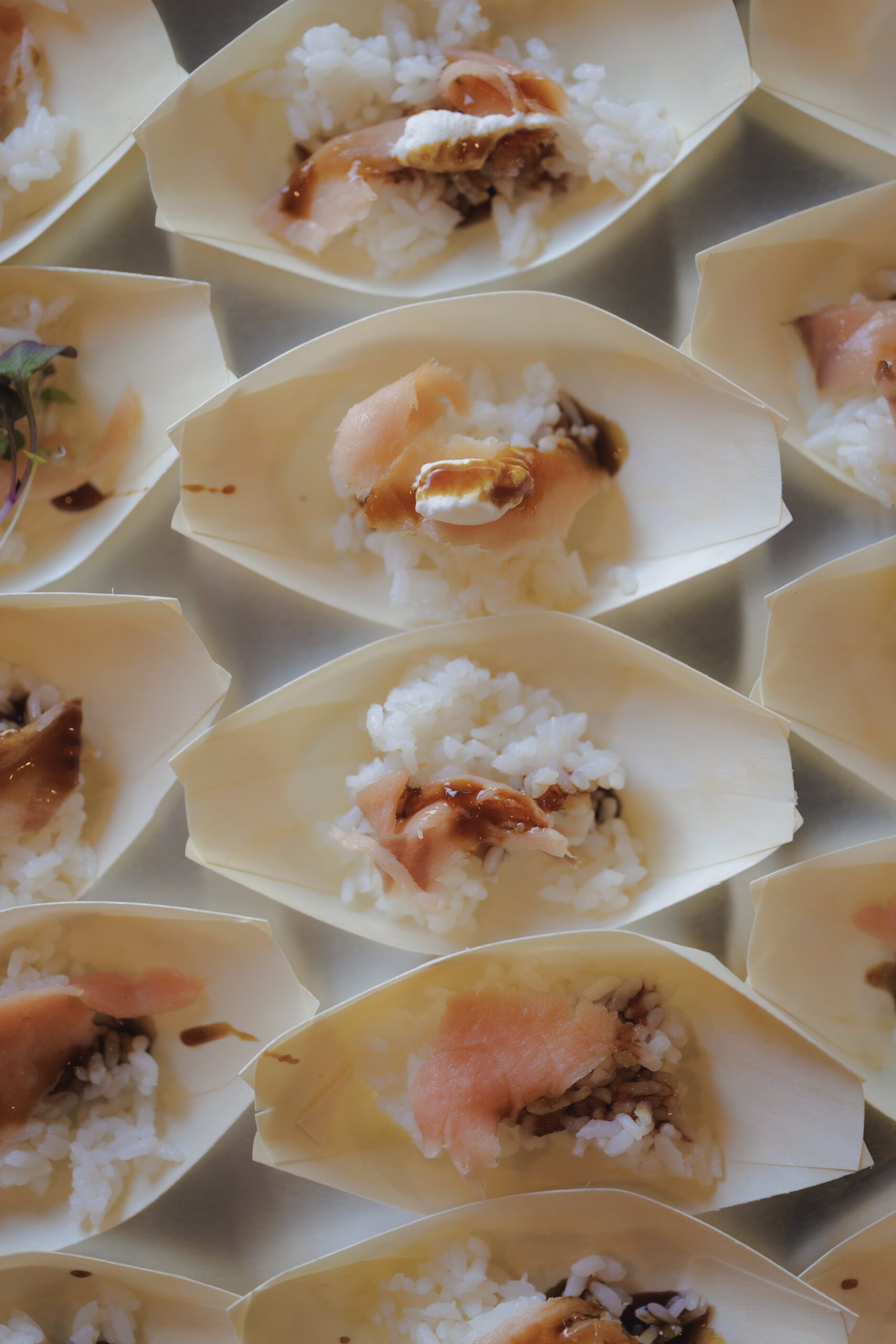
This format benefits from intentional pacing. Rather than placing every selection out at once, a skilled service team introduces trays in waves. A crisp vegetable bite or seafood canapé may appear first, followed by a warm savory option, then a final distinctive chef-crafted selection. The service feels abundant because it is considered, not because everything is presented at once.
A cocktail-style reception
When there is no formal dinner, 10 to 14 pieces per guest is the appropriate foundation for a two-hour event. The menu should also have more range. Include several passed selections alongside at least one substantial element, such as a carved specialty, an elevated food station, or artfully presented small plates.
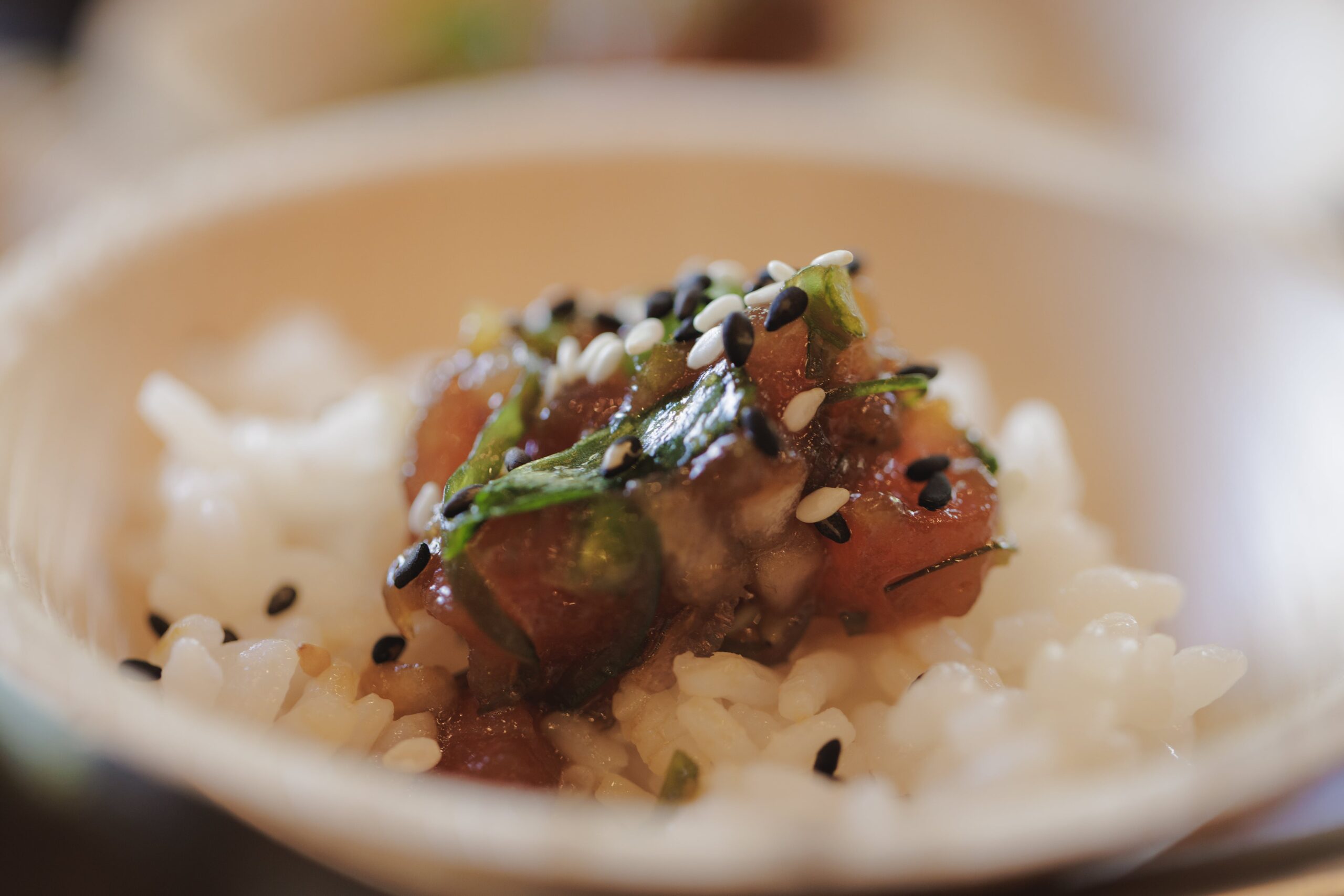
A cocktail reception can feel complete and luxurious, but guests need enough variety to create a satisfying meal from small portions. Think in terms of contrast: seafood and land-based options, warm and chilled preparations, familiar comforts and more unexpected chef-driven flavors. In Puerto Rico, this may be an elegant opportunity to weave local ingredients and culinary heritage into a modern presentation.
A reception that spans a meal period
A 5:30 p.m. reception will naturally generate stronger appetites than a 2:00 p.m. gathering. Likewise, an evening corporate event after a full workday may call for more substantial offerings, even when the invitation describes the event as cocktails.
For these occasions, plan 12 to 16 pieces per guest, or pair a slightly smaller passed-appetizer count with food stations designed to provide real sustenance. A guest should never be left wondering whether food will arrive. Generosity is one of the quietest and most meaningful forms of hospitality.
Consider the Size and Substance of Each Bite
Not all appetizers carry the same weight. A single-bite canapé is meant to be light, while a small lobster roll, mini mofongo portion, or braised short rib tostada can be closer to a course in its own right. This is why counting pieces without considering composition can lead to a menu that looks plentiful on paper but feels incomplete in the room.
As a general principle, lighter bites can make up the larger share of the count, while richer selections should be more limited and strategically timed. A menu might begin with a refreshing citrus-cured seafood bite, move into a warm pastry or croquette, and finish with a more substantial savory presentation. The sequence provides a sense of progression while keeping guests engaged.
If the reception includes a grazing table, raw bar, or charcuterie display, it can reduce the number of passed pieces needed. However, displays should complement the overall service rather than be treated as an invisible substitute for adequate food. Guests gather around stations at different rates, and some will not approach them at all. Passed appetizers ensure that hospitality reaches every corner of the room.
Build Variety Without Overcomplicating the Menu
For most upscale events, four to six appetizer varieties provide enough choice while preserving a focused culinary identity. Too few options can feel repetitive, especially during a longer reception. Too many can make the menu feel scattered and make it harder for guests to recognize the care behind each selection.
A thoughtful assortment typically includes a vegetarian option, a seafood selection, and a savory meat or poultry bite. It should also account for dietary needs with the same elegance given to every other dish. A gluten-free or plant-forward appetizer should feel like a desirable creation in its own right, not an afterthought offered only upon request.
For a group of 100 guests during a cocktail hour before dinner, six varieties can work beautifully. At six to eight pieces per guest, that means planning approximately 600 to 800 total pieces. The precise distribution does not have to be perfectly even. A universally appealing warm bite may warrant a larger quantity, while a more distinctive flavor can be offered in a smaller count as part of the culinary experience.
Guest Count Is Not the Whole Story
A guest list provides the baseline, but the character of the group informs the final recommendation. A lively destination wedding crowd that has traveled all day may enjoy more appetizers than a short weekday gallery reception. An executive audience at a formal awards program may eat less during mingling, while a relaxed birthday celebration with music and cocktails may continue grazing for hours.
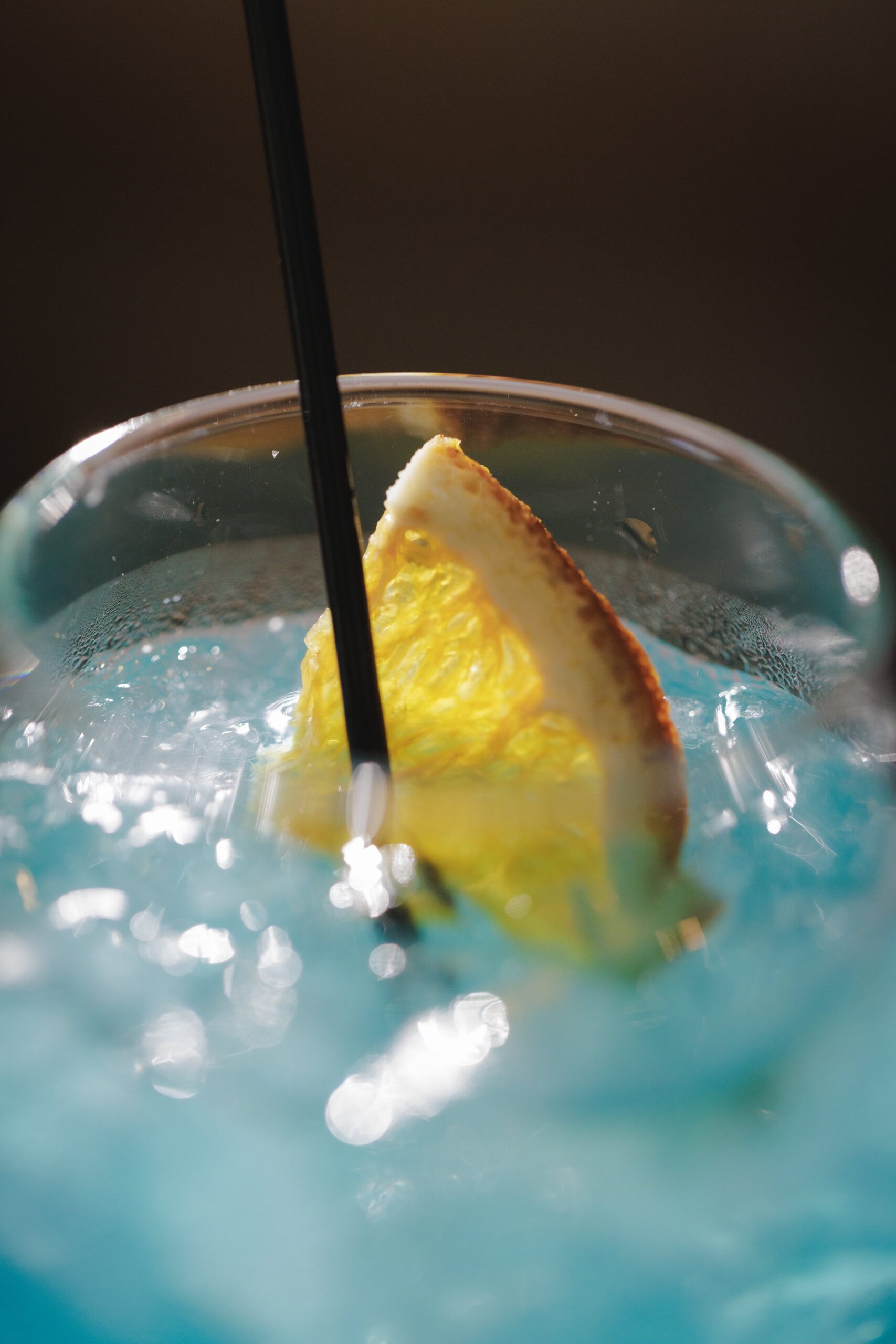
Alcohol also changes the equation. When signature cocktails, wine, or spirits are central to the reception, generous food service matters. Appetizers slow the pace of drinking, help guests remain comfortable, and sustain the polished mood you have worked hard to create.
It is also wise to build in a modest cushion for a guest list with many younger adults, active dancers, or attendees arriving directly from travel. In these cases, planning toward the higher end of the range is often the more gracious choice. A small additional investment in food can protect the entire guest experience.
The Timing of Service Matters as Much as the Count
Even a perfectly calculated quantity can feel insufficient if it is served too quickly. Appetizer service should follow the energy of the event. During the first 15 minutes, guests may be greeting family, checking in, or finding a drink. Once the room begins to relax, trays can circulate with greater frequency.
For a one-hour cocktail period, distribute the appetizers steadily rather than sending most of them out in the first half. Hold a meaningful portion for the final 15 minutes, when guests may have finished their first drink and are awaiting the transition to dinner. This careful pacing creates continuity and prevents the familiar lull that can occur just before the next event moment.
Presentation matters here, too. Passing trays with confidence, offering a brief description when appropriate, and replenishing displays with discretion all contribute to an experience that feels effortless to the guest. Behind that ease is meticulous coordination.
A More Elegant Way to Make the Final Decision
Begin with your event duration and whether dinner follows. Then consider the time of day, the heartiness of your selected bites, the presence of stations or displays, and the expectations of your guests. From there, your culinary team can shape a recommendation that feels natural to the occasion rather than formulaic.
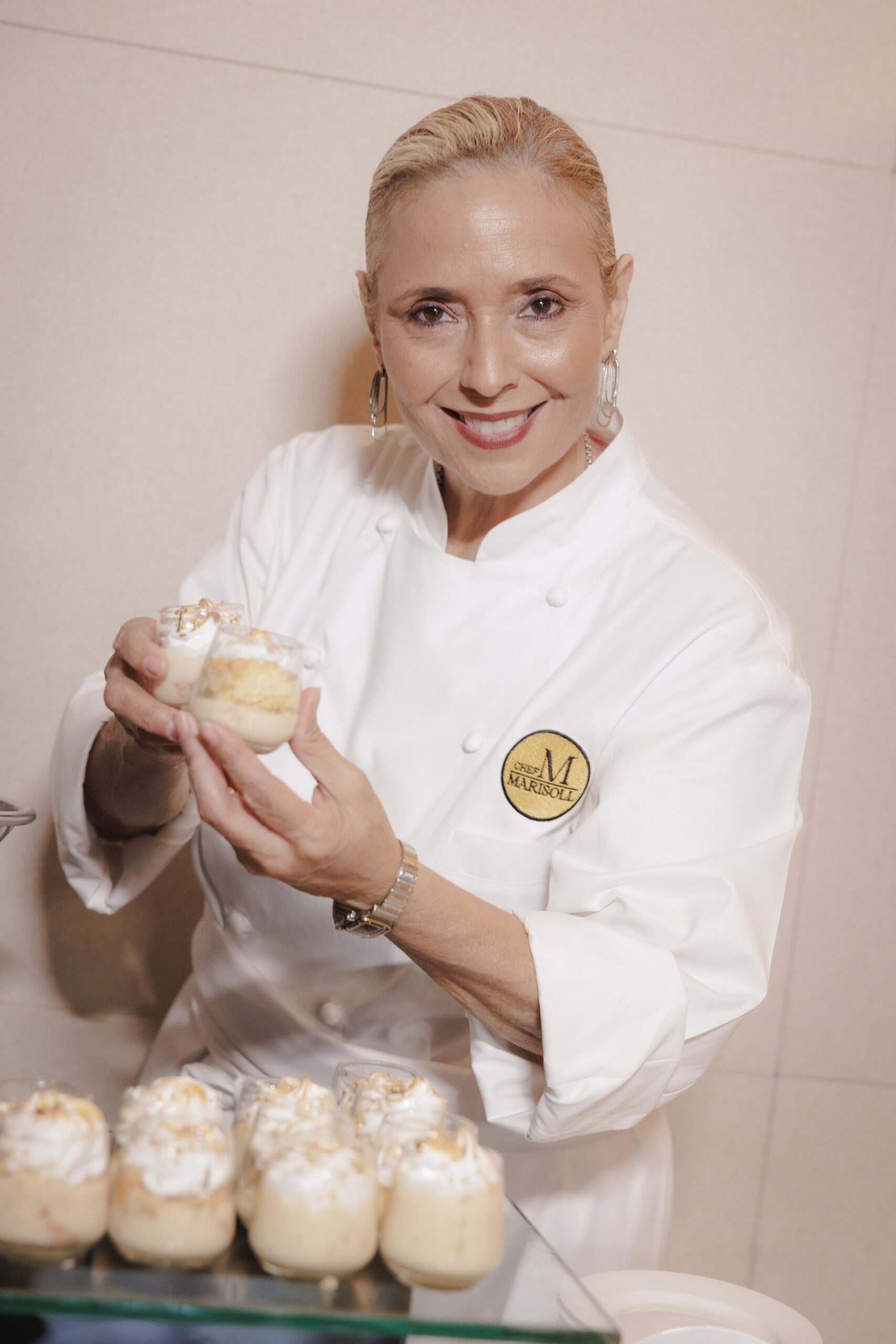
At Chef Marisoll Events, menu planning is approached as part of the event design itself. The quantity, style, and sequence of each appetizer should support the setting, the service format, and the story you want guests to remember. A reception in an art-filled private hall may call for elegant passed canapés and champagne; a beachfront celebration may invite brighter island flavors and more generous cocktail fare.
The most memorable receptions rarely feel overplanned. Guests simply notice that the food arrives at the right moment, every bite feels intentional, and the evening carries them beautifully from one experience to the next.