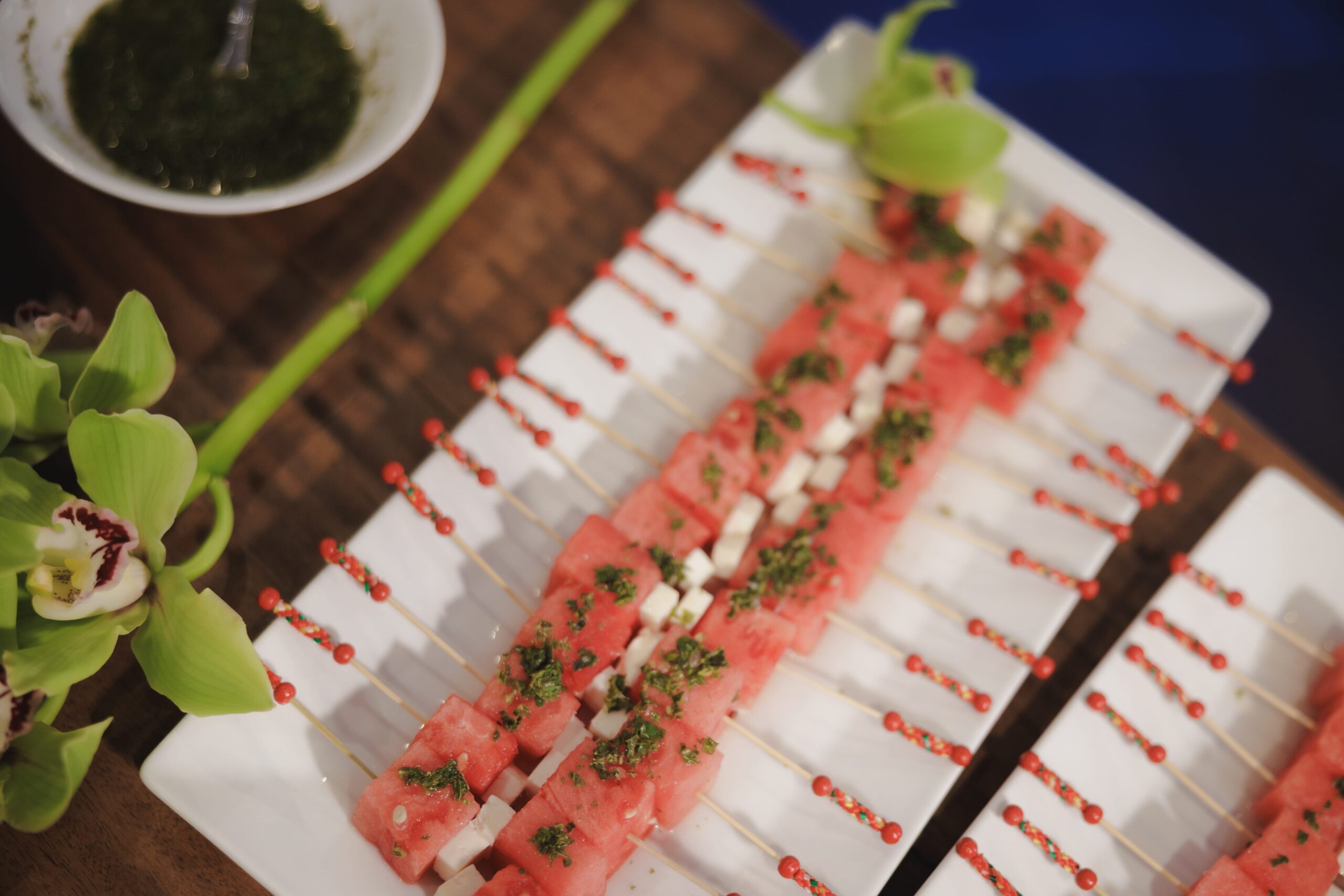
The most memorable moment of a destination wedding is often not the first toast or the final song. It is the moment guests sit down after a day of ocean air, warm embraces, and celebration, then realize that the meal before them feels unmistakably connected to the place they have traveled to experience. This guide to destination wedding dining is designed for couples who want that feeling to be intentional – elegant enough for a milestone occasion, personal enough to reflect their story, and effortless for every guest at the table.
Begin With the Guest Experience
Destination wedding dining begins long before the first course is served. Your guests may be arriving from different climates, navigating unfamiliar travel schedules, or adjusting to a new time zone. A thoughtful culinary plan acknowledges those realities with hospitality that feels generous rather than overly formal.
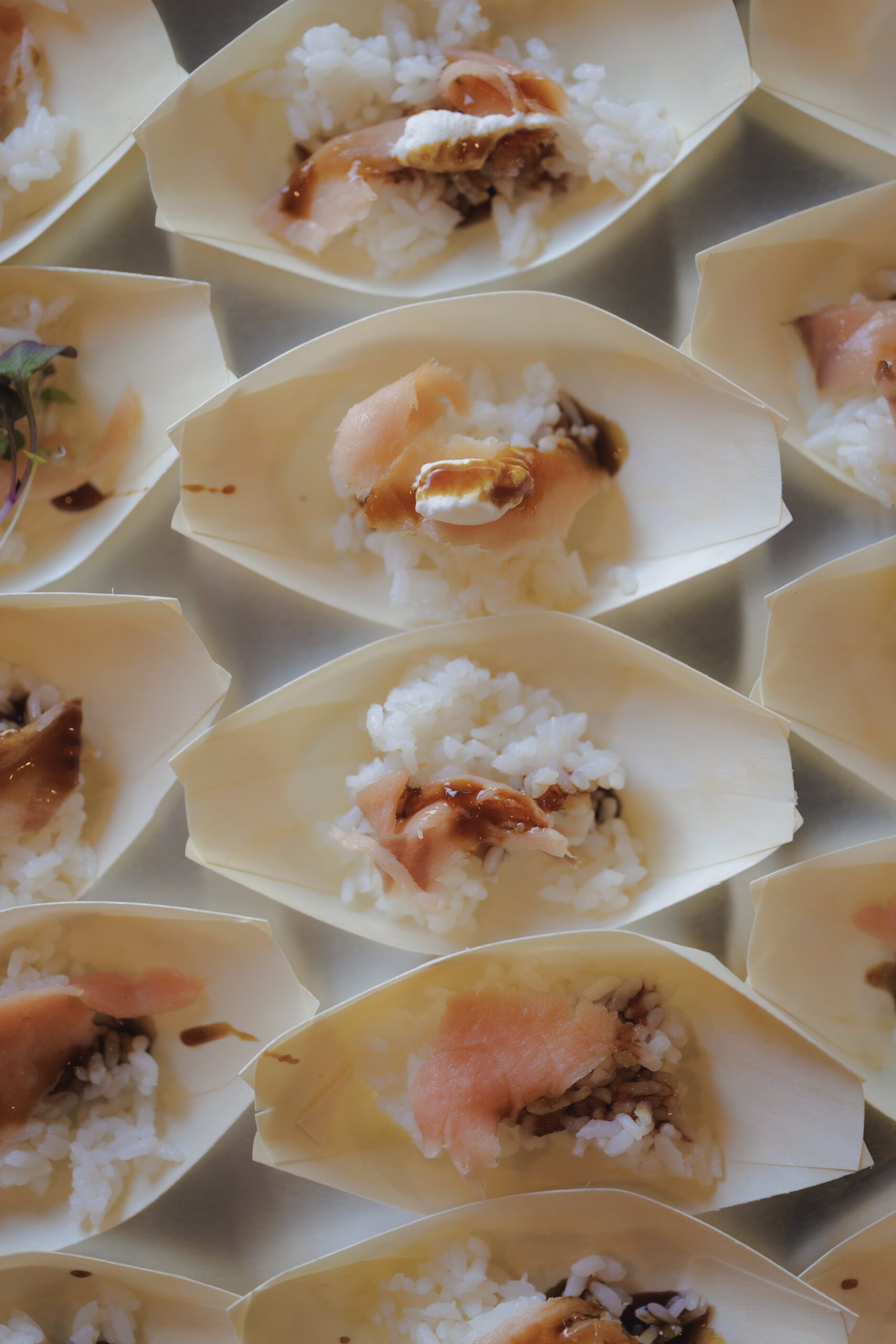
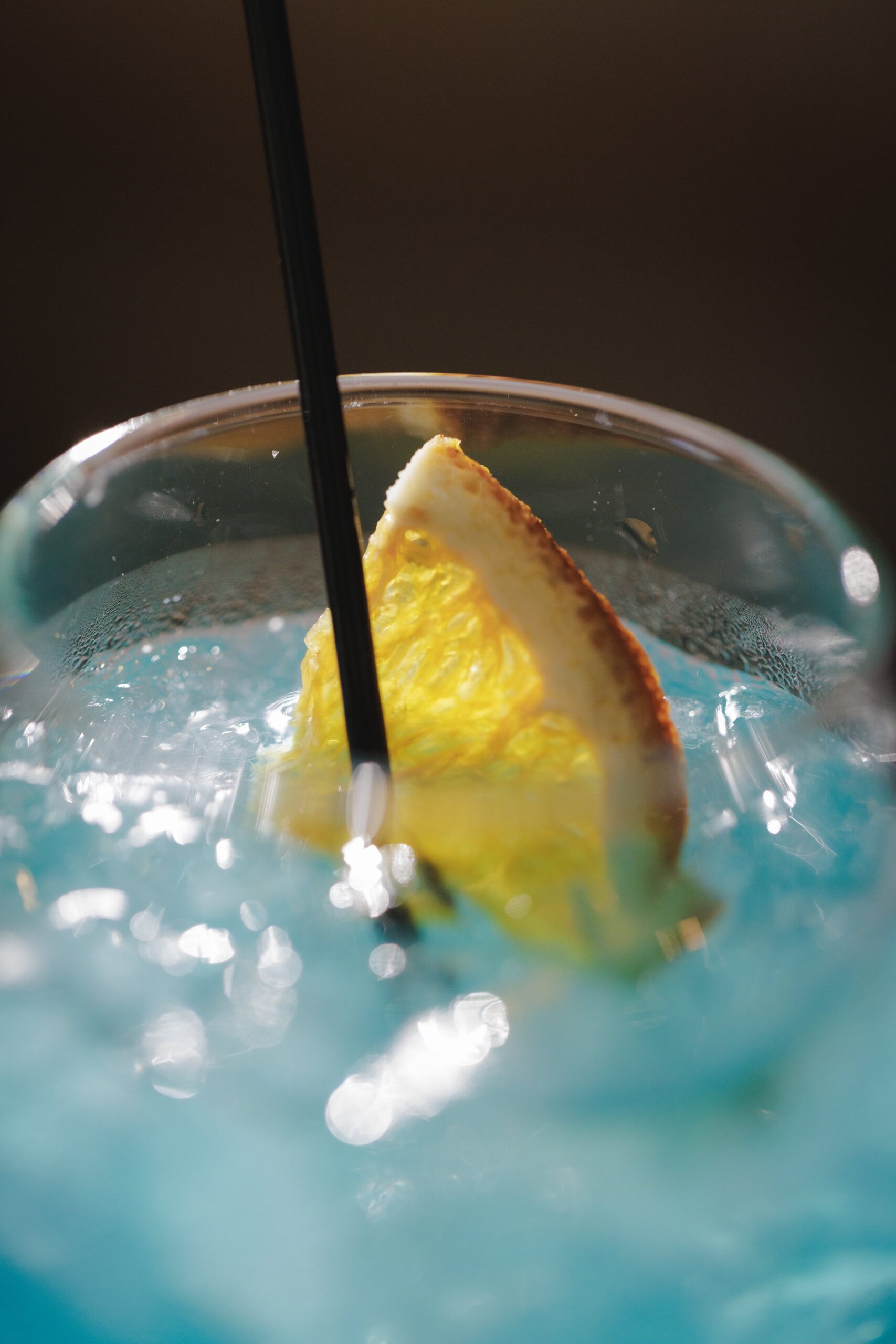
For a Puerto Rico celebration, consider the rhythm of the full wedding weekend. A welcome cocktail gathering can offer a polished introduction to the island through passed hors d’oeuvres, tropical fruit, and refreshing signature cocktails. The wedding reception can then build on that first impression with a more elaborate dining experience. A farewell brunch the next morning offers one last occasion for guests to gather before departure.
Not every event needs a full-scale menu, but each one should feel considered. The goal is continuity: guests should sense that every meal is part of the same beautifully hosted celebration, not a series of disconnected arrangements.
Let the Destination Shape the Menu
A destination should influence the menu without becoming a costume. Couples often come to Puerto Rico hoping to share its warmth, flavor, and cultural richness with friends and family. The most successful menus honor that desire through refined interpretation rather than relying on familiar clichés.
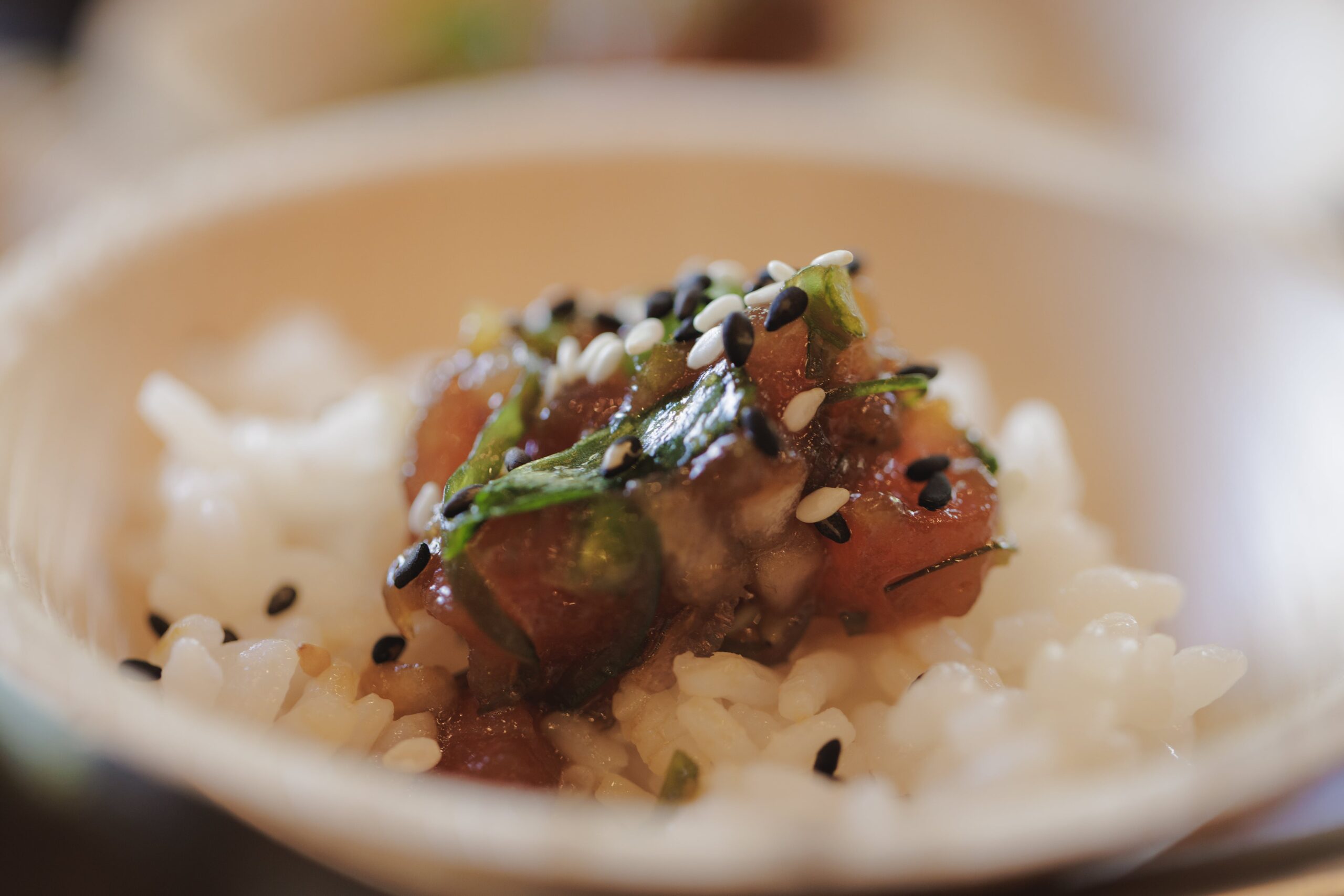
Local ingredients can bring depth and meaning to a wedding meal. Plantains, fresh seafood, tropical fruits, aromatic herbs, and Puerto Rican coffee each offer a natural starting point. A chef-led menu may pair a beautifully prepared local fish with seasonal accompaniments, present a classic flavor in an unexpected cocktail-hour bite, or incorporate island-grown ingredients into a sophisticated dessert.
This approach also gives the menu a sense of place that guests can remember long after the wedding. They are not simply enjoying an excellent dinner. They are experiencing Puerto Rico through a meal crafted for the occasion.
There is room for balance, especially when your guest list includes travelers with varied palates. A menu does not need to be entirely regional to feel authentic. A well-designed dinner might feature Puerto Rican touches alongside timeless dishes that offer familiarity and broad appeal. The right balance depends on the couple, the venue, the season, and the confidence of the culinary team preparing the meal.
Consider the Climate When Choosing Courses
In a tropical setting, menu choices should feel appropriate to the temperature and time of day. Rich, heavy dishes can be beautiful for an evening reception in an air-conditioned ballroom, while an open-air terrace may call for brighter flavors, lighter presentations, and courses that hold well in warm conditions.
Cocktail hour is particularly important. Guests may have spent time outdoors for the ceremony, so chilled beverages, refreshing passed bites, and attentive service can make the transition into the reception feel gracious. For seated dinners, a composed menu with thoughtful pacing is often more comfortable than an overly abundant selection of heavy courses.
Choose a Service Style That Matches the Celebration
The dining format shapes the energy of the room. It affects how guests move, how long the meal takes, and whether the reception feels intimate, lively, ceremonial, or relaxed. There is no single best choice. The most fitting service style is the one that supports the atmosphere you want to create.
A plated dinner remains a natural choice for formal destination weddings. It creates a composed, elegant rhythm and gives every guest the same carefully presented experience. Plated service is especially well suited to celebrations where speeches, toasts, and a polished reception timeline are central to the evening.
Food stations can feel equally elevated when designed with intention. They encourage conversation and allow guests to experience several distinct flavors, making them an excellent option for a more social, celebratory reception. Rather than treating stations as a casual alternative, consider them an opportunity for culinary theater: a chef-attended carving station, an artful seafood display, or a regional specialty presented with refined detail.
Buffet service offers flexibility for larger guest counts and can be beautifully executed with elegant presentation and attentive attendants. It is often ideal when couples want variety, particularly for multigenerational groups with different preferences. The key is planning the flow carefully so guests are not waiting in long lines or missing meaningful moments of the reception.
A hybrid format can offer the best of both worlds. Passed appetizers and chef stations during cocktail hour, followed by a plated entrée or a family-style shared meal, can create a reception that feels generous while preserving a sense of occasion.
Build a Menu Around Meaning, Not Trends
Wedding menus should feel current, but they do not need to chase every passing trend. The most elegant choices often come from a couple’s own memories: a favorite restaurant meal, a family recipe, a dish from an early trip together, or a flavor that reminds them of home.
Share those details with your chef. A skilled culinary partner can translate a personal reference into a menu that is suitable for a large-scale event, visually refined, and aligned with the destination. Perhaps a beloved dessert becomes a miniature late-night sweet, or a family-style Sunday dish inspires a cocktail-hour presentation. These details give guests something genuine to discover.
Seasonality matters as well. Selecting ingredients that are at their best during your wedding month supports flavor, freshness, and a more thoughtful sense of place. It can also help a chef create a menu that feels cohesive rather than forced.
Plan for Dietary Needs With Grace
Destination weddings bring together guests with different dietary preferences, allergies, and cultural considerations. Addressing those needs should never make anyone feel like an afterthought. A vegetarian entrée, gluten-conscious selection, or allergy-aware preparation can be every bit as elegant and satisfying as the main menu.
Gather dietary information with your RSVP process, then provide it clearly to your caterer well before the event. Avoid trying to solve every request on the wedding day. Advance planning allows the culinary and service teams to prepare appropriate alternatives, communicate with guests discreetly, and maintain the quality of the overall dining experience.
For couples planning a menu with shellfish, nuts, dairy, or other common allergens, service coordination is essential. Beautiful hospitality includes the confidence that each guest will be cared for with precision.
Design the Timing, Not Just the Meal
A spectacular menu can lose its impact if the timeline feels rushed or disjointed. Destination weddings often involve transportation, photography in changing light, outdoor ceremonies, and guests who may be unfamiliar with the property. Dining should be planned around those realities.
Allow enough time after the ceremony for guests to refresh and enjoy cocktail hour without wondering when dinner will begin. If sunset portraits are part of your plan, make sure the couple has a private plate or a thoughtful service plan so they do not miss the menu they selected so carefully.
Late-night service deserves consideration, especially for receptions with dancing. A curated offering of comforting, easy-to-enjoy bites can revive the room and leave guests with a final delicious memory. It need not be extravagant. It simply needs to feel purposeful and beautifully presented.
Pair the Setting With the Right Details
The setting informs the dining experience as much as the menu. An intimate private hall invites a different approach than a beachfront reception or a lush garden celebration. At an art-centered venue such as the Puerto Rico Museum of Art, for example, refined tablescapes, composed courses, and thoughtful service can complement the cultural character of the space.
Lighting, linens, tableware, florals, and the pace of service should work together. Food is central, but it is never experienced in isolation. The elegance of a plated course is heightened by the setting in which it arrives and the care with which it is served.
Work With a Culinary Partner Early
For a destination wedding, your caterer is more than a menu provider. They are a hospitality partner who can help anticipate the details that are harder to manage from afar: venue logistics, staffing, service timing, local sourcing, weather considerations, and guest flow.
Begin the conversation with your priorities rather than a fixed list of dishes. Describe the feeling you want guests to carry home. Is the reception intimate and candlelit? Is it vibrant and celebratory, with guests sampling flavors throughout the evening? Are you introducing Puerto Rico to loved ones for the first time? Those answers create a stronger foundation than a standard package ever could.
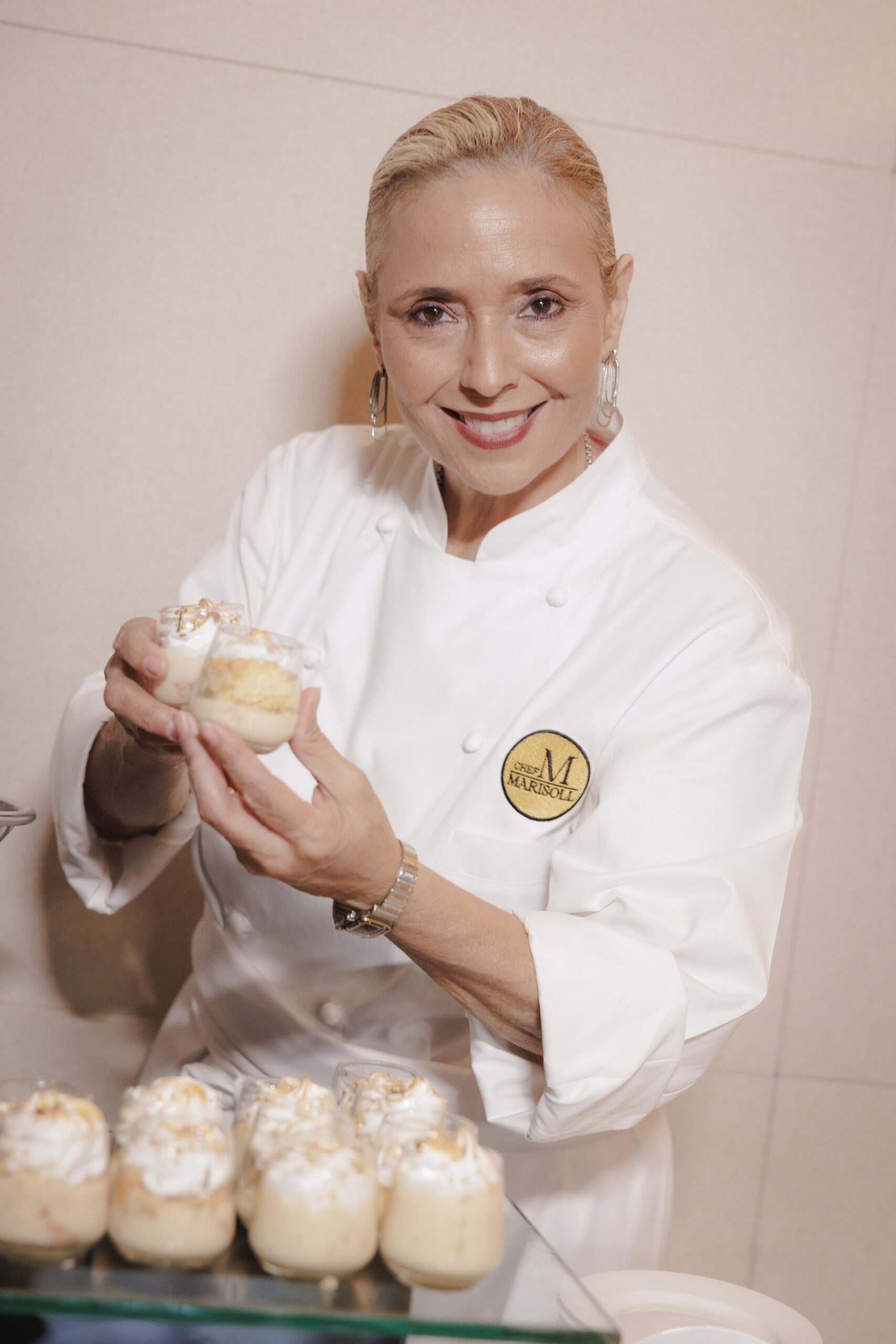
Chef Marisoll Events approaches this process through personalized menu design, elevated presentation, and the kind of attentive service that lets couples remain present for their own celebration. When culinary artistry and operational experience come together, the result is a meal that feels effortless to guests because every detail has been considered behind the scenes.
Your wedding dinner is one of the few moments when every person you love pauses to share the same experience. Give that moment the time, care, and sense of place it deserves – then let the evening unfold around a table that feels entirely your own.