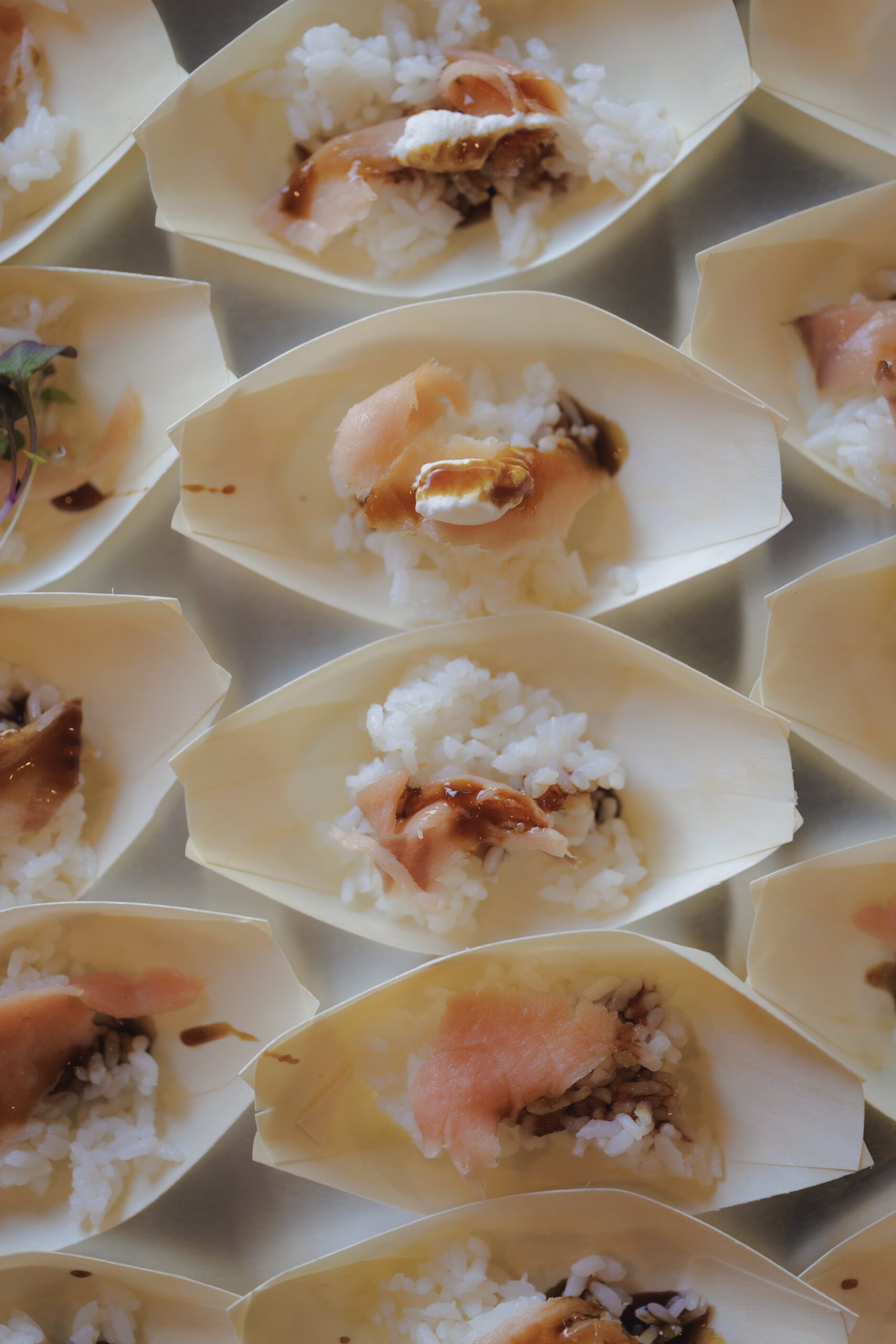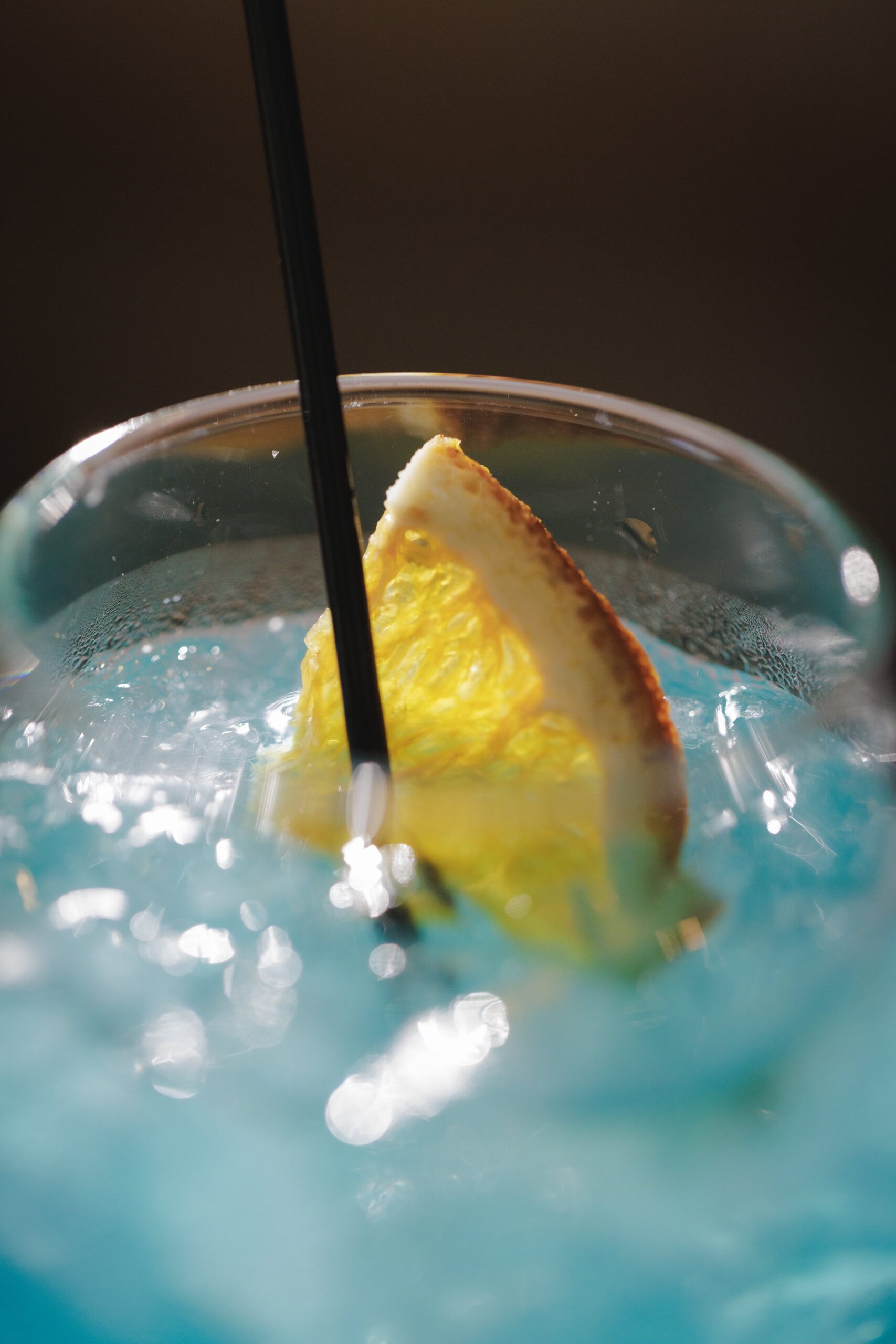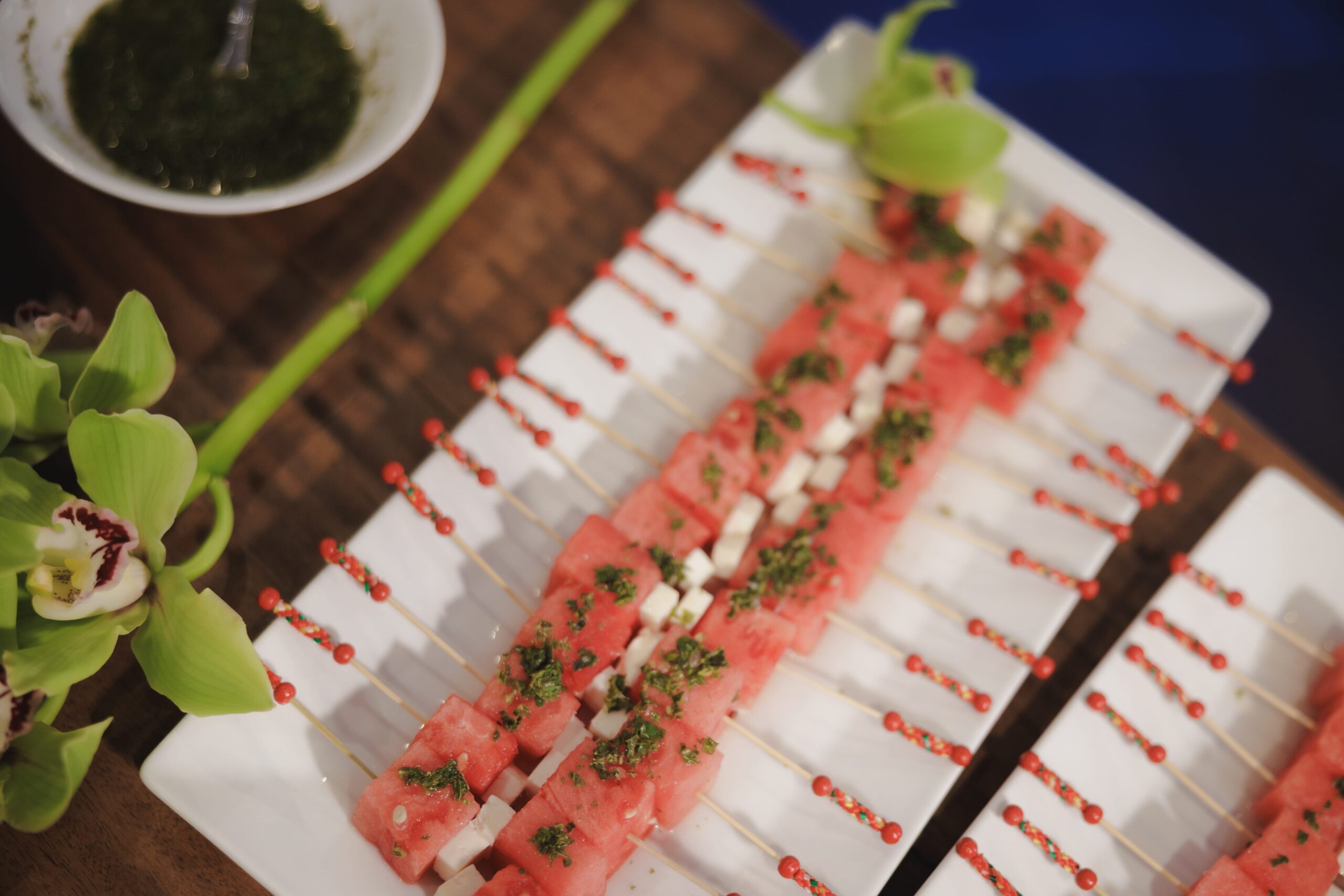
A gala is remembered in flashes: the first candlelit view of the room, a beautifully composed plate placed before each guest, the ease of conversation when every detail has been anticipated. Elegant gala dinner catering gives those moments their structure. It is not simply a meal served to a large group. It is a carefully paced culinary experience that expresses the purpose, personality, and prestige of the occasion.
For a philanthropic benefit, corporate awards dinner, museum celebration, or private milestone, the food must feel worthy of the room without competing with it. That balance is where thoughtful planning and chef-led hospitality make the difference.
Begin With the Feeling You Want Guests to Carry Home
The most successful gala menus begin before a single ingredient is selected. First comes the emotional direction of the evening. Is the gathering designed to feel grand and ceremonial, intimate and artful, distinctly Puerto Rican, or internationally polished with local touches? A clear answer informs every decision, from the welcome cocktail to the final petite dessert.
Consider the guest journey as a whole. A black-tie awards program with a tight run of show calls for refined courses that arrive promptly and can be enjoyed gracefully at the table. A cultural benefit with a more social atmosphere may invite a cocktail reception, passed hors d’oeuvres, and elegant stations before a seated dinner. Neither format is inherently more luxurious. The right choice depends on the rhythm of the event and the way guests are meant to connect.
Color, florals, lighting, music, and cuisine should feel as though they belong to the same story. A menu with bright Caribbean accents can bring warmth to a contemporary white-and-gold setting. Richer, more classic preparations may suit a formal ballroom or historic venue. The goal is cohesion, not excess.
What Elegant Gala Dinner Catering Requires
At a gala, presentation and service carry the same importance as flavor. Guests may never see the detailed coordination behind the scenes, but they notice when the evening moves effortlessly. Water is refreshed quietly, dietary requests are honored with discretion, and each course reaches the room at the proper temperature and moment.
That precision begins with a menu designed for the realities of service. A dish that is extraordinary for eight guests may not retain its intended texture across 180 place settings. Experienced gala catering considers how each plate will travel from kitchen to table, how long it will hold, and how it will complement the evening’s timing. This is not a limitation on creativity. It is the discipline that allows creativity to arrive beautifully.
A plated dinner often provides the strongest sense of ceremony. It creates a shared pause in the program and gives each guest an individual expression of the menu. For galas where networking is central, sophisticated food stations or a composed buffet can encourage movement and conversation. A hybrid format can be equally compelling: an elevated cocktail hour followed by a plated main course and a dessert display that invites guests to linger.
A Menu Should Be Distinctive, Not Difficult
Luxury is often mistaken for complication. In reality, a memorable gala menu is confident enough to let exceptional ingredients, careful technique, and thoughtful contrast speak clearly. The best dishes offer familiarity with a point of view.
In Puerto Rico, that point of view can be especially meaningful. Local flavors, seasonal produce, and the island’s culinary heritage can be woven into a formal menu with restraint and imagination. A refined interpretation of a beloved ingredient or a cocktail that nods to the island’s warmth gives destination guests a true sense of place. For local guests, it can feel celebratory rather than expected.
The menu also needs to welcome a varied room. Corporate guests may include international travelers. A fundraising gala may bring together different generations, dietary needs, and levels of culinary adventurousness. Offering considered vegetarian, vegan, gluten-conscious, and allergy-aware selections is part of gracious hosting. These dishes should feel fully designed, never like an afterthought delivered in a different style.
Seasonality matters as well. A lighter menu may be ideal for an outdoor evening or a warm-weather reception, while a more layered, comforting progression can suit an indoor winter celebration. The occasion, venue, guest list, and schedule should guide the menu more than trend-driven ideas.
Service Is Part of the Design
A gala dinner has a tempo. There is the arrival, the first toast, the height of the program, and the moment when guests finally relax into the celebration. Culinary service should support that tempo with calm, polished confidence.
Before the event, this means aligning the catering plan with speeches, entertainment, awards, auctions, and photography. A long speech should not begin just as a delicate entrée is served. A dessert course should not be rushed because the program ran late. Small decisions made during planning protect the guest experience when the room is full and the stakes are high.
During dinner, the service team becomes nearly invisible in the best possible way. Their attentiveness allows hosts to focus on their guests rather than logistics. This is particularly valuable for executive hosts, gala committees, and families celebrating a major milestone. They should be present in the room, not managing details from the sidelines.
Let the Venue Shape the Experience
The setting should influence the menu and service plan, rather than functioning as a backdrop alone. A museum event, for example, offers a natural sense of occasion. Art, architecture, and guest flow can inspire a reception designed with visual restraint, elegant stations positioned for conversation, and courses that feel at home in the space.
Chef Marisoll Events offers an exclusive private hall at the Puerto Rico Museum of Art, a setting that brings cultural depth to a formal dinner. In a venue with that level of character, the catering should complement the environment through refined presentation and considered hospitality, not overwhelm it with unnecessary spectacle.
Venue logistics are equally essential. Kitchen access, loading requirements, electrical capacity, table placement, weather contingencies, and the distance between preparation areas and dining tables all affect service. An experienced catering partner evaluates these details early, especially for estate events, destination celebrations, and nontraditional venues. The result is greater freedom for the host and fewer compromises on the night itself.
Make the Cocktail Hour Earn Its Place
The reception is more than a waiting period before dinner. It sets the standard for the evening and gives guests their first taste of the host’s point of view. Passed bites should be polished enough for formal attire and substantial enough to make the transition into dinner comfortable. Signature cocktails can echo the menu or event palette, while nonalcoholic selections deserve the same care and visual appeal.
This is also the right time for a little surprise. It might be a live finishing moment, an unexpected local ingredient, or a beautifully presented tasting designed around the event’s theme. The key is restraint. One distinctive element is more memorable than a room full of competing gestures.
Questions Worth Asking Before You Select a Caterer
A polished proposal is useful, but the planning conversation reveals even more. Ask how the team manages service for your anticipated guest count, how they address dietary accommodations, and how they coordinate with planners and venues. Discuss the desired pacing of the evening, not merely the menu itself.
It is wise to ask what can be customized and what should remain consistent for quality control. Bespoke catering does not mean every idea is automatically the best choice. A trusted culinary partner will explain the trade-offs honestly, recommend formats that suit your event, and protect the standard of service from the first tasting through the final farewell.
Also look for an approach that feels personal. The most elegant dinner is not the one with the most elaborate description. It is the one in which guests recognize the host’s generosity, values, and sense of occasion in every thoughtful detail.
A gala asks guests to give their time, attention, and celebration to a meaningful evening. Give them an experience that honors that gesture: beautifully prepared food, gracious service, and a table where the conversation feels just as memorable as the final course.