A beautifully set table should never leave a guest wondering whether there is something they can safely enjoy. So, can catered menus handle dietary restrictions? With early communication, thoughtful culinary design, and disciplined service practices, they can. More than that, a well-planned menu can make every guest feel considered without turning an elegant celebration into a series of compromises.
For weddings, executive dinners, and destination celebrations in Puerto Rico, dietary needs are often part of the guest list. One guest may be vegetarian, another dairy-free, and another managing a serious food allergy. The goal is not simply to provide an alternative plate. It is to create a dining experience that feels just as intentional, generous, and beautifully presented as every other course.
Can Catered Menus Handle Dietary Restrictions Gracefully?
Yes, but the quality of the experience depends on the caterer’s planning process. A menu that is adjusted at the last minute can feel separate from the event. A menu designed with guest needs in mind from the beginning can feel cohesive, abundant, and entirely at home in the occasion.
The most successful approach begins with a clear guest count and an accurate understanding of each request. Dietary preferences and medical restrictions should not be treated as the same thing. A guest choosing a plant-forward meal has different needs than a guest with celiac disease, a severe shellfish allergy, or an ingredient-related medical condition. That distinction helps the culinary and service teams plan responsibly.
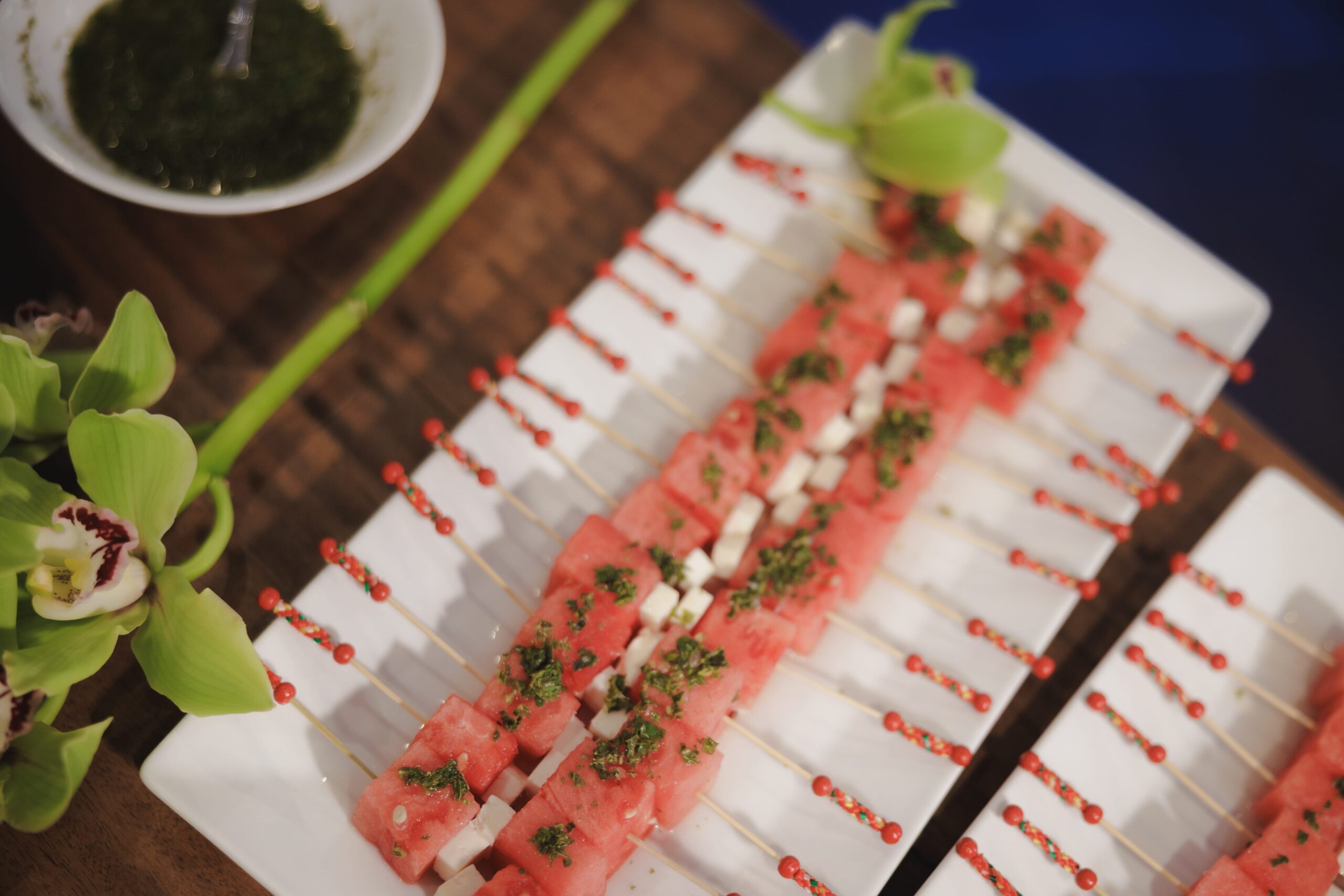
At a premium event, the answer is rarely a plainly prepared substitute brought out without ceremony. A vegetarian entrée can be a vibrant composition of seasonal produce, grains, herbs, and local flavor. A dairy-free dessert can still offer elegance, texture, and a polished finish. When each option receives the same creative attention as the main menu, guests experience hospitality rather than accommodation.
Begin the Conversation Before the Menu Is Final
The ideal time to discuss dietary restrictions is before menu selections are confirmed. Couples can include a dietary question with their RSVP process, while corporate hosts can collect needs through an event coordinator or registration form. Private hosts may prefer a discreet conversation with guests before finalizing invitations.
It helps to request specific information rather than a broad note that says “special meals needed.” Ask whether the restriction is an allergy, an intolerance, a medical requirement, a religious practice, or a personal preference. Ask how many guests are affected and whether the guest is comfortable with foods prepared in a kitchen that handles common allergens. Clear answers allow for clear decisions.
A skilled caterer will also ask questions of their own. Is a vegetarian choice appropriate for a guest who is also gluten-free? Does a dairy-free request include butter, or is it limited to fluid milk and cream? Is the concern an ingredient itself, or potential cross-contact during preparation? These details are not fussy. They are the foundation of a menu that is both gracious and dependable.
For destination events, advance communication matters even more. Guests may be traveling with medications, managing highly specific medical needs, or unfamiliar with local ingredients. A thoughtful planning team can make the experience feel reassuring long before guests arrive at the venue.
Design One Complete Culinary Story
Dietary-inclusive catering is strongest when alternatives belong to the menu’s overall point of view. If the evening celebrates Puerto Rican flavors, a plant-based course should still reflect the island’s color, warmth, and culinary character. If the reception is formal and contemporary, a gluten-conscious option should arrive with the same refined presentation as the other plates.
This is where custom menu design makes a meaningful difference. Rather than building an entire menu around the most restrictive request, a chef can identify naturally inclusive elements across the meal. A passed cocktail hour may feature several vegetarian bites. A salad can be dairy-free by design. A sauce can be served separately when appropriate. A carefully chosen entrée can offer broad appeal while preserving the sense of occasion.
There are trade-offs. A fully gluten-free kitchen is not practical for every event, and a menu free from all major allergens can become unnecessarily limiting when only a small number of guests require accommodations. In those situations, individualized meals, clearly managed preparation, and informed service may be the more elegant choice. What matters is that the plan matches the level of risk and is communicated honestly.
Plated Dinners, Buffets, and Food Stations Require Different Planning
Plated service offers the greatest control for guests with significant restrictions. Each meal can be identified in advance, prepared according to the agreed plan, and delivered directly to the correct guest. Service staff should know where each special meal is seated and be able to answer simple questions with confidence.
Buffets and food stations create a more social, abundant experience, but they require additional care. Shared serving utensils can create cross-contact, and a label alone does not make a dish safe for every guest. For less serious preferences, clear ingredient labeling and dedicated utensils may be sufficient. For severe allergies or strict medical diets, an individually prepared plate is often the wiser and more reassuring option.
Cocktail receptions deserve the same attention. Guests should not have to spend an entire evening declining passed bites because ingredients are unclear. A balanced selection of options, thoughtful tray identification, and a server who can identify key dietary features allow everyone to participate in the celebration.
Safety Is Part of Exceptional Service
A refined event is built on details guests may never see. Dietary accommodations are one of those details. The culinary team must understand which ingredients are involved, how dishes are prepared, and when separate equipment, workspaces, or packaging are needed. The service team must understand which plate belongs to which guest and avoid casual substitutions.
No responsible caterer should promise an absolute allergen-free environment unless they can truly provide one. Commercial kitchens may handle nuts, dairy, gluten, shellfish, and other allergens, and cross-contact can be a serious concern. Transparency is a mark of excellent hospitality. It gives hosts and guests the information they need to make sound choices without false reassurance.
For guests with life-threatening allergies, the safest path may include direct communication between the guest and the event planner, as well as written confirmation of the agreed accommodation. In some cases, a guest may need to bring a trusted item or follow medical guidance that goes beyond what any event kitchen can guarantee. Respecting that reality is part of caring well for the guest.
What Hosts Should Expect From a Premium Caterer
The best catering partner does not merely accept a spreadsheet of restrictions. They help translate it into an organized service plan. That includes reviewing requests before purchasing and production, confirming which accommodations are feasible, proposing appealing alternatives, and aligning the kitchen and front-of-house teams.
Hosts should expect menus that are clear without feeling clinical. They should expect special meals to be presented with the same care as the rest of the event. They should also expect candid guidance when a request creates safety concerns or conflicts with the chosen format.
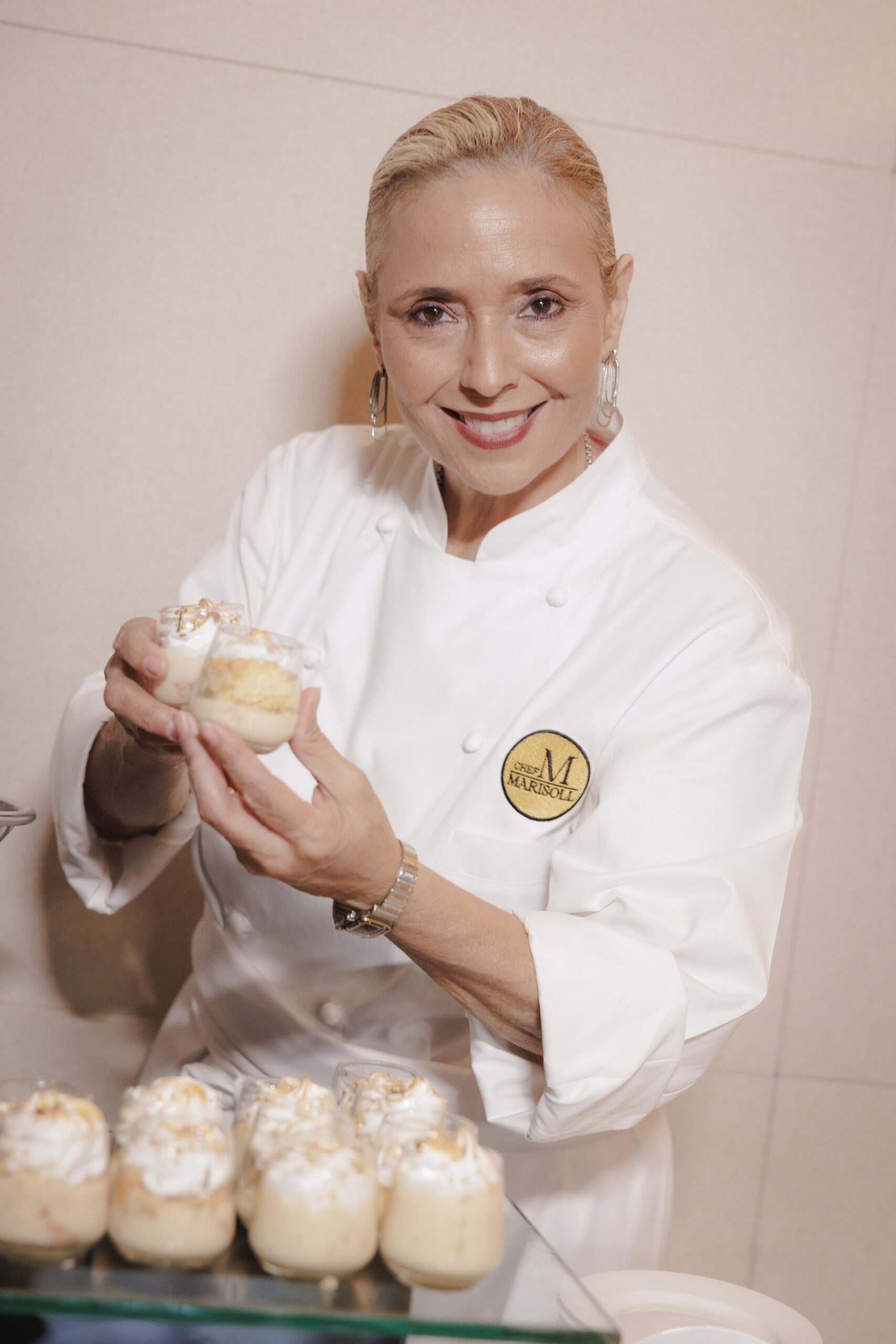
At Chef Marisoll Events, that level of care begins with listening. Every celebration has its own rhythm, guest profile, and vision for the table. Personalized menu planning makes it possible to honor individual needs while preserving the elevated experience guests came to enjoy.
Make Consideration Part of the Celebration
A guest may not remember every ingredient on their plate, but they will remember how the evening made them feel. Being welcomed, included, and served something prepared with genuine thought is its own form of elegance.
When you begin the dietary conversation early and choose a culinary partner who values both artistry and precision, restrictions do not have to narrow the celebration. They can become another opportunity to show guests that their presence at your table truly matters.