Two families may arrive with different food memories, different holiday tables, and different ideas of what a wedding meal should feel like. The right multicultural wedding menu example does not ask either side to compromise its identity. It creates a gracious culinary conversation – one that feels intentional from the first passed canapé to the final bite of dessert.
For a destination celebration in Puerto Rico, that conversation can be especially memorable. A refined menu may honor the island’s vivid ingredients and hospitality while making room for a partner’s heritage, family recipes, or favorite travel experiences. The result is not a collection of unrelated dishes. It is an evening with rhythm, meaning, and unmistakable warmth.
Begin With the Stories Behind the Table
A multicultural menu works best when it starts with people rather than trends. Couples should consider the dishes that mark important moments: a grandmother’s signature rice, a coastal dish from childhood summers, the first meal shared on a meaningful trip, or an ingredient that appears at every family celebration.
Not every tradition needs to be recreated literally. A chef can preserve the emotional connection while refining the presentation, adjusting the format for a formal reception, and ensuring the dish complements the rest of the meal. A beloved home-style stew, for example, may inspire a composed entrée or a late-night station rather than appearing exactly as it would at a Sunday gathering.
This approach also gives guests context. A brief menu card, a thoughtful welcome from the couple, or a discreet note at a food station can explain why a particular course matters. The gesture feels personal without turning dinner into a presentation.
A Multicultural Wedding Menu Example for Puerto Rico
Imagine a wedding where one partner’s Puerto Rican family is hosting loved ones from across the island, while the other partner’s family brings Italian American traditions to the celebration. The setting is elegant, the guest list is international, and the goal is a dinner that feels elevated while remaining deeply familiar.
Cocktail hour: a bright first introduction
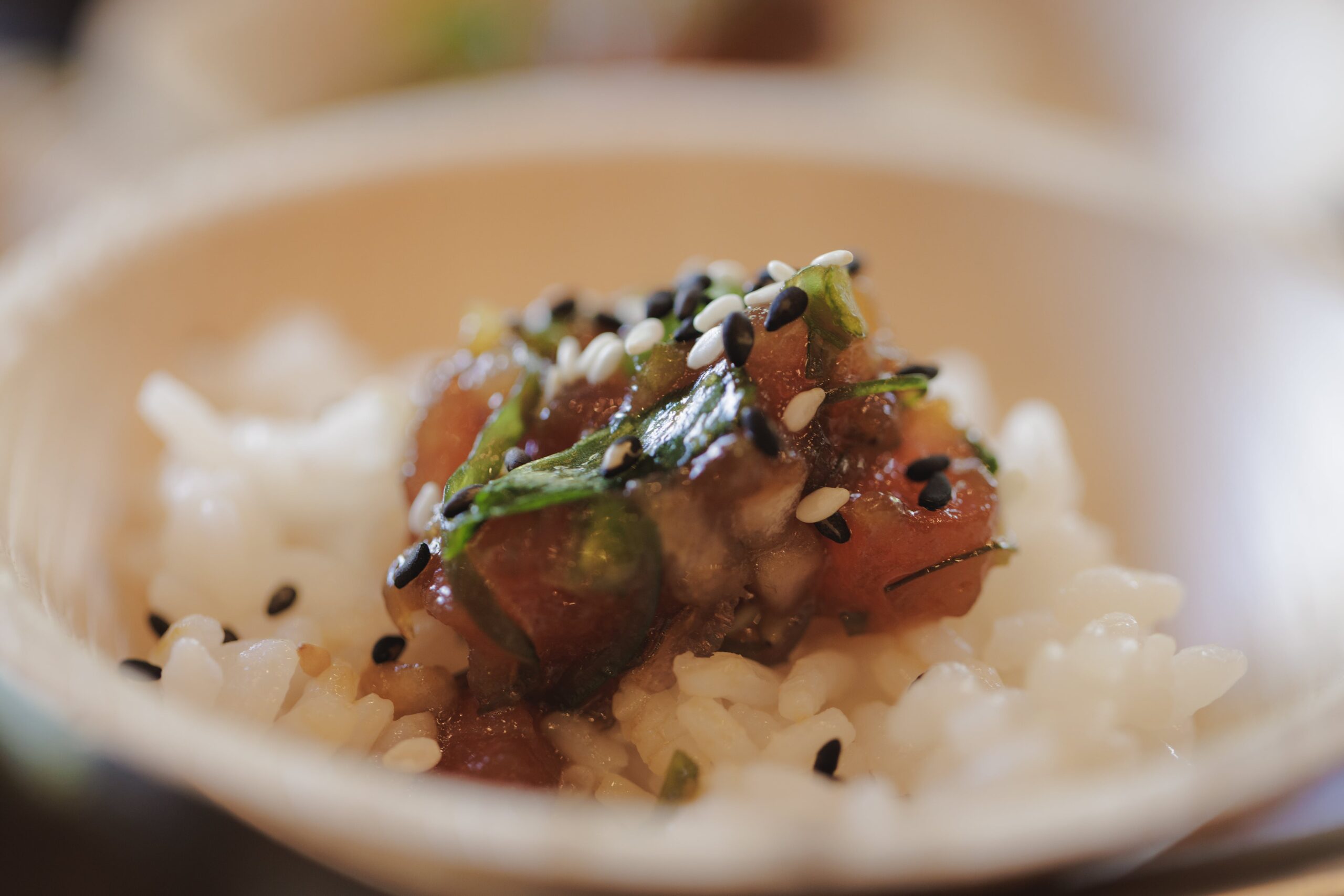
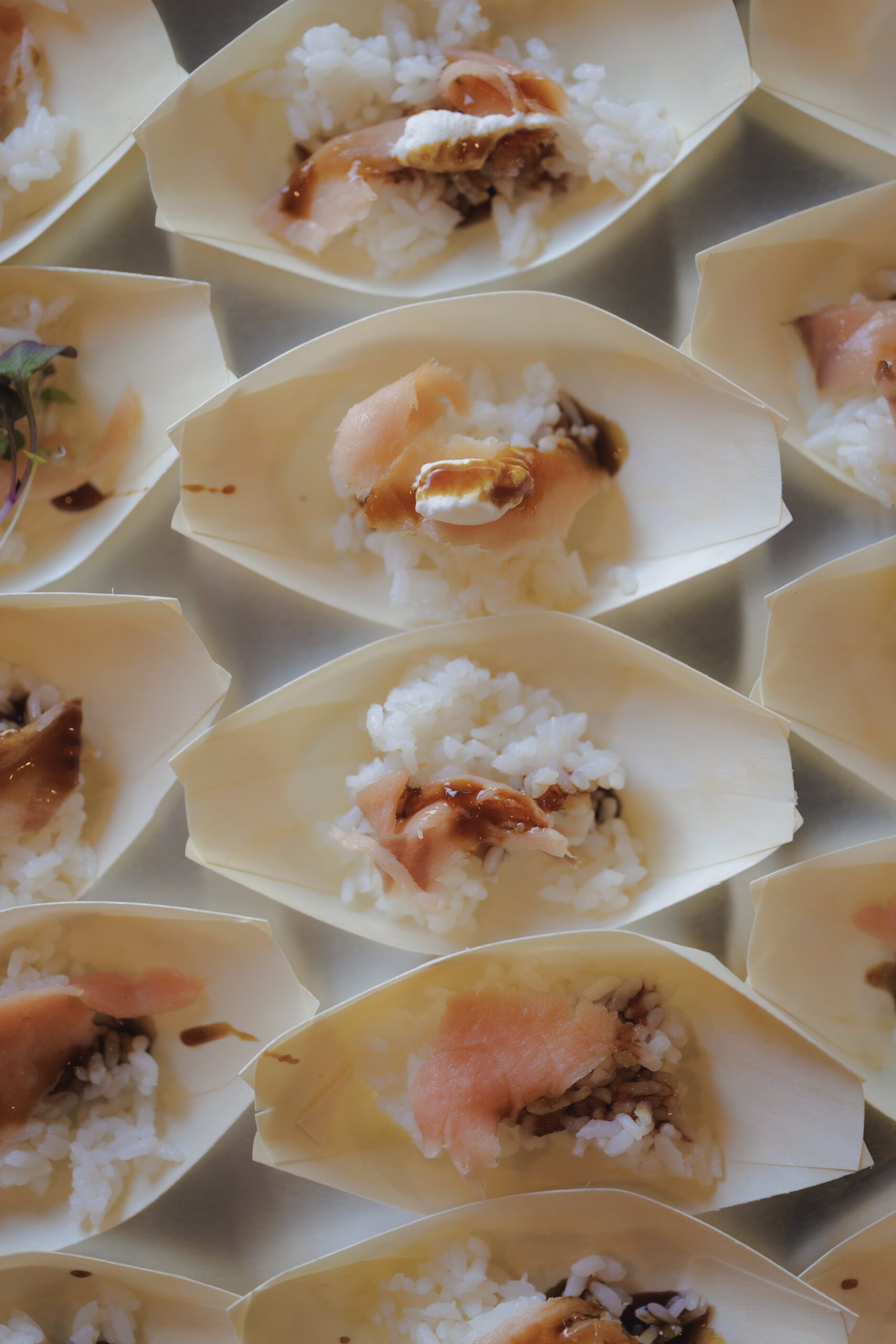
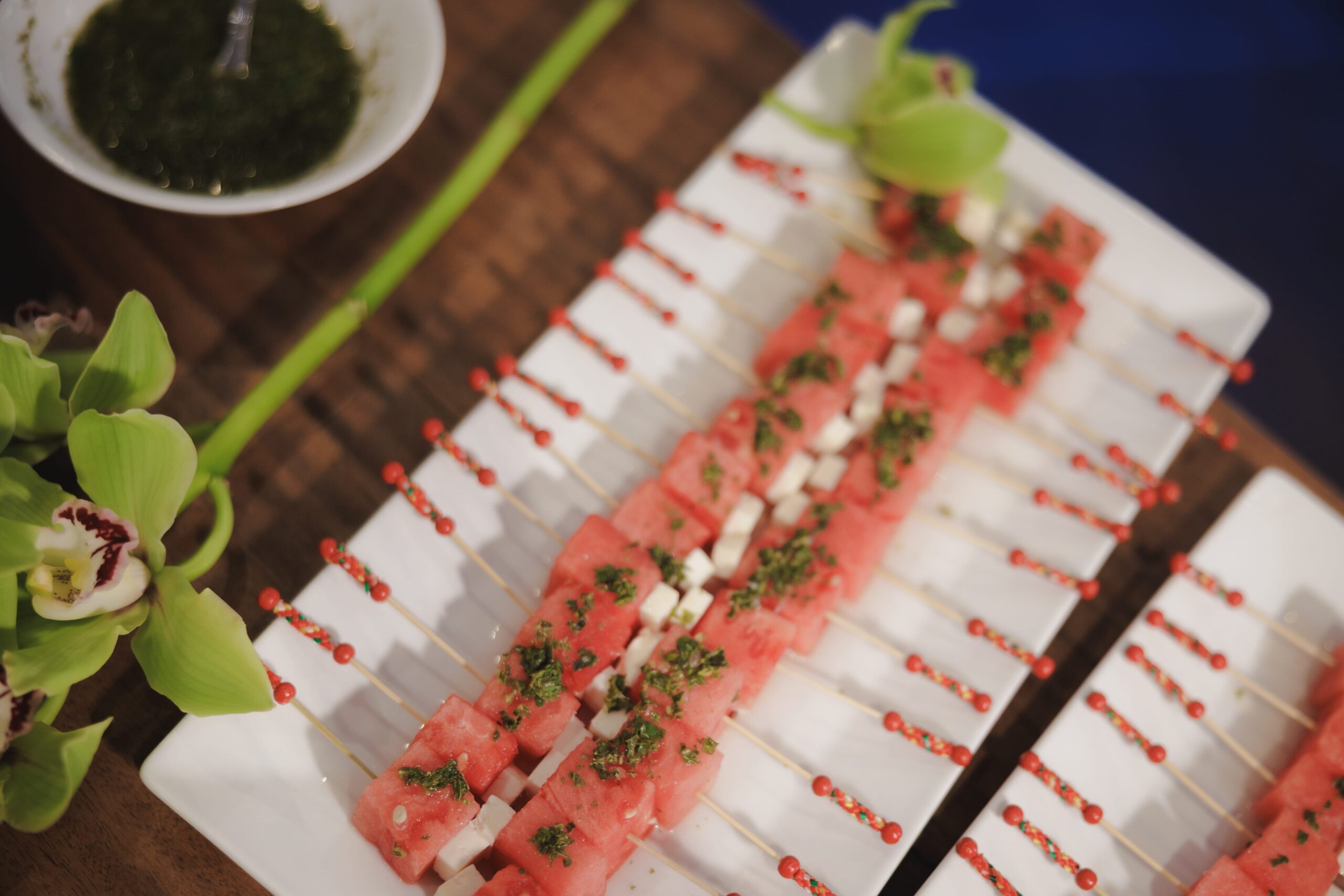
Begin with passed hors d’oeuvres that establish both culinary points of view without filling guests before dinner. Mini alcapurrias with a delicate crab filling bring a beloved Puerto Rican classic into cocktail attire. Crispy risotto cakes with saffron aioli offer an Italian-inspired counterpoint. A third selection, such as tuna crudo with ají dulce, citrus, and toasted sesame, bridges the two traditions through Puerto Rico’s coastal abundance and a clean, contemporary finish.
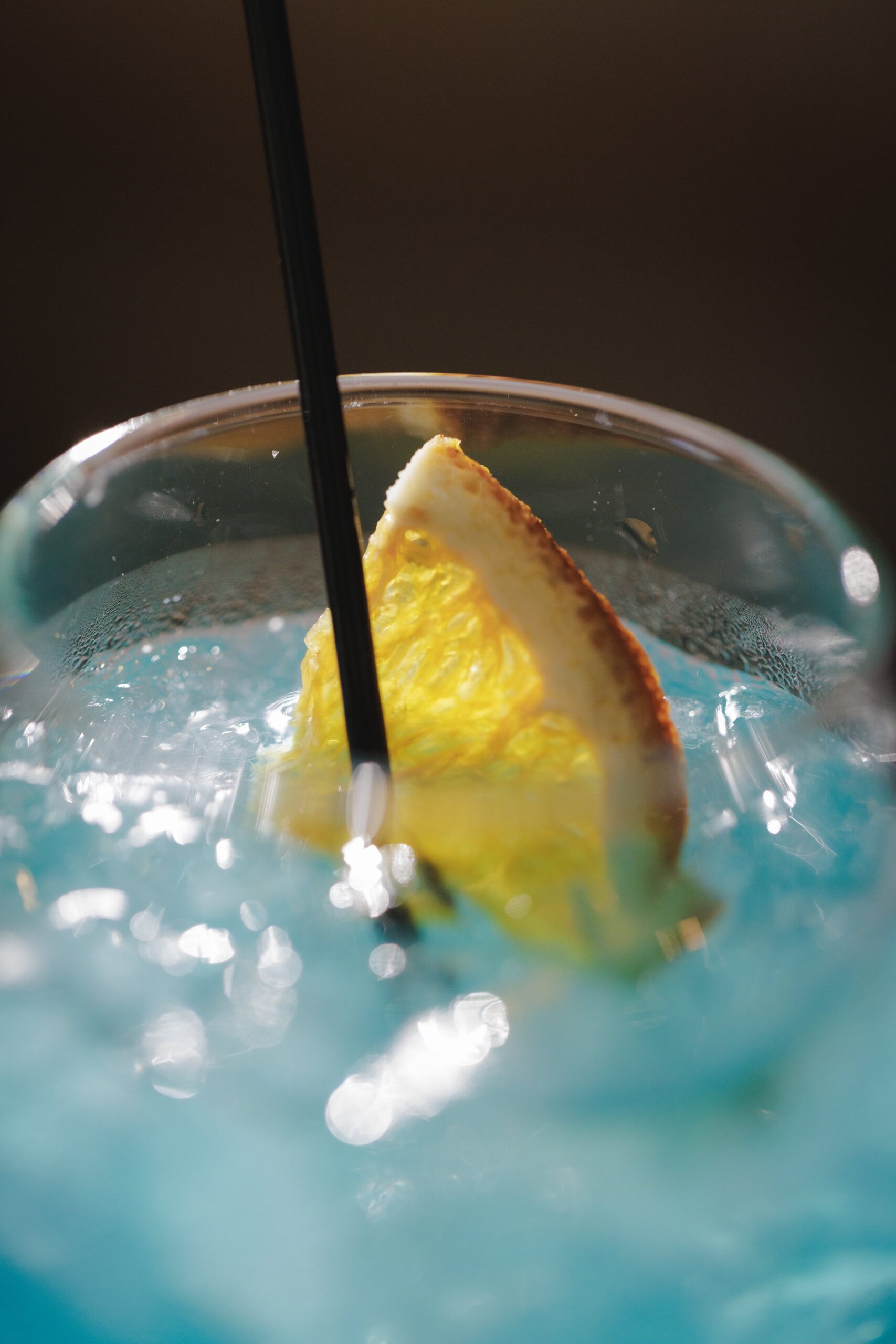
For beverages, a rum-forward welcome cocktail with passion fruit can sit alongside a polished Italian sparkling wine service. The contrast is intentional: guests immediately understand that the evening will honor more than one place.
First course: familiar ingredients, a composed presentation
For the plated first course, serve a salad of local greens, grilled seasonal fruit, aged cheese, and candied almonds with a guava balsamic vinaigrette. The guava brings a distinctly Puerto Rican note, while the cheese and vinaigrette create an Italian sensibility that feels at home in a formal dinner.
This course is an effective bridge because it is light, visually graceful, and broadly appealing. It also gives the kitchen time to transition from a lively cocktail hour to a more measured dining experience.
Main course: two traditions in one elegant plate
A thoughtful entrée might feature herb-roasted filet of beef with a red wine reduction infused with sofrito aromatics. Alongside it, serve creamy polenta with queso de bola and roasted root vegetables finished with chimichurri verde. The plate is not divided into “Puerto Rican” and “Italian” sections. Instead, each element supports the others.
For guests who prefer seafood, a seared local snapper with lemon caper beurre blanc, pigeon pea risotto, and crisp plantain ribbons offers the same sense of exchange. The pigeon peas reference arroz con gandules, while the risotto technique gives the dish a refined, celebratory character.
A vegetarian entrée deserves equal consideration, not an afterthought. Roasted eggplant with a lentil and mushroom filling, tomato conserva, sweet plantain purée, and herb oil can feel abundant and complete. When every guest receives an artfully crafted plate, hospitality feels consistent across the room.
Dessert: let the celebration become playful
Dessert is often the most natural place to be generous with tradition. A plated tres leches cake with coconut cream and a citrus compote can be served alongside a miniature cannoli filled with vanilla mascarpone and orange zest. The combination is festive, recognizable, and elegant enough for a black-tie reception.
If the couple would like a more interactive finale, a dessert station can feature artisanal coffee, small rum cakes, Italian cookies, tropical fruit, and made-to-order affogatos. It invites guests to linger and creates a relaxed shift after a formal meal.
Decide What Should Be Blended and What Should Stand Alone
The beauty of a multicultural menu is not constant fusion. Some dishes are stronger when they remain true to their origins. A carefully made pasteles course, a family-style pasta course, or a late-night lechón station can carry more meaning when it is presented with confidence rather than altered simply to fit a concept.
It depends on the couple’s priorities and the scale of the event. A plated dinner benefits from restraint because every course needs a clear role. A reception with food stations allows more range, making it ideal for couples who want guests to experience several regional dishes at their own pace. A hybrid format can be especially effective: composed passed bites and a plated dinner early in the evening, followed by culturally meaningful stations once dancing begins.
The key is to avoid making the menu feel like a passport stamp collection. Four excellent, connected ideas will create a stronger impression than ten dishes competing for attention.
Design for Guests With Different Expectations
Multicultural celebrations frequently welcome guests of different ages, travel backgrounds, and comfort levels with unfamiliar flavors. That does not mean the menu should be overly cautious. It means the experience should be inviting.
A balanced menu includes approachable selections beside more distinctive ones. A guest who has never tasted mofongo may be delighted by a small, beautifully composed version paired with a familiar protein. Someone who loves bold flavor may appreciate a traditional sauce or condiment offered at the table. Clear dietary planning is equally essential, particularly for vegetarian, vegan, gluten-free, kosher-style, halal, or allergy-aware needs.
Service matters as much as the menu itself. Well-trained staff can guide guests through courses with quiet confidence, explain ingredients when asked, and maintain the measured pace that a formal celebration requires. At a premium wedding, thoughtful hospitality should be felt without ever becoming intrusive.
Make Presentation Part of the Story
Color, texture, and serviceware can echo a wedding’s cultural influences without relying on costume or cliché. Puerto Rican botanical elements, elegant ceramic pieces, hand-painted menu details, or a color palette drawn from the venue can support the culinary design. At the Puerto Rico Museum of Art, for instance, a menu may take subtle inspiration from the surrounding visual arts while allowing the food to remain the focus.
Presentation should also consider timing. A dramatic carved station may suit a large, energetic reception, while a plated tasting menu is more fitting for an intimate evening centered on conversation. Neither format is inherently more luxurious. Luxury comes from precision, exceptional ingredients, and the feeling that every choice was made for the couple and their guests.
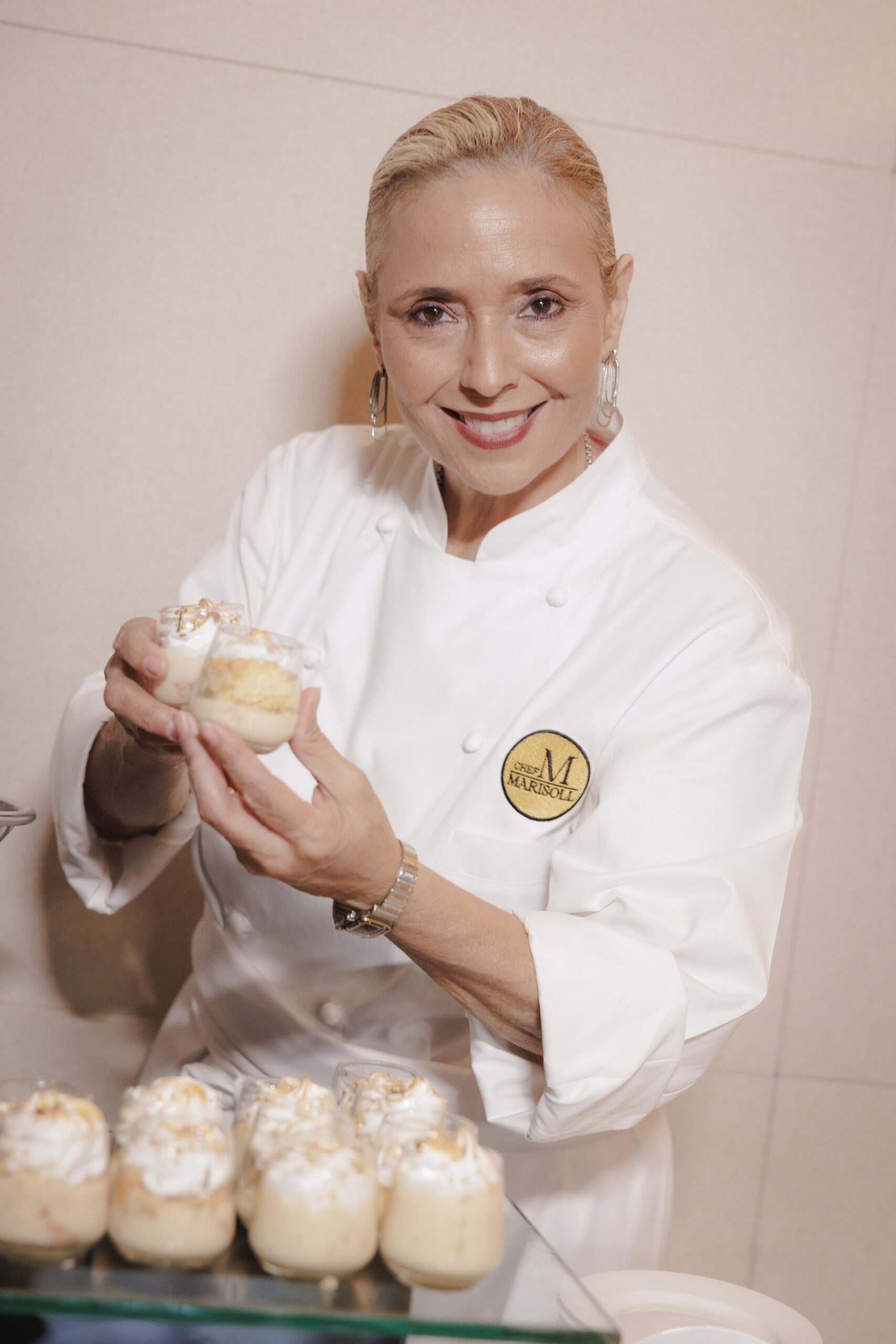
Chef Marisoll Events approaches these decisions as part of a larger celebration design, pairing chef-led menu development with the attentive execution that allows couples to be fully present on their wedding day.
A meaningful wedding menu is not defined by how many cultures appear on the page. It is defined by the care with which each tradition is welcomed to the table – and by the moment guests recognize that this meal could only have belonged to this couple.