A gala menu has a demanding role: it must feel extraordinary to the guest while working quietly and flawlessly behind the scenes. Learning how to plan gala menus means looking beyond individual dishes. The menu must reflect the purpose of the evening, complement the setting, honor the host’s vision, and arrive at the table with the kind of precision that allows guests to be fully present.
For a museum benefit, black-tie corporate dinner, destination wedding, or milestone celebration in Puerto Rico, food becomes part of the occasion’s language. A beautifully composed menu communicates generosity, discernment, and care. The finest results come from early collaboration between the host, chef, planner, and service team.
Begin With the Gala’s Purpose and Personality
Before selecting an appetizer or discussing a signature cocktail, define what the evening should make guests feel. Is the event polished and ceremonial, intimate and artistic, or lively and celebratory? A fundraising gala may call for an elegant menu that supports efficient pacing between speeches, an auction, and entertainment. A destination celebration may invite more regional expression and a warmer, more relaxed rhythm.
The venue is equally influential. A historic ballroom, private garden, gallery, or hall at the Puerto Rico Museum of Art each carries its own visual character. Menus should belong to that environment rather than compete with it. A dramatic, multi-course plated dinner can feel magnificent beneath formal chandeliers, while refined food stations may create better energy for a contemporary reception designed around conversation and movement.
The guest list also shapes the experience. Consider the number of guests, their arrival time, where they are traveling from, and whether they know one another. A room filled with executives may appreciate a concise, polished service flow. A group gathering from different parts of the United States and Puerto Rico may enjoy a menu that introduces local ingredients with familiarity and grace.
How to Plan Gala Menus Around the Guest Experience
A memorable menu has an arc. Guests should not feel that each course is trying to outshine the last. Instead, flavors, textures, presentation, and portion size should progress naturally from welcome to farewell.
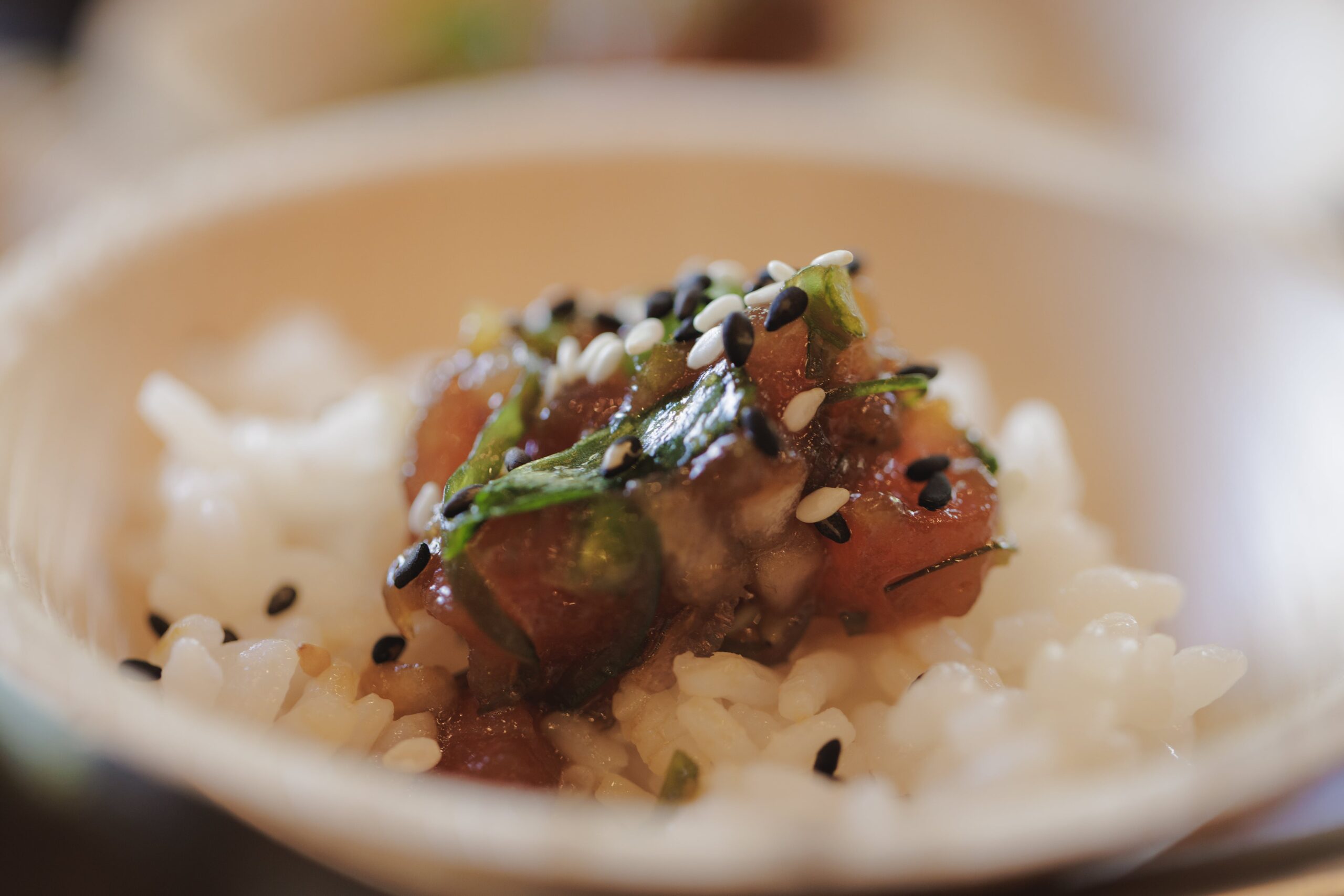
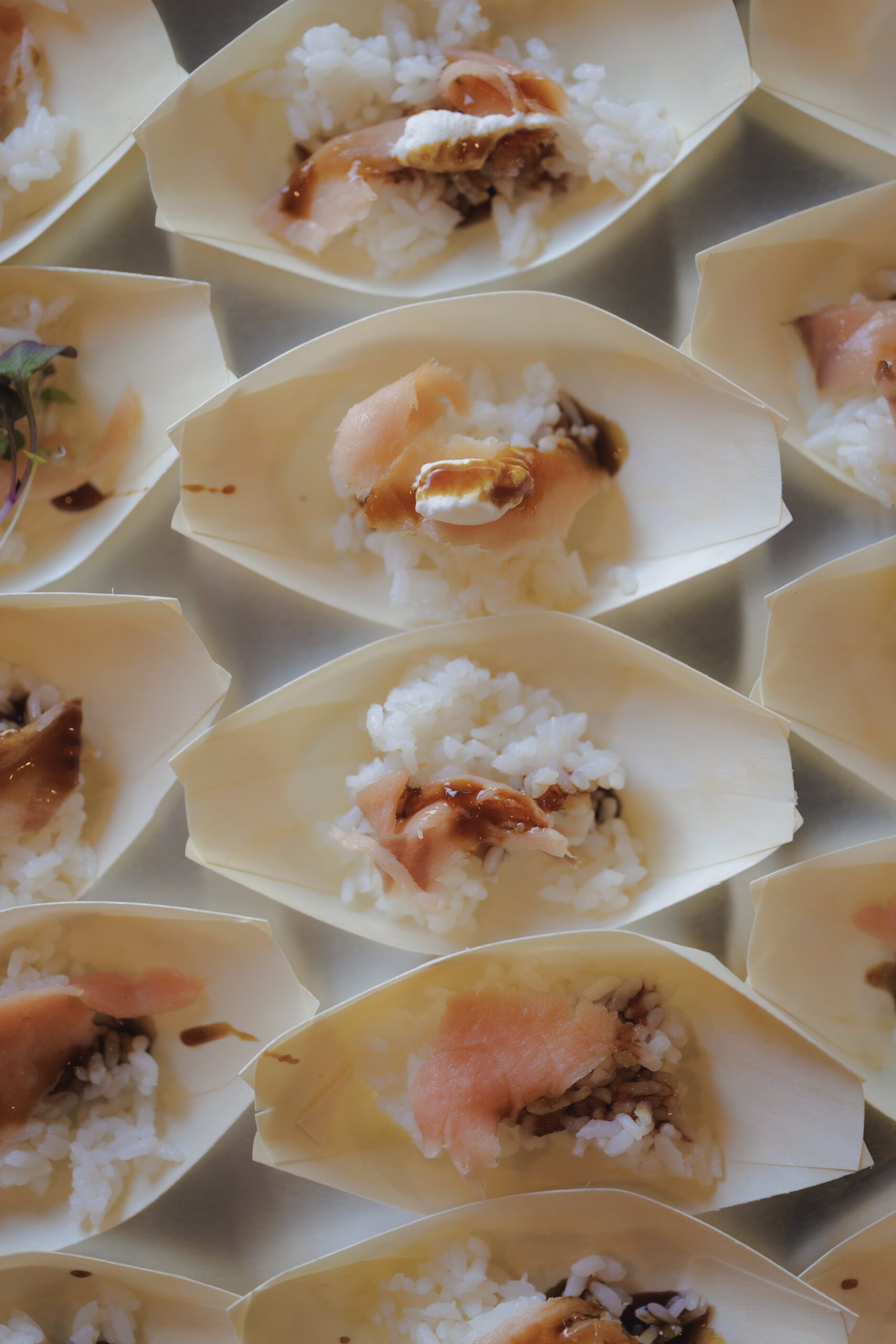
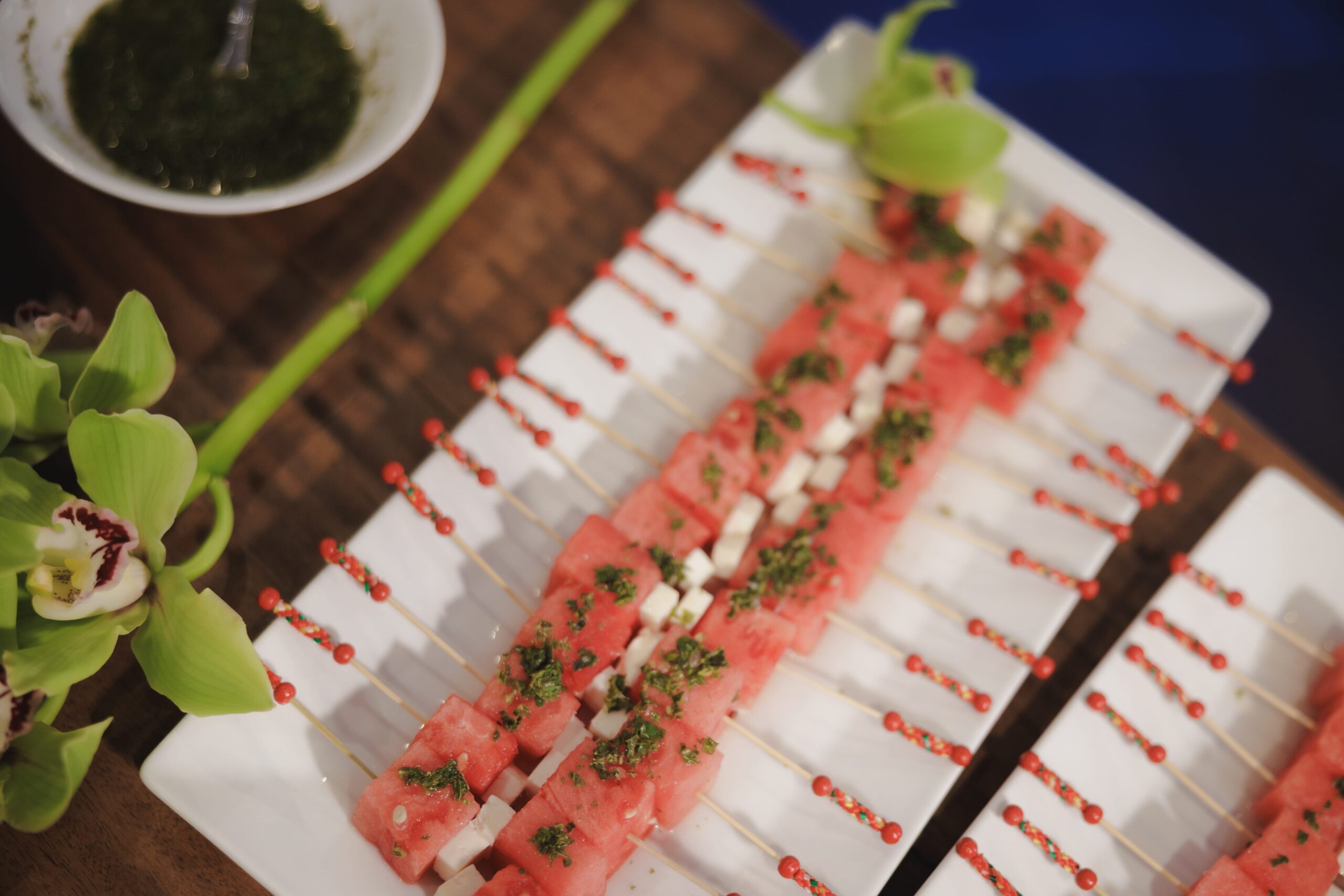
Start with the arrival. If guests will spend an hour mingling before dinner, cocktails and passed hors d’oeuvres need to be satisfying enough to welcome them without replacing the meal. Choose bites that are elegant to enjoy while standing and that hold their beauty during service. A crisp plantain cup with seafood, a delicate croquette, or a petite seasonal tart can offer Puerto Rican influence in a polished format.
Then consider the transition into dinner. A plated first course creates a graceful signal that the evening is becoming more formal. Bright, composed dishes work especially well here: seasonal salads, chilled seafood preparations, or a silky soup served in a refined portion. The goal is anticipation, not heaviness.
The entrée should feel generous but never burdensome. Gala dinners often include speeches, performances, or dancing afterward, so a dish that is overly rich or large can slow the room’s energy. A chef may balance a tender beef filet or local fish with seasonal vegetables, a thoughtful starch, and a sauce that adds depth without overwhelming the plate. When a choice of entrées is offered, keep the options equally appealing in presentation and perceived value.
Dessert is the final culinary impression, but it does not always need to be large or formal. A plated dessert brings elegance to a seated dinner, while a dessert display can encourage guests to reconnect and move through the space. For late-night celebrations, small sweets paired with coffee, rum, or a nightcap often feel more inviting than one substantial final course.
Choose a Service Style That Supports the Evening
The most beautiful menu can lose impact if the service format does not suit the event. Plated service remains the classic choice for black-tie galas and programs with a defined schedule. It offers a composed visual moment at every place setting and allows the culinary team to carefully control temperature, portion, and presentation.
Buffets can be elevated when designed with intention. They are especially appropriate for social celebrations where guests value flexibility and a wider range of dishes. The difference lies in execution: thoughtful station design, generous spacing, impeccable replenishment, and an arrangement that prevents long lines. For a gala, a buffet should feel curated, not casual.
Chef-attended stations bring theater to the experience. They are a natural fit for receptions, cultural celebrations, and events where guests will be circulating rather than seated for a full dinner. A carving station, seafood presentation, or refined take on traditional Puerto Rican favorites can make the menu feel personal and alive. This format does require careful consideration of traffic flow, timing, and the number of chefs needed to serve guests without interruption.
Many successful galas use more than one format. Passed cocktails may lead into a seated dinner, followed by coffee and dessert stations. It depends on the program, the room, and the mood the host wants to create. The important thing is that every transition feels deliberate.
Let Puerto Rican Flavor Add a Sense of Place
For events on the island, incorporating Puerto Rican culinary character can create a meaningful sense of arrival for guests. This does not require turning every course into a traditional dish. The most sophisticated approach often uses regional ingredients, familiar techniques, and cultural references with restraint.
Think of local seafood, tropical fruit, aromatic herbs, plantains, yuca, and premium rum as a palette rather than a requirement. A fresh catch may be paired with a subtle citrus beurre blanc. A dessert may feature coconut, guava, or coffee in a modern presentation. These details give a gala distinction and help guests remember where the evening took place.
Seasonality matters as well. Menus built around ingredients at their best tend to taste more vivid and look more effortless. A chef can guide clients toward ingredients that are ideal for the event date while preserving the overall vision. Flexibility here is a mark of good planning, not compromise.
Plan for Dietary Needs Without Creating a Separate Experience
Guest care is one of the clearest signs of luxury hospitality. Dietary restrictions, allergies, and preferences should be collected early, ideally as part of the RSVP process, then reviewed closely with the culinary and service teams. A well-planned gala menu allows every guest to feel included without drawing unwanted attention to their needs.
The best alternative plates are not afterthoughts. A vegetarian, vegan, gluten-conscious, or allergen-aware entrée should have its own balance of color, texture, and flavor. It should look just as considered as the primary entrée. When several guests have dietary needs, a chef may also recommend menu choices that naturally accommodate more people, reducing complexity while keeping the experience elevated.
Accuracy is essential. The service team should know precisely which guest receives which plate, and the kitchen should maintain clear handling procedures. This is where experienced event catering becomes invaluable: hospitality is not only what appears on the plate, but the confidence guests feel when every detail has been anticipated.
Build the Menu With Timing, Budget, and Logistics in Mind
Luxury is not measured by the number of ingredients or courses. It is measured by how considered the entire experience feels. A focused three-course dinner, beautifully prepared and perfectly served, can be more impressive than a lengthy menu that strains the schedule or budget.
Discuss the event timeline alongside the menu. If guests will arrive late after a ceremony, they may need more substantial cocktails before dinner. If a live auction follows the main course, service should be completed before the program begins. If dancing is central to the evening, a late-night bite can be far more memorable than adding another formal course.
Budget conversations should be candid from the beginning. Premium ingredients, custom presentations, staffing levels, rentals, and specialty beverage service all influence the final investment. Rather than choosing dishes in isolation, evaluate the menu as part of the complete guest experience. Sometimes the better decision is to invest in exceptional passed cocktails, elevated tableside service, or a striking dessert moment instead of adding complexity in every course.
Taste With Intention and Trust the Culinary Team
A tasting is an opportunity to refine the menu, not simply approve it. Notice the pacing between dishes, the balance of each plate, and how the flavors work together. Ask whether the portions make sense for the length of the evening and whether the presentation suits the event’s design.
It is also the moment to trust professional guidance. A chef understands which ideas will translate beautifully from a tasting table to service for hundreds of guests. Some dishes are exquisite in small quantities but do not retain their ideal temperature or texture during a large-scale event. The strongest menu is one that is both imaginative and designed for flawless execution.
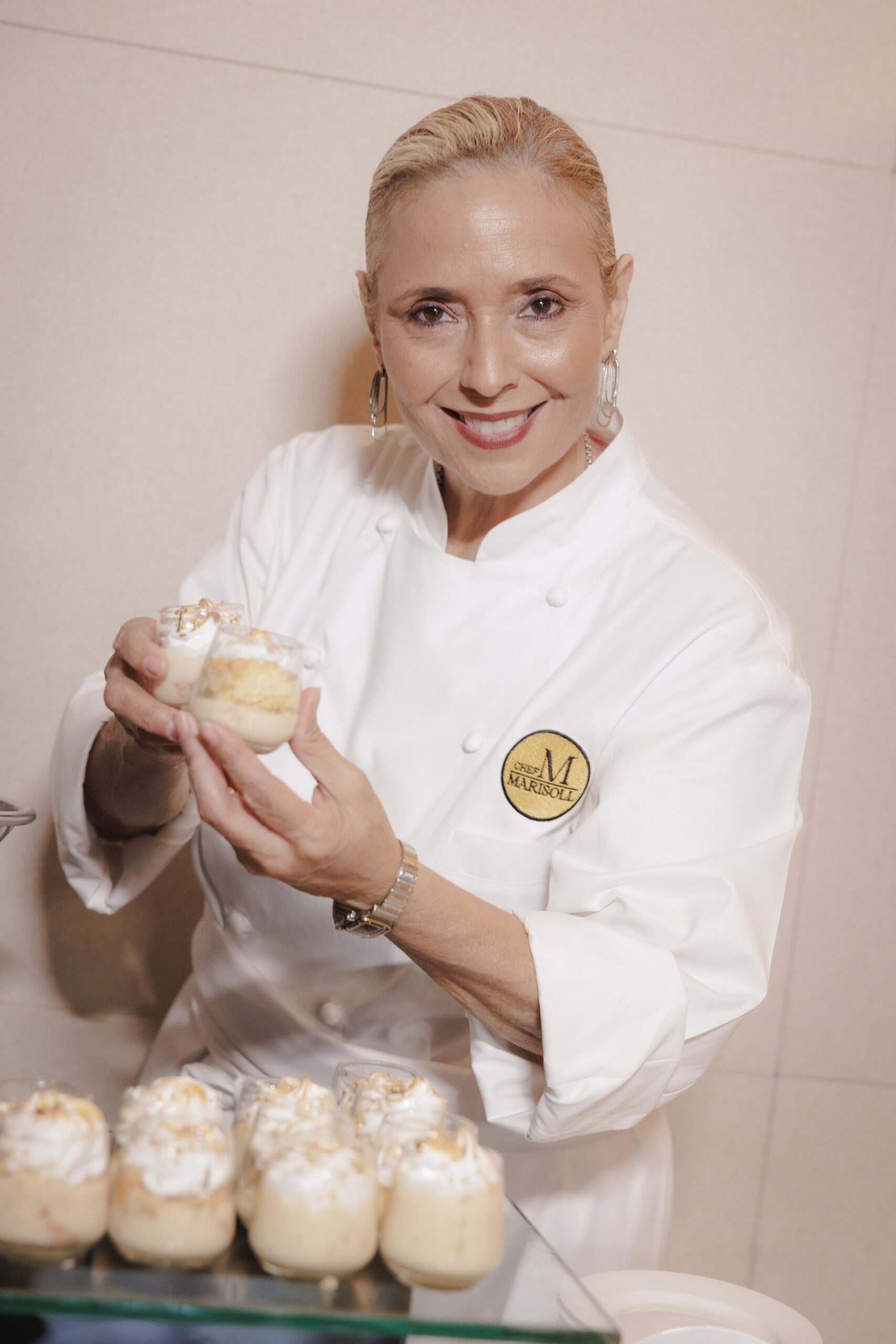
At Chef Marisoll Events, a gala menu is treated as part of the celebration’s atmosphere: personal to the host, gracious toward every guest, and grounded in the artistry of Puerto Rican hospitality. When the final course is cleared, guests may not recall every ingredient, but they will remember how beautifully the evening made them feel.