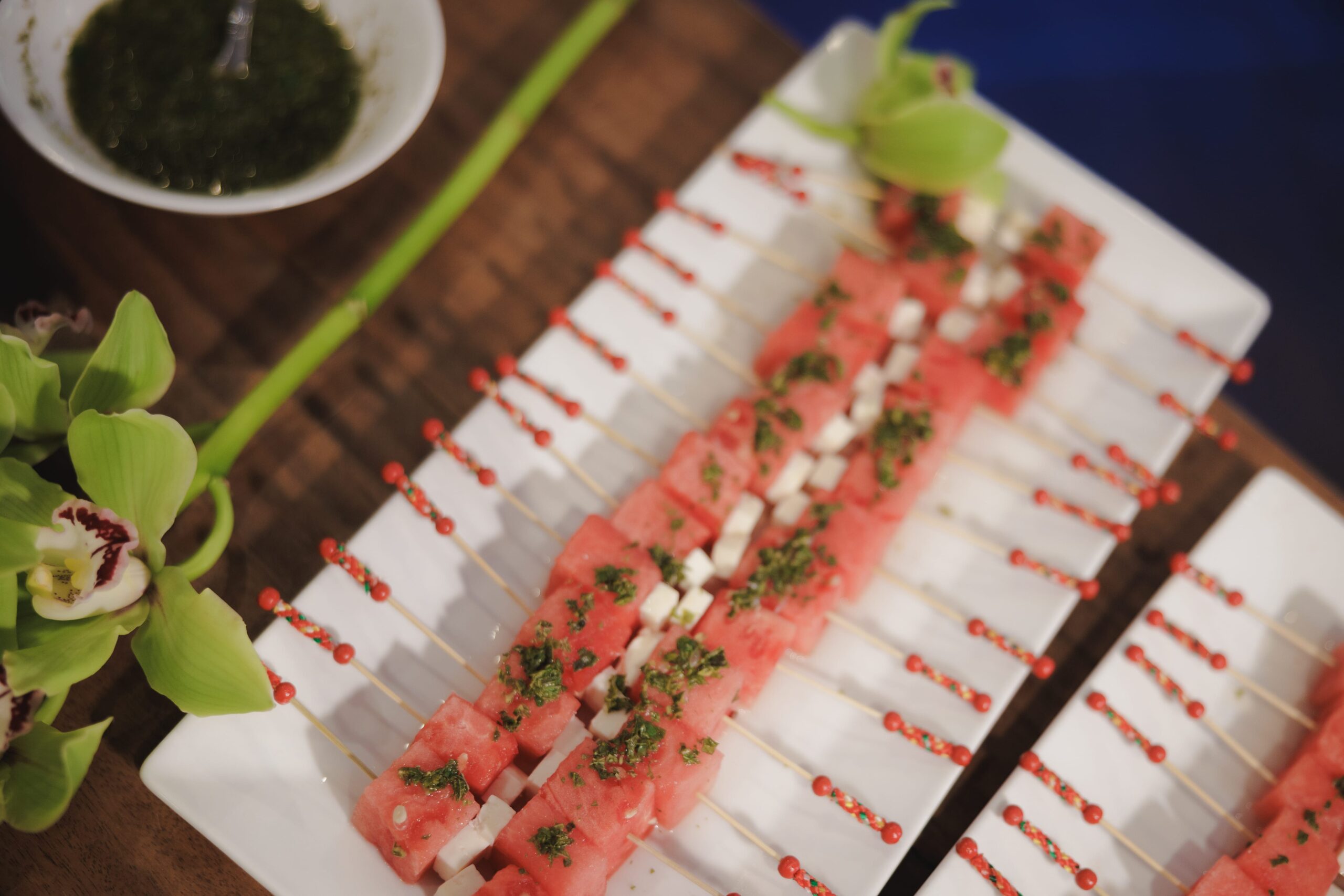
The morning after a wedding has its own kind of magic: the formalities are complete, loved ones are lingering, and the newlyweds finally have a moment to enjoy the people who traveled to celebrate them. Knowing how to host wedding brunch means treating that moment with the same care as the celebration itself. Done well, brunch is not simply a meal before guests depart. It is a gracious final gathering, shaped by beautiful food, unhurried conversation, and the warmth of Puerto Rican hospitality.
For destination weddings especially, a thoughtfully hosted brunch gives the weekend a sense of completion. It offers guests a relaxed setting to exchange stories, reconnect, and leave feeling genuinely cared for.
Begin With the Feeling You Want Guests to Carry Home
Wedding brunch works best when it has a clear purpose. Some couples want a lively farewell gathering with music, sparkling cocktails, and a generous buffet. Others envision a quieter affair, perhaps a sunlit seated meal where close family and friends can linger over coffee. Neither approach is more elegant than the other. The right choice depends on the couple, the wedding’s energy, and the rhythm of the weekend.
Start by considering who will attend. A brunch for 20 immediate family members can feel intimate and tailored, with plated courses and a more leisurely pace. A gathering for 100 destination guests may call for food stations and buffet service that allow everyone to eat comfortably according to their own schedule.
The setting should support that intention. A garden terrace, private villa, oceanfront space, or refined event hall can each create a memorable atmosphere when the design feels considered. At an art-centered venue such as the private hall at the Puerto Rico Museum of Art, the surroundings can add a particularly sophisticated sense of place without requiring excessive decor.
How to Host Wedding Brunch Without Rushing the Morning
Timing is the detail that determines whether brunch feels restorative or demanding. Most guests appreciate an invitation time between 10:30 a.m. and noon, particularly after an evening reception. This gives everyone time to rest, get ready, and arrive with an appetite rather than a headache.
Plan for a two- to three-hour event, but avoid a tightly scripted program. The charm of a wedding brunch is its ease. A brief welcome from the couple, a toast from a parent, or a few words of gratitude can be meaningful. Beyond that, let conversation lead the experience.
If transportation is part of the wedding weekend, make the details exceptionally clear. Include the brunch location, start and end times, dress guidance, and transport schedule in a simple itinerary or wedding communication. Guests should never have to guess whether brunch is casual, whether they need a ride, or whether they can arrive late.
The day after a wedding also calls for practical consideration. Offer water and fresh juices as soon as guests arrive. Create comfortable shaded areas if the gathering is outdoors, and make sure seating is plentiful. Elegant hospitality is often expressed through these quiet decisions: a cool towel on a warm morning, coffee served promptly, and a place for an older relative to sit without searching for one.
Build a Menu That Feels Generous, Not Heavy
A wedding brunch menu should satisfy a range of appetites while still feeling bright and composed. Guests may be recovering from a late night, traveling later that day, or simply eager for a taste of the island. The best menus balance familiar brunch favorites with ingredients and flavors that give the meal a sense of destination.
Rather than offering every possible brunch item, select a focused collection of dishes that complement one another. Start with a beautifully presented fruit display, artisan breads, pastries, and house-made preserves. Add one or two egg preparations, a comforting savory selection, and a lighter option that accommodates guests who prefer a fresh start to the day.
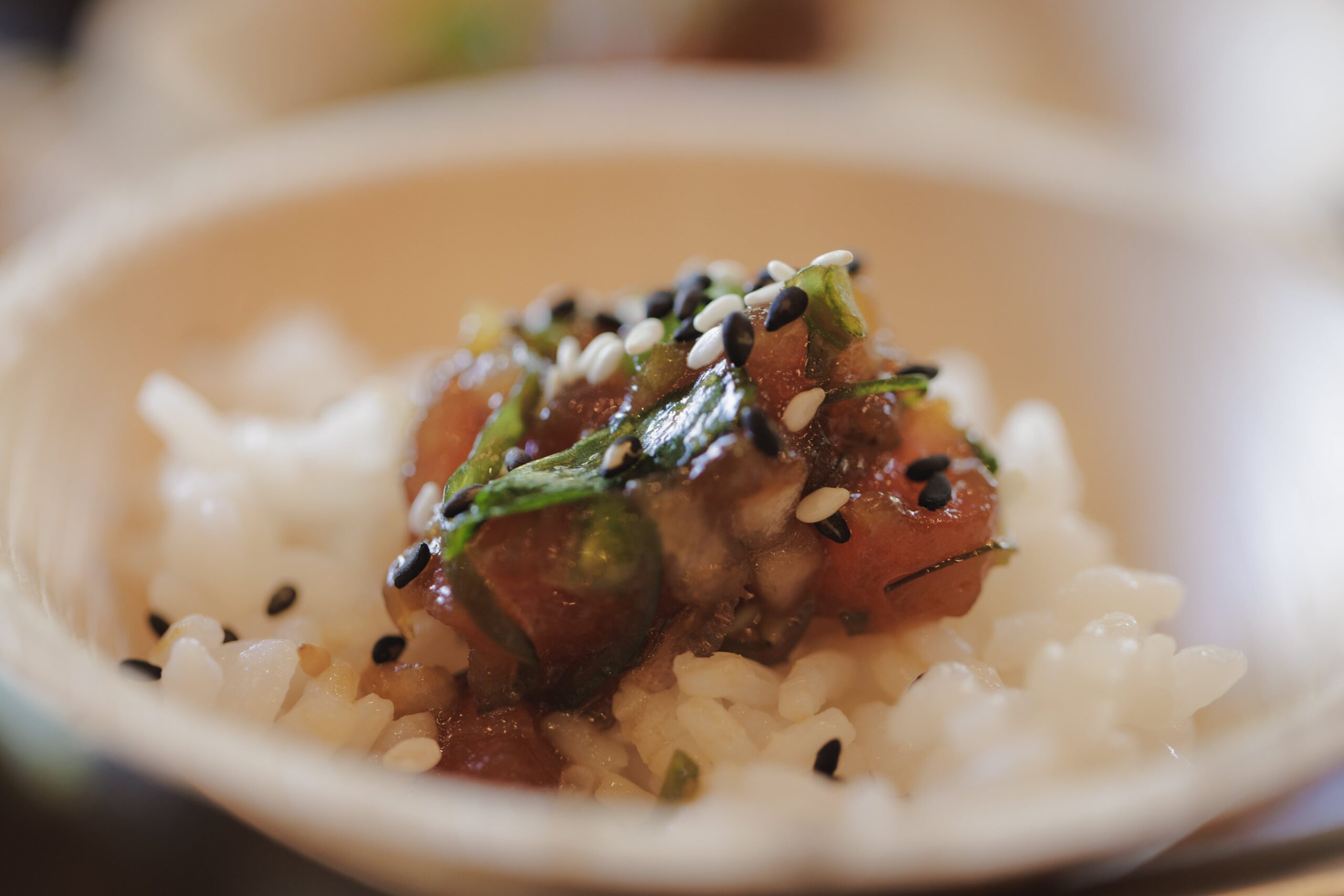
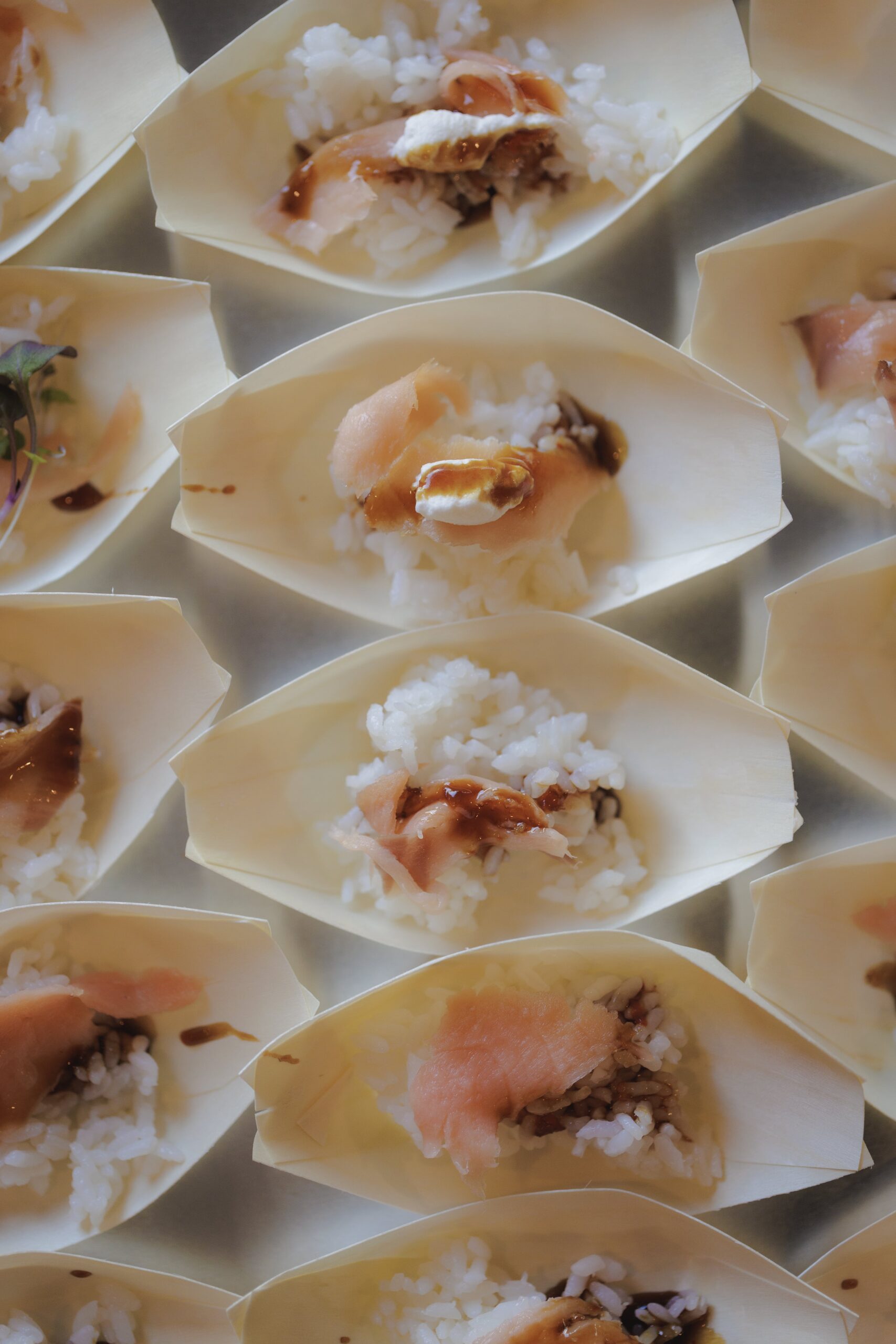
Puerto Rican influence can bring distinction to the table without becoming a theme. Think local tropical fruit, sweet plantains, refined takes on traditional breakfast dishes, fresh seafood, or a savory rice accompaniment prepared with care. A chef-led menu can honor the island while remaining appropriate for the style of the wedding, whether it was classic, contemporary, or deeply rooted in family tradition.
For a larger group, stations often create the most polished experience. An omelet or egg station allows for customization, while a carving station or seafood display adds occasion. For a smaller brunch, plated service can feel especially graceful, allowing each course to arrive with intention and preserving the relaxed pace of the room.
Dietary needs deserve attention well before the event. Gather information about vegetarian, vegan, gluten-free, allergy-conscious, and child-friendly preferences during planning, then incorporate suitable choices into the menu naturally. Guests should feel included, not singled out by a last-minute substitute.
Do Not Forget the Coffee
Coffee is not an afterthought at wedding brunch. It is part of the welcome. Offer freshly brewed coffee, decaffeinated coffee, tea, and a selection of juices from the start. A polished coffee service with milk alternatives and thoughtful accompaniments encourages guests to settle in and enjoy the morning.
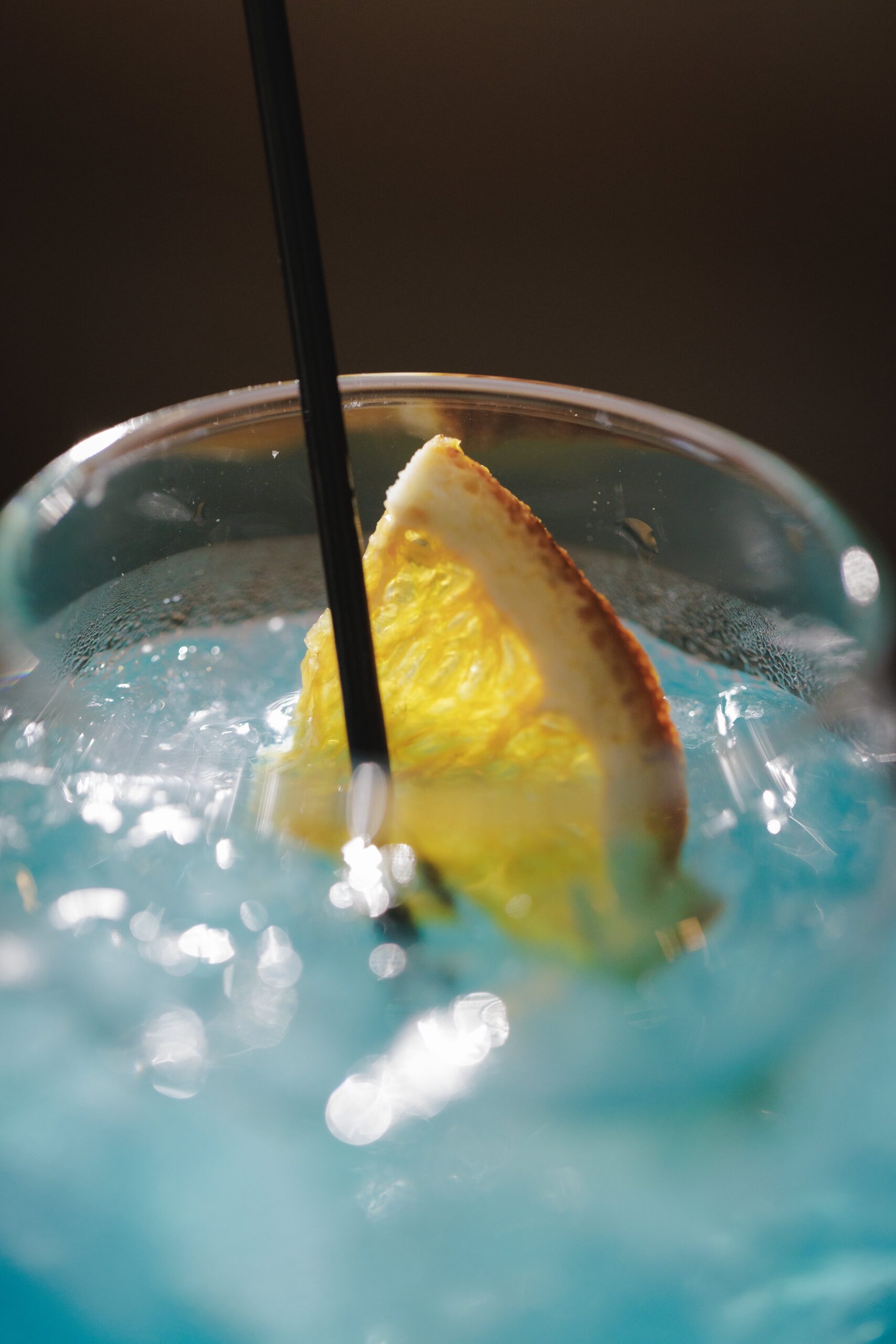
A restrained bar can be equally inviting. Mimosas, Bellinis, sparkling wine, and a signature brunch cocktail give the celebration a festive note, while alcohol-free spritzes and fresh juices ensure everyone has something special in hand. If the reception was particularly spirited, balance celebratory cocktails with abundant hydration and nourishing food.
Design the Table for Daylight and Conversation
Brunch decor should feel lighter than reception decor, not lesser. Let natural light, flowers, linen, and tableware do much of the work. Soft florals, citrus accents, textured napkins, and simple place cards can make the setting feel personal while preserving an airy daytime mood.
A useful design principle is to repeat one or two visual elements from the wedding rather than recreating the entire look. Perhaps the same color family appears in the flowers, or the couple’s monogram is used on menus. This creates continuity across the weekend while allowing brunch to have its own character.
Consider the practical view from every seat. Food stations should be attractive but easy to approach. Tables should encourage conversation rather than isolate guests. If music is included, choose a level that supports the room instead of competing with it. An acoustic guitarist, gentle Latin jazz, or a carefully curated playlist can add warmth without asking anyone to raise their voice.
Choose Service That Protects the Experience
The style of service should match both guest count and the atmosphere you want to create. Buffets can feel abundant and welcoming when they are well styled, replenished quickly, and arranged to prevent long lines. Stations are ideal for interaction and variety. Plated brunch is often best for smaller groups or couples who want a more formal farewell meal.
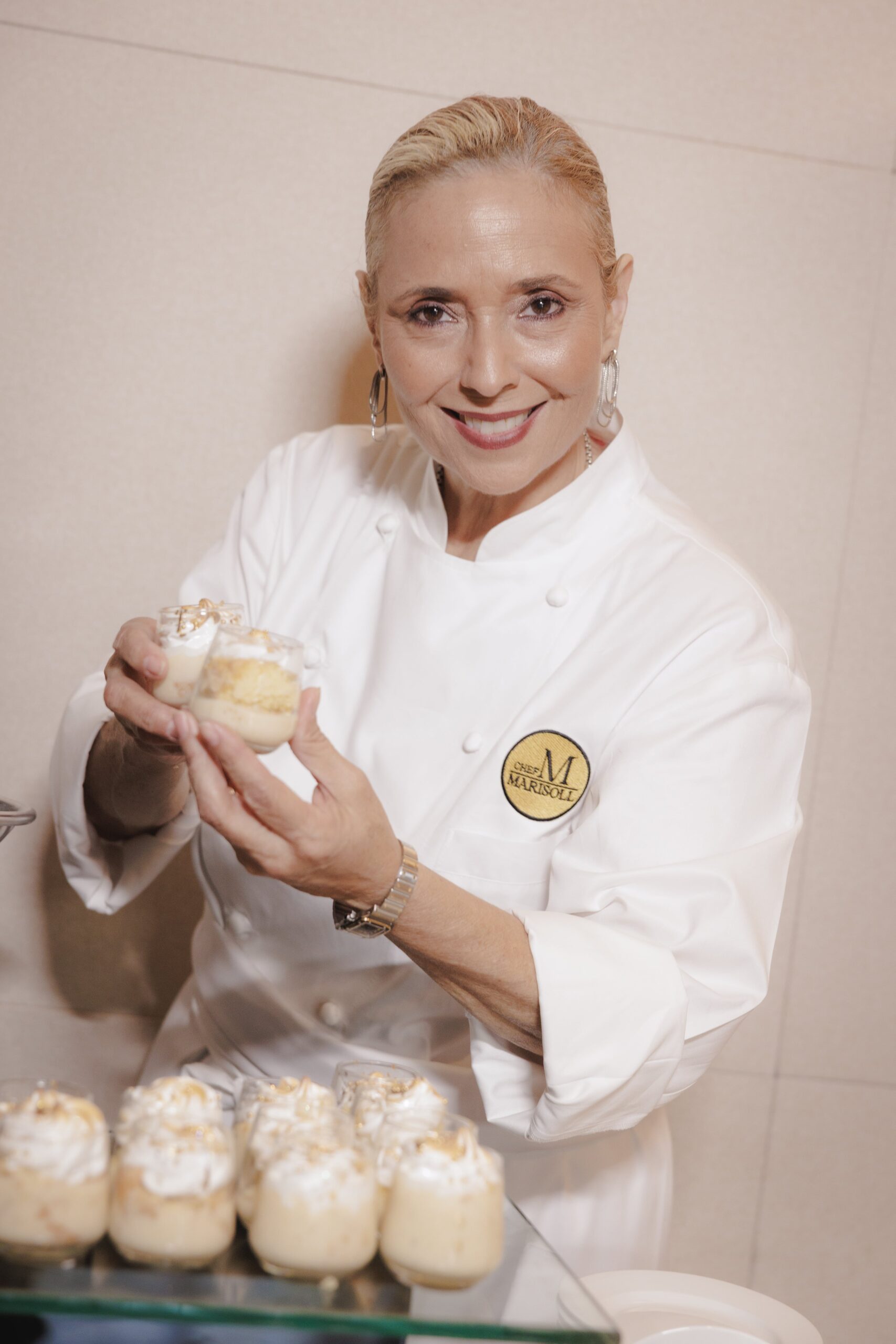
What matters most is that service feels attentive without interrupting the gathering. Glasses are refreshed discreetly, tables are cleared at the right moment, and guests with special requests receive a confident, gracious response. This is where an experienced catering team makes a tangible difference. With Chef Marisoll Events, the culinary presentation and service plan can be shaped around the couple’s guest list, venue, and vision, so the hosts are free to be present with the people they love.
Be realistic about the trade-offs. A plated meal offers refinement but requires guests to arrive closer to the same time. Stations give more flexibility but need sufficient space and staffing to maintain their elegance. A professional planner or catering partner can help determine which format will best serve the event rather than simply following a trend.
Make the Farewell Personal
The most memorable wedding brunches include one or two gestures that belong only to the couple. A welcome sign with a favorite phrase, a handwritten note at each place setting, locally inspired favors, or a small display of photographs from the prior evening can make guests feel part of a complete story.
This is also a fitting time to thank those who made the celebration possible. The couple need not deliver a long speech. A sincere few minutes of appreciation can be enough, especially for guests who traveled across the mainland or beyond to share in a Puerto Rico wedding weekend.
Before the final cup of coffee is served, leave room for one last unplanned conversation. That is often where the value of wedding brunch is found: not in another item on the itinerary, but in the chance to linger, laugh, and send beloved guests home with the feeling that every detail of their visit mattered.