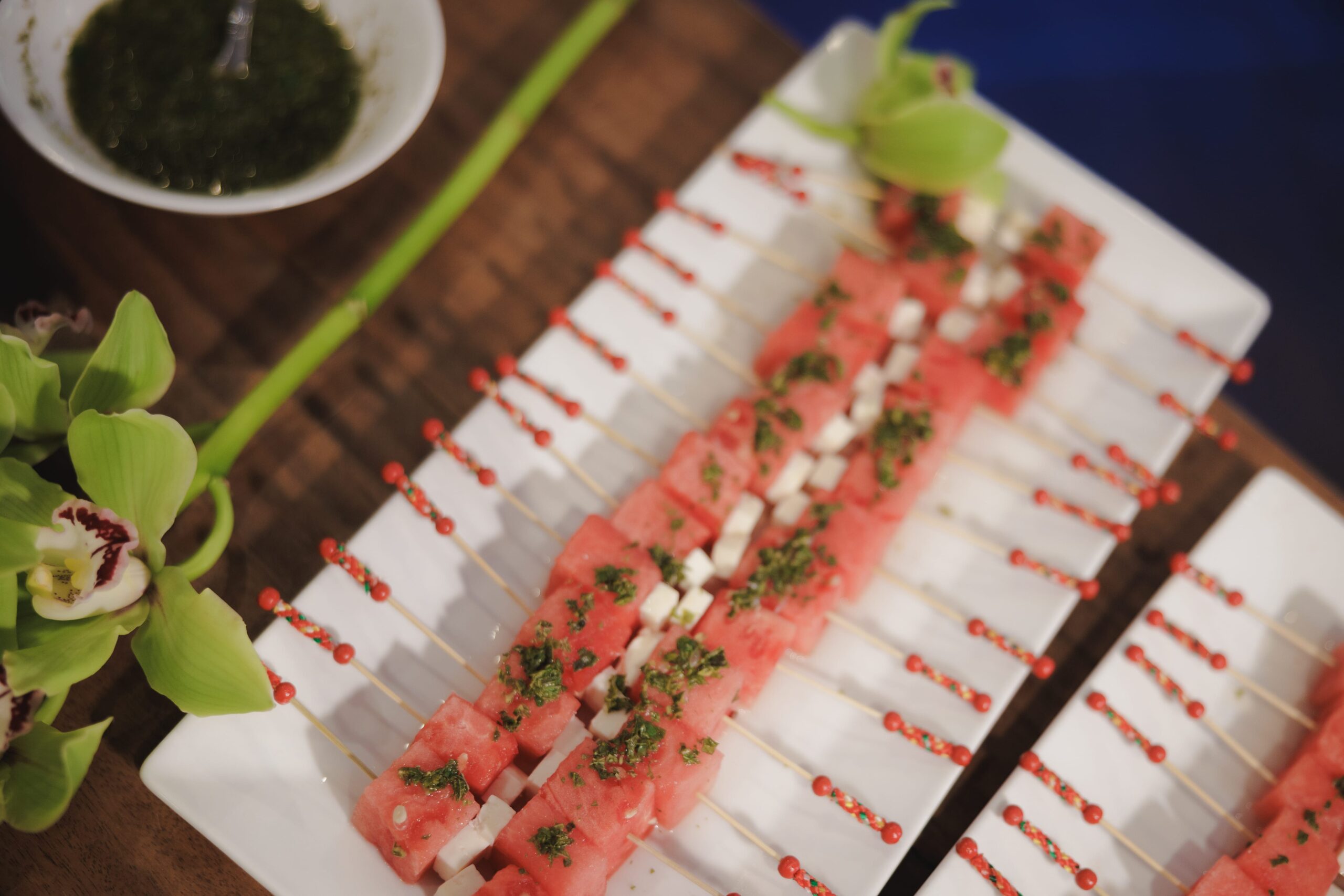
A cocktail hour sets the emotional pace of a celebration. It is the first moment when guests settle in, admire the setting, reconnect with one another, and form an impression of the hospitality to come. Knowing how to select cocktail stations means choosing more than appealing bites. It means designing a gracious welcome that feels true to your occasion, your guests, and the atmosphere you want to create.
For a destination wedding in Puerto Rico, a refined corporate reception, or an intimate milestone celebration, the most successful stations pair visual elegance with easy, generous service. The goal is not to offer everything. It is to present a considered selection that gives guests a sense of abundance while allowing each flavor, detail, and interaction to feel intentional.
Begin With the Experience You Want Guests to Have
Before choosing a single canapé or cocktail, consider what you want guests to feel when they arrive. A black-tie wedding may call for champagne passed on silver trays, pristine raw bar selections, and delicate hors d’oeuvres with a polished presentation. A sunset celebration overlooking the coast may invite brighter flavors, tropical fruit, fresh seafood, and crafted cocktails that reflect the island’s spirit.
The event timeline matters just as much as the aesthetic. If your cocktail hour is a brief transition before a multi-course dinner, stations should be elegant and restrained. If it is a longer reception period or the main dining format, they need greater variety and more substantial options. Guests who have traveled, attended a ceremony, or arrived after work will appreciate food that feels satisfying rather than merely decorative.
Your stations should also support the room’s energy. A live culinary station creates movement and conversation, while composed displays offer a calmer, gallery-like sense of refinement. Neither is inherently better. It depends on whether you envision a lively social opening or a more intimate, unhurried arrival.
How to Select Cocktail Stations Around Your Guest List
A guest list is never just a head count. It is a mix of ages, appetites, cultural backgrounds, dietary needs, and expectations. A thoughtful station plan makes every guest feel considered without turning the menu into a collection of disconnected ideas.
Start with the time of day and the guest journey. For an early evening gathering, lighter offerings can be appropriate, especially when dinner follows soon after. For a late-night reception, guests often welcome heartier choices such as miniature mofongo, carved proteins, artisan flatbreads, or elevated sliders. If guests will be enjoying cocktails for an extended period, include enough food with substance to balance the bar service.
Dietary inclusivity deserves early planning, not a last-minute label. Vegetarian, vegan, gluten-conscious, and allergy-aware selections should look and taste as compelling as every other offering. A beautifully arranged vegetable crudo, plantain-based bite, or elegant mushroom preparation can become a highlight for all guests, not simply an accommodation.
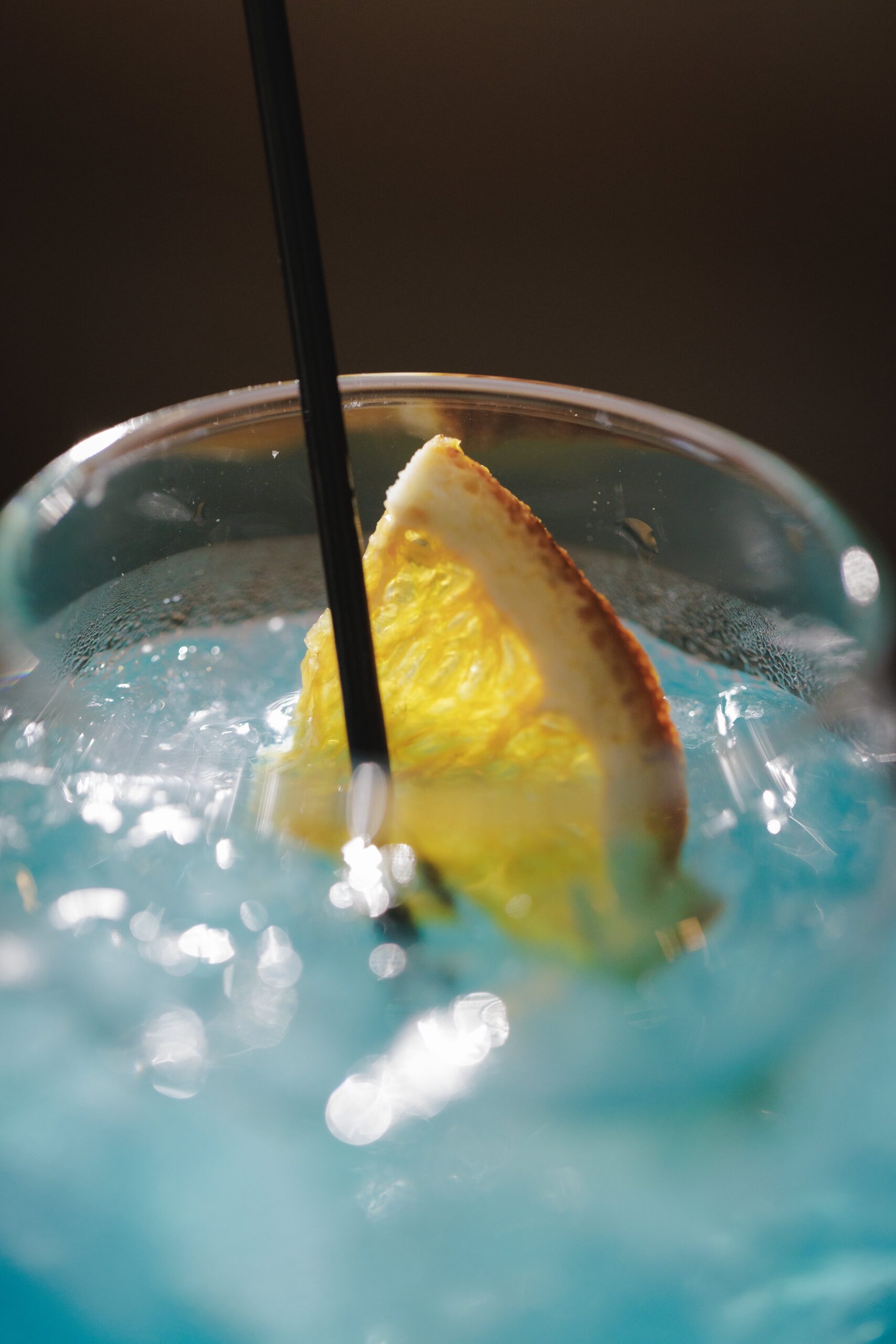
For international guests visiting Puerto Rico, cocktail stations also offer a memorable introduction to local flavors. The most sophisticated approach is not to make every selection overtly traditional. Instead, weave regional ingredients and culinary references into a broader menu. Think local catch served with citrus and herbs, a refined interpretation of alcapurria, or a rum-forward cocktail with fresh island fruit. These touches create a sense of place with grace and originality.
Match the Menu to the Venue and Flow
A beautiful station can lose its impact if it is placed where guests cannot comfortably reach it. Venue flow should shape the menu as much as personal taste. Review the cocktail-hour space with your culinary and event teams, noting entrances, bar placement, seating areas, and pathways to the reception.
One large central display can create a dramatic focal point, particularly in a spacious room with clear access from all sides. Several smaller stations may work better for a larger guest count or a venue with multiple gathering areas. Distributing service helps prevent lines and encourages guests to explore the space naturally.
Consider the setting itself. An outdoor terrace may suit chilled seafood, colorful composed bites, and refreshing cocktails, provided the service team has a plan for temperature control. A museum hall or formal indoor venue can accommodate more architectural presentation, from sculptural grazing displays to chef-attended carving stations. The food should feel at home in the room rather than competing with it.
Practical details deserve the same attention as flowers and lighting. Hot food must remain hot, chilled items must be protected, and stations need discreet replenishment throughout the reception. Flawless service often appears effortless because the planning behind it is exacting.
Choose a Balanced Mix of Station Styles
The strongest cocktail-hour menus create contrast in temperature, texture, and interaction. A menu made entirely of chilled bites may feel light but repetitive. A menu of only rich, warm items can become heavy before dinner. Pairing a few distinct station styles gives the experience rhythm.
For many elegant celebrations, three to five well-designed components are more effective than an oversized assortment. A welcome cocktail or champagne moment, a passed hors d’oeuvre service, one visually striking display, and one chef-attended station can provide variety without crowding the room.
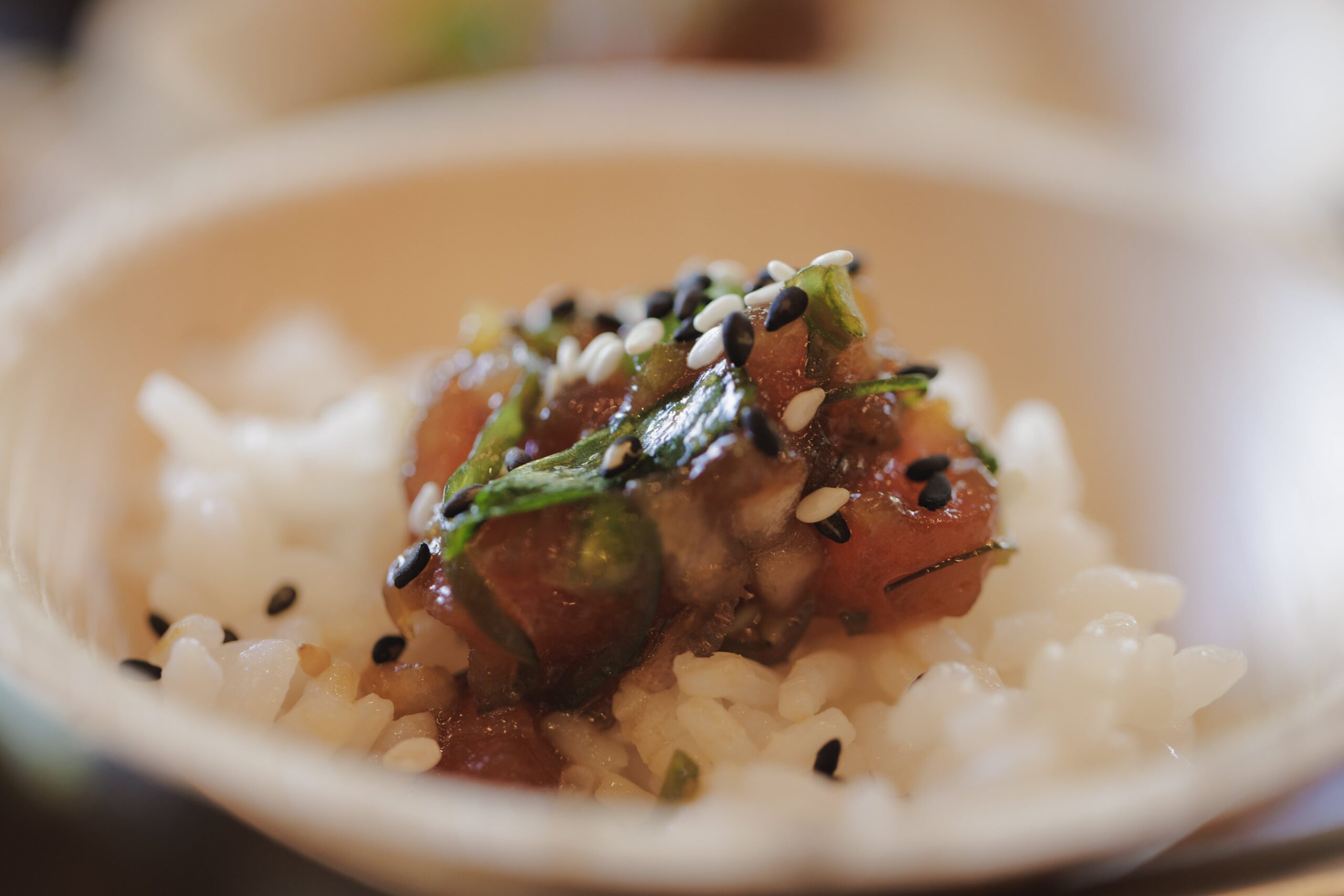
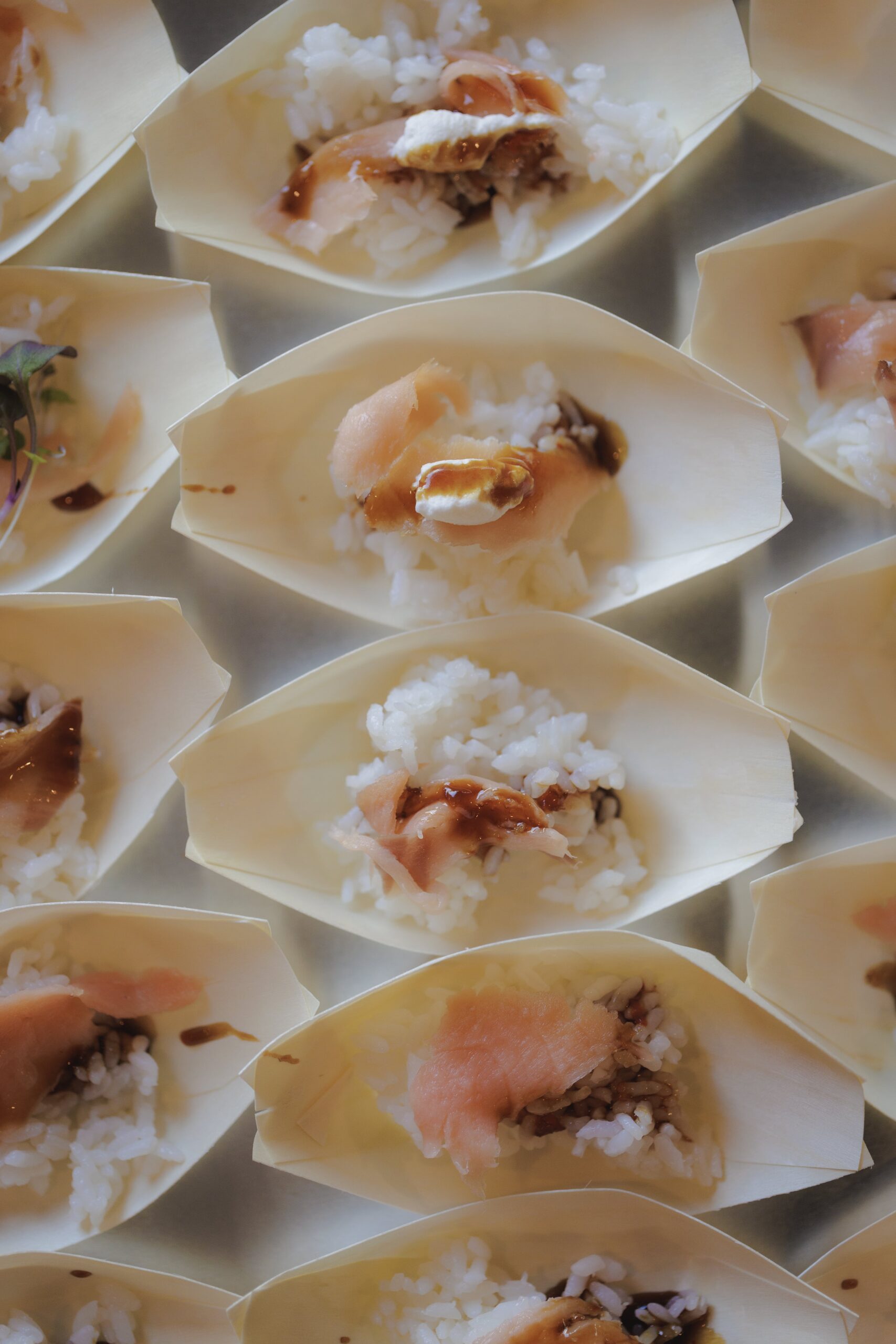
A raw bar or ceviche display brings freshness and visual drama. A charcuterie and artisan cheese presentation offers familiar comfort with a luxurious finish. A chef-attended station, perhaps featuring fresh pasta, carved tenderloin, or a Puerto Rican-inspired specialty, gives guests a personal point of connection. Passed bites keep food circulating among guests who are engaged in conversation or prefer not to approach a display immediately.
When selecting these elements, avoid repeating the same flavor profile. If the passed appetizers include rich short rib or crispy fritters, balance them with a bright seafood or vegetable station. If dinner will feature a prominent seafood course, consider a different focus during cocktail hour. Each selection should add something new to the overall culinary story.
Let Presentation Carry the Same Level of Care
At a premium event, presentation is part of the menu. The vessels, linens, floral accents, signage, and serviceware should complement the event design without overwhelming the food. A modern corporate gathering may favor clean lines, tailored monochromatic details, and concise menu cards. A romantic wedding may invite soft florals, layered textures, and graceful tiered displays.
Scale is particularly important. A station that is too small can look depleted quickly, while one that is oversized may feel impersonal. The right caterer plans displays that remain abundant throughout service, refreshing them thoughtfully so guests encounter the same standard of beauty whether they arrive early or later in the hour.
Interactive stations deserve equally polished staging. Guests should understand what is being offered and how to enjoy it without needing to ask for directions. A chef’s presence should feel welcoming, never theatrical for its own sake. The finest service invites engagement while preserving the ease of the occasion.
Set a Clear Budget Priority
Cocktail stations can be tailored at many investment levels, but luxury is often best expressed through selectivity. Rather than spreading the budget across too many average options, choose a smaller number of exceptional elements. Premium seafood, chef-crafted small plates, fine charcuterie, or a signature cocktail presentation can make a greater impression than a crowded menu with little distinction.
Be candid about what matters most to you. If food is central to the celebration, dedicate more of the budget to interactive culinary moments and elevated ingredients. If the reception space, entertainment, or décor takes priority, a concise menu with impeccable presentation may be the wiser choice. The key is alignment. Guests remember an experience that feels deliberate.
Ask your catering team what is included in each station beyond the food itself. Staffing, rentals, specialty equipment, display materials, signage, and replenishment all shape the final result. Understanding these details early allows the event design to remain cohesive and avoids compromising the experience close to the date.
Work With a Culinary Partner Who Understands the Occasion
The best station menus are developed through conversation. Share your guest profile, event schedule, design references, favorite flavors, and any cultural elements you hope to honor. An experienced culinary team can translate those ideas into an offering that is elegant in photographs, enjoyable in the moment, and practical for the venue.
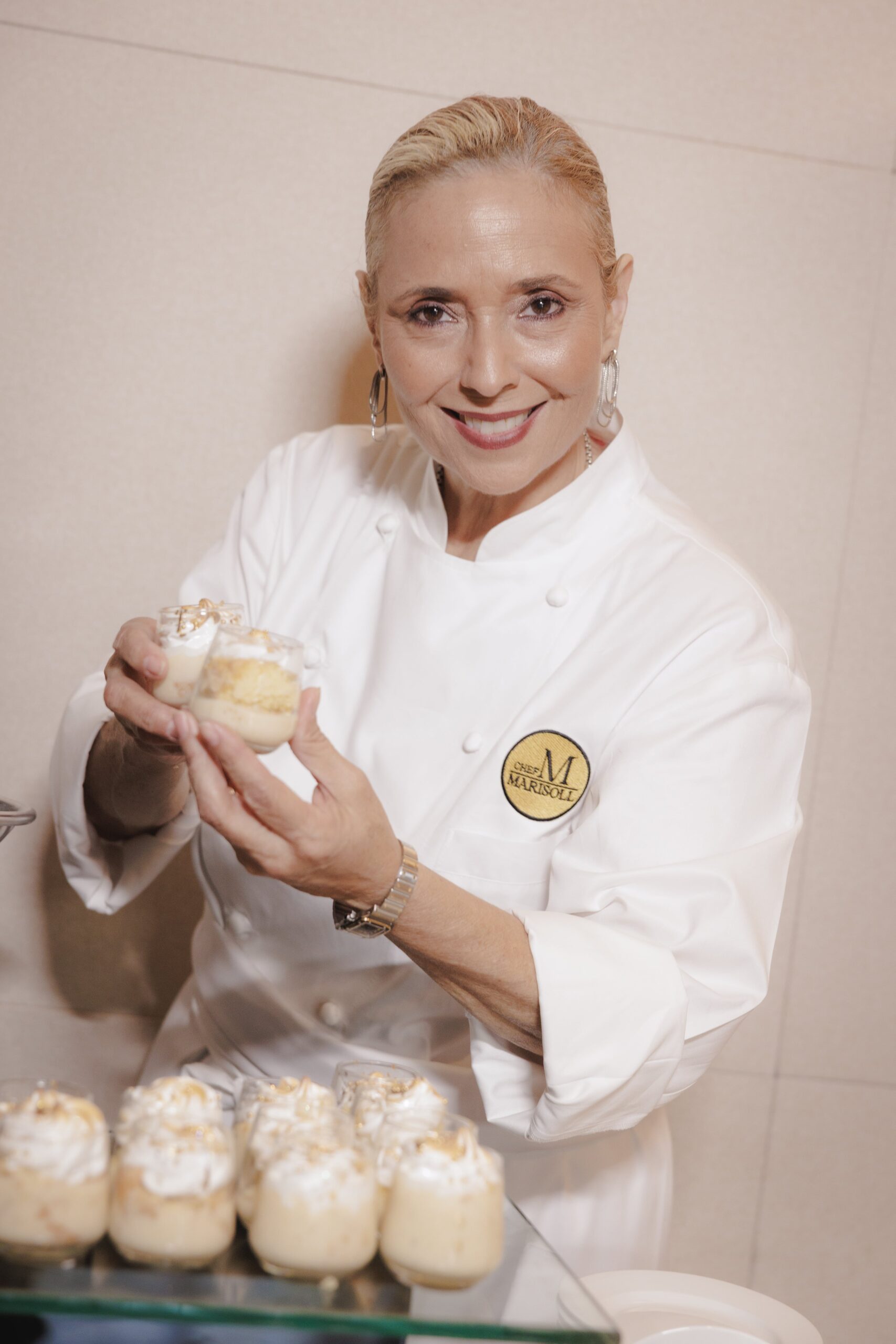
Chef Marisoll Events approaches cocktail stations as an extension of the celebration itself, pairing chef-led menu design with refined presentation and attentive hospitality. The result should feel personal, never prepackaged.
Choose the stations that make guests pause, smile, and feel genuinely welcomed. When every detail reflects care, cocktail hour becomes more than the time before dinner. It becomes one of the evening’s most memorable expressions of hospitality.