A conference agenda can be polished to the minute, yet the guest experience often hinges on the moments between sessions: the first coffee, the lunch conversation, the afternoon reset before a key presentation. The best catering formats for conferences do more than feed a room. They protect the event’s rhythm, reflect the caliber of the hosts, and give guests a reason to feel genuinely cared for.
For executive meetings, multi-day programs, client summits, and destination gatherings in Puerto Rico, the right format depends on more than headcount. Consider the purpose of the meal, the pace of the agenda, the profile of your guests, and the impression you want them to carry home. A thoughtful culinary plan turns necessary breaks into meaningful hospitality.
Start With the Conference Experience You Want to Create
Catering should be planned alongside the program, not added after the agenda is finalized. A leadership retreat calls for a different dining atmosphere than a product launch or a large educational forum. When discussion and relationship-building are central goals, guests need room to linger. When the schedule is dense, service must be precise without feeling rushed.
The venue matters as well. A formal setting may invite a plated luncheon with attentive service, while a gallery, terrace, or flexible meeting space may be better suited to artfully designed stations. At the Puerto Rico Museum of Art, for example, the setting itself can support an experience that feels cultured, celebratory, and distinctly local.
It is also wise to review dietary needs early. A premium menu is not defined by a single dish that works for most people. It is defined by the care taken to ensure every guest has a beautiful, satisfying option.
Best Catering Formats for Conferences by Moment
Elevated continental breakfast for arrivals
A morning welcome should feel more considered than a tray of pastries near the registration desk. An elevated continental breakfast gives guests an easy, polished start while allowing them to arrive at different times. Fresh fruit, artisan breads, refined pastries, yogurt, granola, and thoughtfully prepared coffee service create an inviting first impression without delaying the opening program.
For an executive audience, adding a few composed savory options makes the offering feel more substantial. Individual egg preparations, local fruit, and elegant breakfast bites can bring Puerto Rican warmth to the table while keeping service efficient. This format works especially well when guests have traveled, are checking in gradually, or need time to reconnect before the first session.
Chef-attended stations for active networking
Food stations are among the strongest choices for conferences built around conversation. They create movement in the room and give guests natural reasons to engage with one another. Instead of standing in one long buffet line, guests can explore several culinary moments at their own pace.
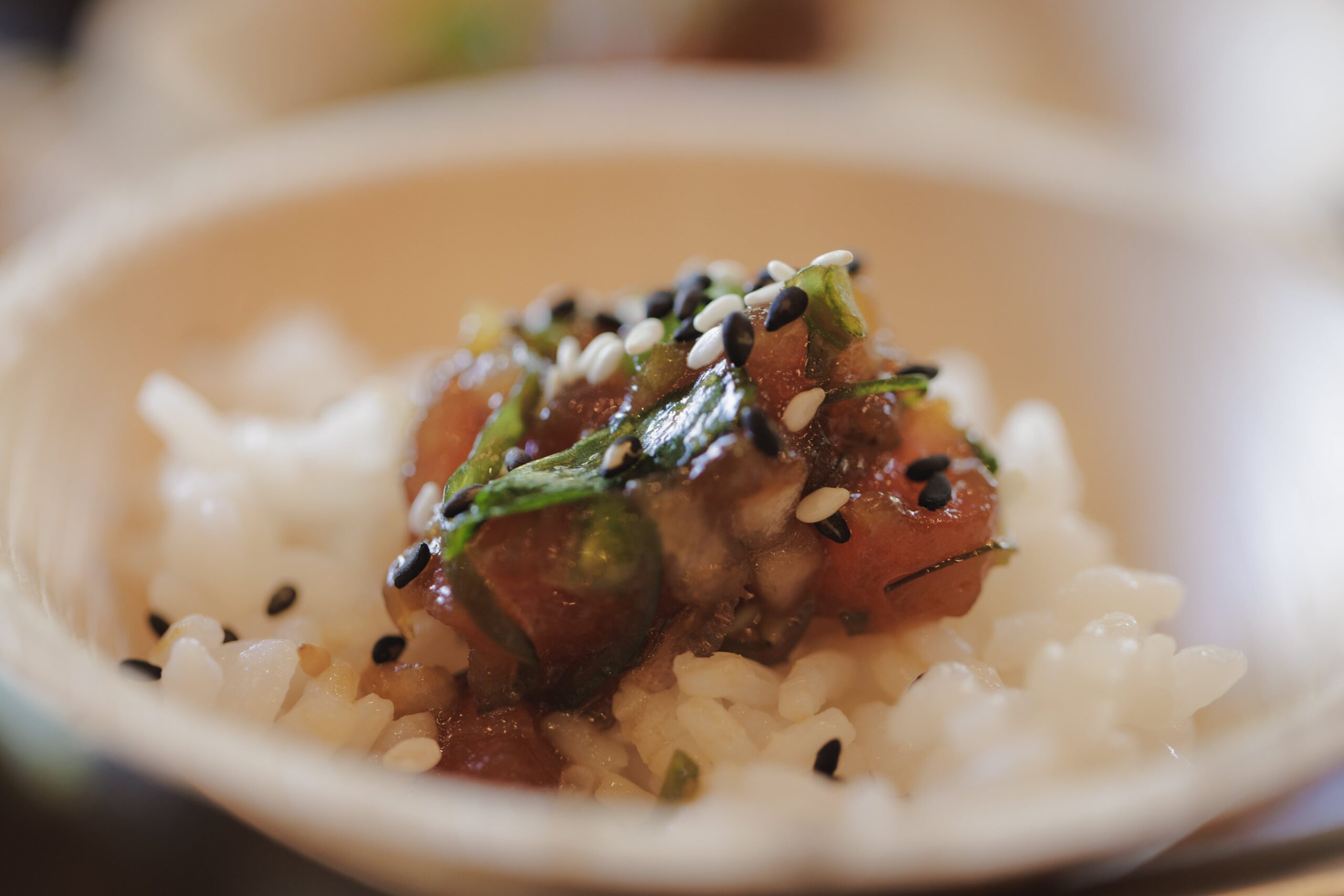
The distinction is important: a station should feel curated, not crowded. A chef-attended carving station, a fresh ceviche presentation, or a refined plant-forward station offers visual appeal and a sense of occasion. Menus can be designed with regional ingredients and global influences, allowing visitors to experience Puerto Rico through a sophisticated culinary lens.
This format is particularly effective for lunch breaks, opening receptions, and sponsor gatherings. It does require appropriate space and deliberate placement. If stations are too close together, the energy becomes congested; if they are too spread out, guests may feel disconnected from the room’s central activity.
Plated lunch for focused leadership events
A plated lunch is ideal when the meal itself is part of the program. For board meetings, investor gatherings, awards presentations, and executive conferences, seated service signals care, restraint, and occasion. Guests can remain at their tables, conversations can continue, and the room maintains a composed, unified atmosphere.
The trade-off is timing. Plated service requires accurate guest counts, clear seating plans, and a realistic window in the agenda. A three-course meal may be right for a more leisurely program, while a refined two-course luncheon can preserve the same sense of elegance in a shorter time frame.
Menu choices should be balanced and satisfying without leaving guests too heavy for afternoon sessions. Beautifully prepared proteins, seasonal vegetables, and thoughtful desserts create a memorable meal while supporting the day’s momentum. When presentations or remarks are scheduled during lunch, the service plan should be carefully coordinated so that plates arrive and clear with minimal interruption.
Curated buffet service for variety and flexibility
A well-executed buffet remains one of the most versatile conference catering formats. It accommodates diverse preferences, makes it easier to serve a larger group, and allows guests to choose the balance of flavors that suits them. For a mixed audience with varied dietary needs, this flexibility is valuable.
The difference between an ordinary buffet and an elevated one lies in presentation, menu structure, and service. Rather than offering an overwhelming number of unrelated dishes, select a cohesive menu with clear choices: a composed salad, two thoughtfully prepared entrées, a signature side, and elegant desserts. Staff can guide guests, maintain the presentation, and assist those with dietary questions.
Buffets are well suited to mid-size and large conferences where the lunch break is generous but not formal. They can also be enhanced with one live-action element, such as a chef-finished entrée, to bring a sense of craft to the experience.
Passed bites and cocktails for receptions
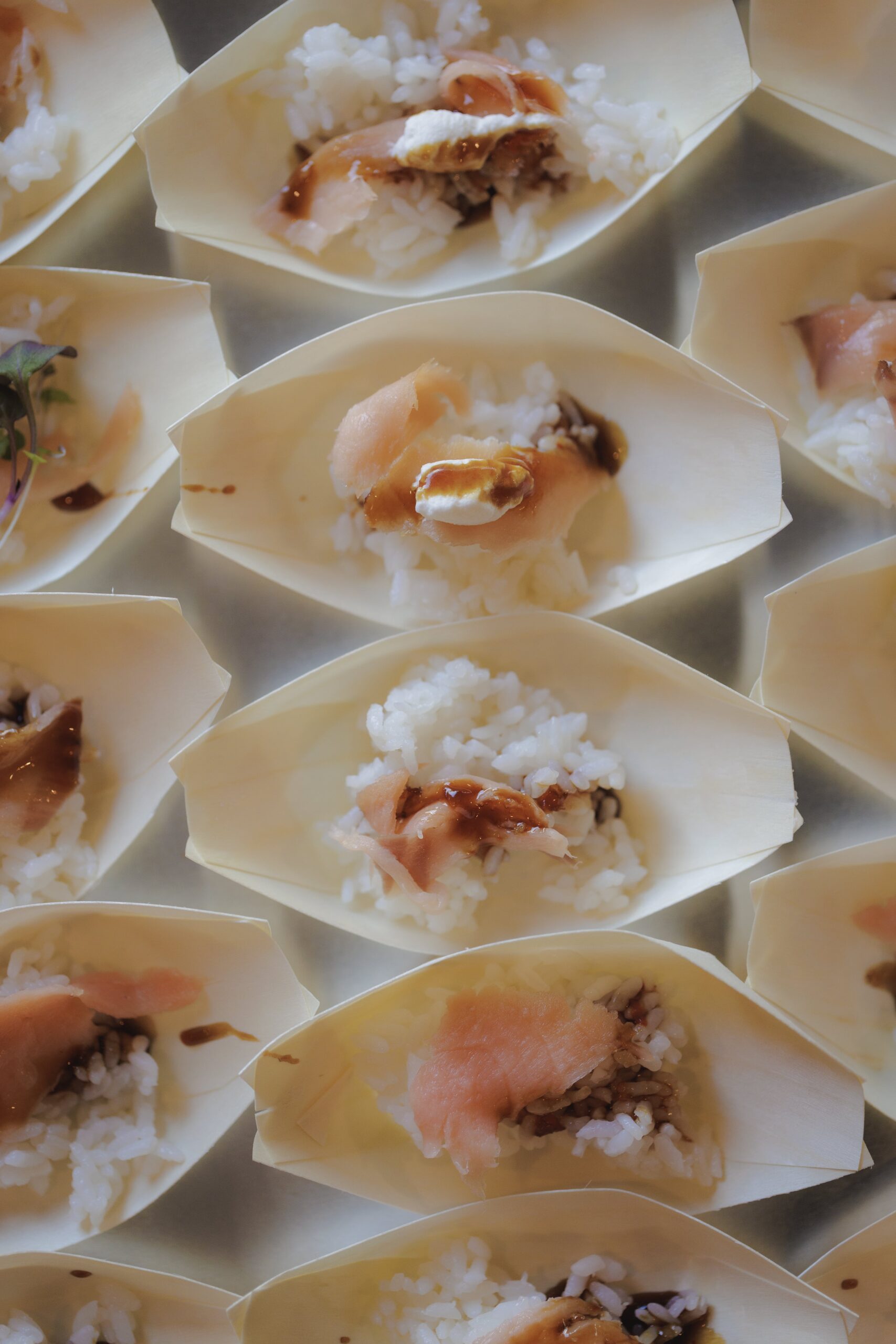
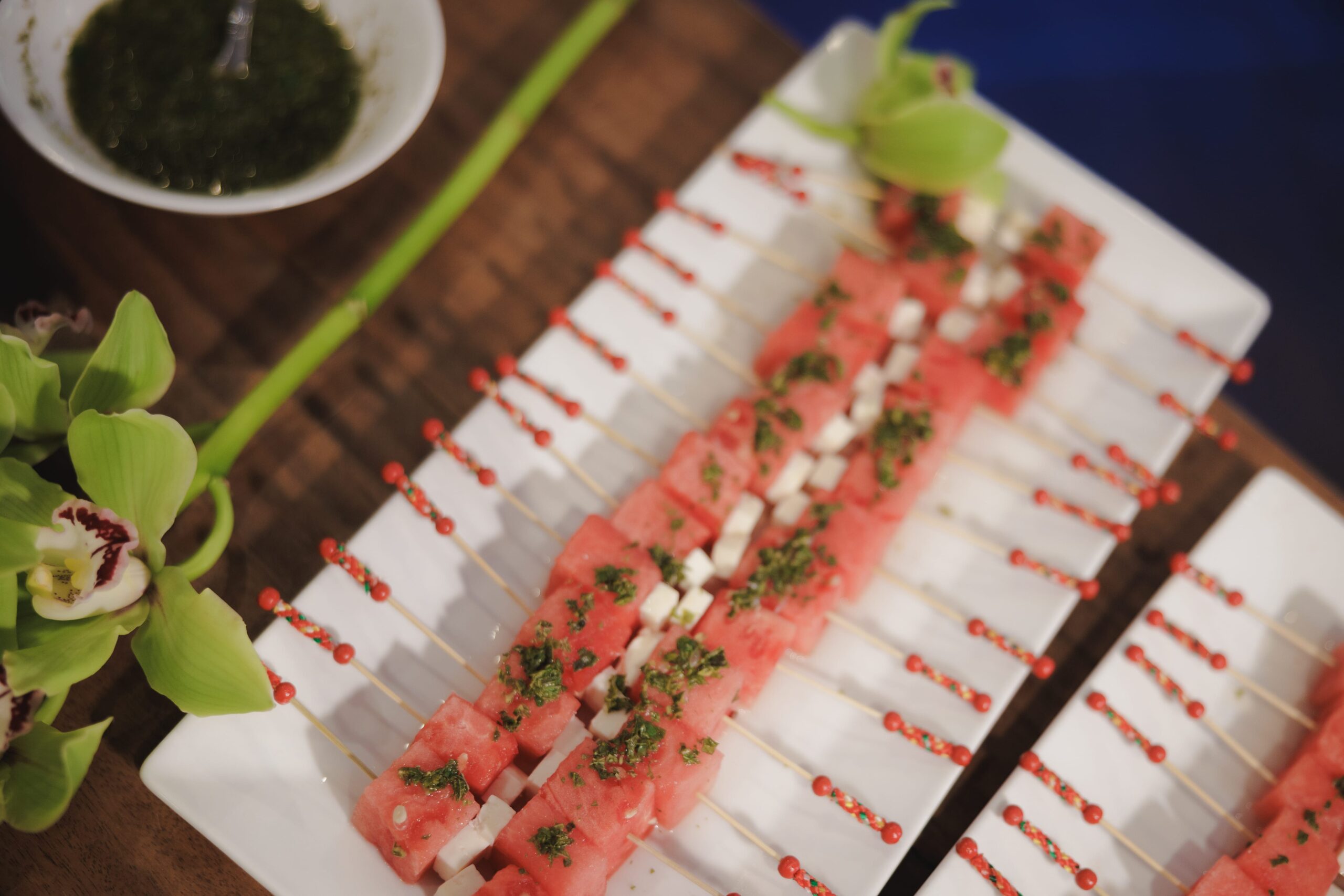
An opening-night reception or post-program cocktail hour should feel effortless for guests, even when many details are working behind the scenes. Passed hors d’oeuvres are especially suited to this format because they keep hands free, encourage mingling, and maintain a polished flow throughout the room.
Choose bites that are easy to enjoy in one or two bites and visually distinctive enough to complement the occasion. Pairing them with a crafted cocktail program, sparkling wine, or a nonalcoholic welcome beverage gives guests an immediate sense of arrival. This is an excellent opportunity to introduce local flavor through refined interpretations of Puerto Rican ingredients.
A reception is not always intended to replace dinner. If guests are expected to stay for several hours, or if the event falls during a traditional dinner period, the menu should be substantial enough to match that expectation. Clear communication in the invitation helps guests understand whether they are attending cocktails and light fare or a full evening dining experience.
Refreshment breaks that feel intentional
Coffee breaks may be brief, but they are rarely insignificant. They give attendees a chance to reset, make a connection, or absorb what they have just heard. Repeating the same cookies and coffee all day can make a carefully planned conference feel routine.
Consider giving each break its own purpose. A morning break might offer coffee, tropical fruit, and delicate pastries. An afternoon break can introduce chilled juices, savory bites, or petite sweets that provide energy without distracting from the next session. For multi-day conferences, varied breaks help the program retain its freshness.
Match Service Style to the Agenda, Not Just the Guest Count
The most successful conference menus respect the real pace of the day. A large guest count does not automatically require a buffet, and a small group does not always need plated service. What matters is how guests will move, how much time is available, and whether the meal is meant to facilitate discussion, celebration, or efficient refueling.
Build in more time than seems necessary for arrivals and transitions. Guests do not experience a 45-minute lunch as 45 minutes of dining. They experience it as time to leave a session, find the dining area, select food, eat, connect, and return. For tight programs, individually composed lunches or carefully structured stations may be a better choice than a buffet that creates long lines.
A trusted catering partner will ask practical questions before proposing a menu: Will guests be seated? Is there a keynote immediately after lunch? Are executives hosting clients? Does the program include international visitors? These details shape service as much as the cuisine itself.
Bring a Sense of Place to the Table
For conferences hosted in Puerto Rico, a menu can offer guests more than excellent food. It can give them a graceful introduction to the island. The goal is not to turn every meal into a theme, but to incorporate local ingredients, color, and culinary character with restraint and imagination.
A familiar format can be elevated with seasonal tropical fruit, fresh seafood, locally inspired sauces, or desserts that reference beloved flavors in a refined presentation. This approach is especially meaningful for destination conferences, where attendees want an experience that could not have been replicated in a hotel ballroom anywhere else.
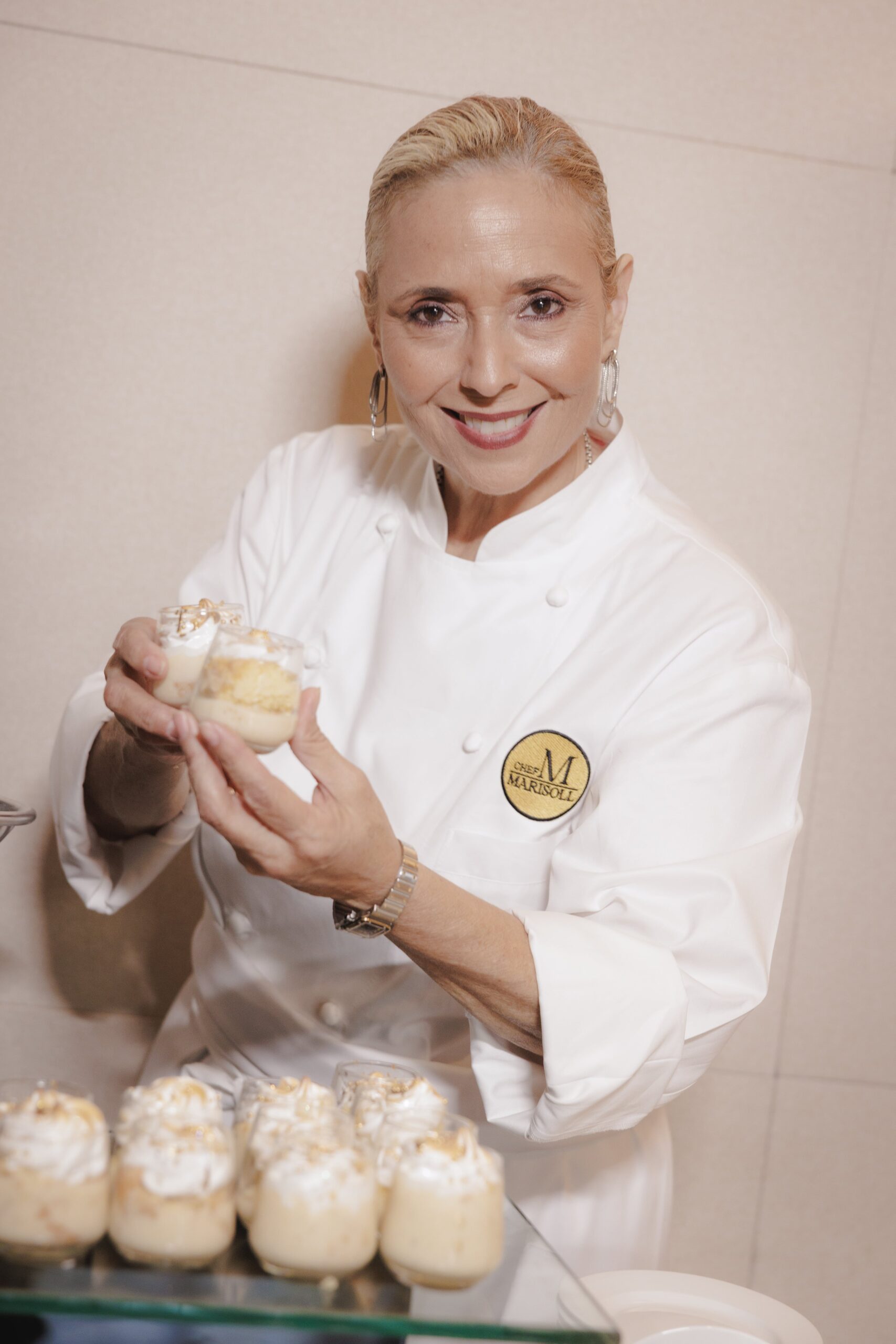
Chef Marisoll Events approaches conference dining as an extension of the occasion itself: crafted menus, gracious service, and details that allow hosts to focus on their guests. The most memorable format is the one that feels perfectly suited to your people, your program, and the moment you are bringing them together.