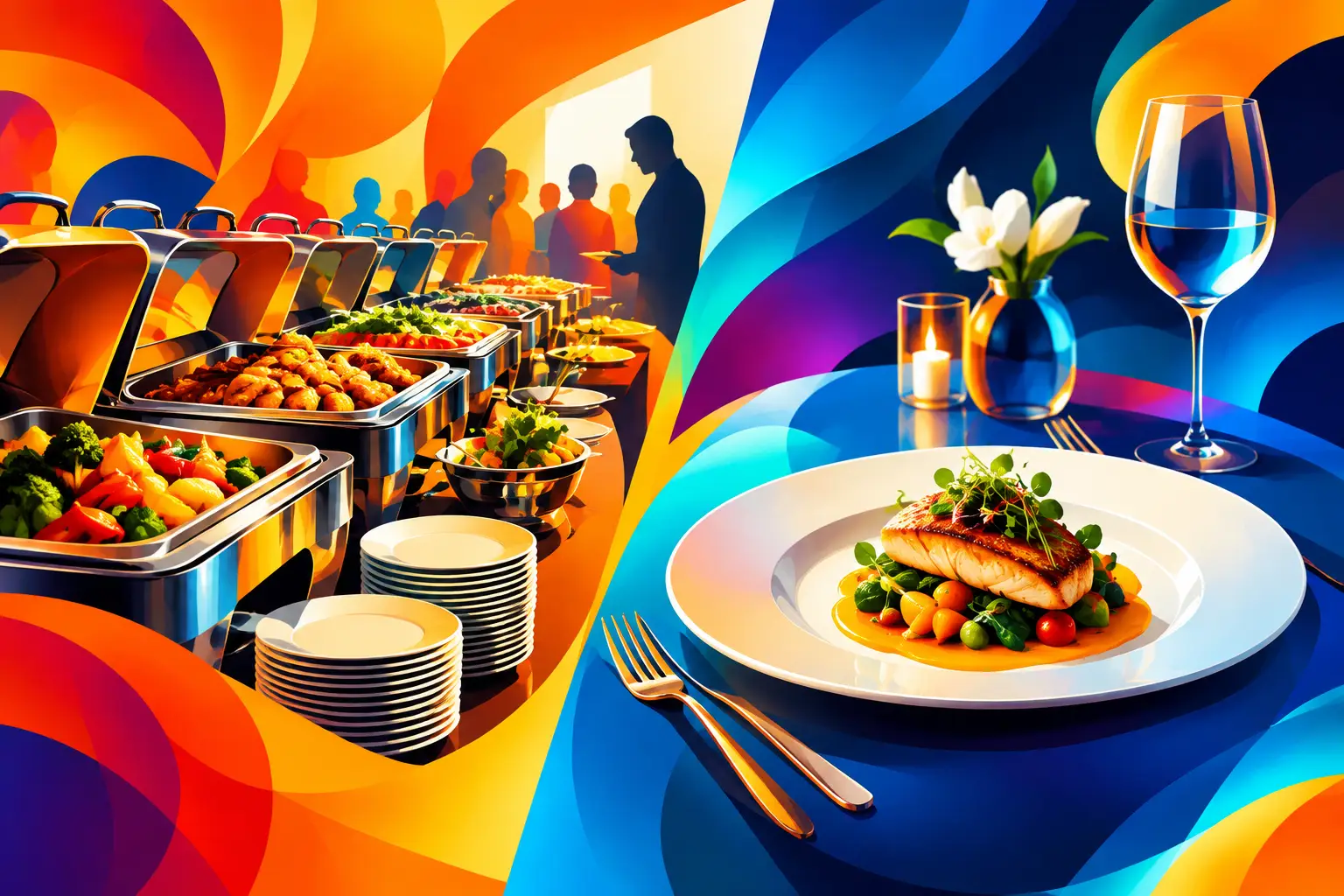
The first course sets the rhythm for the entire celebration. Will guests settle into an elegant, paced dinner experience, or move through a lively culinary presentation filled with choice and conversation? When weighing buffet stations versus plated meals, the right answer is not simply about serving food. It is about how you want guests to feel, connect, and remember the occasion.
For a destination wedding in Puerto Rico, an executive reception, or an intimate milestone dinner, both formats can be beautifully executed. The distinction lies in the atmosphere, timing, guest dynamics, and level of personalization each one creates.
Buffet Stations Versus Plated Meals: The Essential Difference
A plated meal brings a composed course directly to each guest. It is structured, gracious, and intentionally paced. A station-style meal invites guests to explore multiple chef-curated displays, selecting dishes as they move through the space.
Neither format is inherently more luxurious than the other. Luxury comes from the quality of the menu, the precision of the service, the presentation, and the attention given to each guest. A plated dinner may feel especially formal and intimate, while thoughtfully designed buffet stations can feel abundant, interactive, and visually spectacular.
The decision begins with the experience you hope to create rather than a fixed rule about event size or budget.
When Plated Service Is the Right Choice
Plated service is a natural fit for celebrations where refinement, ceremony, and a carefully orchestrated flow are priorities. Guests remain seated while each course arrives at the table, allowing the room to stay focused on conversation, speeches, music, and the visual details of the event.
For weddings, this format can create a sense of occasion during the reception. The couple enters the dining experience with every guest already seated, speeches can be timed between courses, and the evening carries a graceful progression from cocktail hour to dessert. At private dinners, plated service gives hosts more uninterrupted time with the people they have gathered.
A polished visual statement
A plated entrée is a chef’s composition. The arrangement, color, sauce work, and portioning arrive exactly as envisioned, creating a consistent presentation at every place setting. This is especially meaningful for a formal gala, a museum-based event, or a wedding with an elevated tablescape where every detail has been considered.
Plated meals also support menus built around a defined culinary narrative. A first course might introduce bright local ingredients, followed by a main course that balances classic technique with Puerto Rican influence. Each plate becomes part of the evening’s story.
A more predictable service timeline
Because courses are served at once, plated meals offer strong control over timing. This is valuable when an event has performances, presentations, toasts, or a tightly planned reception schedule. Guests are not waiting in lines or wondering when to approach a station, and the host can coordinate key moments around the meal.
There are practical considerations, however. Guest entrée selections need to be collected in advance, seating assignments must be accurate, and the service team must know where each dietary meal belongs. These details are entirely manageable with experienced planning, but they require thoughtful coordination before the event.
Why Buffet Stations Can Feel So Generous
The word buffet can bring to mind a single serving line, but elevated stations are a different experience altogether. Multiple culinary moments are arranged throughout the venue, each with its own personality, presentation, and chef-led appeal. Guests can enjoy a carved entrée, a vibrant seasonal salad, a seafood display, or a Puerto Rican-inspired specialty while moving naturally through the room.
Stations are particularly well suited to celebrations where mingling is part of the vision. They create movement, encourage guests from different tables to meet, and give the meal a relaxed but sophisticated energy. For a corporate gathering, they can make networking feel more natural. For a wedding, they allow guests to shape a plate that reflects their tastes.
More variety for diverse guest preferences
A station format offers an elegant answer when a guest list includes varied palates, dietary needs, and age groups. Rather than asking each guest to commit to one entrée weeks ahead, a crafted selection allows more freedom in the moment.
This does not mean offering an unfocused assortment of dishes. The most successful stations are edited with care. They share an ingredient story, a regional influence, or a complementary range of flavors. A menu may pair refined island classics with contemporary presentations, allowing guests to experience variety without losing the event’s culinary point of view.
A livelier social atmosphere
Stations shift the energy of a room. The meal becomes active and conversational, with food displays serving as natural gathering points. This can be ideal for a celebration with a larger guest count, an extended cocktail-style reception, or an event where dancing and socializing are meant to begin early.
The trade-off is that stations require smart room planning. Placement, traffic flow, and service pacing matter. A beautiful station should invite guests forward without creating congestion near the dance floor, bar, or entrance. With enough stations and attentive staff, the experience feels effortless rather than rushed.
Consider Your Venue, Guest Count, and Schedule
The best meal format often becomes clearer once the setting is considered. A formal ballroom with a seated dinner program may call for plated service, while a gallery, garden, terrace, or open-format venue may lend itself to a more exploratory station experience.
Guest count matters, but not in the way many hosts assume. A smaller event can enjoy stations when the goal is warmth and interaction. A large event can still feel highly refined with plated service when the culinary and service teams are equipped for precise execution. The more useful question is how much movement the event can comfortably accommodate.
Also consider the schedule. If speeches, awards, or entertainment must happen at exact times, plated courses provide a disciplined framework. If the evening is designed around cocktails, conversation, and a flexible flow, stations can keep the momentum alive. For events with a short dining window, either format can work, but the service plan should be designed around the timing from the start.
Let the Menu Lead the Decision
Certain dishes shine in one format more than the other. A delicate fish course, a composed filet presentation, or a layered dessert is often most striking when plated. The guest receives the dish at its ideal temperature and with every element intact.
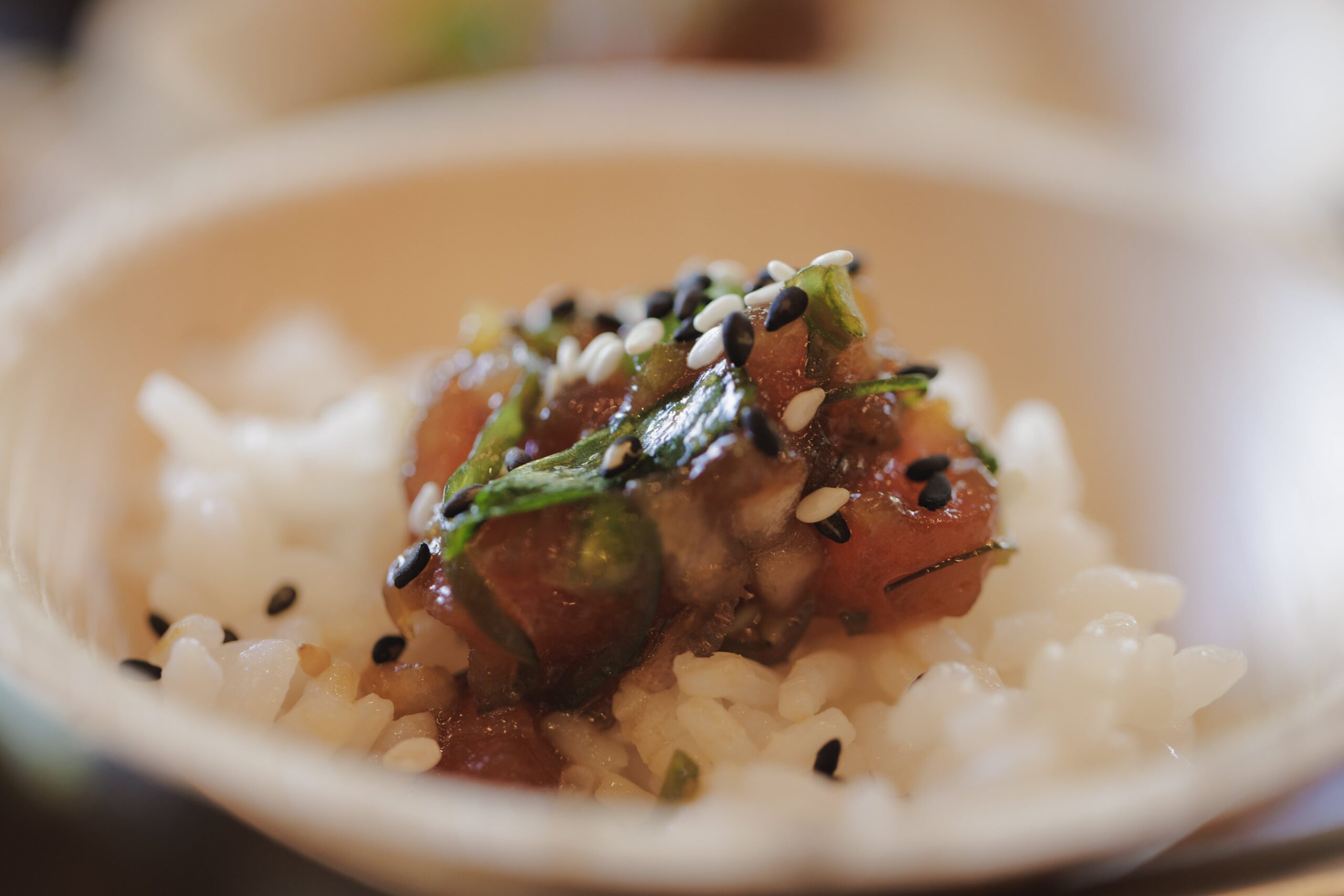
Other dishes invite abundance and personalization. A carving station, a seafood display, artisan pasta finished to order, or a vibrant array of Caribbean accompaniments becomes more memorable when guests can see the ingredients and choose their favorites. Action stations can add theater as chefs finish a dish in view of the room.
Seasonality should also guide the menu. Puerto Rico’s ingredients offer extraordinary color and flavor, from tropical fruits and fresh seafood to herbs and root vegetables. Whether presented as an individual plate or a generous station, those ingredients should feel intentional, not decorative.
The Hybrid Option for Hosts Who Want Both
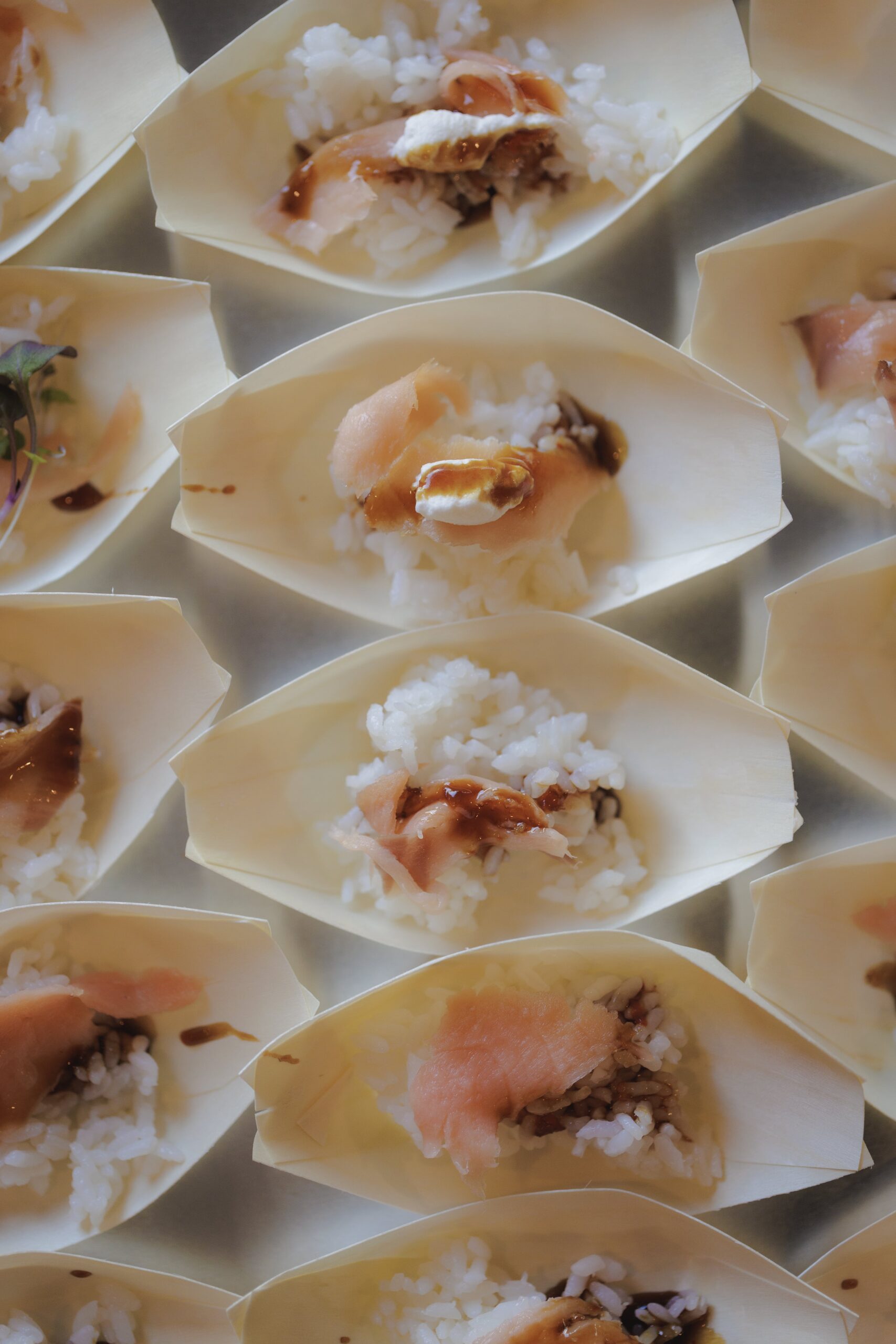
For many events, the most compelling answer is neither fully plated nor fully station-based. A hybrid approach can begin with passed hors d’oeuvres and a chef-attended station during cocktail hour, followed by a plated entrée. It can also feature a plated first course before guests move to curated dessert, coffee, or late-night stations.
This format preserves the polished cadence of a seated meal while introducing the variety and social appeal of interactive dining. It is particularly effective for weddings and destination celebrations, where guests appreciate both elevated service and a sense of discovery.
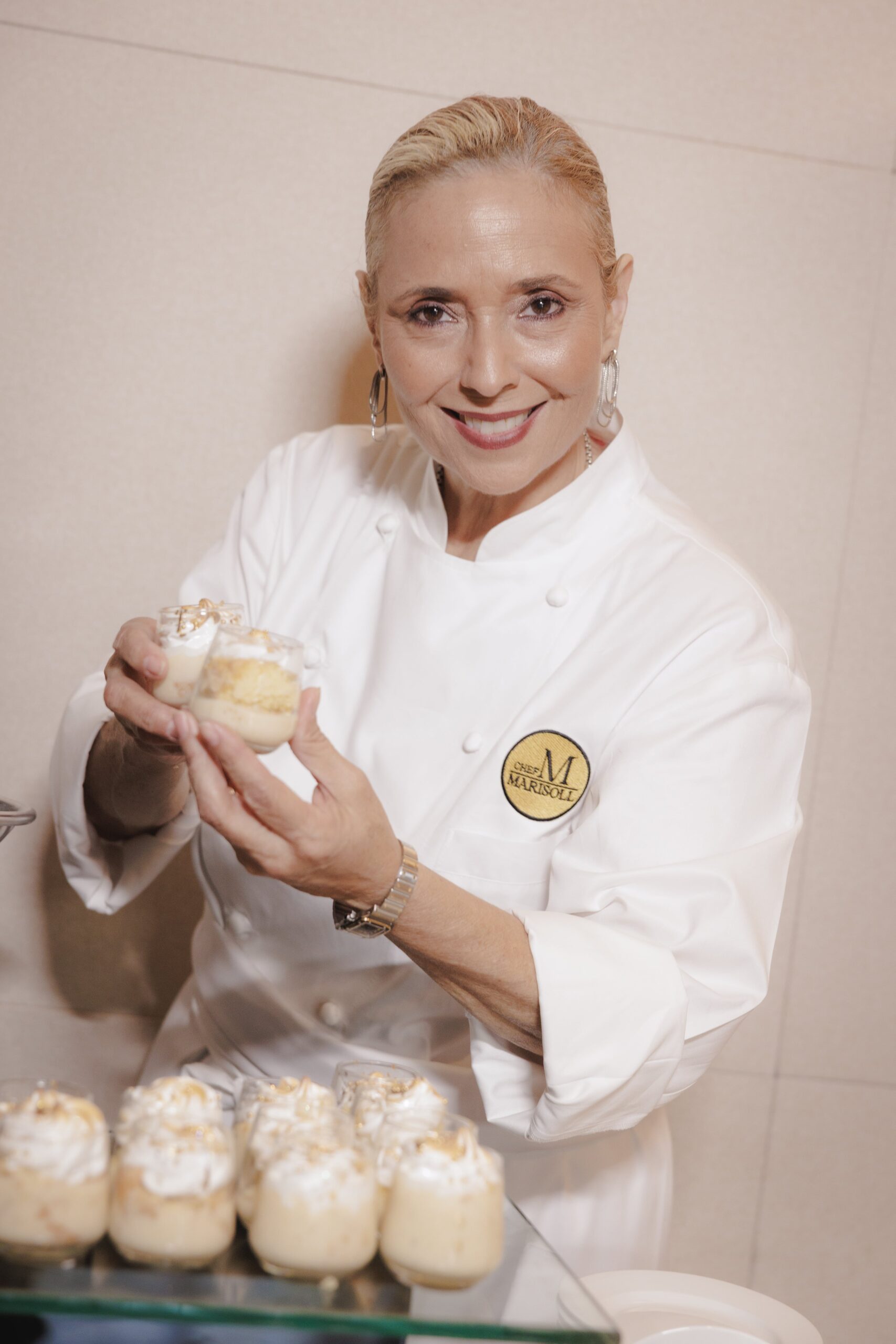
At Chef Marisoll Events, menu design begins with the occasion itself: the people in the room, the setting, the desired pace, and the feeling a host wants to leave behind. The meal format is then shaped around that vision, with service and presentation considered as carefully as every flavor.
Choose plated service when the evening calls for ceremony, composed elegance, and a measured pace. Choose stations when you want culinary exploration, conversation, and generous variety. The most gracious choice is the one that lets your guests feel completely cared for while the celebration unfolds exactly as you imagined.