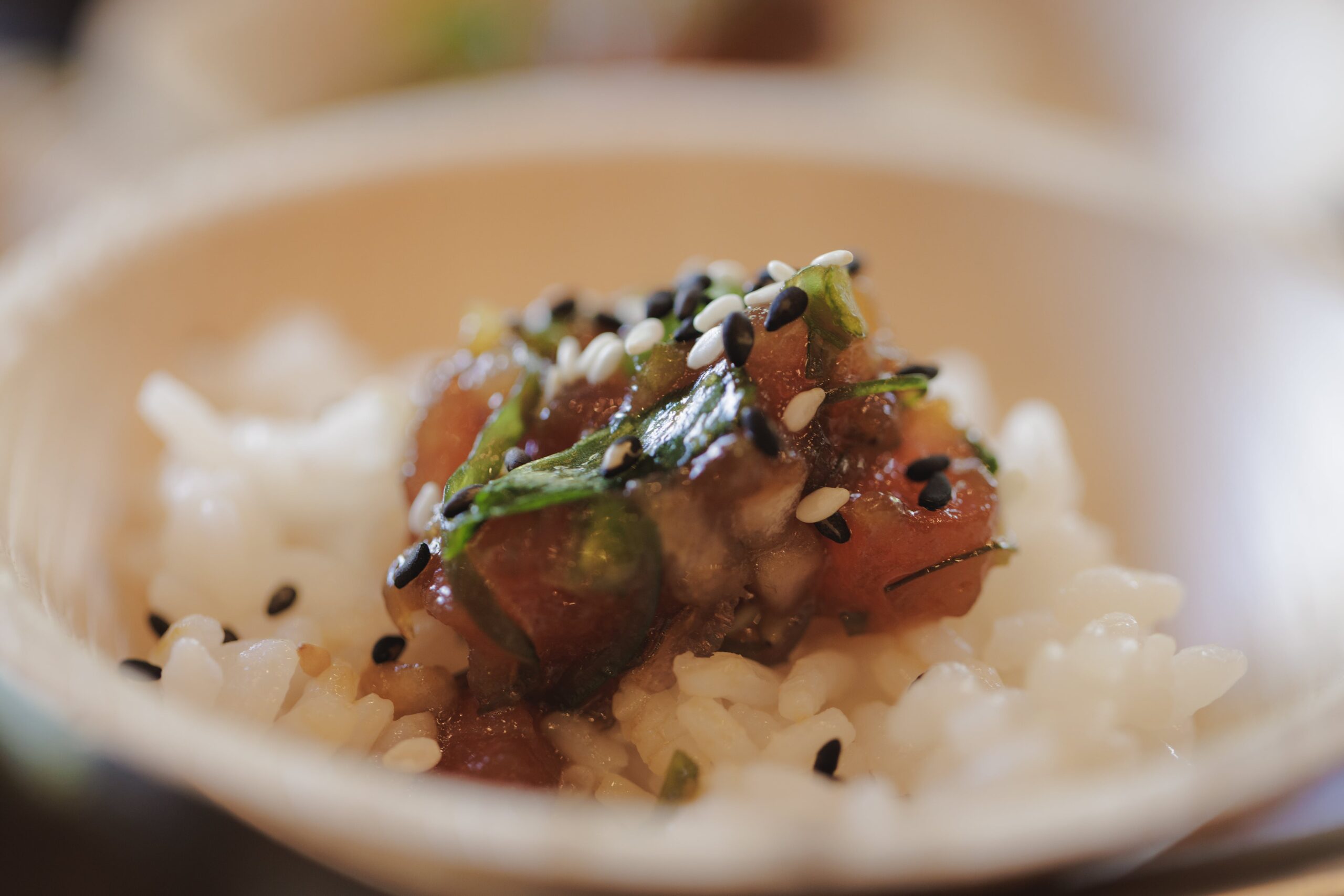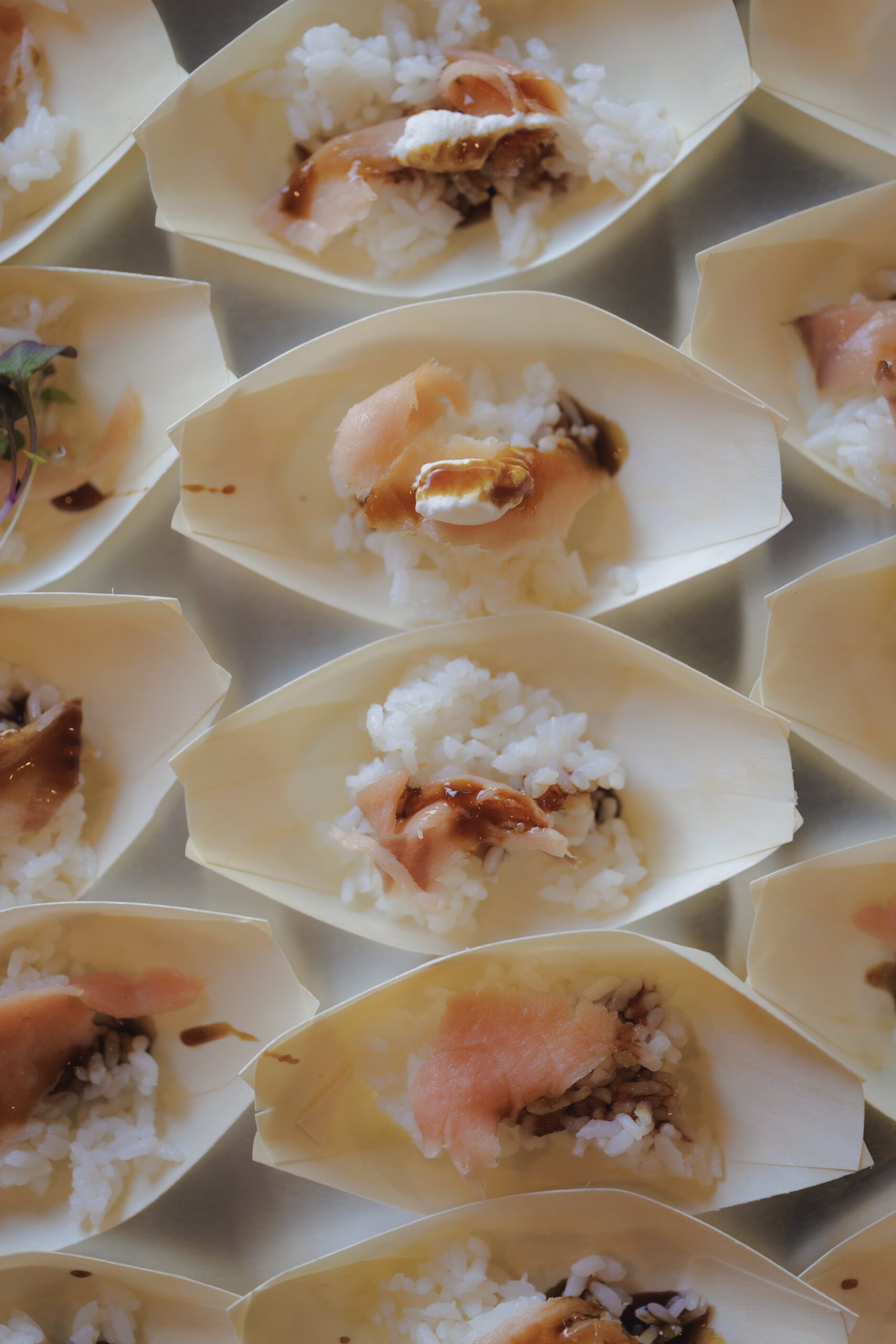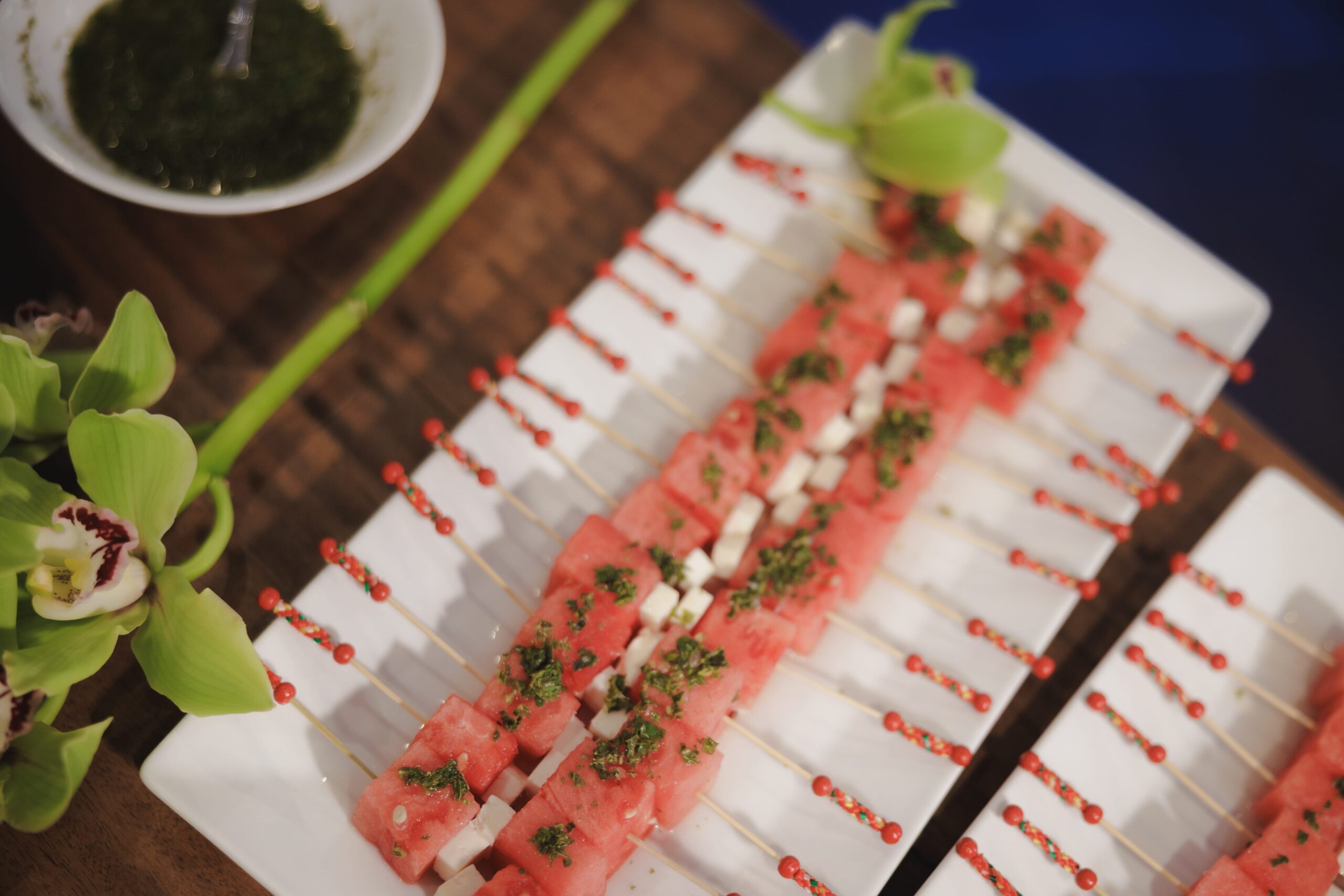
A beautiful venue, thoughtful guest list, and impeccable floral design can set an occasion in motion. Yet it is often the meal that gives guests their most lasting impression of how the celebration felt. The benefits of chef driven catering extend far beyond excellent food: they bring a clear culinary point of view, personal attention, and the confidence that every course belongs to the moment.
For a destination wedding in Puerto Rico, a board dinner with important clients, or an intimate milestone celebration, catering should never feel like an item checked off a planning list. It should feel considered. A chef-led experience turns hospitality into a meaningful expression of the host’s vision.
1. A Menu Created for Your Occasion
Chef-driven catering begins with a conversation, not a fixed package. The menu is shaped around the event’s purpose, setting, guest profile, and desired atmosphere. A sunset reception on the coast calls for a different rhythm than a formal dinner at a museum hall, just as a celebratory family gathering should not mirror an executive luncheon.
This approach allows every course to feel intentional. A couple may wish to honor Puerto Rican heritage through refined interpretations of familiar flavors. A corporate host may need an elegant menu that supports conversation and moves efficiently between presentations. For a private dinner, the goal may be warmth, rarity, and dishes that encourage guests to linger at the table.
The result is more than customization for its own sake. It is a menu with a point of view, designed to complement the event rather than compete with it.
2. The Benefits of Chef Driven Catering Include Better Guest Care
Discerning hosts know that a guest list rarely shares one set of preferences. There may be vegetarian guests, gluten-free needs, food allergies, cultural considerations, or guests who simply appreciate lighter, more contemporary options. A chef-led catering team considers these details early, so accommodations are integrated gracefully into the meal.
That distinction matters. Guests should feel cared for, not singled out with an afterthought on a separate plate. When alternatives receive the same attention to flavor and presentation as the main menu, everyone can participate fully in the occasion.
There is also practical value in having a culinary professional guide these decisions. Not every request belongs on every menu, and an experienced chef can recommend thoughtful adjustments that preserve the integrity of the overall experience. The goal is generosity without creating an unfocused collection of dishes.
3. Presentation Becomes Part of the Experience
At an elevated event, guests begin dining with their eyes. The color of a seasonal garnish, the architecture of a plated entrée, the texture of a passed hors d’oeuvre, and the styling of a food station all contribute to the room’s visual language.
Chef-driven catering brings culinary artistry into alignment with the event design. This is especially important for celebrations where photography, ambiance, and a sense of occasion matter deeply. The meal should look at home beside the tablescape, floral composition, lighting, and venue character.
Presentation does not mean food that is precious or impractical. It means the service style has been chosen with purpose. An elegant plated dinner creates a sense of ceremony. Stations can encourage movement and discovery at a livelier reception. A polished cocktail format can give a VIP event energy while still offering substance. Each choice influences how guests experience the evening.
4. Puerto Rican Flavor Can Be Expressed with Sophistication
For clients hosting in Puerto Rico, local flavor can offer something guests cannot recreate elsewhere. A chef-driven menu makes room for that sense of place while maintaining the refinement expected of a luxury celebration.
The finest expression of Puerto Rican culinary influence is not a decorative gesture. It comes from understanding ingredients, seasonality, balance, and the memories food can evoke. Familiar flavors may appear in a more polished form, while locally inspired ingredients can bring freshness and distinction to a menu built for an international guest list.
This is especially meaningful for destination weddings and celebrations that bring family and friends to the island. The dining experience becomes part of the story guests take home: not only that they attended a beautiful event, but that they felt connected to Puerto Rico through its hospitality and cuisine.
5. A Chef’s Leadership Supports Flawless Service
The best event meals require more than a strong menu. They demand timing, communication, and composure behind the scenes. A chef-led team understands how the kitchen, servers, event planner, venue staff, and bar program must work together to keep the occasion moving with ease.
For a plated dinner, this may mean synchronizing courses so an entire table is served at the proper temperature and without interrupting a toast or performance. For a wedding, it can mean planning the transition from cocktail hour to dinner around the couple’s entrance, speeches, and dancing. At a corporate function, it may mean maintaining an efficient pace that respects a carefully planned agenda.
Guests rarely see this orchestration when it is done well. They simply feel that the evening has been graciously paced and that someone has anticipated what is needed before it is asked for. That is one of the quiet luxuries of experienced hospitality.
6. You Receive Clear Guidance, Not Just Food Choices
Planning an event often involves a surprising number of culinary decisions: How much food is appropriate? Should dinner be plated or presented as stations? Is a late-night offering needed? What will work best for a mixed-age guest list? How should the menu change for an outdoor event or an afternoon celebration?
A chef-driven caterer serves as a trusted adviser throughout this process. Rather than asking a host to build a meal from a long list of disconnected options, the team can recommend a cohesive direction based on the event’s goals.
That guidance is particularly valuable when balancing ambition with practicality. A highly elaborate menu may be perfect for a smaller formal dinner, while a larger celebration may benefit from a format that preserves quality while allowing guests to dine comfortably. Luxury is not defined by complexity alone. It is defined by choices that feel effortless for the people in the room.
7. The Meal Leaves a More Personal Impression
Guests may not remember every centerpiece or every song, but they remember being welcomed. They remember the first bite that surprised them, the beauty of a course placed before them, and the feeling that the evening reflected the people who brought everyone together.
This is where chef-driven catering offers its most meaningful advantage. It gives an event personality. Instead of serving a menu that could appear anywhere, the host presents an experience that feels rooted in the occasion, the location, and the people being honored.
For more than four decades, Chef Marisoll Events has approached hospitality with that level of care, pairing crafted menus and refined presentation with the warmth that makes guests feel genuinely received. Whether hosted in an exclusive setting such as the Puerto Rico Museum of Art or a private venue selected for a special celebration, the food becomes part of the atmosphere guests remember.
Choosing the Right Culinary Partner
Chef-driven catering is not automatically the right choice for every gathering. If the priority is simply feeding a very large crowd at the lowest possible cost, a standardized approach may be more practical. But for events where relationships, reputation, and meaningful celebration are at stake, the difference is substantial.
When meeting with a caterer, ask how they learn about the occasion, how dietary needs are handled, who will guide service on the event day, and how the menu will reflect the setting. Look for thoughtful questions in return. A true culinary partner wants to understand not only what you would like to serve, but how you want your guests to feel.
Begin with the feeling you want to create: celebratory, intimate, impressive, relaxed, or deeply rooted in place. From there, the right chef can shape an exceptional culinary experience that makes every guest feel they were invited to something truly special.