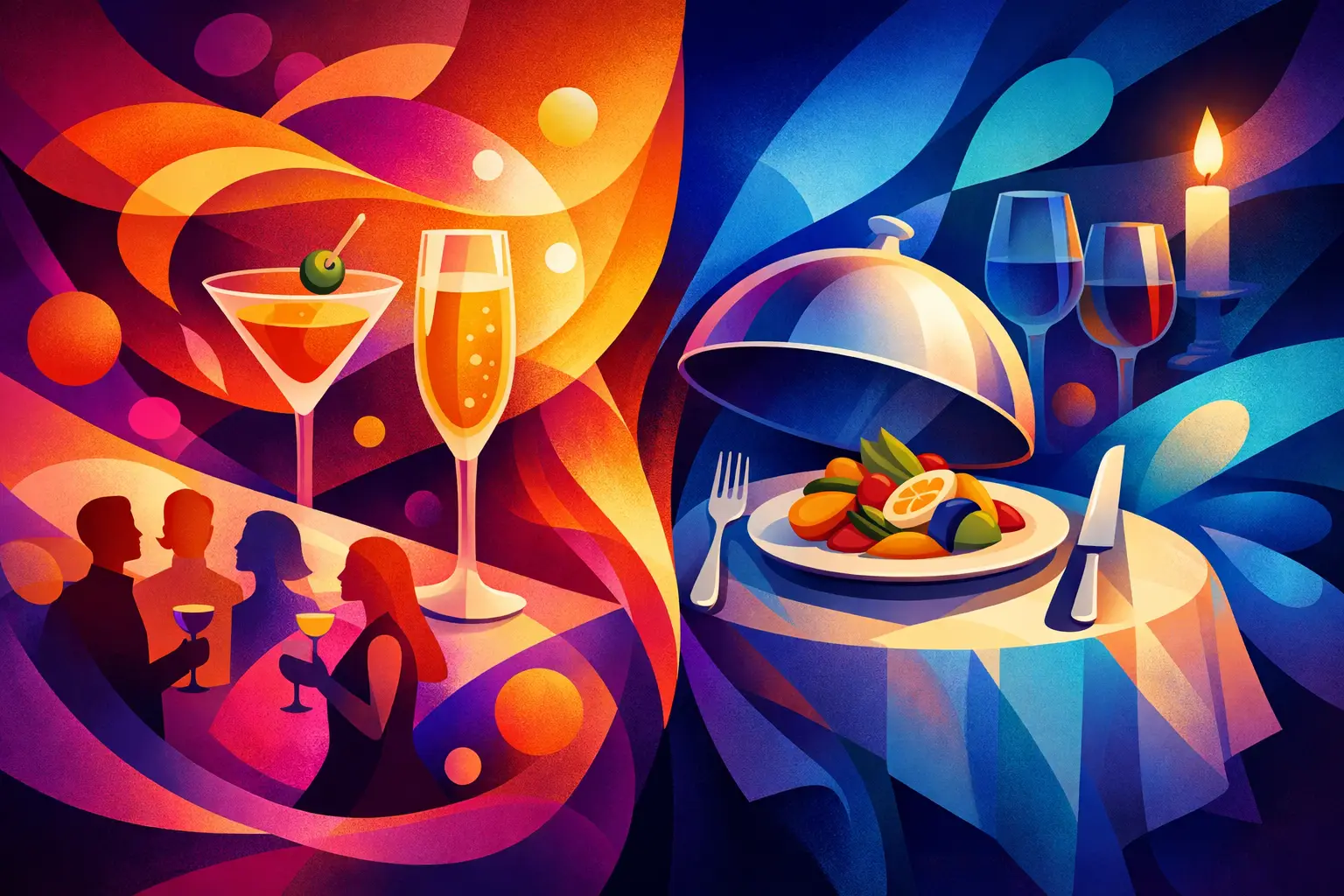
A room can change character the moment dinner begins. Guests who were mingling over passed hors d’oeuvres may settle into a hushed, candlelit dining room, or they may continue circulating between chef-attended stations as conversation gathers momentum. The choice between a cocktail reception versus seated dinner is not simply about how food is served. It sets the pace, formality, and emotional rhythm of the entire occasion.
For a destination wedding in Puerto Rico, an executive gathering, or a milestone celebration, the right format begins with a clear question: How do you want guests to feel in the room? Relaxed and free to connect? Honored by a formal shared meal? Energized by discovery and movement? Each approach can be extraordinary when the menu, service, venue, and guest experience are designed as one.
What This Dining Decision Changes
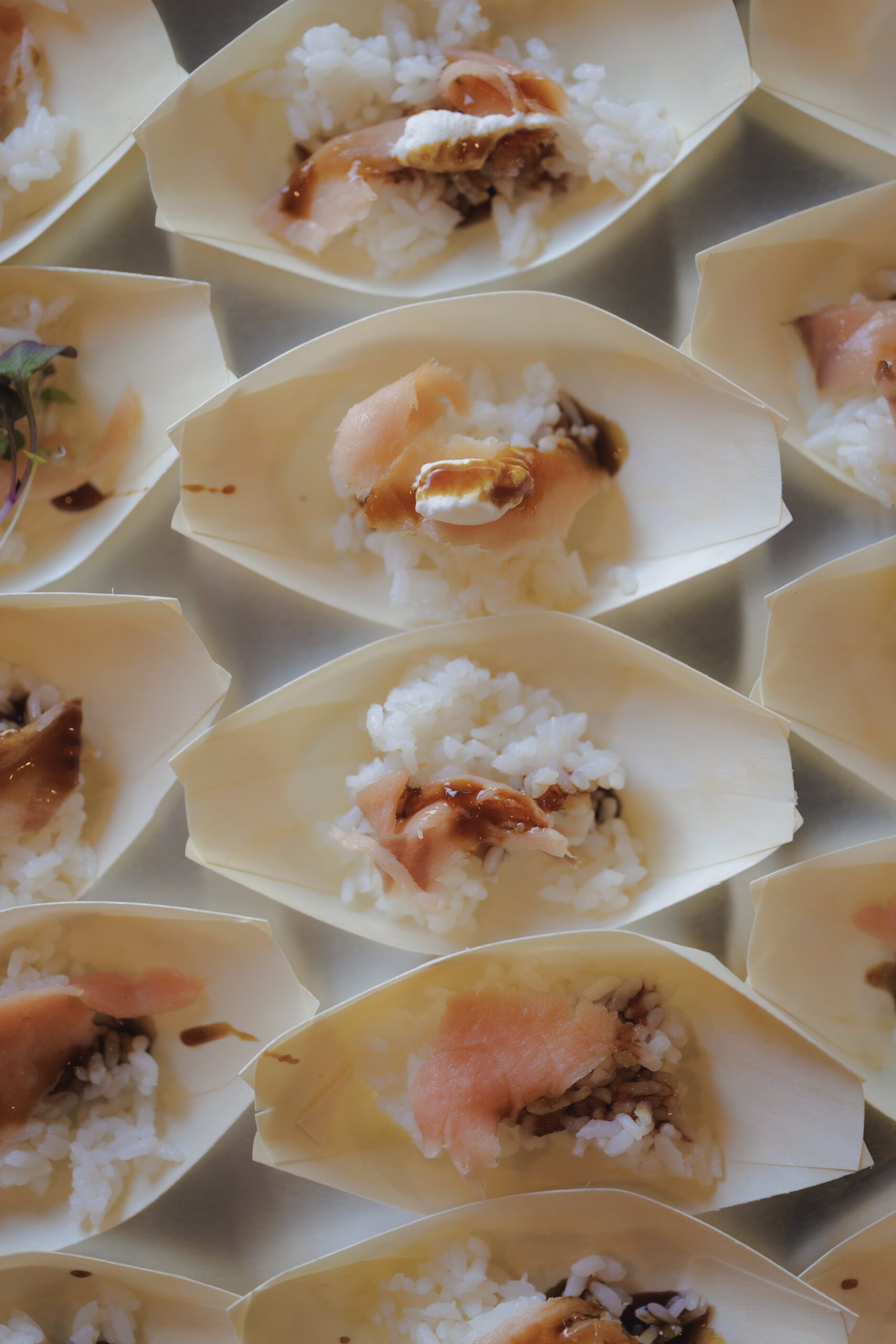
A cocktail reception creates a fluid event. Guests move, meet, and choose their own moments for conversation. Culinary offerings arrive in a sequence of small experiences, from refined passed bites to dramatic food stations that invite interaction. This format often feels contemporary, social, and particularly suited to celebrations where networking or dancing is central to the evening.
A seated dinner creates an intentional pause. Every guest is welcomed to a designated place, courses arrive with considered timing, and the host has a natural setting for toasts, presentations, or heartfelt remarks. It brings a sense of ceremony that can feel especially meaningful for a wedding reception, anniversary, gala, or private dinner with a strong emphasis on hospitality.
Neither option is inherently more luxurious. Luxury comes from the care behind the experience: a menu that feels personal, an elegant setting, graceful service, and the confidence that every guest has been considered.
Cocktail Reception Versus Seated Dinner: The Experience
The energy of a cocktail reception
A cocktail reception is ideal when connection is the purpose of the event. At a corporate VIP reception, for example, guests may gain more from the freedom to meet several people than from remaining at one table for two hours. At a wedding welcome party, the relaxed format helps friends and family from different places begin to know one another before the main celebration.
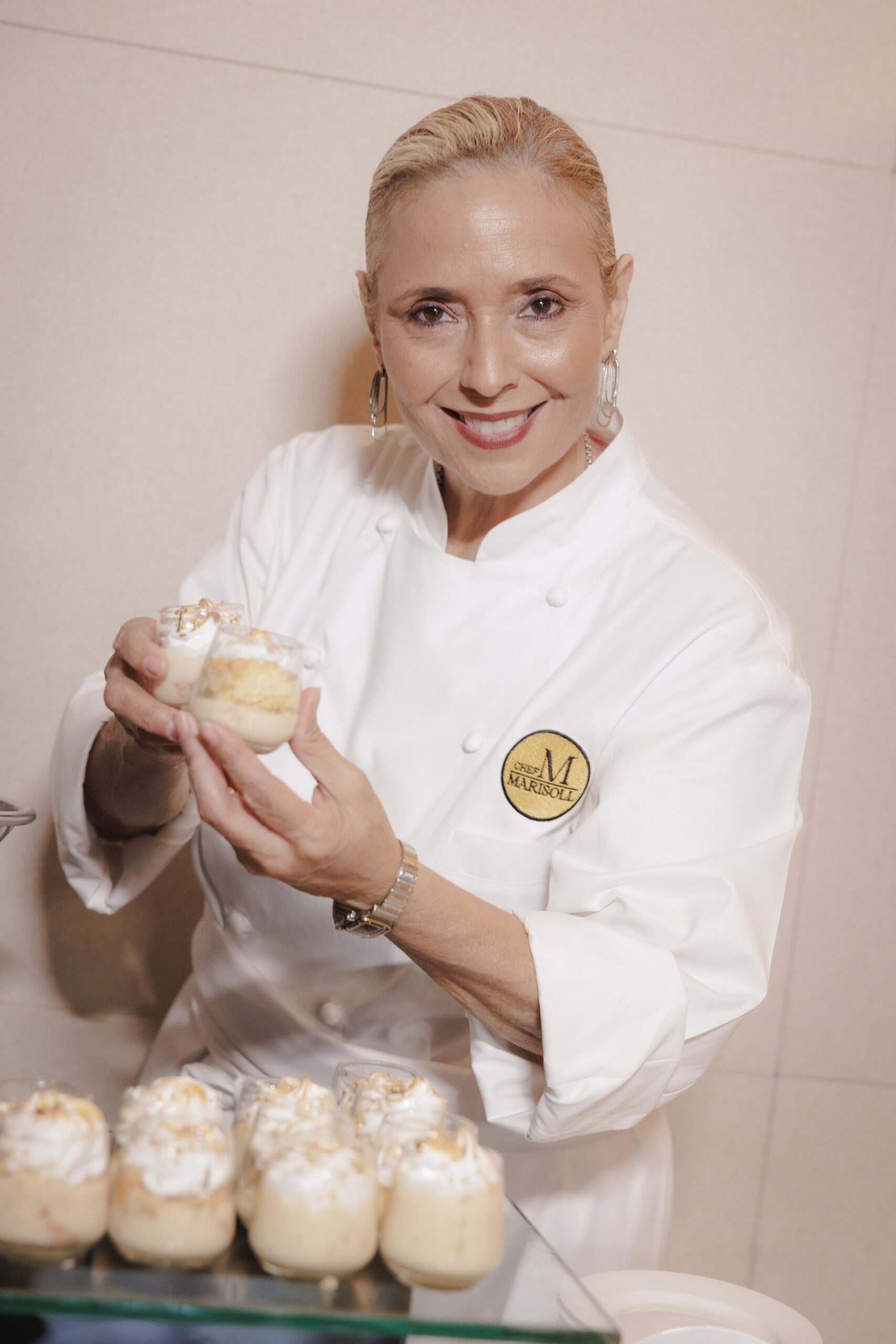
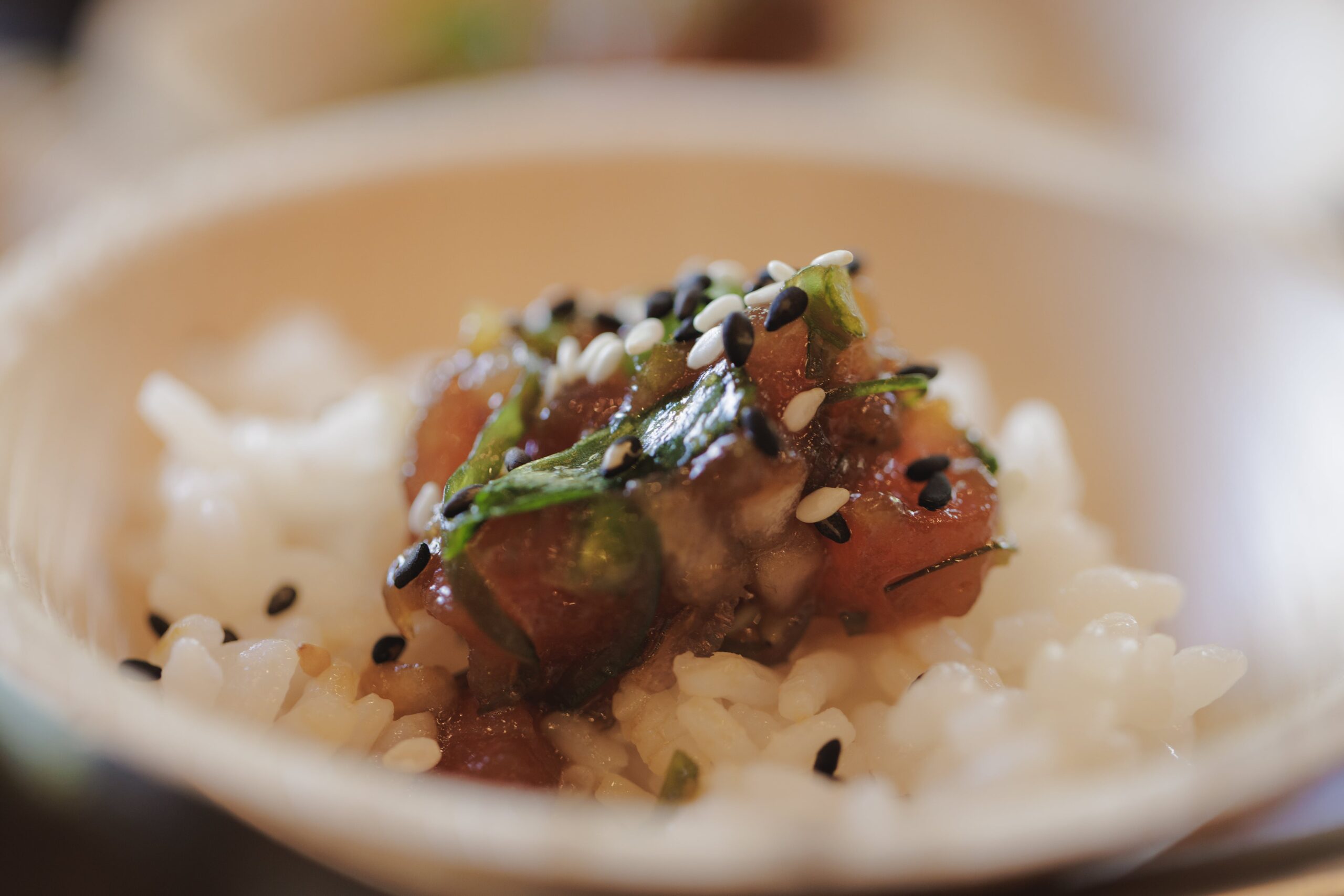
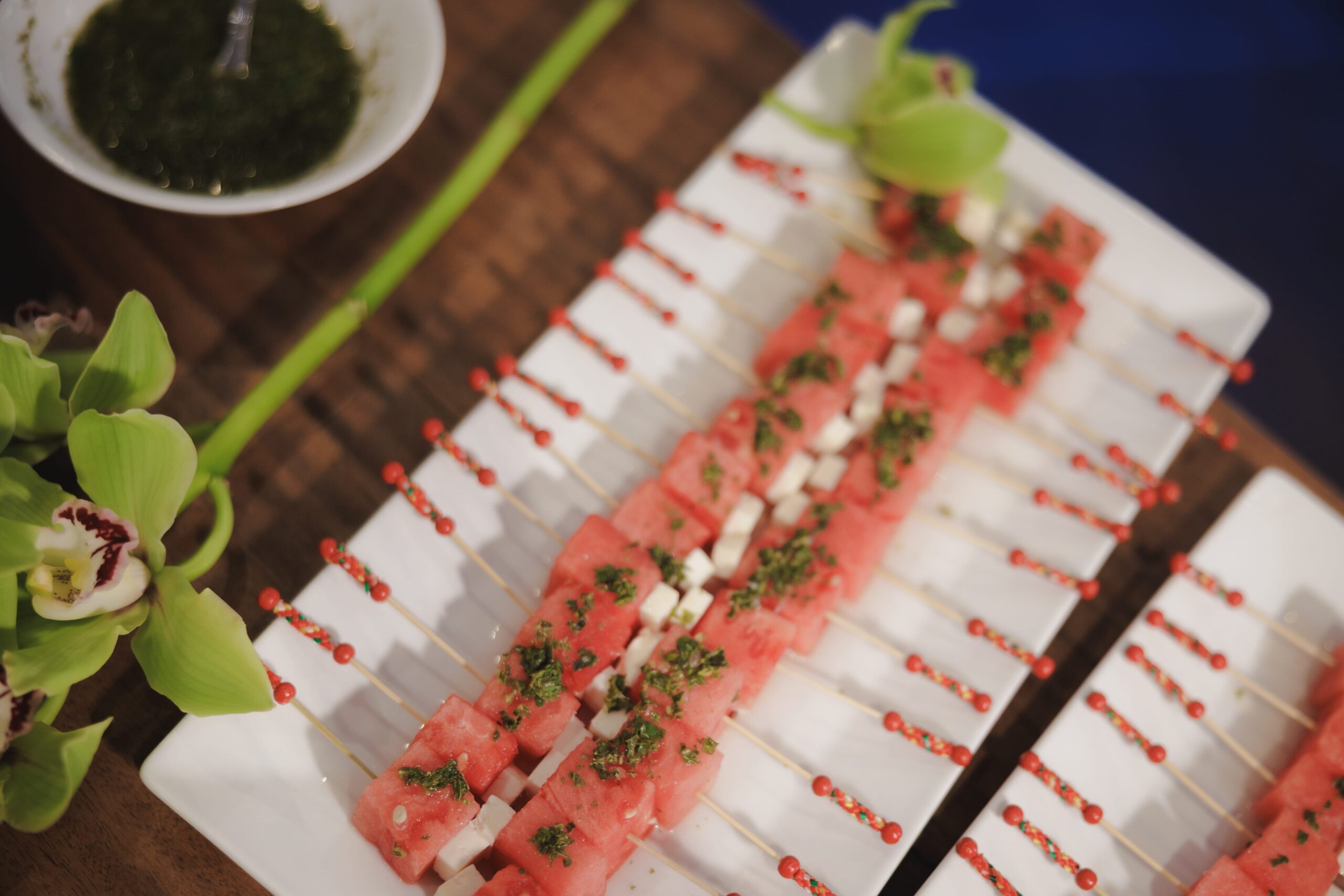
The culinary opportunity is equally compelling. A chef-led menu can express Puerto Rican influence through polished, bite-sized compositions, seasonal seafood, artful plantain preparations, or modern interpretations of familiar island flavors. Stations can become visual moments in the room, while passed selections ensure guests are cared for wherever they are standing.
The trade-off is that a cocktail reception needs thoughtful planning to feel abundant rather than casual. If it takes place over traditional meal hours, the food must be substantial, varied, and consistently available. Seating should be plentiful enough for older guests, anyone with mobility considerations, and those who simply prefer a quiet place to enjoy a plate. Great flow feels effortless, but it is carefully choreographed.
The occasion of a seated dinner
A seated dinner gives a celebration a beautiful sense of arrival. Once guests take their places, the atmosphere becomes more focused. Place settings, floral design, lighting, and the first course work together to signal that this is not merely a meal. It is a shared occasion.
This format is particularly strong for hosts who want to honor guests with a classic, elevated dining experience. A plated menu allows for carefully composed courses and a refined visual presentation at every setting. It also supports a clear program, whether that includes speeches, a product announcement, a video presentation, or a wedding toast that deserves full attention.
Its trade-off is structure. Guests spend a longer portion of the evening at their tables, and introductions beyond the table may happen more slowly. For a highly social crowd, build in a welcoming cocktail hour beforehand and create a lively transition to dancing afterward. A seated dinner need not feel stiff. With warm service and a menu designed around the host’s story, it can feel deeply personal.
Choose the Format Around Your Guests
Guest count matters, but guest mix matters more. A celebration with many longtime friends and family members may flourish around tables where conversation can deepen over several courses. A gathering of clients, colleagues, and partners may benefit from the natural circulation of a reception, especially if new introductions are an event priority.
Consider the age range and travel experience of your guests as well. Destination wedding guests who have spent the day arriving, checking in, or enjoying the island may appreciate the ease of a reception with flexible seating and an unhurried atmosphere. On the other hand, guests attending an evening black-tie celebration may look forward to the tradition and comfort of a formal dinner.
The event’s timing should guide the decision. A late-afternoon cocktail reception can feel light and celebratory with sparkling wine, passed canapés, and stations that unfold as sunset approaches. An event beginning at 7:00 p.m. requires a more substantial culinary plan, whether that means a complete seated meal or a reception designed with generous savory offerings, desserts, and late-evening bites.
Let the Venue Set the Tone
The room should support the service style rather than fight it. A private hall with architectural presence, museum surroundings, or dramatic art can create an exceptional setting for a seated dinner, where guests have time to absorb the details around them. A reception can make the same room feel entirely different, using stations, lounge groupings, and bar placement to encourage discovery.
For outdoor or indoor-outdoor events, cocktail receptions often take advantage of views and warm Caribbean evenings. Guests can move naturally between spaces, while the culinary program gives them reasons to explore. Yet a seated dinner on a terrace or courtyard can be equally memorable when tables, lighting, and service are designed for comfort.
Weather planning is essential in Puerto Rico. A refined event experience always includes a confident alternative for rain, humidity, and wind. The best format is one that remains elegant no matter which plan the evening requires.
Menu Design Makes Either Format Feel Personal
A seated menu often begins with a choice between a duet plate, a single signature entrée, or preselected guest preferences collected in advance. This is an opportunity to create a composed culinary progression, perhaps beginning with a bright seasonal starter and building toward a main course that balances local ingredients with the tastes of an international guest list.
For cocktail receptions, variety becomes part of the artistry. The menu should offer a thoughtful mix of seafood, meat, vegetarian selections, and satisfying warm bites, with enough substance to meet the expectations of the time of day. A station is most successful when it is not simply a food display, but a polished moment of interaction and presentation.
In either format, dietary needs deserve the same attention as every other guest experience. Vegetarian, vegan, gluten-conscious, and allergy-aware preparations should feel intentionally crafted, not like an afterthought placed on the side. That standard of care is felt immediately.
The Best Answer May Be Both
Many of the most memorable events do not treat this as an either-or decision. A cocktail hour followed by a seated dinner gives guests time to arrive, mingle, and enjoy a first culinary impression before the formal meal begins. It is a natural choice for weddings, award dinners, and milestone celebrations with a full evening program.
The reverse can also work beautifully. Begin with a concise seated dinner, then open dessert, coffee, cocktails, and late-night specialties in a separate lounge-style setting. This keeps the structure of a formal meal while giving the second half of the evening a more spontaneous, celebratory feel.
For corporate hosts with a limited program, a reception with select seating and elevated stations can offer an elegant middle ground. It feels generous and polished without requiring the length of a plated dinner. The right design depends on whether the event’s greatest priority is conversation, recognition, celebration, or all three.
Plan for the Feeling You Want to Leave Behind
The decision should never be reduced to a question of formality alone. A cocktail reception can feel sophisticated, abundant, and highly curated. A seated dinner can feel warm, lively, and unexpectedly relaxed. What matters is that guests understand the intention from the moment they arrive and feel cared for through the final course.
At Chef Marisoll Events, each format begins with the occasion itself: the people in the room, the atmosphere a host wants to create, and the flavors that will make the evening distinctly theirs. Choose the service style that gives your guests the best reason to stay present, celebrate generously, and remember how the event made them feel.