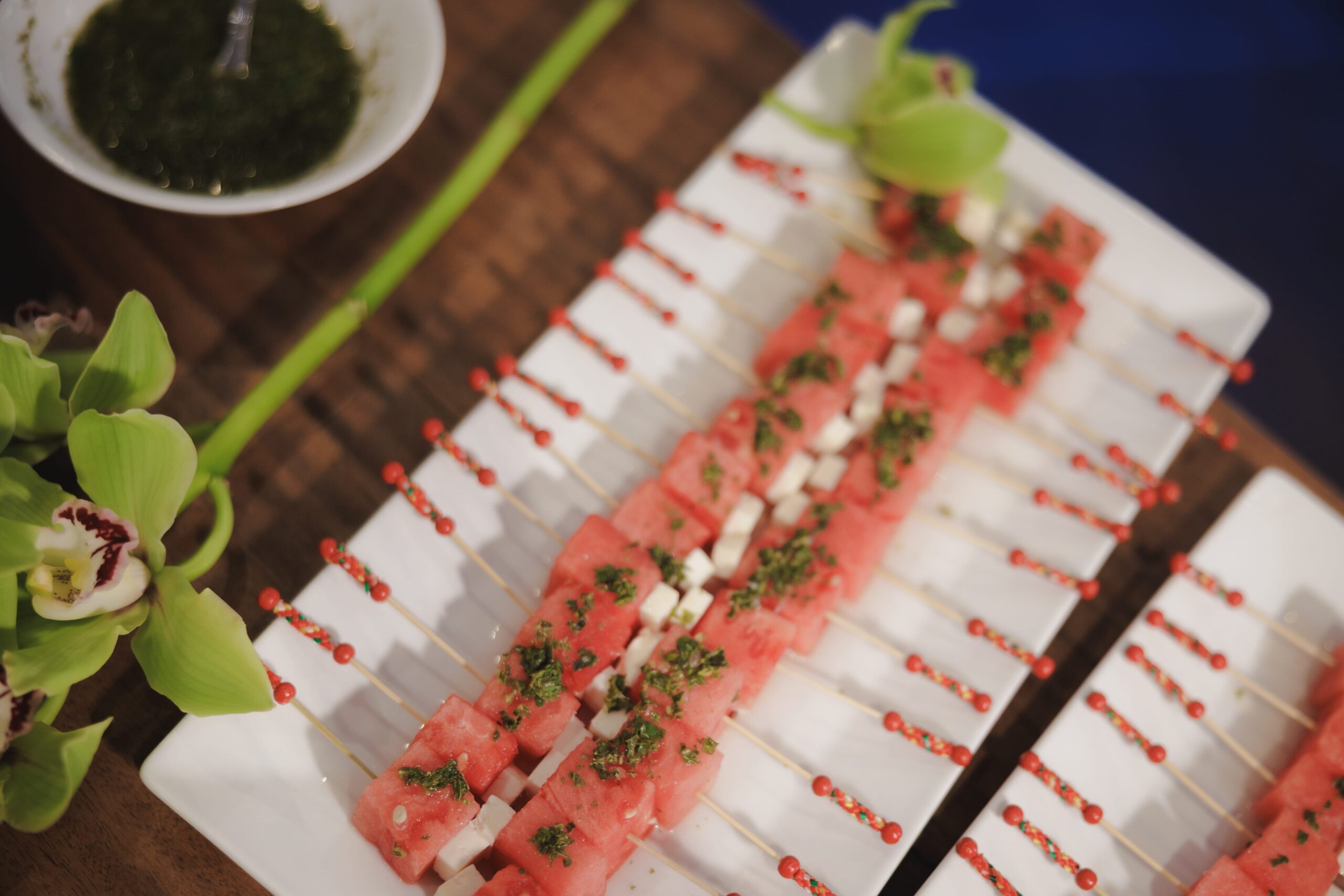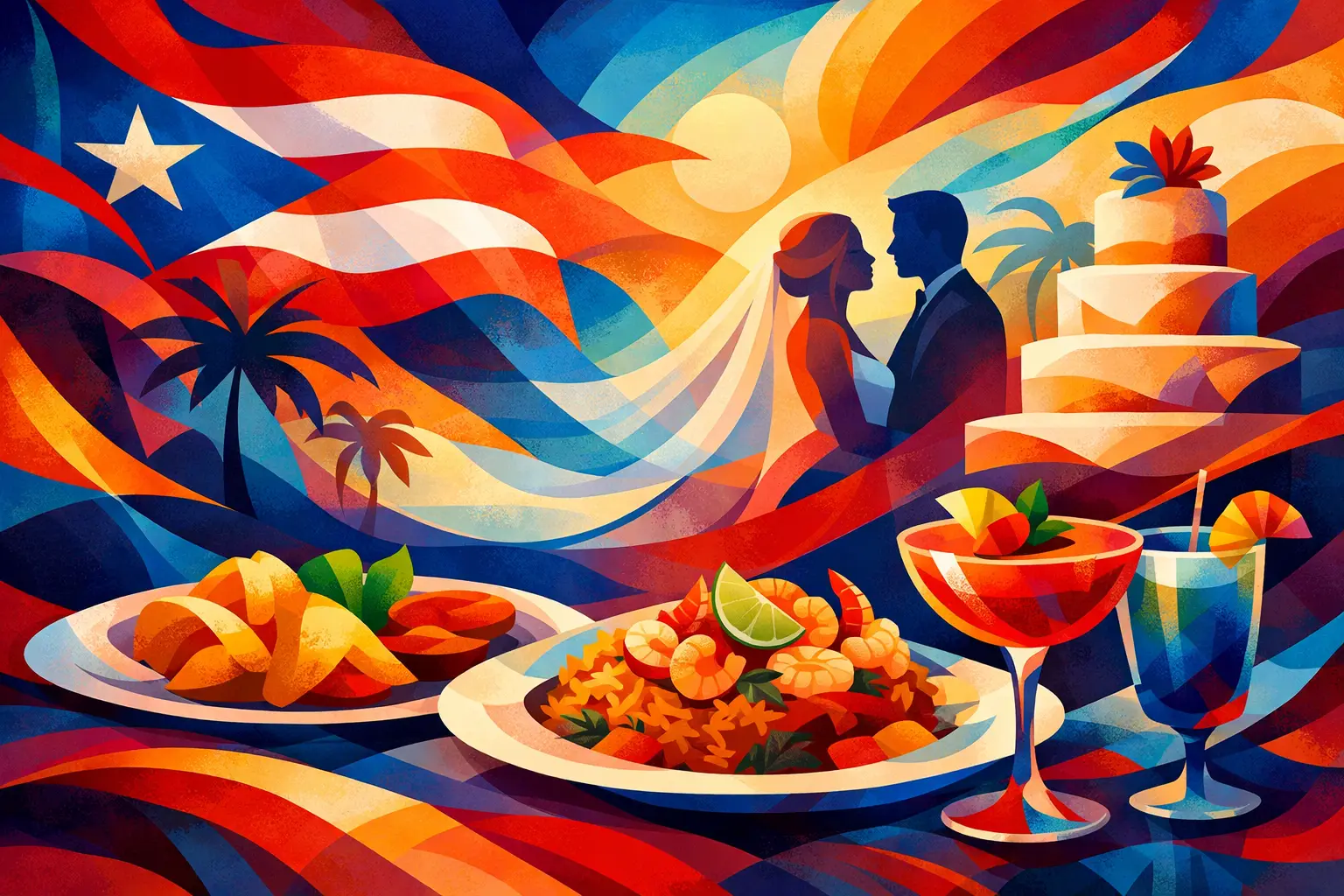
A wedding meal in Puerto Rico should feel like more than a beautiful reception detail. It is a welcome, a celebration, and often the moment when guests from different places truly experience the island together. Elegant Puerto Rican wedding food honors that sense of place while presenting it with the polish, balance, and care expected of a meaningful luxury celebration.
The most memorable menus do not rely on novelty alone. They take familiar flavors – plantains, local seafood, slow-roasted meats, tropical fruit, aromatic herbs, and warm spices – and give them a more intentional setting. The result is cuisine that feels unmistakably Puerto Rican, yet fully at home beneath chandeliers, within an artful private hall, or at an open-air reception overlooking the coast.
What Makes Puerto Rican Wedding Food Feel Elegant?
Elegance is not about making a menu unrecognizable. It is about thoughtful composition, exceptional ingredients, attentive timing, and presentation that suits the atmosphere of the occasion. A well-designed wedding menu can preserve the warmth of traditional Puerto Rican cooking while giving every course a clear sense of refinement.
For some couples, that means a plated dinner with composed courses and polished tableside service. For others, it may mean chef-attended stations that encourage guests to mingle without sacrificing sophistication. The right format depends on the guest count, venue flow, wedding schedule, and the experience the couple wants to create.
A destination wedding may call for dishes that introduce visiting guests to Puerto Rican flavors in approachable ways. A family celebration with deep island roots may lean more confidently into beloved classics, elevated through technique and presentation. Neither approach is more authentic. The best menu is the one that reflects the couple while making every guest feel considered.
Building an Elegant Puerto Rican Wedding Food Menu
A cohesive menu creates a natural progression from the first welcome cocktail to the final sweet bite. Rather than placing every traditional favorite on the table, choose a few flavors that tell a clear story and allow each one room to shine.
Begin with a gracious cocktail hour
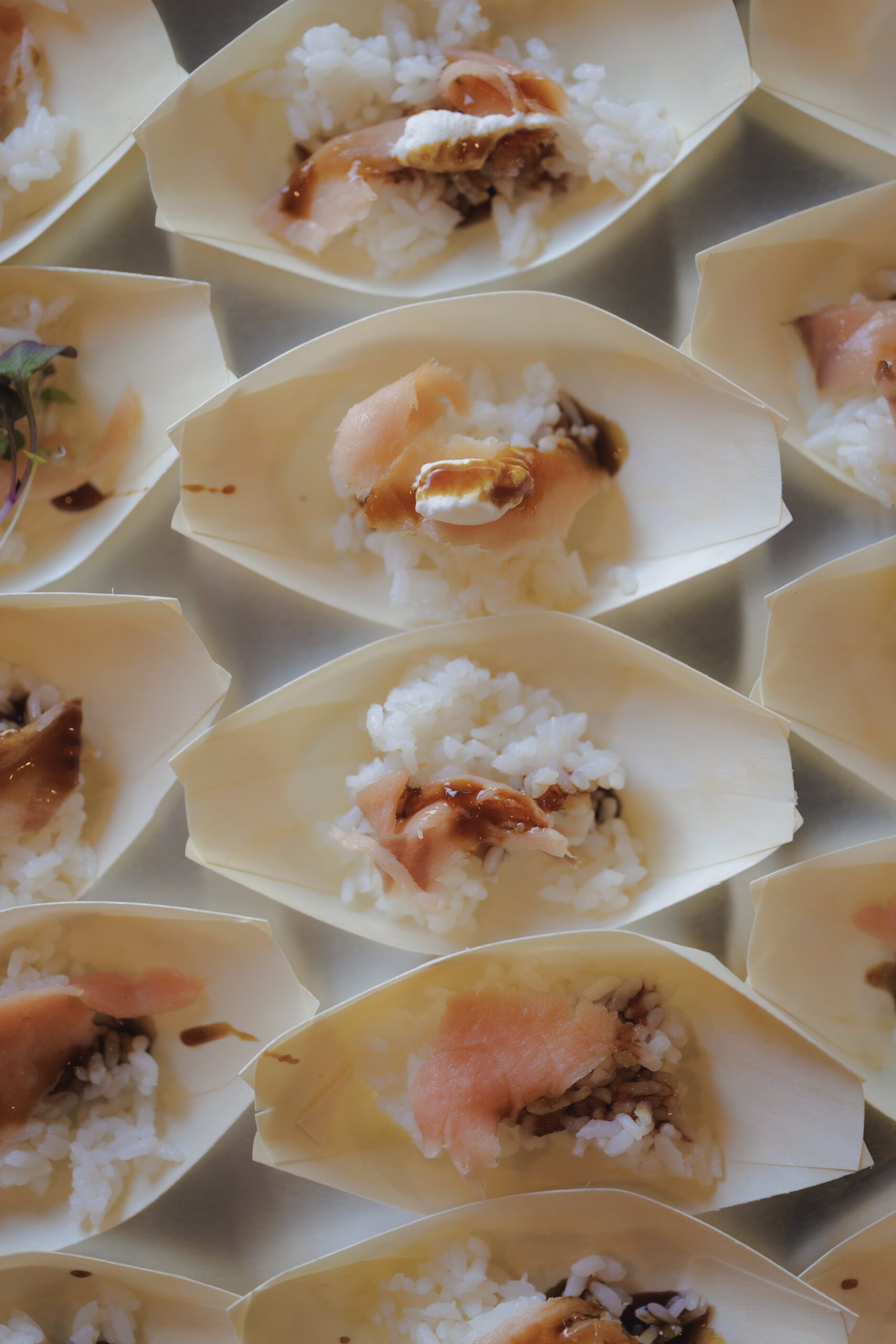
Cocktail hour offers an ideal first taste of the celebration. Small, beautifully presented bites can set a festive tone without leaving guests too full before dinner. Mini alcapurrias with a refined filling, crisp bacalaítos, plantain cups topped with fresh seafood, or delicate croquettes can bring familiar island character to a passed hors d’oeuvres service.
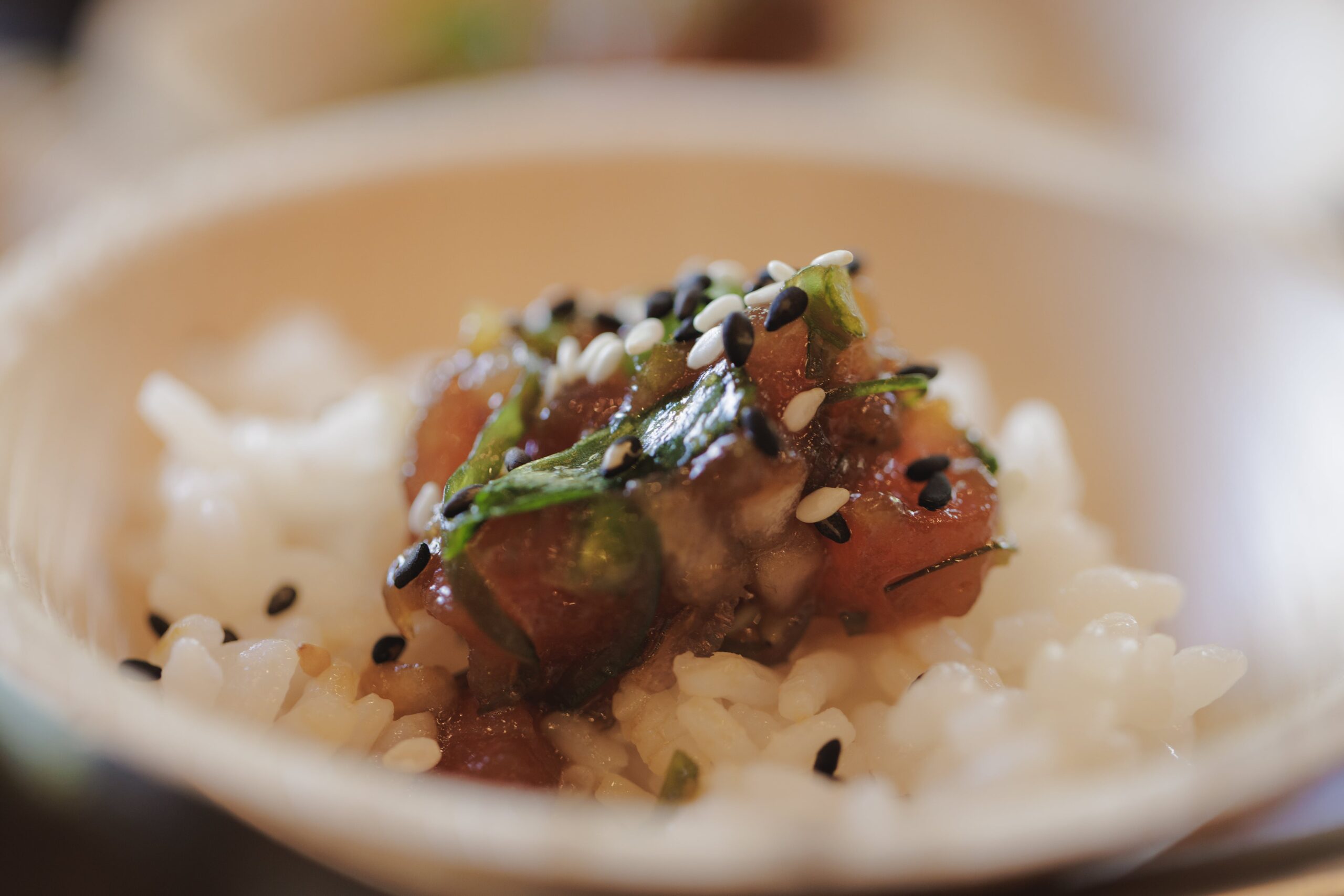
Freshness matters here. A bright ceviche presentation, local fish tartare, or a citrus-forward seafood spoon can balance richer fried selections. For couples seeking a more formal feel, the presentation can be tailored with elegant serving pieces, precise garnishes, and a service rhythm that keeps glasses full and conversation easy.
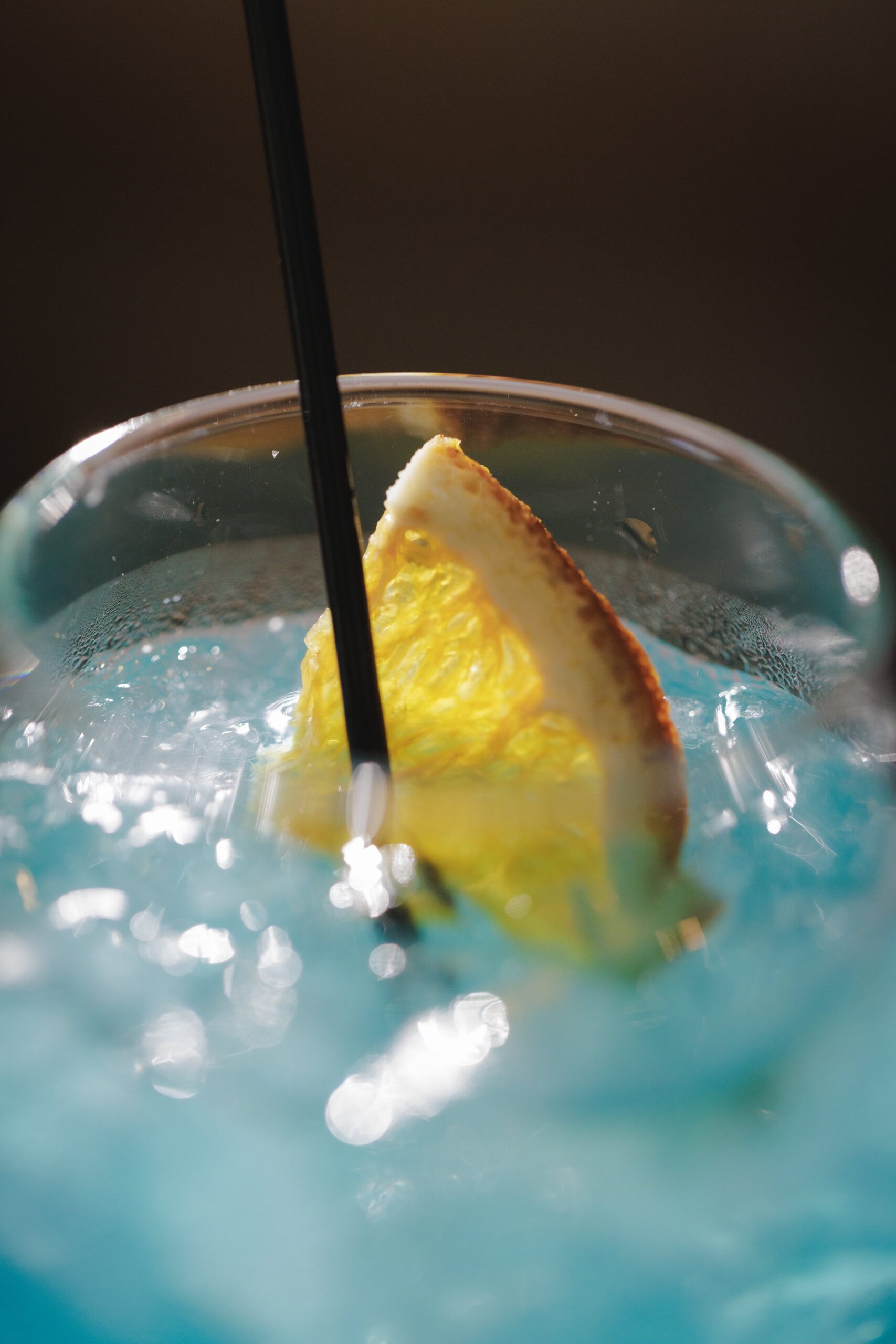
Cocktails should feel equally considered. Puerto Rican rum remains a natural centerpiece, whether served in a classic cocktail, a tropical interpretation with seasonal fruit, or a zero-proof welcome drink with herbs and citrus. The goal is not to create a themed bar. It is to offer hospitality that feels rooted in the setting.
Make the main course personal
The entrée is often where couples decide how traditional or contemporary they want their reception to feel. A refined interpretation of pernil can be served with a polished pan sauce and carefully prepared accompaniments. Local red snapper, mahi-mahi, or lobster can become an elegant centerpiece with a light citrus beurre blanc, tropical fruit accents, or herb-forward preparations.
Chicken and beef can also carry Puerto Rican influence beautifully. A slow-braised short rib with rich island spices, for example, brings comfort and depth to a formal plated dinner. A tender chicken dish paired with plantain purée and seasonal vegetables can feel graceful, familiar, and universally appealing.
Side dishes deserve the same attention as the entrée. Mofongo, arroz con gandules, yuca, and sweet plantains are rich with meaning, but their role should complement the plate rather than overwhelm it. A chef can adjust portion, texture, and finish to make beloved components feel celebratory. A smooth plantain purée, crisp yuca cake, or artfully formed rice accompaniment can bring a polished contrast to the main protein.
Save room for texture, color, and seasonality
Puerto Rico’s ingredients offer a naturally vibrant palette. Mango, pineapple, passion fruit, guava, coconut, avocado, and local herbs can add brightness to a menu without turning every dish into a tropical statement. The most elegant approach is selective: a guava glaze in one course, a passion fruit note in a dessert, or a fresh mango accent alongside seafood.
Seasonality should influence the final menu. A lighter, citrus-driven meal may suit a warm daytime ceremony, while a more substantial menu can be especially welcome at an evening reception. The venue also matters. Outdoor celebrations require thoughtful planning around heat, timing, and food quality, while a museum hall or formal indoor setting can support a longer seated dinner and more detailed service.
Plated Dinner, Stations, or a Refined Buffet?
Service style shapes the emotional pace of a wedding as much as the food itself. A plated dinner creates a formal, paced experience that is especially fitting for couples who want speeches, toasts, and design details to unfold in a coordinated way. It also gives each guest a complete, carefully composed presentation.
Food stations create a more social energy. They work particularly well for destination weddings, where guests may be eager to sample a range of Puerto Rican flavors. A mofongo station, chef-carved pernil station, or seafood-focused station can be striking when designed with elegant serviceware, polished signage, and chefs who engage guests with warmth and expertise.
A buffet can also feel elevated when it is not treated as an afterthought. The difference lies in abundance without clutter, precise replenishment, coordinated styling, and service staff who guide the experience. For a larger celebration, an elegant buffet may offer the variety guests appreciate while maintaining the generosity that defines Puerto Rican hospitality.
There is no single correct choice. A multi-course plated dinner may be ideal for a black-tie evening, while a station-forward reception can better suit a lively celebration with dancing and a diverse guest list. Many couples choose a hybrid approach: passed bites and cocktails, followed by a plated entrée or curated stations, then late-night favorites that invite everyone back to the dance floor.
Thoughtful Menus Welcome Every Guest
Luxury hospitality means no guest should feel like an afterthought. Vegetarian, vegan, gluten-conscious, allergy-aware, and child-friendly options should be planned with the same care given to the primary menu. A separate meal should still feel special, visually appealing, and connected to the culinary story of the evening.
This requires more than simply collecting dietary restrictions. It calls for a conversation about the guest experience. If several guests have distinct needs, a menu can be designed so accommodations feel integrated rather than visibly separate. Clear communication between the culinary team, service staff, and wedding planner is essential, especially for plated dinners.
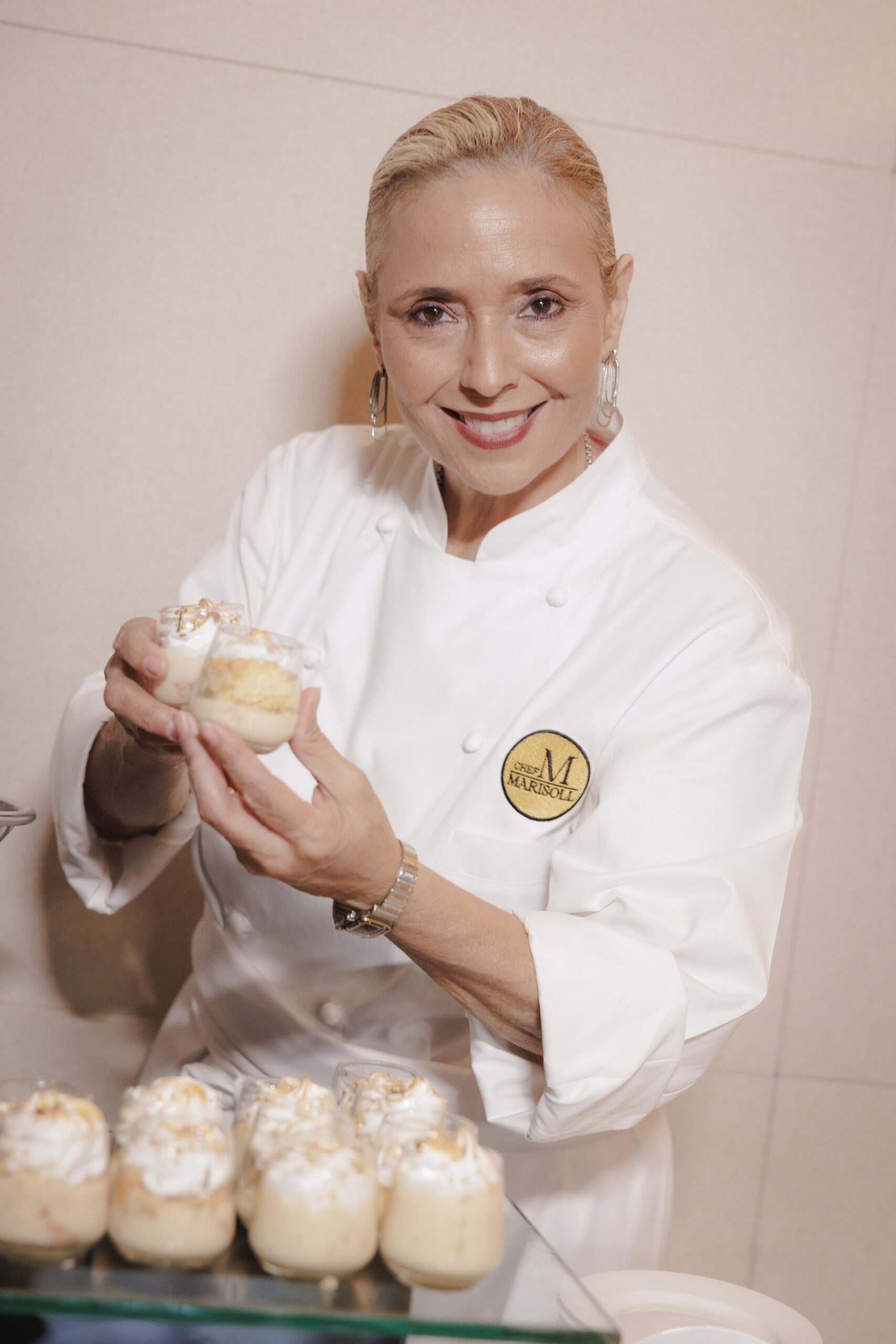
At Chef Marisoll Events, personalized menu design begins with listening to the couple’s vision, their guests, and the feeling they want the evening to hold. That collaborative process allows food, service, and presentation to work as one graceful experience.
The Details Guests Carry With Them
Guests may not remember every garnish, but they remember how a meal made them feel. They remember being offered a beautifully balanced cocktail upon arrival. They remember a family recipe interpreted with care, a server who anticipated what they needed, and a late-night bite that appeared just when the dance floor was at its height.
These details are why food should be considered early in the wedding planning process, not selected as a final logistical item. The catering team can help shape the timeline, advise on service formats, and ensure the menu supports the setting rather than competing with it. A grand indoor celebration may invite a different culinary rhythm than a sunset reception in the open air.
When planning elegant Puerto Rican wedding food, begin with the flavors and memories that matter most to you. Then let skilled culinary direction transform them into a meal that feels generous, polished, and distinctly yours – a table where every guest can taste the beauty of celebrating in Puerto Rico.