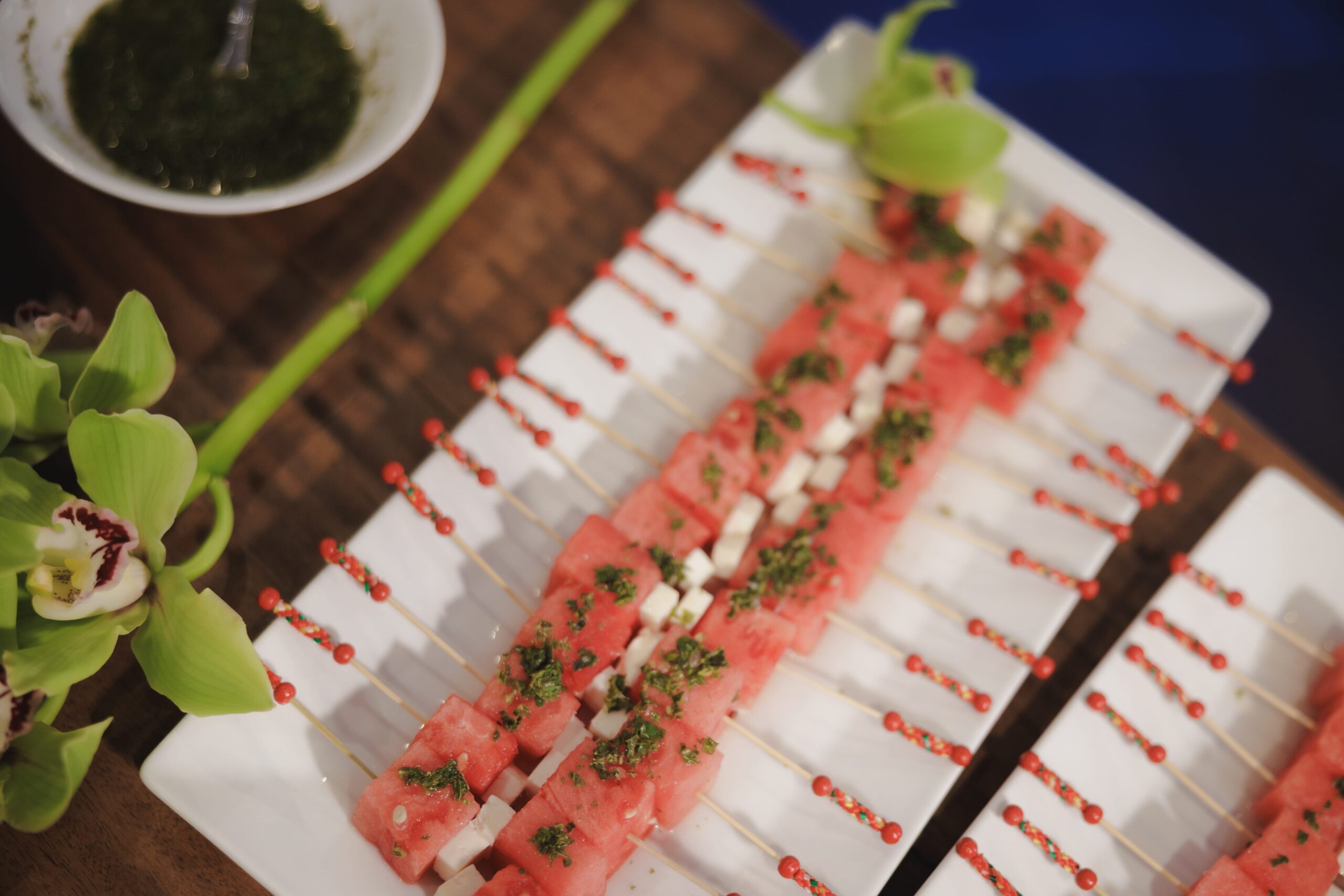
The first detail guests remember may be the welcome cocktail, the glow of a beautifully set table, or the precise moment a plated course arrives. What they carry home, however, is the feeling of having been thoughtfully received. Exceptional event catering is not simply food prepared for a crowd. It is hospitality designed around an occasion, a setting, and the people gathered to share it.
For a destination wedding in Puerto Rico, an executive reception, or a milestone dinner with family, the menu sets a standard before a single toast is raised. It communicates care, reflects the host’s point of view, and gives the celebration a distinct sense of place. The strongest culinary experiences balance visual elegance with warmth, allowing every guest to feel considered rather than processed.
Event Catering Begins With the Occasion
A memorable menu should never be selected in isolation. A black-tie wedding, a product launch, and an intimate anniversary dinner may all call for polished service, but they create different rhythms in the room. The right event catering plan accounts for the purpose of the gathering before choosing whether dinner should be plated, presented as a refined buffet, or arranged through interactive food stations.
For weddings, a plated dinner often creates a graceful progression from cocktail hour to dancing. It suits couples who want an elevated, composed atmosphere and a clear focus on shared moments at the table. Yet a plated format is not automatically the best choice. A celebration built around mingling, a late-night reception, or guests arriving from different travel schedules may be better served by stations that encourage movement and conversation.
Corporate events require their own kind of intention. An executive luncheon benefits from efficient pacing and a menu that feels polished without interrupting discussion. A VIP reception, by contrast, may call for passed hors d’oeuvres and chef-crafted cocktails that make networking feel more relaxed and personal. The format should support the event’s objective, not compete with it.
Private celebrations offer perhaps the greatest opportunity for personality. A host may want a family recipe interpreted with finer presentation, a seasonal menu that reflects the island, or an elegant dinner that feels intimate rather than overly formal. These details transform a catered meal into an experience with a point of view.
The Menu Is a Story, Not a Checklist
A premium event menu is more than a collection of popular dishes. It has movement. It begins with a welcome, builds anticipation, provides moments of surprise, and leaves guests with a final impression worth discussing the next day.
Puerto Rican culinary influence offers a particularly rich foundation for this kind of storytelling. Bright tropical fruit, local seafood, plantains, aromatic herbs, and deeply familiar flavors can be presented with sophistication while remaining true to their character. The goal is not to make tradition unrecognizable. It is to honor it through thoughtful composition, exceptional ingredients, and refined presentation.
Seasonality matters here. A menu for a warm coastal celebration may feel lighter and more vibrant than one created for an evening gala. Fresh seafood, citrus, and crisp vegetables can bring energy to a daytime event, while richer sauces, slow-braised elements, and dramatic desserts lend warmth to a formal dinner. There is no universal formula. The menu should respond to the time of day, the venue, the guest profile, and the feeling the host wants to create.
Personalization also means planning for genuine guest needs. Dietary accommodations should not feel like an afterthought or a visibly lesser alternative. Vegetarian, vegan, gluten-conscious, and allergy-aware selections can be integrated into the experience with the same care given to every other course. When this is handled thoughtfully, hosts avoid the anxiety of wondering whether anyone at their table has been overlooked.
Service Is Part of the Culinary Experience
Even an extraordinary menu can lose its impact when timing is rushed, tables are left unattended, or service feels impersonal. Fine event catering depends on the choreography behind the scenes: the order of courses, the pace of replenishment, the temperature of each dish, and the quiet awareness of a service team that anticipates needs without intruding on the occasion.
This is where experience becomes visible. Guests may not notice every adjustment made during a reception, but they notice the result. Glasses are refreshed at the right moment. A passed bite arrives as conversation begins to settle. Dinner service moves confidently, allowing speeches, music, and celebration to unfold naturally.
The level of formality should be intentional, too. Some events deserve the ceremony of plated service and formal place settings. Others feel more inviting with abundant stations where guests can choose their own pace. Neither is inherently more luxurious. Luxury is found in the appropriateness of the choice and in the quality of its execution.
Let the Setting Shape the Experience
Venue and cuisine should speak to one another. A historic setting may inspire a menu with timeless elegance, while an art-filled private hall can invite bolder color, sculptural presentation, and dramatic cocktail moments. At the Puerto Rico Museum of Art, for example, the surrounding cultural atmosphere offers a distinctive backdrop for celebrations that feel both elevated and connected to the island.
The room also determines practical decisions that guests may never see. Kitchen access, guest flow, weather contingencies, lighting, and the distance between cocktail hour and dinner all influence which service format will feel effortless. A trusted culinary team considers these details early, rather than treating them as last-minute logistics.
For destination clients, this guidance is especially valuable. Planning from afar can make it difficult to judge a venue’s natural rhythm or imagine how a menu will live in the space. A chef-led consultation brings the pieces together, translating a vision into a clear culinary direction and a service plan that feels confident from arrival through dessert.
Questions Worth Asking Before You Choose a Caterer
The most useful catering conversation goes beyond price per guest. A proposal should clarify how the menu will be customized, who will guide service on the event day, and how the team will handle dietary needs and changes in timing. It should also reveal whether the caterer is listening closely to the atmosphere you hope to create.
Ask to discuss format before narrowing the menu. A beautiful entrée may not be the deciding factor if the event is better suited to a cocktail-forward evening or a lively station experience. Share the guest count, venue, schedule, and any meaningful cultural or family details early. These are not minor notes. They are the information that allows a culinary team to design with purpose.
It is also wise to be clear about your priorities. If flawless presentation matters most, say so. If you want guests to experience Puerto Rican flavors in an elevated way, make that central to the brief. If your family includes guests with varied dietary preferences, identify that from the beginning. The best partnerships are built on honest direction and expert interpretation.
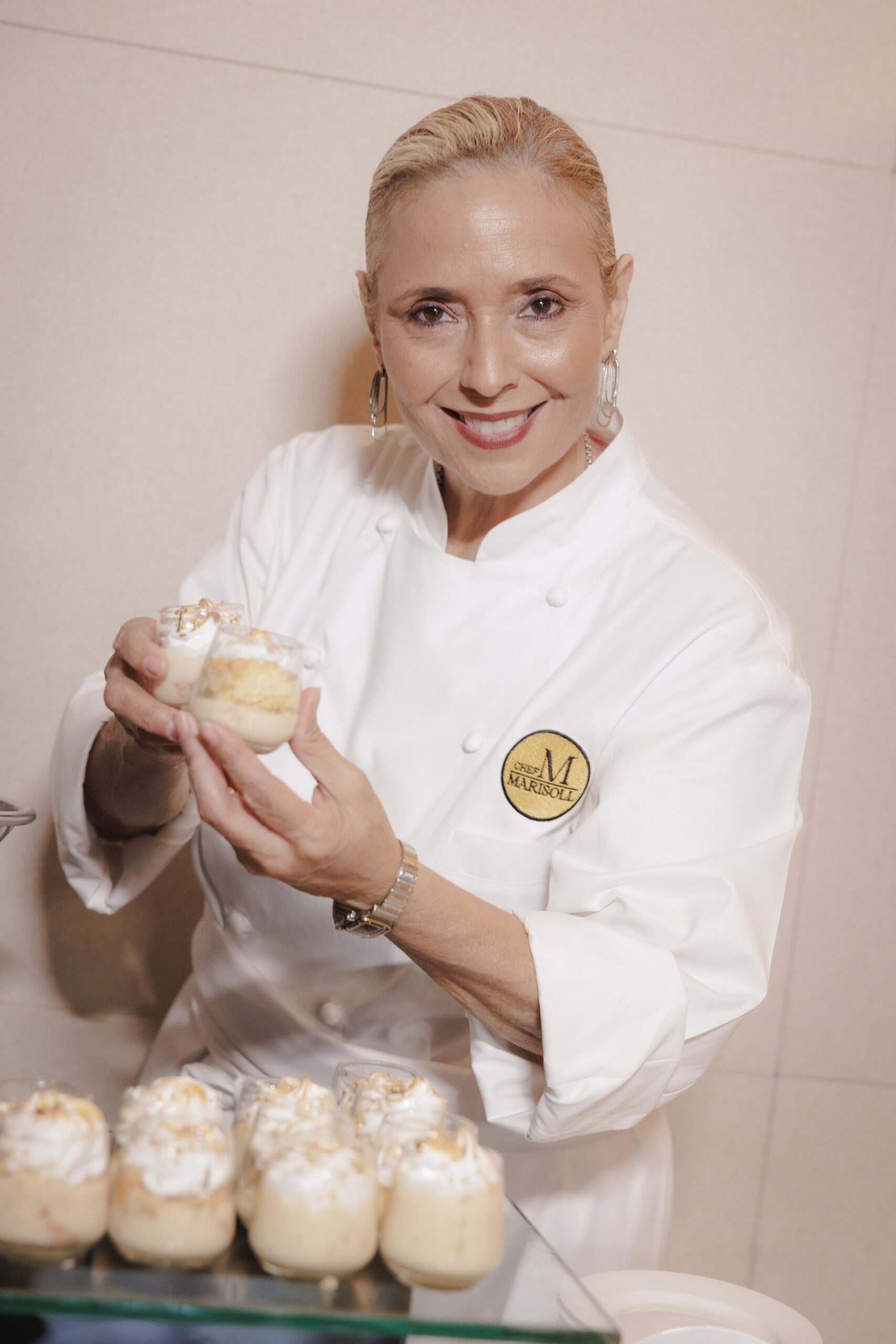
Chef Marisoll Events approaches this process as a collaboration, pairing decades of hospitality experience with menus crafted for the character of each celebration. The result should feel personal to the host, generous to the guest, and composed enough that everyone can simply enjoy the occasion.
A truly beautiful event does not ask guests to admire every detail out loud. It allows them to relax into the welcome, the flavor, and the company around them. Choose event catering that makes room for that feeling, and the meal becomes one of the most meaningful parts of the celebration.