The most memorable wedding meals are not remembered only for a beautiful plate. They are remembered for the first taste shared after the ceremony, the pause guests take to admire a course, and the feeling that every detail belongs to the couple. Today’s luxury wedding dining trends move beyond formal banquet expectations and toward celebrations where food becomes part of the story, the setting, and the hospitality.
For couples hosting in Puerto Rico, that opportunity is especially rich. The island’s ingredients, culinary traditions, light, and sense of welcome invite menus that feel elevated without losing their warmth. The goal is not to follow every trend. It is to select the details that make a reception feel personal, generous, and beautifully considered.
Luxury Wedding Dining Trends Center on Personal Expression
A traditional plated dinner still has a place at an elegant reception, particularly when couples want a formal rhythm and a composed presentation. What is changing is the expectation that the menu should reveal something about the people being celebrated. Guests increasingly want to taste a couple’s heritage, travels, favorite restaurants, and shared rituals in ways that feel thoughtful rather than overly themed.
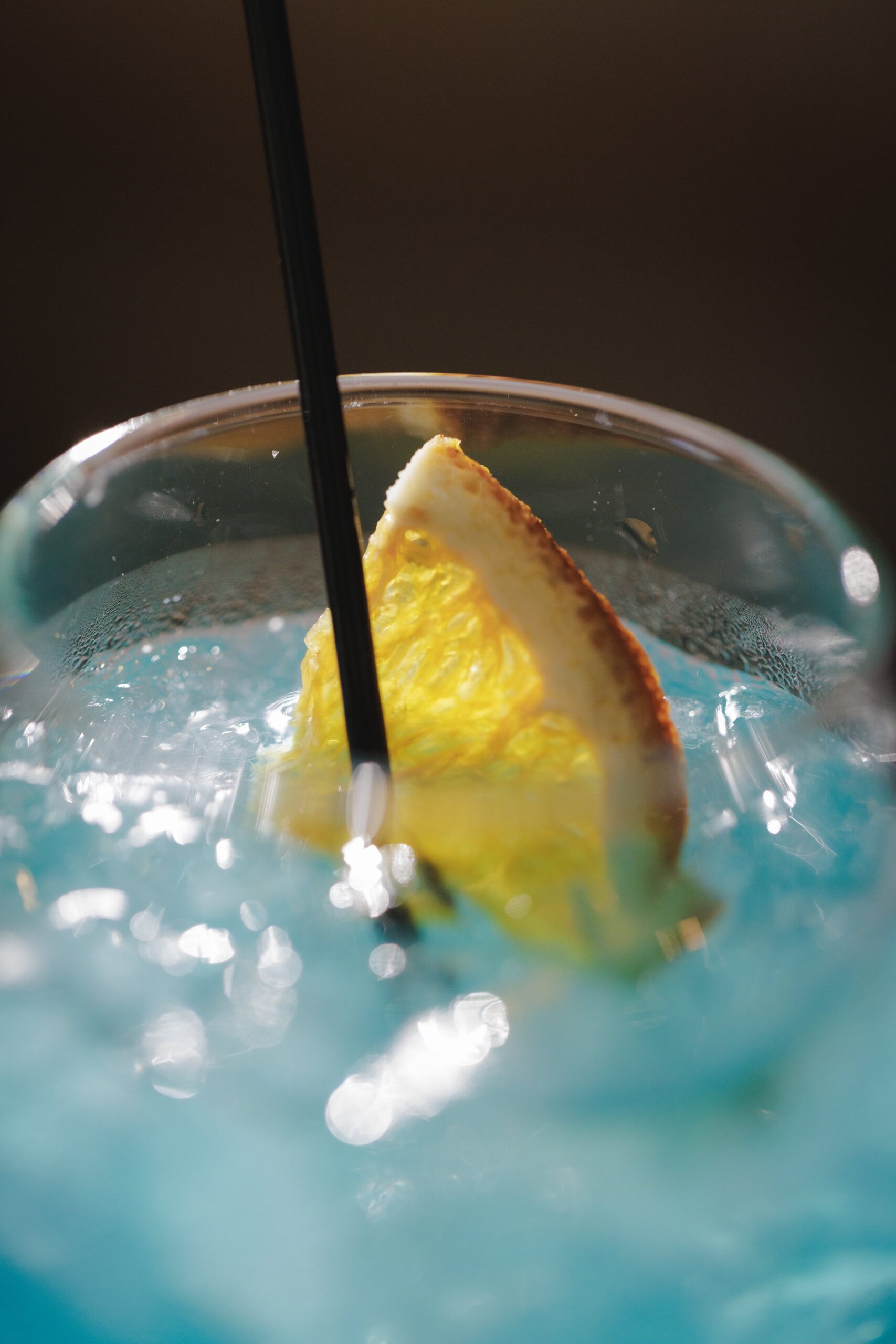
A refined menu might pair local Caribbean ingredients with classic French technique, present a beloved family recipe in a more polished format, or offer a cocktail inspired by the destination where the proposal took place. These choices give a wedding culinary identity. They also make the evening more distinctive than a menu chosen only because it feels safe.
Personalization works best when it has restraint. A reception does not need a dozen references to the couple’s story. One meaningful late-night bite, a signature cocktail, and a dessert presentation with a sense of place can say more than an overly literal menu ever could.
Puerto Rican flavor, presented with refinement
For destination weddings, local cuisine is often one of the strongest ways to make guests feel they have truly arrived somewhere special. The modern approach is not to treat Puerto Rican food as a novelty station tucked into a corner. It is to give its ingredients and traditions a leading role in an elegant dining experience.
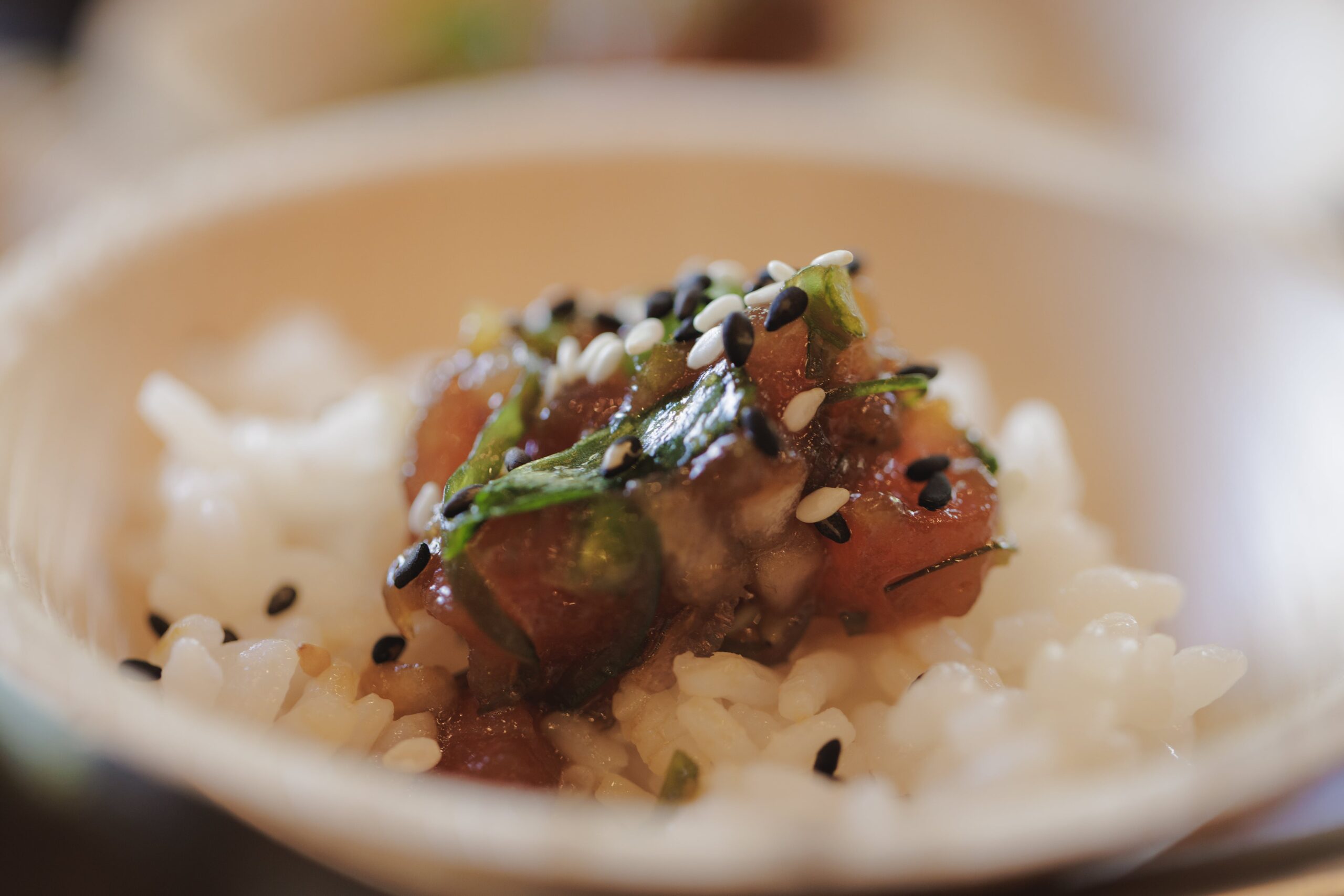
Think tender local fish with bright citrus and herbs, plantain prepared with precision, seasonal tropical fruit used to balance richer courses, or a carefully crafted mofongo-inspired element alongside a sophisticated entrée. The flavors can be unmistakably Puerto Rican while the service and presentation remain distinctly formal. This balance honors the island and gives out-of-town guests an experience they cannot simply recreate at home.
Interactive Service, With a More Elegant Point of View
Food stations remain popular because they create movement and conversation. At a luxury wedding, however, the difference lies in the choreography. Stations should feel like intentional culinary moments, not a crowded alternative to a plated meal.
Chef-attended displays allow guests to see a dish finished to order, whether that means carving a beautifully prepared entrée, assembling a fresh ceviche, or serving a warm dish at its ideal moment. The interaction feels welcoming, but the presentation stays composed. For a reception with a long guest list or several generations in attendance, stations can also provide choice without making the experience feel casual.
A hybrid format is often the most sophisticated answer. Couples may welcome guests with passed hors d’oeuvres and a chilled seafood display, serve a plated first course at the table, then invite everyone to explore curated entrée stations. The format brings structure to the evening while allowing guests more freedom than a fully plated dinner.
The trade-off is timing. Interactive dining needs enough space, an intuitive room layout, and service professionals who know how to keep guests moving comfortably. When those elements are planned well, the result feels effortless. When they are not, even the finest menu can lose its sense of occasion.
Smaller Courses Create a Longer, More Considered Evening
The multi-course dinner is returning in a more flexible form. Rather than serving large, traditional portions, many couples are choosing smaller courses paced throughout the reception. A delicate starter, an expressive second course, a beautifully balanced entrée, and a thoughtful dessert can make the meal feel like an experience rather than a single pause between dancing.
This approach is especially well suited to weddings where the dinner is a central part of the celebration. It gives the chef room to create contrast in texture, temperature, and flavor, and it lets each course arrive with its own visual impact. A refreshing seafood preparation might lead into a richer entrée, followed by a dessert that brings in tropical notes without feeling heavy.
It does require a realistic timeline. Couples who prefer a high-energy dance floor immediately after the first course may be better served by stations or a concise plated menu. The luxury is not measured by how many courses appear. It is measured by whether the meal supports the atmosphere the couple wants to create.
Tableside moments add theater without distraction
A small tableside finish can turn dinner into a sensory experience: a warm sauce poured at the table, a final aromatic garnish, or a dessert completed just before it is served. These moments photograph beautifully, but their real value is emotional. They make guests feel attended to.
The most elegant versions are brief and purposeful. Tableside service should enhance conversation, not interrupt it, and it should be reserved for dishes that genuinely benefit from the final touch. Precision matters more than spectacle.
Dietary Consideration Is Now Part of Exceptional Hospitality
Luxury hospitality is deeply personal, which means dietary accommodations should never feel like an afterthought. Couples are asking for menus that welcome vegan guests, gluten-sensitive guests, children, and those with food allergies with the same care given to every other plate.
The standard is no longer a separate meal that looks unrelated to the evening’s menu. A plant-forward entrée should be satisfying, visually refined, and aligned with the flavor profile of the celebration. Likewise, guests with allergies should be able to dine confidently without drawing unwanted attention to their needs.
This begins well before the wedding day. Clear guest communication, detailed planning with the culinary team, and experienced service staff make an enormous difference. A menu can be generous and inclusive without becoming overly complicated, provided the planning is intentional from the beginning.
Late-Night Dining Has Become a Signature Hospitality Moment
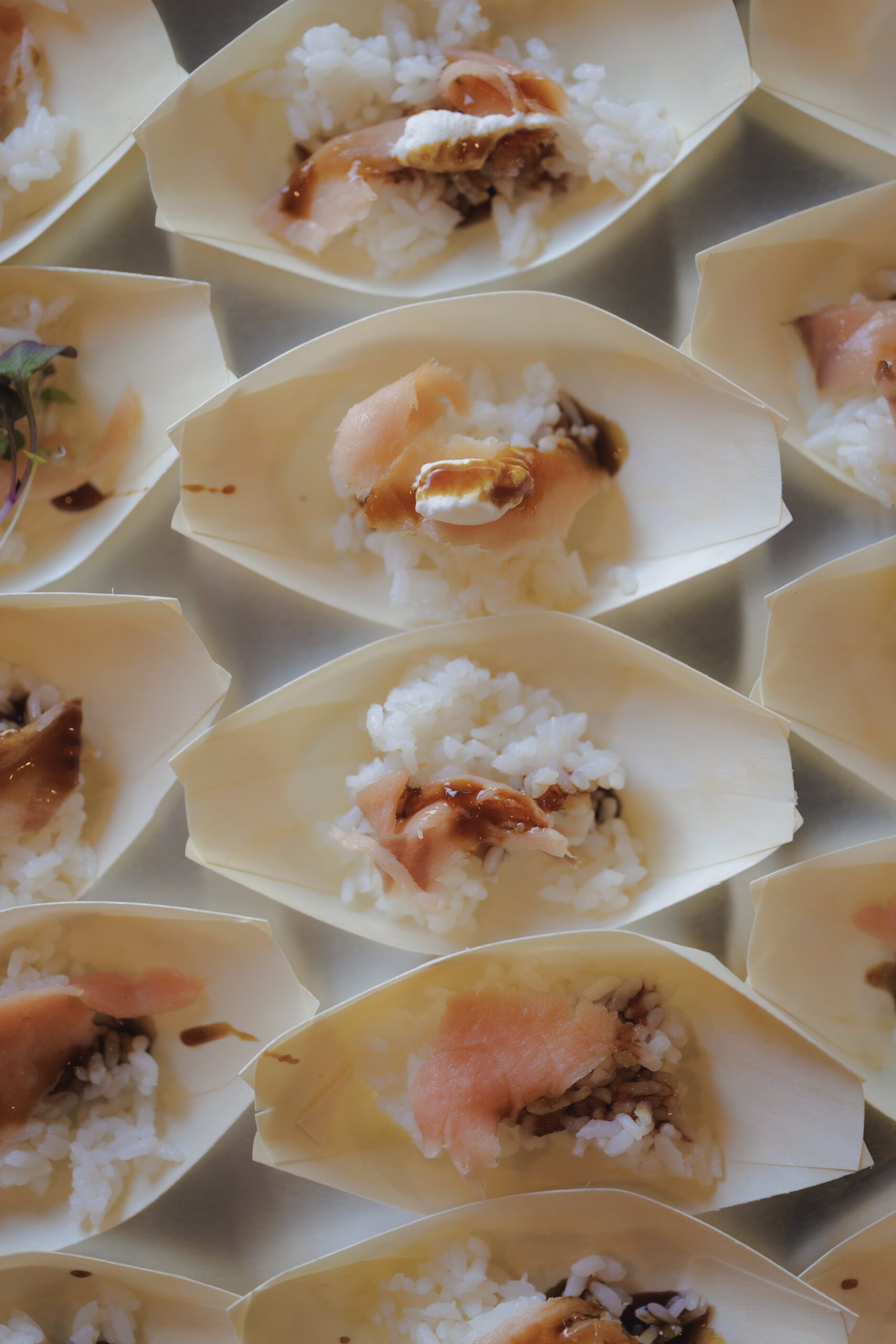
After several hours of celebration, a late-night offering feels less like an extra and more like a gracious gesture. It is also one of the most joyful places to let personality show. Couples may choose miniature comfort foods, elevated sandwiches, crisp fritters, warm pastries, or a local favorite served in an unexpected presentation.
The best late-night menus consider the energy of the room. A glamorous black-tie reception may call for elegant passed bites that guests can enjoy without leaving the dance floor. A relaxed destination weekend celebration may welcome a more abundant station where guests gather and reconnect. Either way, the food should feel like a continuation of the wedding’s culinary point of view, not a disconnected final act.
The Setting Shapes the Meal as Much as the Menu
A luxury wedding dining experience is created by more than cuisine. The architecture of the room, the tablescape, the lighting, the pace of service, and even the distance between tables all influence how a meal feels. A private hall within the Puerto Rico Museum of Art, for example, brings an inherent cultural presence that can frame a dinner with sophistication before the first course is served.
This is why catering and event design should be considered together. Soft candlelight may flatter a formal plated dinner, while an open-air terrace can lend itself to lively chef-attended stations. Textured linens, sculptural floral arrangements, and restrained menu cards can complement the food without competing for attention.
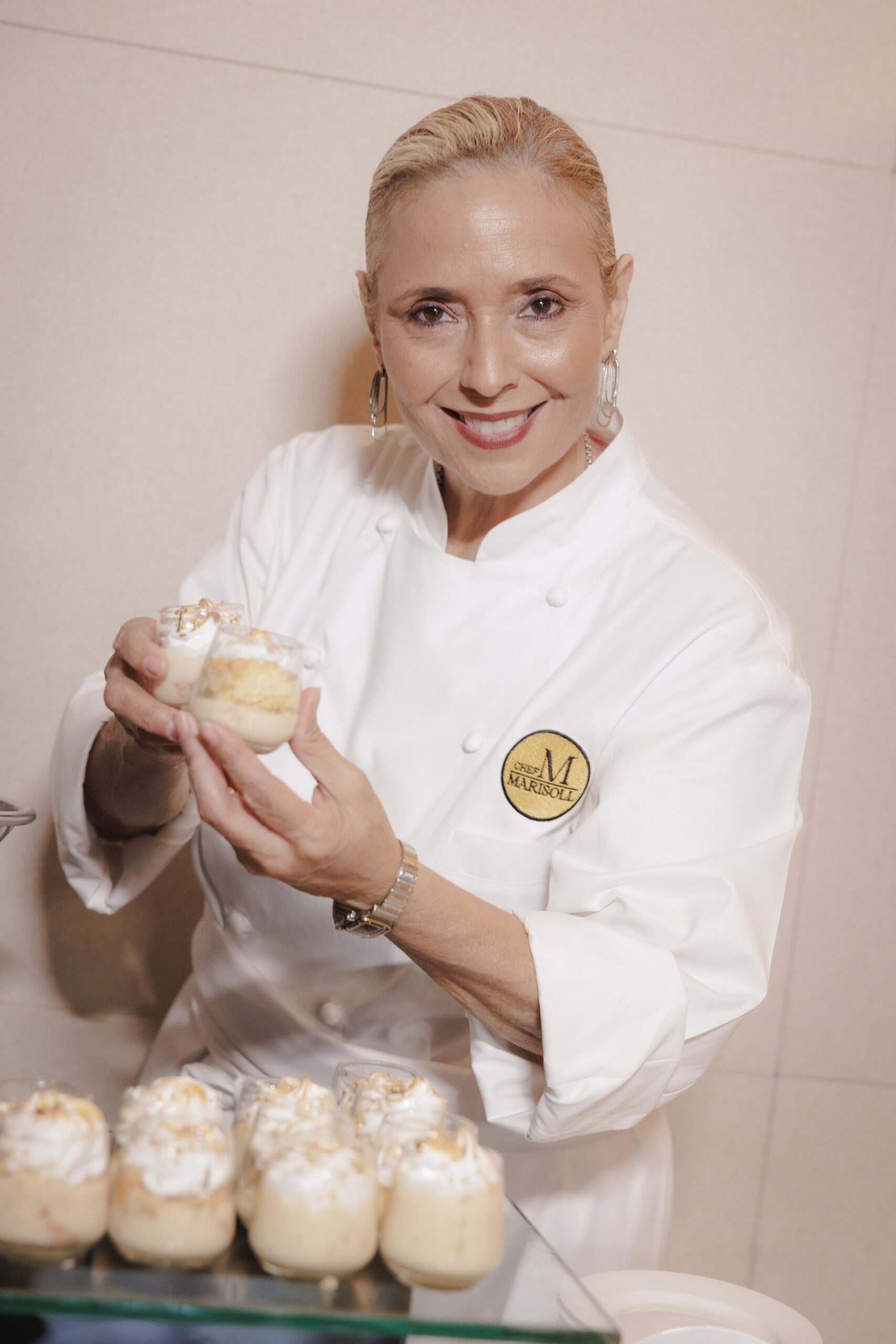
At Chef Marisoll Events, the most compelling celebrations begin with that larger picture: how the menu, venue, and service can work together to make guests feel genuinely welcomed. Food becomes artistry, but hospitality remains the heart of it.
As you shape your reception, choose the dining details that invite guests to linger, connect, and remember how beautifully they were cared for. That feeling will stay with them long after the last toast.