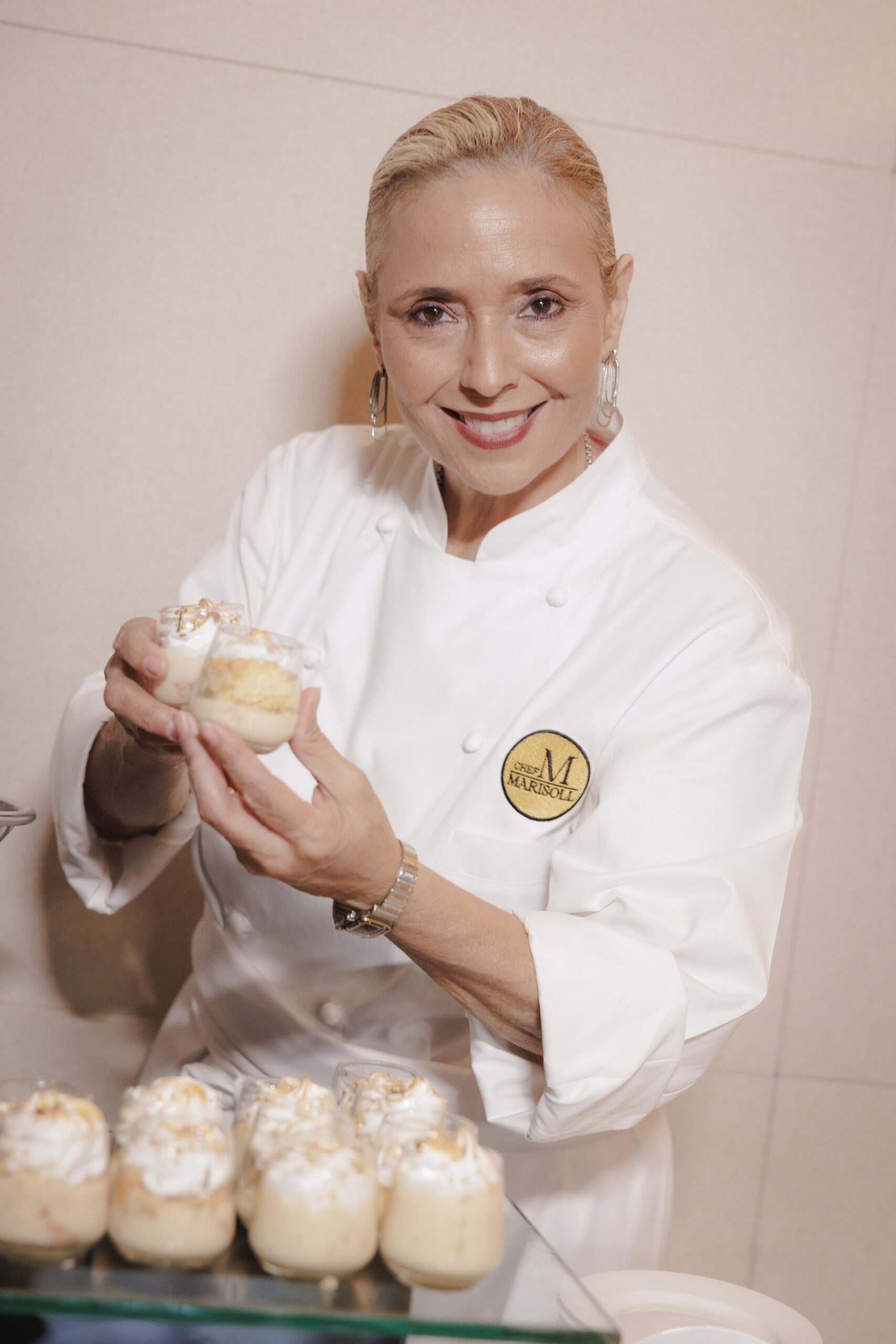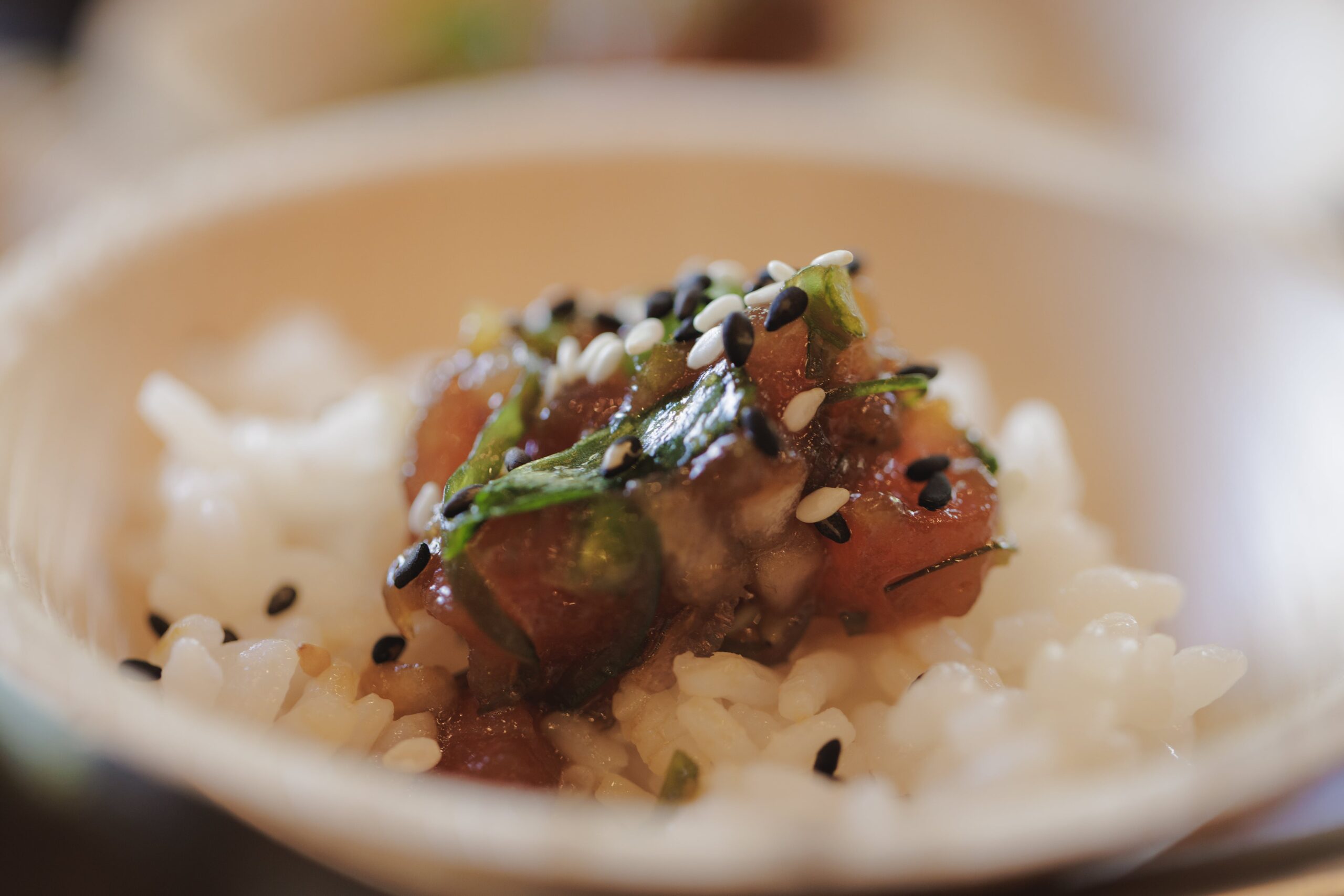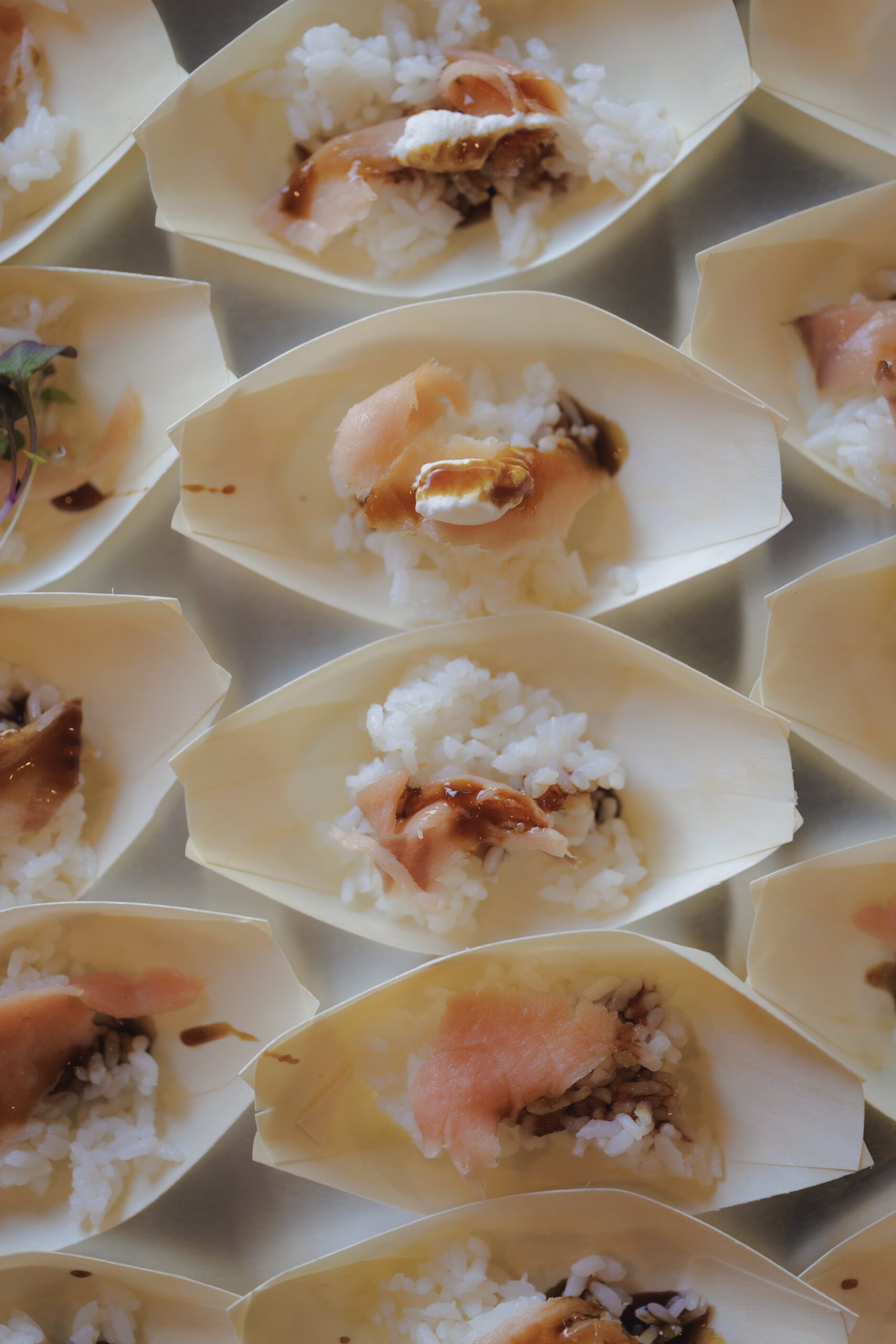
Some venues impress guests the moment they arrive. A museum does more than that. It sets a tone of culture, intention, and distinction before the first tray passes or the first toast is poured. That is why museum event venue catering deserves a different level of planning. In a setting defined by architecture, art, and atmosphere, the food and service have to feel equally considered.
For couples, executives, and private hosts planning meaningful events in Puerto Rico, a museum venue offers a rare combination of prestige and intimacy. It feels elevated without becoming stiff. It gives guests something to remember beyond the menu, while still making dining central to the experience. When catering is designed for that environment rather than simply placed into it, the entire event feels more coherent, polished, and memorable.
Why museum event venue catering requires a different approach
Not every excellent caterer is the right fit for a museum. The setting asks more of the culinary team, the service staff, and the event design as a whole. A museum event is rarely just about feeding guests well. It is about creating a dining experience that respects the space, complements the aesthetic, and moves with grace through a venue that may have architectural limitations, preservation standards, or a carefully choreographed guest flow.
That creates both opportunity and responsibility. A museum can transform a wedding reception into something cinematic. It can give a corporate dinner the kind of stature that reflects well on the host. It can turn a private celebration into an evening with true presence. But those advantages only come through when catering is tailored to the venue itself.
In practical terms, that often means menus that suit the rhythm of the event, staffing that understands timing and discretion, and presentation that feels refined enough to stand beside the surroundings. Food stations may need to be arranged with visual restraint. Plated service may be the best choice in one gallery while passed hors d’oeuvres work better in another. What succeeds depends on the guest count, the program, and how the venue is meant to be experienced.
The setting should shape the menu
In luxury events, menu planning is not a separate task from venue planning. The two belong together. A museum setting tends to favor catering that is elegant, curated, and thoughtfully paced. This does not mean every event requires a formal plated dinner. It means every course, station, or cocktail bite should feel intentional.
For weddings, that may mean a menu that balances romance and sophistication with local flavor. Guests traveling to Puerto Rico often want a sense of place, but they also expect refinement. The best menus honor both. A chef-led approach can introduce Puerto Rican influence in a way that feels polished rather than predictable, with dishes designed to suit the setting as much as the palate.
For corporate events, the menu usually needs to support a different goal. Executive dinners, donor receptions, and VIP gatherings often call for service that is elegant but efficient. Guests may be networking, listening to remarks, or transitioning through multiple spaces. In those cases, the right catering format is the one that sustains the event’s energy without interrupting it.
Private celebrations sit somewhere in between. An anniversary dinner in a museum venue may call for a beautifully plated meal with wine service and subtle seasonal touches. A milestone birthday might come alive through sophisticated cocktail fare and interactive stations. Neither approach is inherently better. The right choice depends on how you want guests to feel in the room.
Format matters as much as flavor
One of the biggest decisions in museum event venue catering is service style. Hosts often begin by asking what sounds most impressive, but a better question is what best serves the atmosphere.
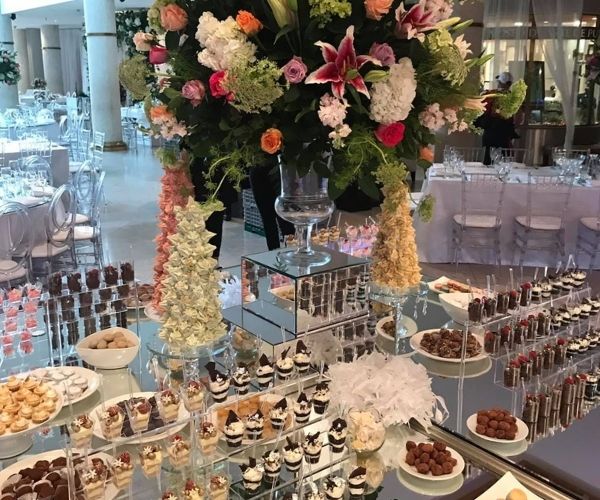
Plated dining brings structure, elegance, and a sense of occasion. It works especially well when the event includes speeches, performances, or a formal timeline. Buffets can feel generous and celebratory, though they require careful design to maintain a luxury presentation in a high-design setting. Food stations can create movement and conversation, but only when they are curated with discipline. Too many elements can make a museum event feel visually crowded.
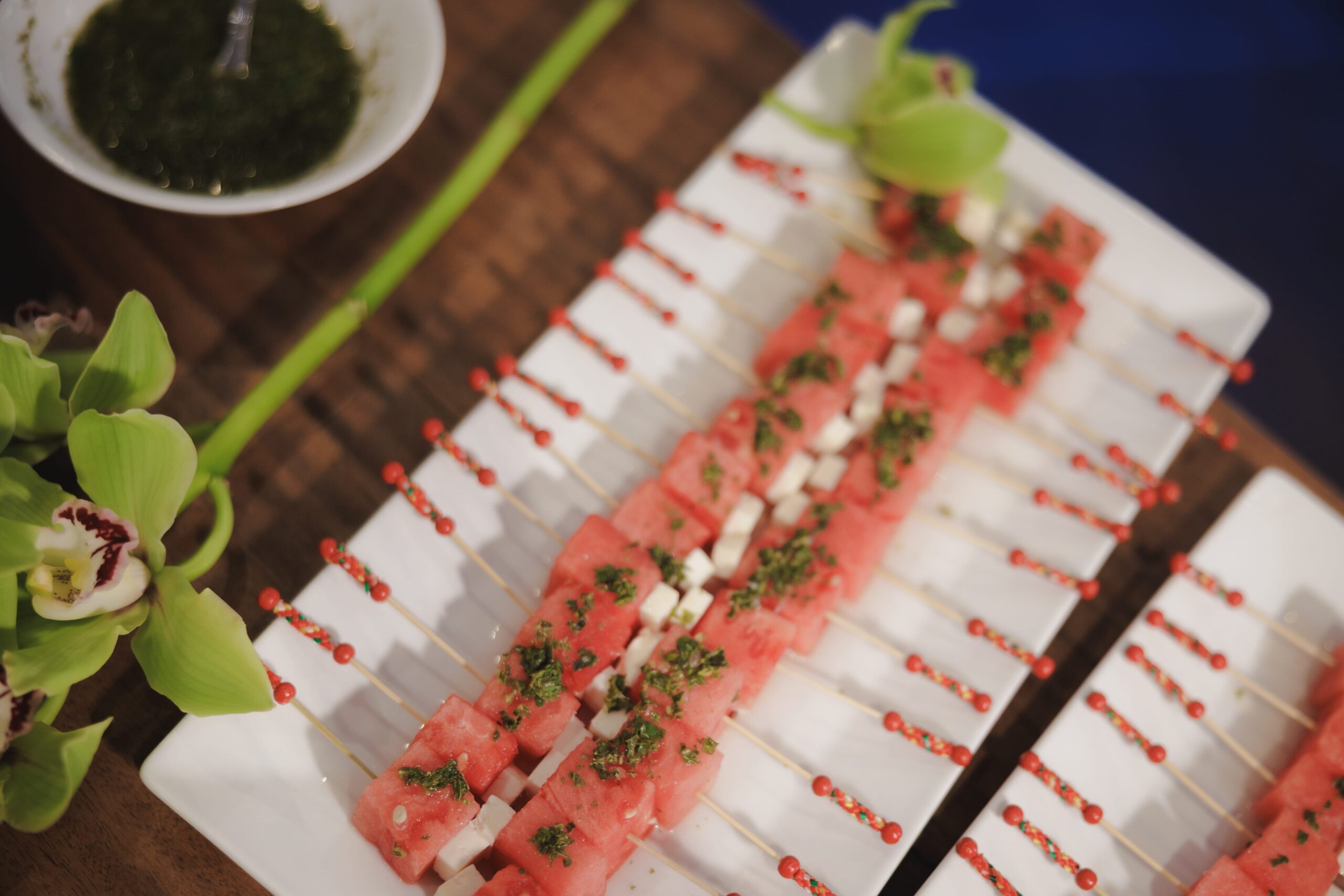
Cocktail-style receptions are often a natural match for museum spaces, particularly for gallery events, networking evenings, and modern wedding celebrations. They allow guests to explore, mingle, and engage with the venue. Still, they require strong planning. Guests should never feel as though they are searching for food or unsure whether substantial dining is part of the evening.
What discerning hosts should look for in a catering partner
A museum venue can raise expectations instantly. Guests assume the event will be exceptional, and that makes catering one of the most visible measures of whether the evening fulfills its promise. Beautiful surroundings help, but they do not compensate for disorganized service, generic food, or menus that feel disconnected from the occasion.
A strong catering partner brings more than culinary skill. They understand how to work inside a premium venue with care and professionalism. They know how to collaborate with planners, venue teams, and designers. They can read a room, maintain timing, and make service feel attentive without ever becoming intrusive.
Personalization also matters. In a museum setting, standard packages often feel too flat. Guests notice when a menu has been crafted around the event rather than pulled from a template. That may mean accommodating a range of dietary preferences while preserving elegance. It may mean building a cocktail hour around seasonal ingredients or designing a dinner that reflects the host’s story, background, or guest profile.
This is especially important for destination events. When hosts are planning from afar, they want confidence that every detail will be handled with precision. They are not only buying food. They are entrusting the mood of the evening to a team that understands hospitality at a high level.
Museum event venue catering in Puerto Rico
Puerto Rico offers a compelling setting for museum events because the island already carries a strong sense of culture, celebration, and visual beauty. In that context, a museum venue feels both sophisticated and rooted. It appeals to clients who want more than a ballroom and more polish than a casual outdoor gathering can provide.
Museum event venue catering in Puerto Rico also creates a chance to offer something distinctively local without losing a luxury sensibility. That balance is where exceptional event dining stands out. A menu can reflect the island’s flavors, ingredients, and warmth while still feeling appropriate for a black-tie reception, executive dinner, or intimate private affair.
At its best, this kind of catering does not rely on novelty. It relies on composition. The food, the room, the service, and the pacing should all support the same impression. Guests should feel that nothing has been added without purpose and nothing important has been overlooked.
For that reason, venue familiarity can be a real advantage. A team that already understands the flow, logistics, and expectations of a museum space is often better positioned to create an event that feels effortless. That is part of what makes an exclusive private hall at the Puerto Rico Museum of Art especially compelling for clients seeking a high-touch experience. It combines the prestige of a cultural institution with the intimacy and control needed for a highly personalized event.
The strongest events feel curated, not crowded
There is a temptation, especially in luxury planning, to add more in order to make an event feel special. More courses, more stations, more décor, more spectacle. In a museum venue, restraint is often the more sophisticated choice. The setting already offers richness. Catering should enhance it, not compete with it.
That does not mean being minimal for the sake of it. It means making choices that are well edited and well executed. A beautifully paced dinner with thoughtful wine service may create more impact than an oversized menu. A focused cocktail reception with exceptional hors d’oeuvres may feel more memorable than a sprawling presentation that lacks cohesion.
This is where experienced guidance becomes invaluable. Hosts do not need the most complicated catering plan. They need the one that best suits the venue, their guests, and the significance of the occasion. When those elements align, the event feels natural in the best sense – graceful, elevated, and fully considered.
For clients who want their celebration or corporate gathering to feel distinguished from the start, a museum setting offers a remarkable foundation. The right catering gives it depth, warmth, and life. And when that hospitality is crafted with genuine care, guests leave remembering not only what they saw, but how beautifully they were welcomed.