The moment guests take their seats and a beautifully composed first course arrives at the table, the tone of the evening changes. Plated dinner service for events has a way of signaling intention – not simply that a meal will be served, but that the experience has been thoughtfully designed from the first welcome to the final bite.
For hosts planning a wedding in Puerto Rico, a corporate dinner, or a private celebration with elevated expectations, that distinction matters. A plated meal creates rhythm, polish, and a sense of occasion that few other dining formats can match. It also asks for smart planning. The best results come when presentation, pacing, menu design, and service all support the kind of event you want guests to remember.
What plated dinner service for events really offers
At its best, plated dinner service is about more than formality. It gives each guest a consistent, beautifully presented meal while preserving the atmosphere of the room. There is no line to manage, no traffic around stations, and no interruption to speeches, entertainment, or conversation. The event feels composed.
That is one reason this format remains a favorite for weddings and executive gatherings. It allows the host to guide the evening with more precision. Toasts can happen between courses, presentations can be timed properly, and the guest experience feels cared for rather than improvised.
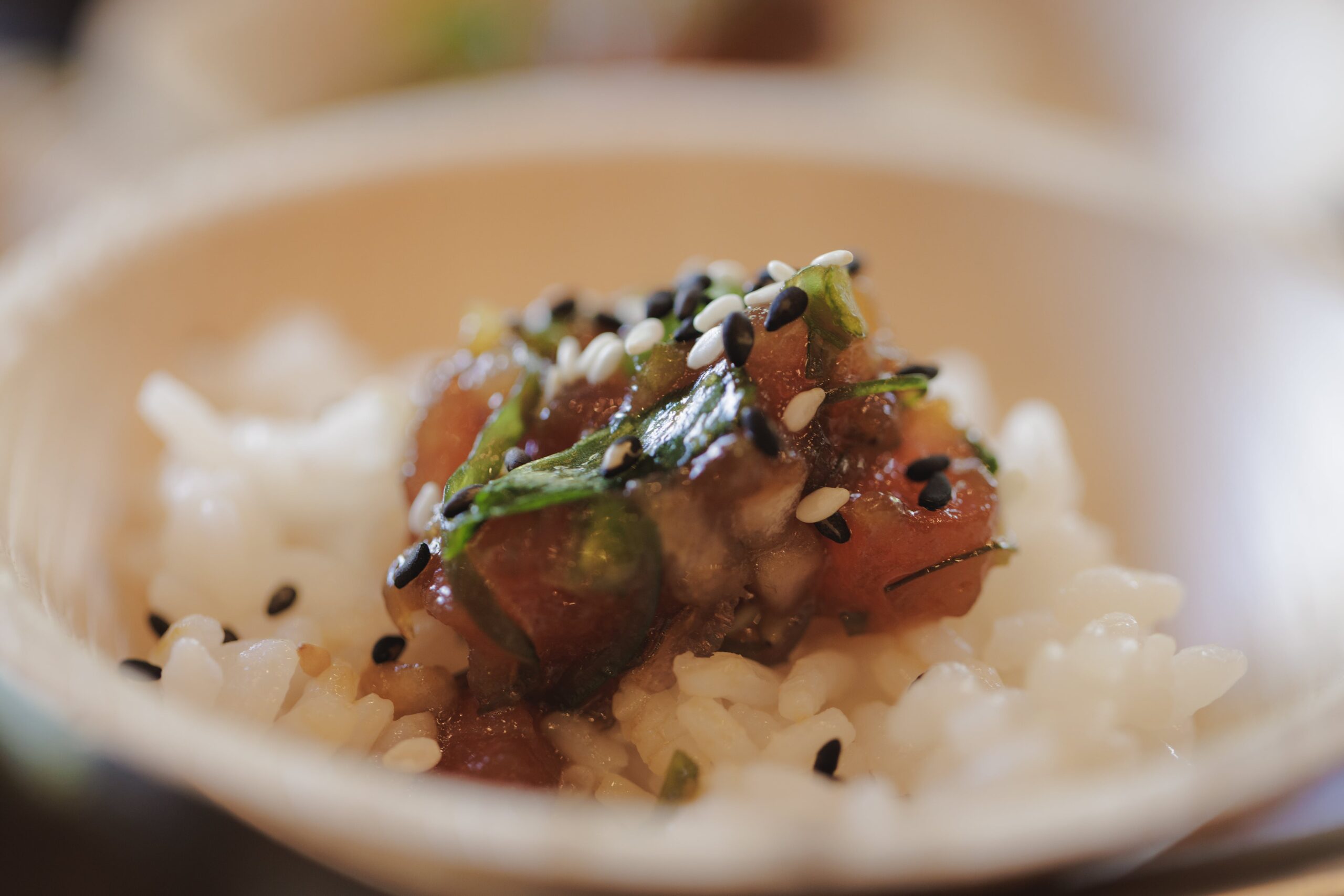
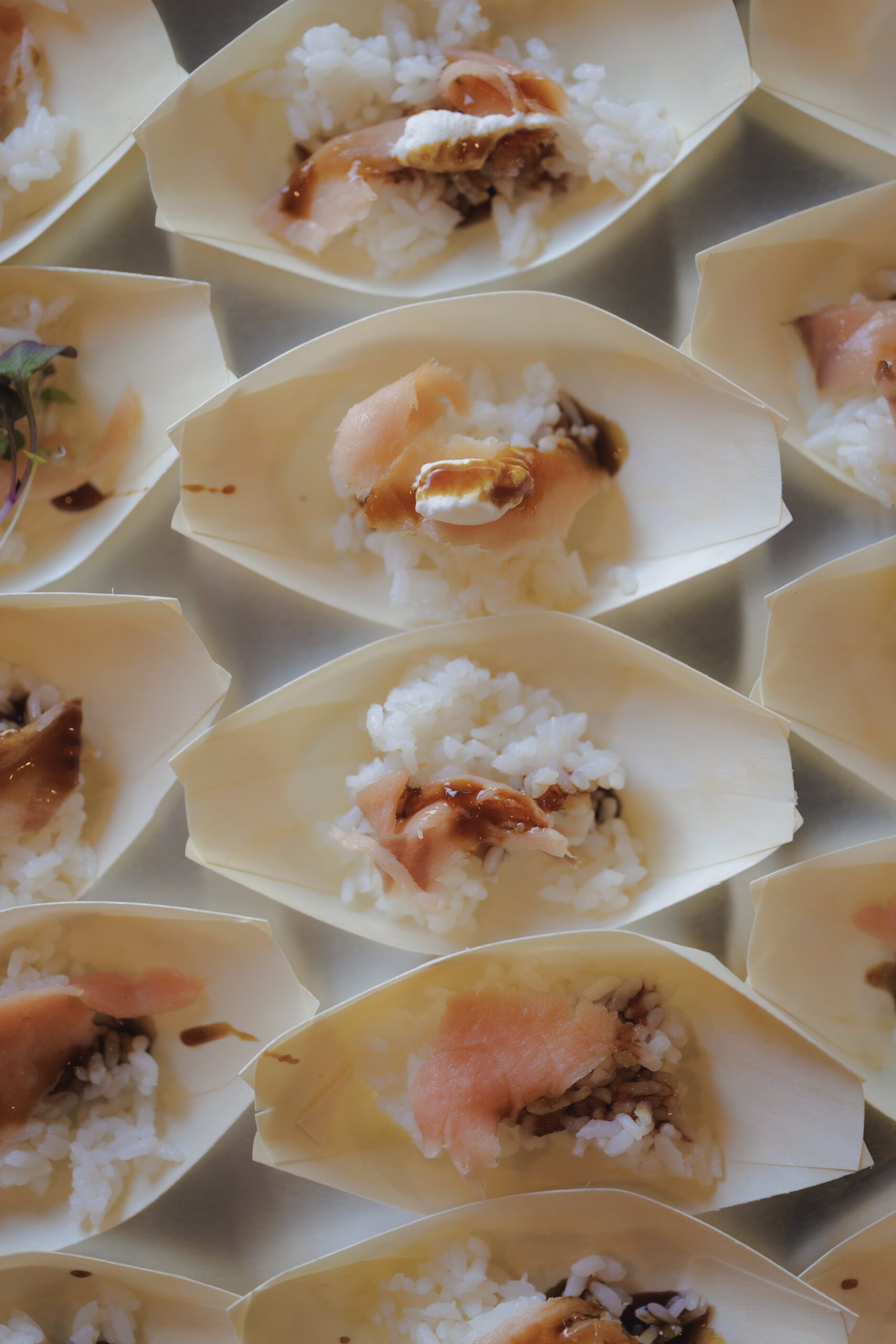
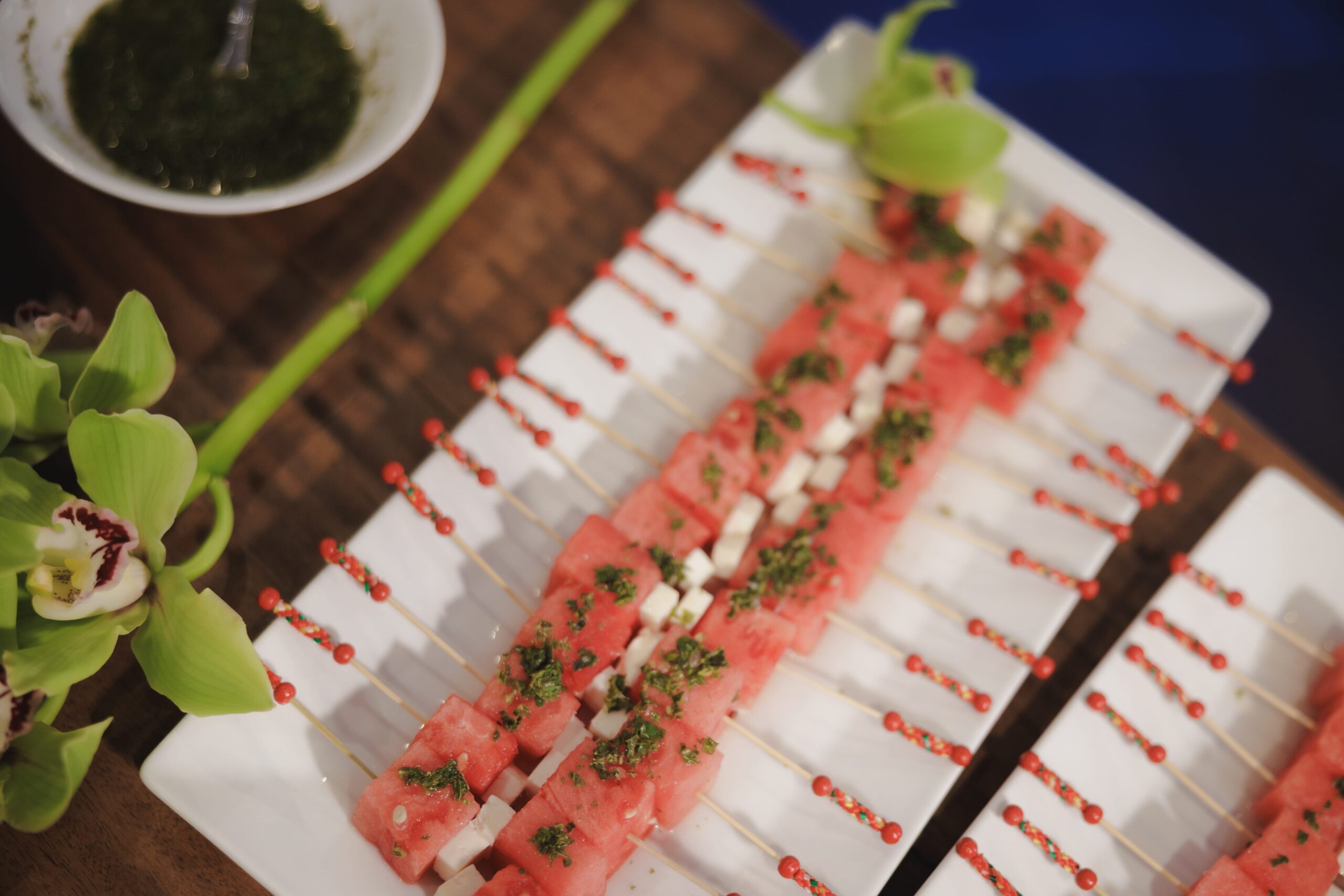
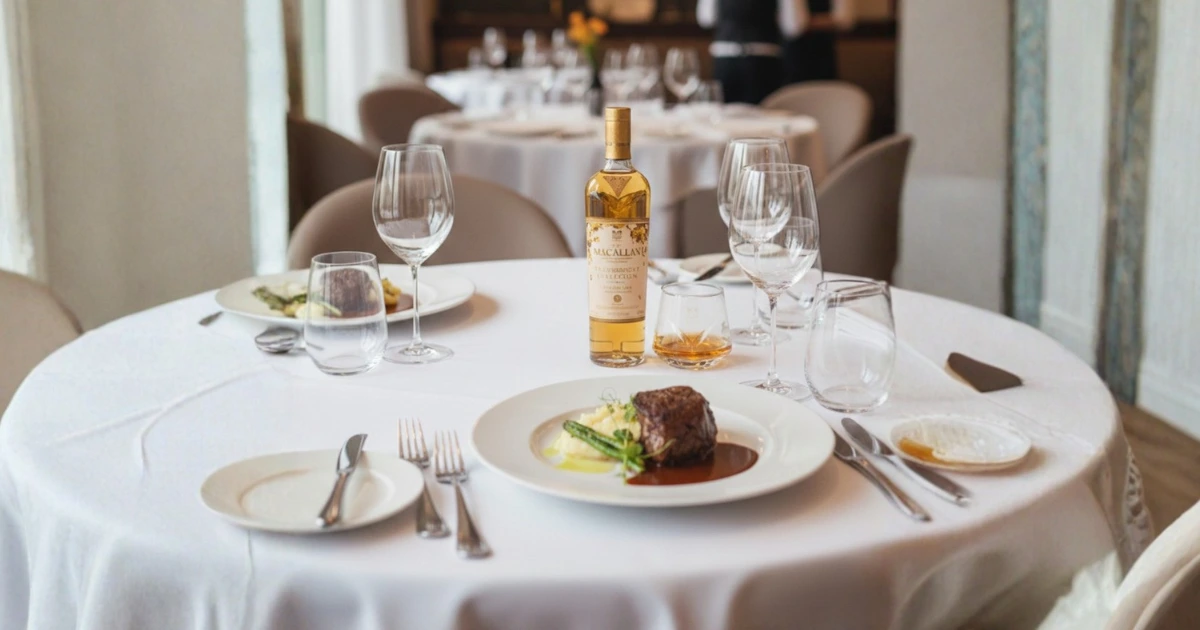
There is also a visual advantage. A plated entrée arrives as part of the event design. The china, garnish, colors, and portioning all contribute to the tablescape. When the culinary presentation matches the floral design, lighting, and venue setting, dinner becomes part of the aesthetic story rather than a practical pause in the evening.
When a plated dinner is the right choice
Not every event needs plated service. Some celebrations are better served by lively stations or a generous buffet that encourages movement. The right format depends on your guest count, your timeline, your venue, and the feeling you want the room to have.
A plated dinner is especially well suited to weddings with a formal reception, black-tie or cocktail-attire galas, milestone celebrations with a curated program, and corporate events where professionalism and structure matter. It is also ideal when guests are expecting a luxury experience and when the host wants the evening to feel intimate, even in a larger room.
If your guests are highly social and you want constant movement, a plated meal may feel more restrained than a station-style event. If you are working with a tight program and need everyone served within a predictable window, plated service often works beautifully. If your venue has a dramatic dining room and carefully styled tables, plated service tends to honor that setting better than a more casual format.
The guest experience behind the elegance
What guests notice most is not usually the logistics. They notice how easy the evening feels. They are seated, welcomed, and served with attention. They do not have to balance a plate while greeting friends or wonder when they should get in line. That comfort is part of the luxury.
For weddings, this can be particularly meaningful. Guests remain present for the important moments because dinner unfolds around the celebration instead of pulling people away from it. For corporate entertaining, the format supports conversation and relationship building at the table. For private events, it creates the feeling of a hosted dinner party on a grander scale.
Service style also influences energy. A well-paced plated dinner can feel warm and relaxed, not stiff. The key is thoughtful timing. Courses should arrive with enough space for guests to enjoy them, but not so slowly that the room loses momentum. That balance is where experienced hospitality teams make a visible difference.
How menu planning works for plated dinner service for events
The strongest plated menus are designed for the event, not lifted from a restaurant template. A dish that looks wonderful in a tasting can behave very differently when served to dozens or hundreds of guests at once. That is why menu planning for events requires both culinary creativity and operational discipline.
The first consideration is pacing. Multi-course dinners can feel luxurious and memorable, but they need a timeline that supports them. A salad, entrée, and dessert may be perfect for one reception, while a first course and main course may be more practical for another. More courses are not automatically better. Sometimes refinement comes from restraint.
The second consideration is guest comfort. Elegant menus should still feel approachable. Guests want to enjoy the meal, not decode it. The best plated event menus strike a graceful balance between sophistication and familiarity, often with seasonal ingredients, thoughtful textures, and a presentation that feels elevated without being excessive.
For events in Puerto Rico, there is also a special opportunity to weave in local character. A plated dinner can reflect the island’s warmth and culinary identity in a way that feels polished and contemporary. That might mean subtle Caribbean influence, regional ingredients, or flavor profiles that add distinction without overpowering the broader event design.
Accommodating dietary needs without compromising the experience
One of the most common concerns hosts have is how plated service handles guest preferences and restrictions. The short answer is very well, as long as planning happens early and clearly.
Vegetarian, vegan, gluten-conscious, allergy-sensitive, and other special meals can be integrated into a plated dinner with elegance. The key is not treating those guests as an afterthought. Alternate meals should feel intentional and in keeping with the overall menu, presentation, and tone of the evening.
This is one area where strong communication matters. Final counts, seating charts, and marked place settings help the service team deliver the correct meal smoothly. When handled properly, special accommodations are nearly invisible to the room, which is exactly what most hosts want.
Why service execution matters as much as the menu
A beautifully written menu means very little without disciplined execution. Plated events depend on coordination between kitchen timing, floor service, and event flow. The larger the guest count, the more essential that coordination becomes.
Professional service teams think about details guests may never notice directly but always feel. Plates arrive at the right temperature. Tables are served in an organized pattern. Courses are cleared efficiently. Water and wine service remain attentive without becoming intrusive. The room keeps its sense of ease.
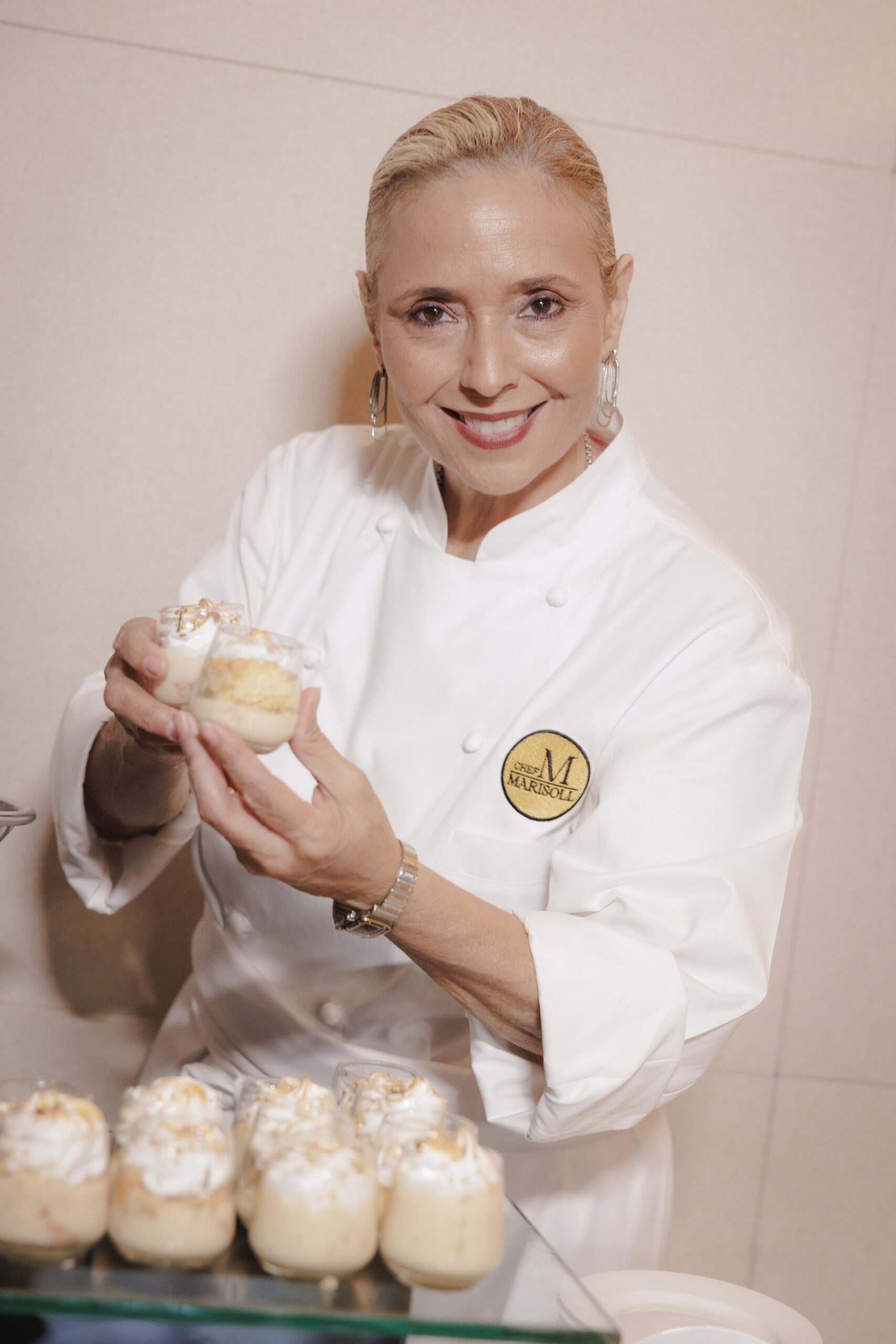
That level of care is what turns dinner into hospitality. It is also why premium clients often prefer working with caterers who understand the full event picture, not just the food. At Chef Marisoll Events, that standard is central to the experience, especially for clients who want exceptional culinary presentation paired with calm, polished service.
Planning considerations hosts should discuss early
If you are considering plated service, the earliest planning conversations should go beyond menu selection. Guest count, room layout, kitchen access, rental needs, and service timing all shape what is possible.
Venue logistics matter more than many hosts expect. Some spaces are naturally suited to plated dining because they offer efficient service pathways and proper support areas. Others can absolutely host a plated meal, but may require more coordination behind the scenes. This does not mean the format is wrong for the venue. It simply means the planning must be more precise.
Timeline is equally important. If the evening includes a ceremony, cocktail hour, speeches, entertainment, or a presentation, dinner service should complement those moments rather than compete with them. The meal is one of the anchors of the event, so it should be integrated into the full experience from the beginning.
Budget should be discussed honestly as well. Plated service often carries a higher service cost than buffet-style dining because it requires more staffing, more coordination, and more detailed execution. For many clients, that investment is worthwhile because of the atmosphere it creates. Still, the best format is the one that aligns with your priorities, not simply the one that sounds most formal.
The lasting impression a plated dinner creates
Guests may not remember every ingredient they ate, but they will remember how the evening made them feel. A plated dinner leaves a particular kind of impression – gracious, composed, and celebratory. It tells guests they were invited into something meaningful.
That is why this format remains so compelling for milestone occasions. It supports beauty without sacrificing comfort. It gives structure without feeling rigid. And when the menu, service, and setting are aligned, it becomes one of the clearest expressions of thoughtful hosting.
If you are planning an event where elegance matters, plated service is worth serious consideration. The right team will not just serve dinner. They will shape a meal that feels worthy of the moment.