A memorable gathering is rarely defined by one dramatic detail. It is shaped by the first welcome, the rhythm of service, the fragrance of a plated course arriving at precisely the right moment, and the feeling that every guest has been considered. Private event catering brings those elements together, turning a dinner, celebration, or reception into an experience with its own sense of place.
For hosts in Puerto Rico, the opportunity is especially rich. A celebration can carry the warmth of island hospitality, the sophistication of a refined dining room, and a menu that feels entirely true to the people around the table. The goal is not simply to serve a beautiful meal. It is to create an occasion guests will talk about long after the last toast.
Private Event Catering Begins With the Occasion
A private event deserves more than a standard menu chosen from a list. The best culinary experiences begin with a conversation about the purpose of the gathering. Is it an intimate anniversary dinner where every course should feel personal? A milestone birthday with music, cocktails, and a lively flow? An executive reception where the setting needs to reflect the caliber of the guests in the room?
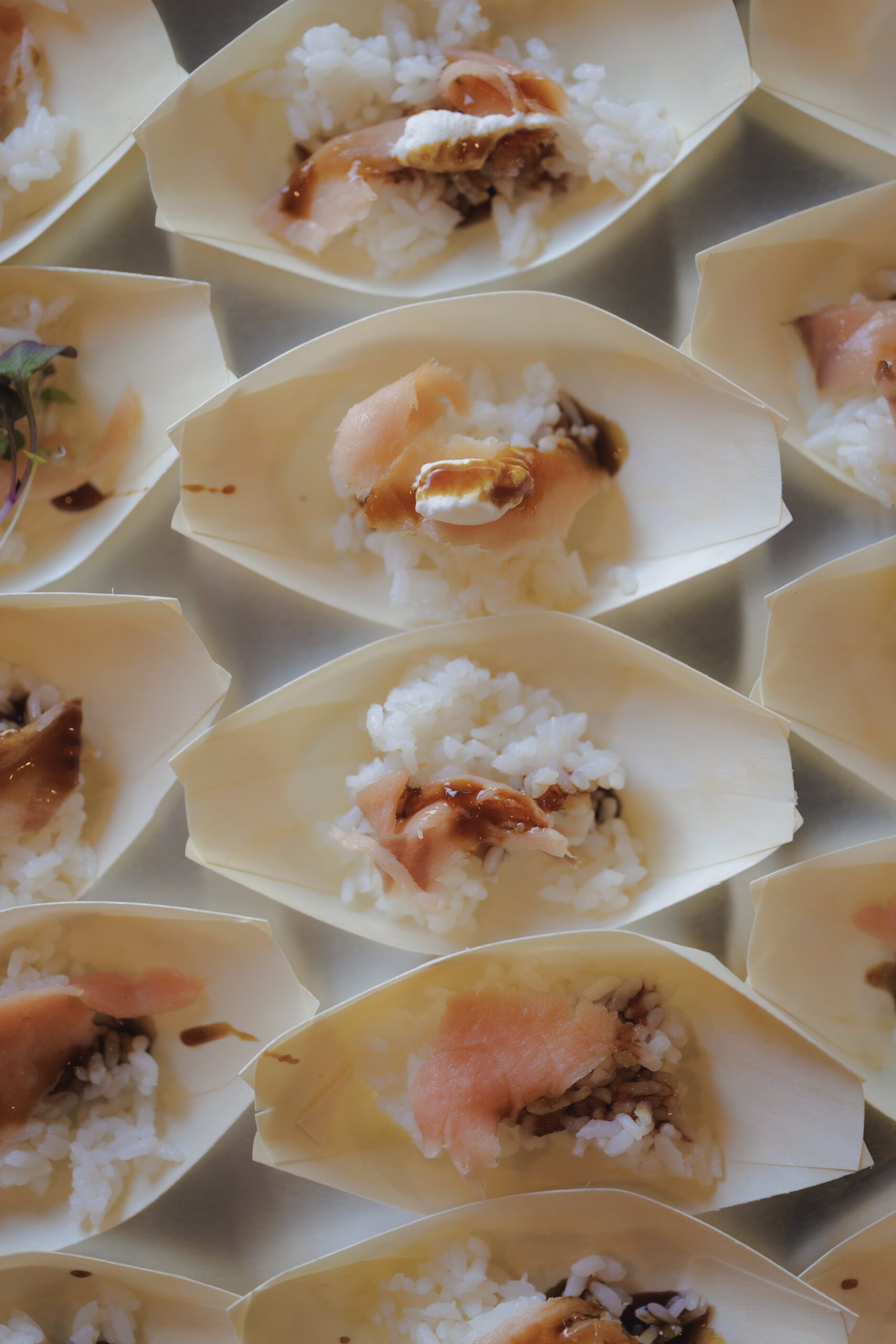
Each calls for a different expression of hospitality. A formal seated dinner allows for pacing, presentation, and a more composed atmosphere. It gives the host an opportunity to guide the evening through thoughtful courses and wine pairings. A cocktail-style reception, on the other hand, encourages movement and conversation, with passed hors d’oeuvres and artful stations that keep guests engaged without interrupting the energy of the room.
Neither format is inherently more elegant. It depends on the guest count, venue, time of day, and the kind of memories the host wants to create. A chef-led planning process helps make those decisions feel clear rather than overwhelming.
A Menu Should Tell a Story
Exceptional catering is never only about offering variety. It is about choosing dishes that belong together and speak to the occasion. A menu for a destination celebration in Puerto Rico may honor the island through seasonal ingredients, local flavors, and refined interpretations of familiar traditions. For a corporate dinner, the menu may lean toward polished, approachable selections that welcome guests with different tastes while preserving a distinct point of view.
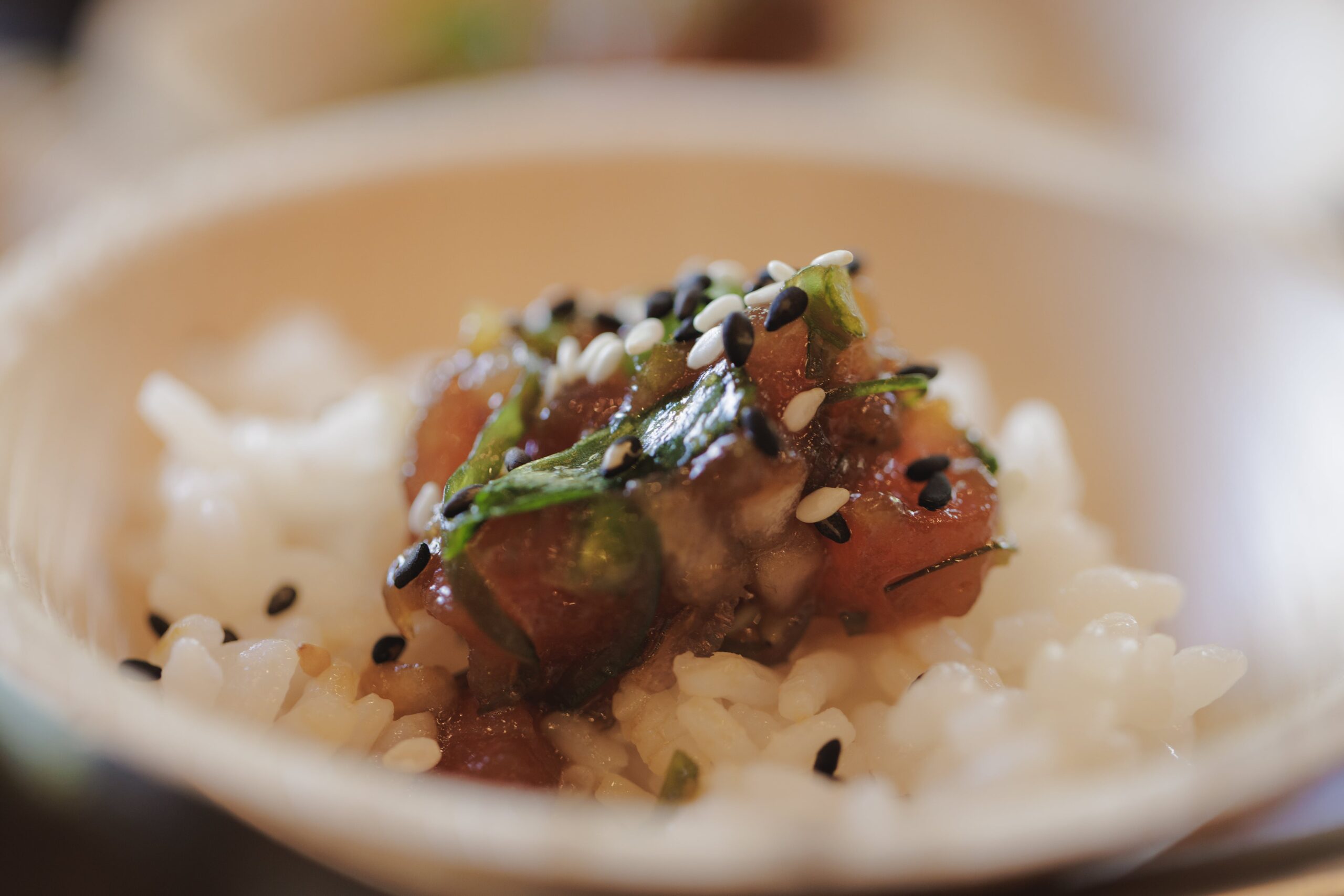
The strongest menus balance recognition and surprise. Guests appreciate dishes that feel inviting, but they also remember a detail that feels unexpected: a delicate tropical accent, a beautifully composed seafood course, a dessert that recalls a favorite local flavor in a more elevated form. These moments give the meal character.
Personalization also means listening carefully to guest needs. Dietary preferences, allergies, cultural considerations, and varied appetites should be addressed with care, not treated as an afterthought. A vegetarian entrée should feel as considered as every other plate. A gluten-free guest should enjoy the same sense of abundance and presentation. When this attention is handled quietly and gracefully, everyone at the table feels welcomed.
The Value of Seasonal Choices
Seasonal menu design adds both freshness and intention. Ingredients at their peak bring more color and flavor to the plate, while the season itself can guide the mood of the event. Lighter, brighter courses may suit an afternoon celebration, while richer textures and composed desserts can give an evening gathering a more intimate finish.
In Puerto Rico, seasonality also creates a natural connection between the event and its setting. Thoughtfully selected produce, seafood, and tropical notes can make a menu feel rooted in the island without becoming predictable. This is where culinary artistry matters most: honoring place with restraint, precision, and style.
Service Is Part of the Private Event Catering Experience
Even the most beautiful menu can lose its impact if service feels rushed, uncertain, or overly visible. Flawless service has a quiet quality. Glasses are refreshed at the right moment. Courses arrive with confidence. Guests with specific needs are cared for discreetly. The host is free to be present rather than managing logistics.
This is particularly meaningful for milestone occasions. A host should be able to greet loved ones, enjoy a toast, and participate fully in the evening. They should not be checking whether tables are set, asking when the entrée will be served, or worrying about the final details of the bar.
For larger celebrations, the service plan should support the room rather than compete with it. A buffet can feel generous and sophisticated when it is beautifully styled, replenished with precision, and designed to move guests comfortably. Food stations can create an interactive experience and add visual interest, especially for receptions where guests are meant to mingle. Plated service offers a more formal cadence, often ideal for programs, speeches, and dinners centered on conversation.
The right choice is less about following a trend and more about considering how people will gather. A seasoned catering partner can anticipate where the energy of an event may shift and design service around it.
Let the Venue Shape the Feeling
Venue and cuisine should feel connected. A private dining room may invite a more intimate, layered menu. An open-air terrace may call for vibrant cocktails, lighter passed bites, and a service style that feels relaxed but polished. A museum setting can bring an additional sense of cultural presence, making a dinner feel like an occasion before the first course is served.
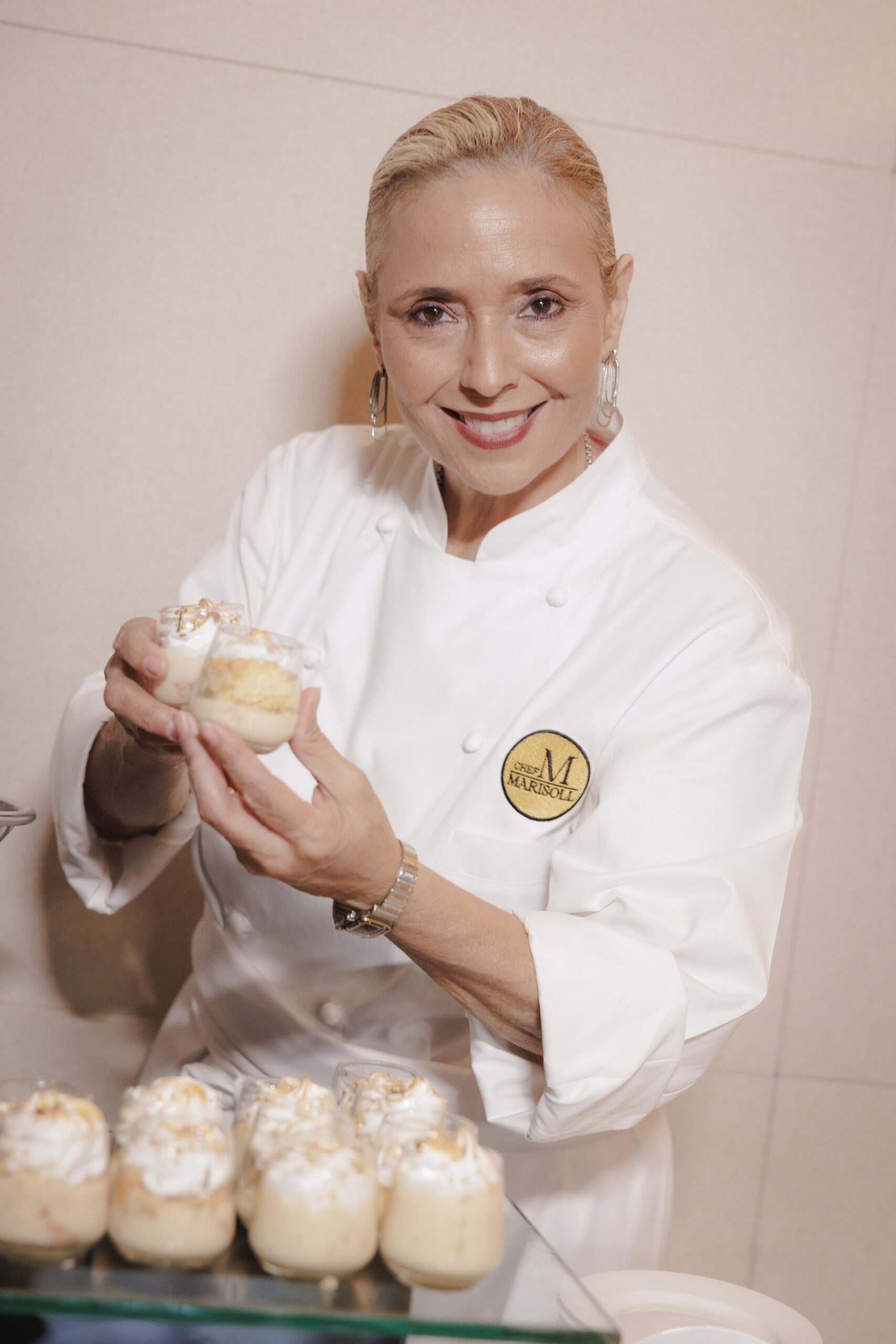
At the private hall at the Puerto Rico Museum of Art, Chef Marisoll Events creates a particularly distinctive setting for celebrations that call for both elegance and character. Art, architecture, and hospitality come together in a way that gives guests an immediate feeling of arrival. For hosts planning a destination event, that sense of place can be as meaningful as the menu itself.
Still, a remarkable experience is possible in many settings when planning is intentional. The scale of the room, kitchen access, lighting, guest flow, and service requirements all influence what will work best. Discussing these details early protects the guest experience later.
Details Guests Notice Without Naming
Guests may not remember every ingredient, but they notice when an event feels cared for. It can be the visual harmony of the table, the warmth of a greeting, the way cocktail napkins and glassware complement the floral design, or the thoughtful timing between dinner and dessert.
These details do not need to be excessive. In fact, restraint often feels more luxurious than over-decoration. A carefully selected color palette, refined tabletop elements, and elegant food presentation can create a cohesive atmosphere without distracting from the people being celebrated.
The same is true of the menu. More options do not always create a better experience. A focused selection, beautifully executed, often feels more generous than an overly broad offering. Quality, pacing, and thoughtful presentation are what turn hospitality into an art form.
Questions Worth Considering Before Planning
Before selecting a catering format, hosts benefit from thinking beyond the menu. Consider whether the evening is built around dining or conversation, whether guests will be seated for speeches, and whether the event needs a strong arrival moment. Think about the guest list as well: a multigenerational family gathering may need a different rhythm from an executive cocktail reception or a destination wedding welcome party.
It also helps to identify the one feeling guests should carry home. Perhaps it is warmth, celebration, cultural connection, or effortless refinement. That feeling can guide decisions about flavor, service, music, décor, and venue more effectively than a collection of disconnected inspirations.
The Lasting Gift of Thoughtful Hospitality
Private events are often held at meaningful turning points: a new chapter, an accomplishment, a family reunion, a wedding weekend, or an evening created simply to bring cherished people together. The food should honor that significance. It should feel generous without being ordinary, polished without feeling distant, and personal without asking the host to manage every choice alone.
When menu, setting, and service are thoughtfully aligned, guests experience something more lasting than a well-catered event. They feel welcomed into a celebration that could only have belonged to that host, in that place, on that particular evening. Begin with the people you want to gather, then let every culinary detail give them a reason to linger.