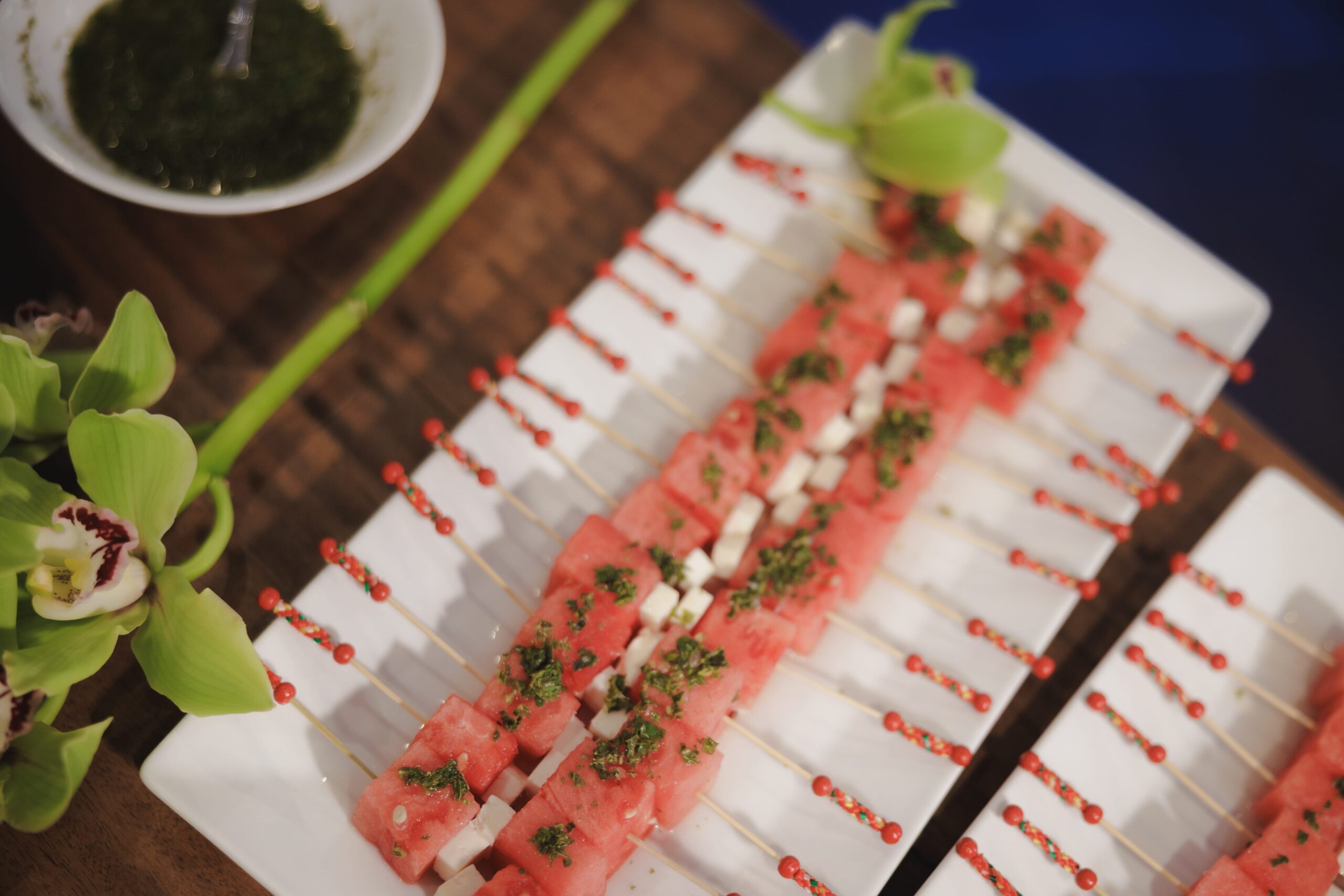
A beautifully set table should never leave a guest wondering whether they can eat what is placed before them. At a destination wedding, executive dinner, or milestone celebration, thoughtful dining is part of the welcome. Knowing how to serve diverse dietary guests means creating a menu where every person feels considered, while preserving the generosity, flavor, and refined presentation that define the occasion.
This is not simply a matter of adding one vegetarian entrée at the end of the planning process. It is a hospitality decision that shapes the guest experience from the first invitation response through the final dessert course. With early communication, careful culinary planning, and attentive service, varied dietary needs can become part of an elegant menu rather than an interruption to it.
Begin With Clear, Early Guest Information
The most successful menus begin before the chef starts writing them. Ask guests about dietary requirements as part of the RSVP process, with language that distinguishes a preference from a medical need. “Please share any food allergies, intolerances, or dietary restrictions” invites useful detail without making anyone feel singled out.
It also helps to ask for specifics. A guest who is vegetarian may enjoy eggs and dairy, while a vegan guest will not. A gluten-free guest may be avoiding gluten by preference, or may have celiac disease and require strict cross-contact precautions. Someone who does not eat pork may still enjoy a dish prepared in a kitchen where pork is used, while another guest may need food prepared according to particular religious standards. These differences matter.
For hosts, the goal is not to interrogate guests. It is to give the culinary team enough information to make sound decisions. Once responses are collected, confirm any significant allergies or highly specific requirements directly with the guest or planner. A gracious conversation before the event is far preferable to uncertainty at the table.
How to Serve Diverse Dietary Guests Without a Separate Event
A common concern is that accommodating varied diets will make the menu feel fragmented. In reality, a well-crafted menu often works best when many of its elements are naturally inclusive. Rather than creating one main menu and a collection of visibly secondary alternatives, build the culinary experience around dishes with broad appeal.
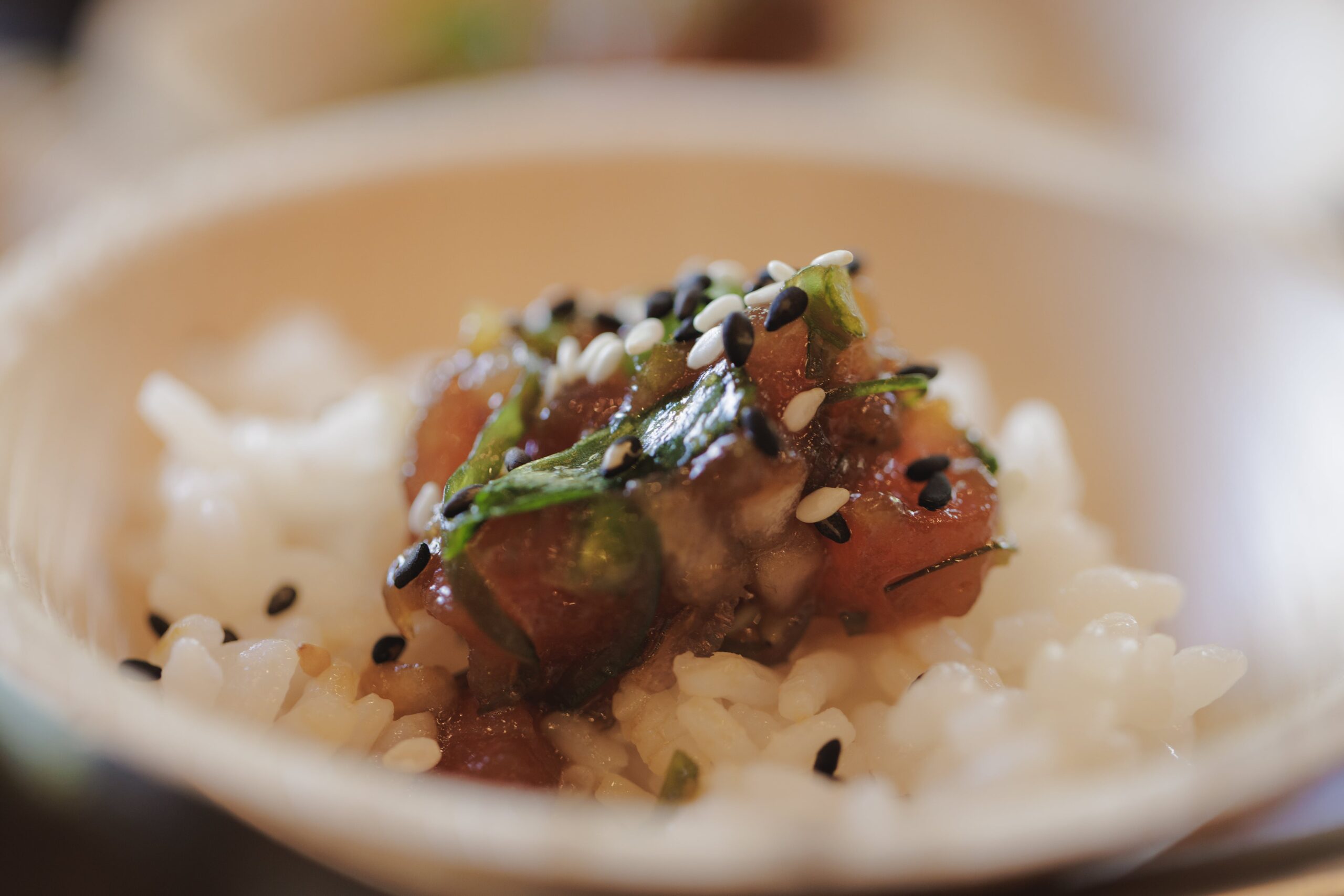
A colorful salad of local greens, ripe fruit, toasted seeds, and a bright citrus vinaigrette can be vegetarian, dairy-free, and gluten-free without announcing itself as a concession. A thoughtfully prepared seafood course may satisfy many guests who avoid meat. Vegetable-forward accompaniments, naturally gluten-free starches, and composed desserts can bring both abundance and flexibility to the table.
This approach is especially valuable in Puerto Rico, where the island’s produce, herbs, seafood, and tropical fruit offer exceptional range. Plantains, root vegetables, avocado, coconut, mango, and seasonal vegetables can be interpreted with elegance and a strong sense of place. The result is a menu that feels celebratory and distinctly curated, not restricted.
That said, universal dishes are not always enough. A guest with a serious allergy, a vegan guest attending a plated dinner, or a person following a medically prescribed diet deserves a complete and satisfying course, not a rearranged plate of side dishes. The standard should be equivalence: every guest receives food that is intentional, beautiful, and worthy of the event.
Design for Choice, Then Protect for Safety
Menu format has a meaningful impact on dietary accommodation. Plated dinners allow for precise execution when restrictions are known in advance. Each special entrée can be identified on the service plan and delivered by trained staff to the correct guest. This is often the most polished choice for formal receptions and seated corporate occasions.
Buffets and food stations offer variety, which can be wonderfully welcoming, but they require more careful organization. Shared serving utensils, sauces placed without identification, and close placement of allergens can create confusion or risk. It depends on the guest list and the severity of the restrictions. For an event with several guests managing serious food allergies, an attended station or plated service may be the wiser choice.
When a buffet or station format is preferred, protect guests through deliberate presentation. Place labels where they can be read easily, identify key allergens, and separate dishes whenever practical. Keep gluten-free offerings away from bread baskets and flour-based items. Use dedicated utensils for each dish, and have informed attendants available to answer questions and prevent cross-contact.
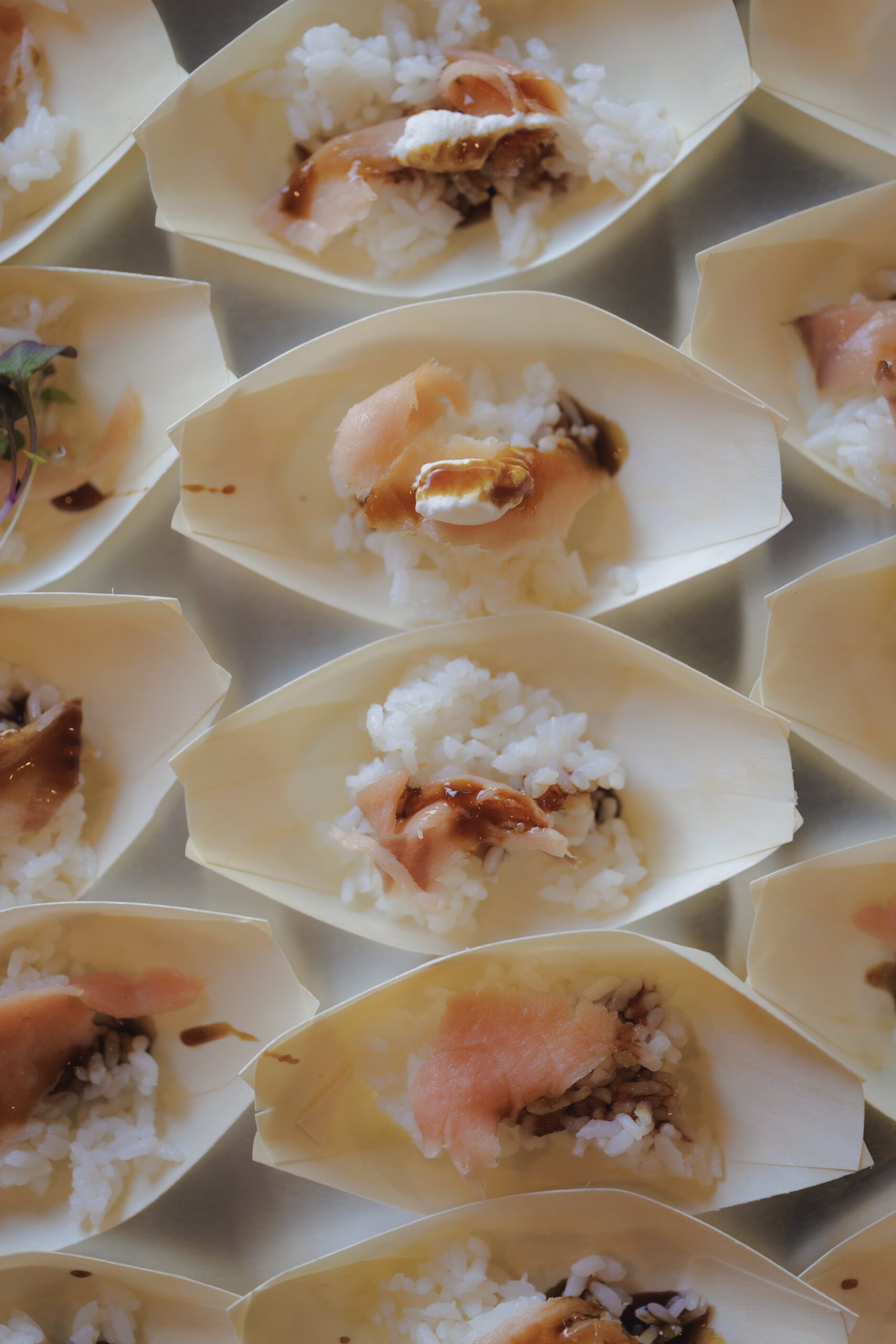
For cocktail receptions, do not assume passed bites will solve every need. Plan a considered selection that includes substantial options for guests who are vegetarian, vegan, gluten-free, or dairy-free. A server who can confidently identify each canapé is part of the luxury experience. No guest should have to guess or repeatedly ask whether a passed item is safe to enjoy.
Treat Allergies Differently From Preferences
Hospitality is generous by nature, but food safety requires clarity. An allergy can be life-threatening, while an intolerance may cause significant discomfort. A preference may be flexible, but it should still be respected when communicated in advance. The kitchen and service team need to know which category applies so that preparation and presentation meet the right standard.
Cross-contact deserves particular attention. A gluten-free dish can no longer be reliably gluten-free if it is cut with a knife used for regular bread. A dairy-free purée may be unsuitable if it is finished with the same spoon used for butter. In a professional kitchen, these details are addressed through clear production notes, separate utensils and surfaces where required, ingredient verification, and communication across the entire team.
Hosts do not need to manage these technical steps themselves. Their role is to select an experienced culinary partner, share accurate information promptly, and avoid making promises to guests that have not been confirmed with the chef. A thoughtful caterer will explain what can be accommodated, what requires additional care, and when a particular request may call for a tailored solution.
Preserve the Beauty of the Menu
Special meals should never look like an afterthought. The guest receiving a vegan entrée should see the same attention to color, texture, height, and finishing detail as the guest receiving the primary plated course. This is where chef-led personalization changes the experience.
A composed vegetable dish can be as luxurious as any traditional entrée when it is built with purpose: a velvety root vegetable purée, charred seasonal vegetables, crisp plantain, fragrant herb oil, and a savory element that brings depth without relying on meat or dairy. Likewise, gluten-free desserts can be genuinely memorable when designed around chocolate, tropical fruit, coconut, meringue, or almond rather than treated as a substitute version of another dessert.
Presentation also extends to language. Avoid labeling a guest’s plate in a way that draws unwanted attention in front of others. Service staff can use discreet seat maps, menu markers understood by the team, or a quiet confirmation at the table. The guest should feel cared for, not displayed.
Give the Service Team a Precise Plan
Even the finest menu depends on flawless execution in the dining room. Before guests arrive, the captain, servers, bartenders, and culinary team should review the dietary plan together. They should know which guests have allergies, which meals are assigned to which seats, what ingredients are present in each course, and whom to consult if a question arises.
For larger celebrations, a detailed dietary matrix is invaluable. It should include the guest’s name or seat number, restriction, approved meal, and any critical handling instructions. Keep this document with the event team, not in public view. If a guest changes seats or a last-minute attendee arrives, the service lead should be prepared to respond calmly rather than improvise.
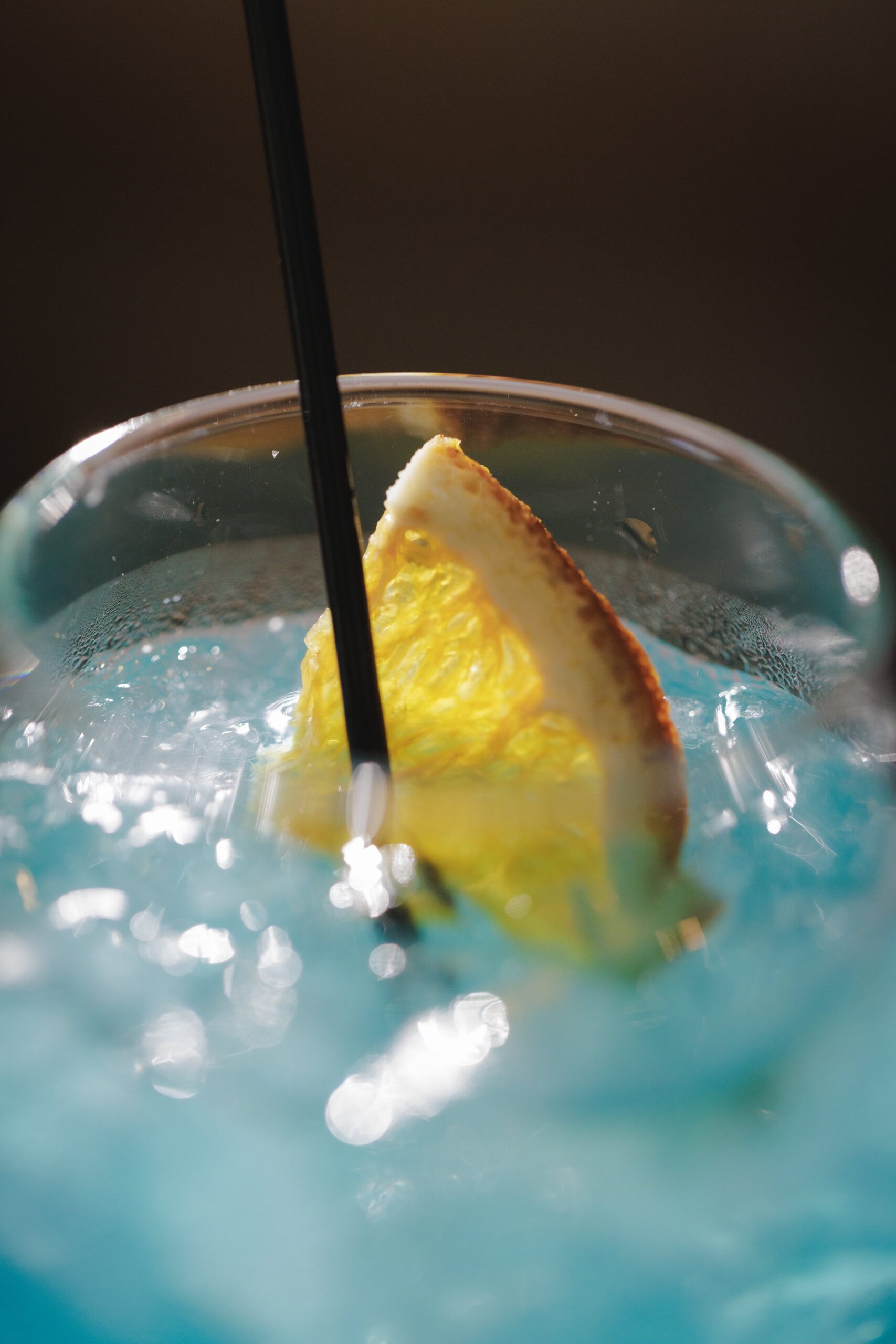
Beverages deserve attention as well. Signature cocktails can contain egg white, dairy, honey, or unexpected garnishes. Offering a thoughtfully designed zero-proof option and ensuring bartenders understand ingredients makes the bar feel just as inclusive as the dining room.
Let Consideration Shape the Celebration
An elegant event is remembered by how it makes people feel. Guests may not recall every ingredient, but they will remember being welcomed with confidence, offered something delicious, and treated with the same care as everyone else at the table.
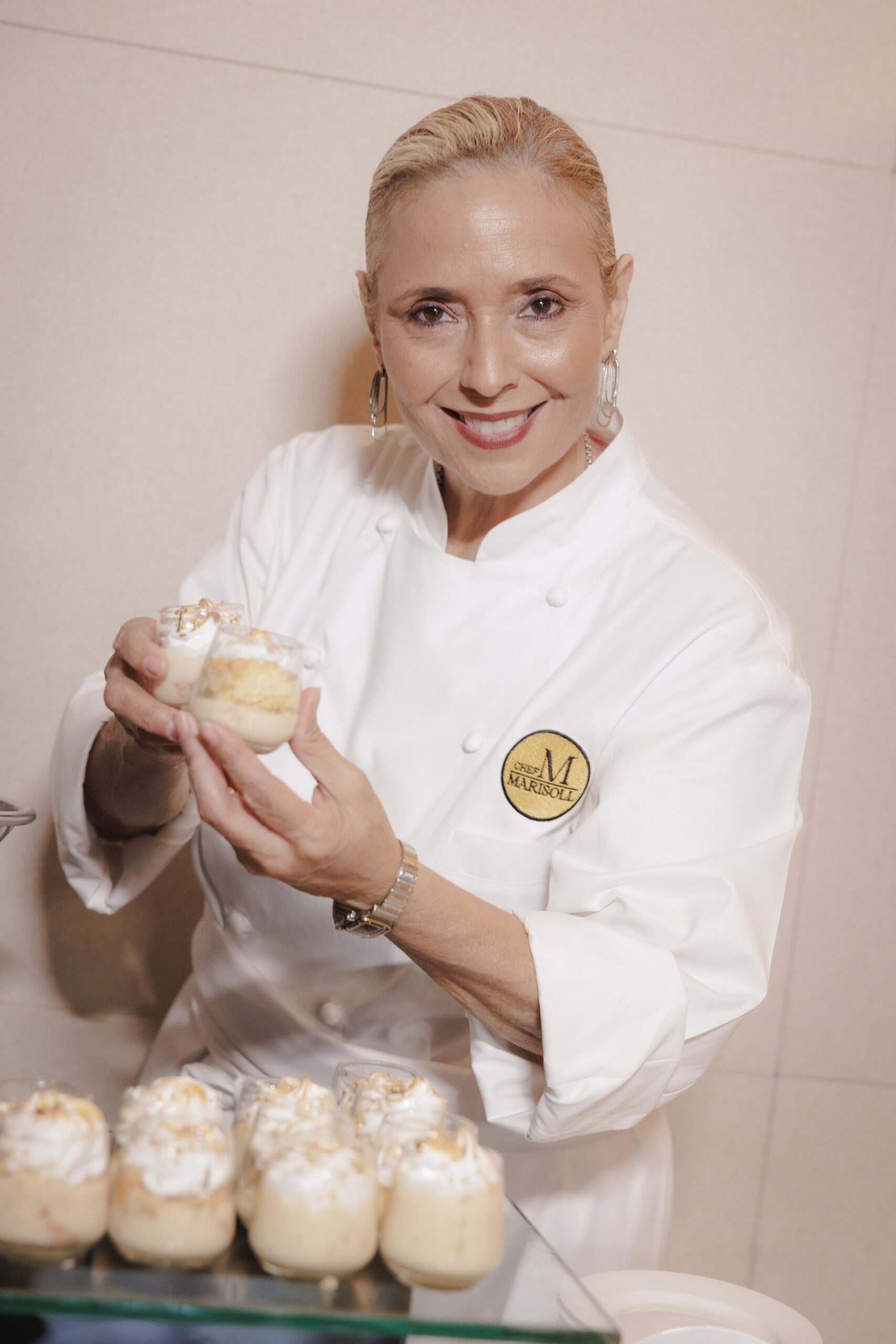
At Chef Marisoll Events, personalized menu design begins with that belief: exceptional culinary experiences are not one-size-fits-all. They are shaped around the people gathering, the setting, and the significance of the moment. When dietary needs are addressed with the same artistry given to every other detail, the meal becomes what it should be – a generous expression of hospitality that allows every guest to celebrate fully.