A beautiful menu can set the emotional tone before the first toast is raised. It tells guests whether the evening will feel intimate or grand, rooted in place or inspired by travel, traditional or unexpectedly modern. Learning how to design a custom event menu begins with that larger feeling: not simply what guests will eat, but how each course will contribute to the occasion they came to celebrate.
For a destination wedding in Puerto Rico, a leadership dinner, or a milestone gathering with family, the most memorable menus feel personal without becoming overly complicated. They have a clear point of view, respect the guest experience, and are supported by service that makes every detail feel effortless.
How to Design a Custom Event Menu Around the Occasion
Start with the purpose of the event. A wedding reception calls for romance, rhythm, and a sense of celebration that can carry guests through several hours. A corporate reception may need polished, easy-to-enjoy dishes that leave room for conversation and networking. An intimate anniversary dinner can support more refined, course-driven pacing and a greater level of culinary surprise.
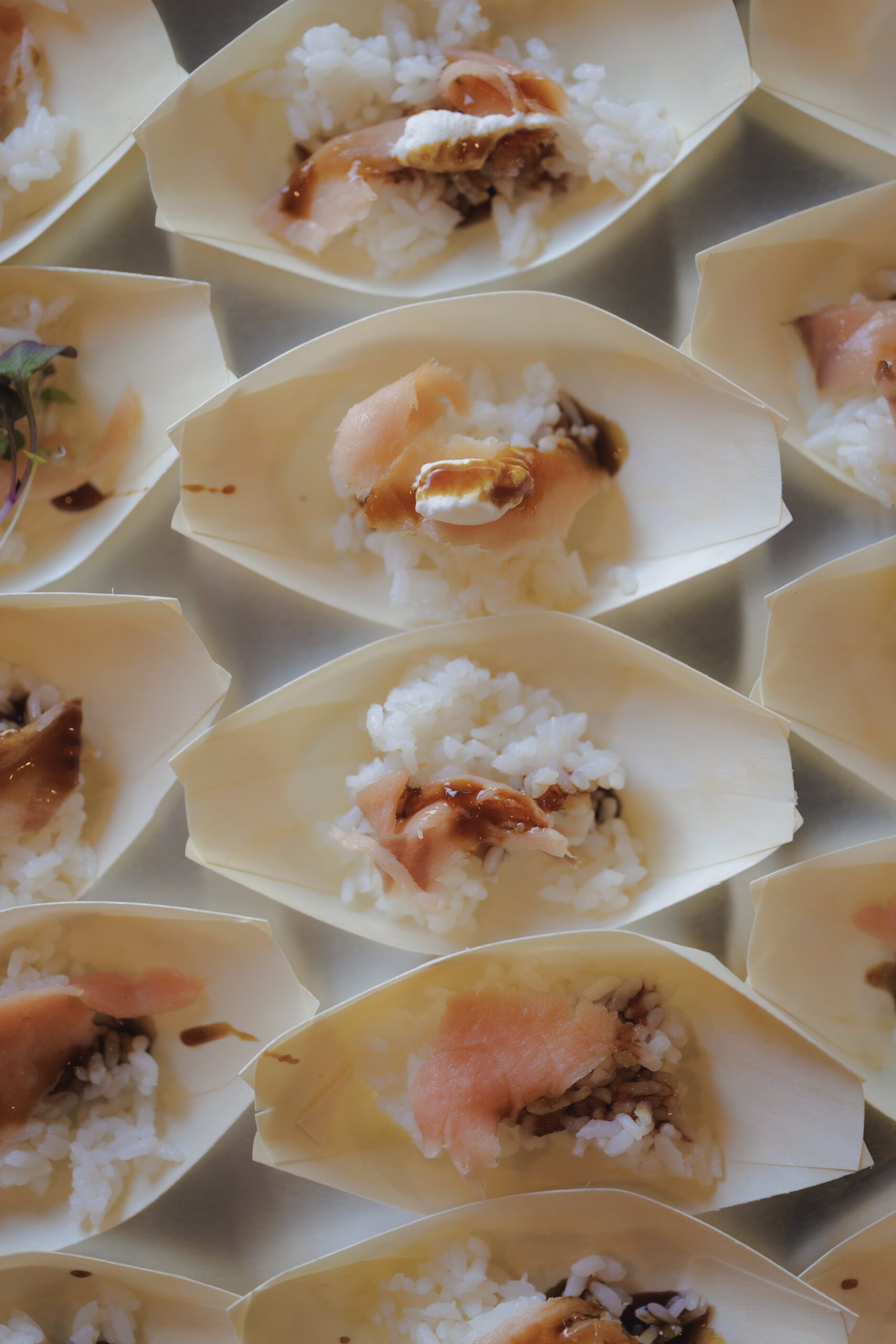
The format should serve the occasion rather than follow a trend. A plated dinner creates a composed, formal experience where presentation and timing matter deeply. Food stations invite movement and discovery, which can be ideal for lively receptions or groups with varied tastes. A buffet can feel generous and elegant when it is thoughtfully styled and carefully attended. Cocktail-style service works especially well for evening celebrations with a social flow, provided the offerings are substantial enough for the event length.
Consider the environment, too. A menu for an open-air terrace may favor lighter preparations and refreshing flavors, while a dinner in an art-filled private hall can welcome more dramatic plating and a slower, more immersive progression. At the Puerto Rico Museum of Art, for example, the setting itself offers a sophisticated starting point for an evening where cuisine, culture, and celebration meet.
Begin With a Culinary Story, Not a Long List of Dishes
The strongest custom menus have a thread running through them. That thread might be Puerto Rican heritage interpreted with contemporary refinement, the colors and produce of a season, a couple’s shared travels, or the hospitality traditions of a family. It gives the menu coherence, even when courses include a range of flavors and ingredients.
A coastal celebration might open with bright citrus, local seafood, and crisp textures, then move toward a warm entrée with deeper flavor. A winter corporate dinner may lean into comforting elements presented with restraint: roasted vegetables, slow-cooked proteins, aromatic sauces, and elegant desserts. The goal is not to make every dish match exactly. It is to create a natural progression from welcome cocktail to final sweet bite.
Puerto Rican influence can be especially meaningful when used with intention. Familiar ingredients such as plantains, tropical fruit, local herbs, coffee, and fresh fish can appear in ways that feel elevated rather than expected. A chef-led menu has the opportunity to honor the island’s culinary identity while remaining tailored to the tastes of a destination audience.
Put Guest Comfort at the Center of Every Choice
An exceptional menu should feel considerate to every person at the table. Before selecting dishes, develop a clear picture of the guest count, age range, travel profile, dietary needs, and the overall energy of the group. A late-night wedding crowd may appreciate a playful final course or a savory after-hours offering. An executive audience at a midday event may prefer satisfying dishes that are refined but never overly heavy.
Dietary accommodations deserve the same creativity as the primary menu. Vegetarian, vegan, gluten-sensitive, dairy-free, and allergy-aware selections should feel intentional, not like an afterthought served only to a few guests. When alternatives echo the visual appeal and culinary quality of the main course, every guest feels included in the experience.
This is also where restraint matters. A menu with too many rich elements can fatigue guests, particularly in a warm climate or during a long reception. Balance indulgent notes with freshness, acidity, texture, and lighter courses. If the entrée is luxurious, the first course may be more delicate. If passed hors d’oeuvres are abundant, a smaller plated dinner could be the more gracious choice.
Build the Menu in Moments
Guests rarely remember an event as a list of individual dishes. They remember moments: the first chilled cocktail on arrival, the aroma from a live station, the beautifully plated course placed before them, the dessert that arrives just as speeches conclude. Design each food moment with the event timeline in mind.
For a formal dinner, that may mean a graceful sequence of welcome beverages, passed hors d’oeuvres, a first course, entrée, dessert, and coffee service. For a reception, it may mean allowing stations to open in stages so the room evolves throughout the evening. A later sweet display or specialty coffee moment can create a natural transition toward dancing or a farewell.
Pacing is often the invisible difference between a menu that looks lovely on paper and one that feels flawless in real life. An experienced catering team will consider kitchen timing, service staff, table turns, speeches, entertainment, and the distance between preparation areas and guests. These operational details protect the atmosphere you have worked so hard to create.
Choose Variety With Purpose
Variety should give guests options, not create confusion. Within a cocktail menu, offer a thoughtful mix of seafood, meat, vegetarian, and fresh selections. At a station-based event, contrast a composed chef-attended offering with a vibrant grazing or salad element. For plated service, two entrée choices are often enough to accommodate preferences while preserving a polished kitchen rhythm.
The same principle applies to flavor. Include familiar notes that help guests feel comfortable, then add one or two memorable details that make the evening distinctive. A menu does not need to be challenging to feel luxurious. Precision, quality ingredients, and beautiful presentation are often more lasting than novelty alone.
Let Seasonality Shape the Details
Seasonal ingredients can bring a menu to life, but seasonality is not a rigid rule. It is a guide for choosing ingredients at their most expressive and selecting preparations that suit the weather and setting. In Puerto Rico, freshness may mean vibrant tropical fruits, local catch, herbs, and crisp accompaniments that feel especially welcome in the island climate.
For destination celebrations, it can be tempting to include every local specialty. A more elegant approach is to select a few elements that feel authentic to the place and integrate them gracefully. That might mean a cocktail with island fruit, an appetizer that references a regional flavor, or a dessert finished with Puerto Rican coffee. The result feels connected to the destination without becoming themed.
Pair Food, Beverages, and Presentation
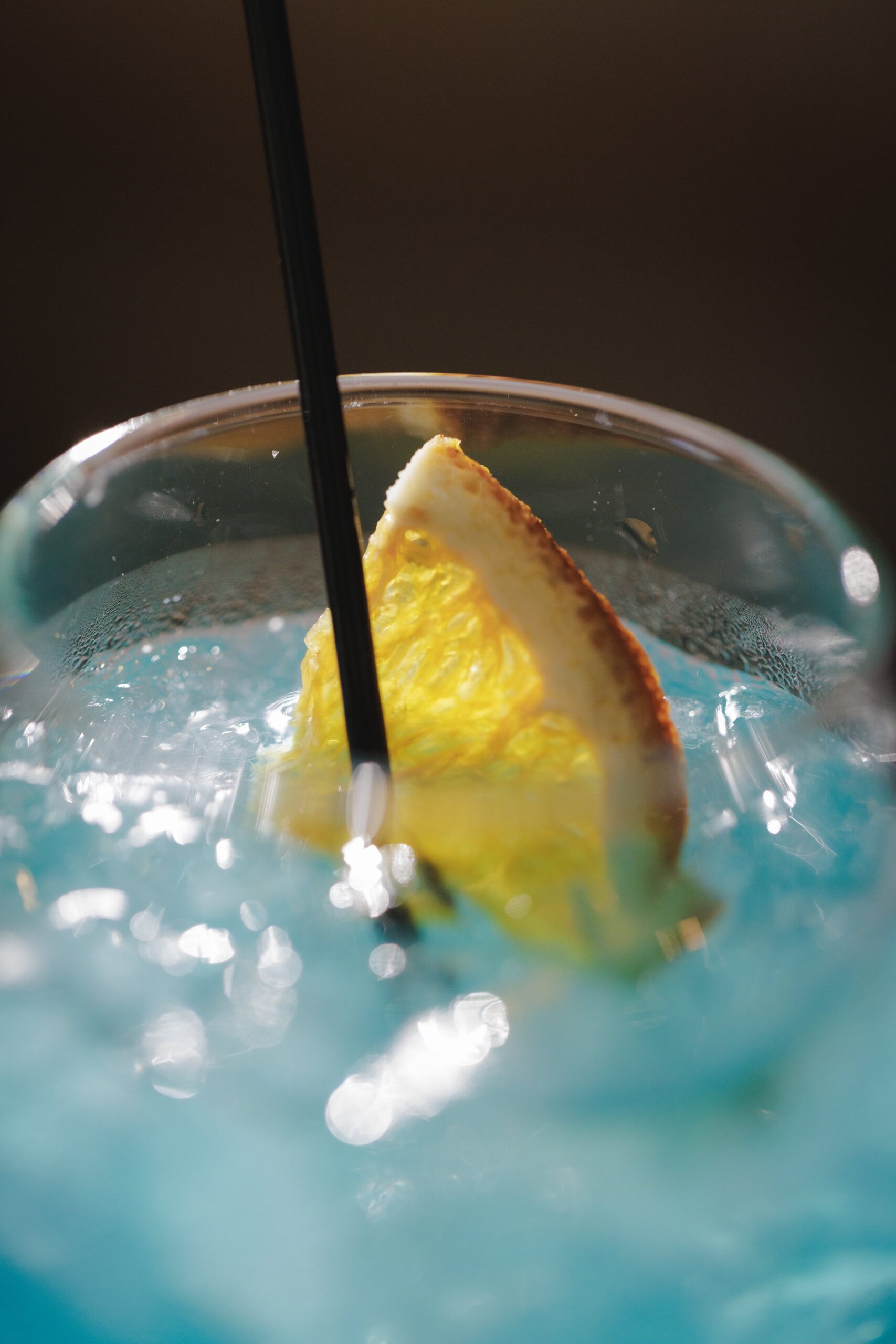
A custom menu becomes more complete when food and beverages are planned together. A crisp sparkling welcome drink may complement light passed bites, while a thoughtfully selected wine can support the entrée without competing with its sauce or seasoning. For nonalcoholic guests, a crafted zero-proof option deserves the same care in flavor and presentation.
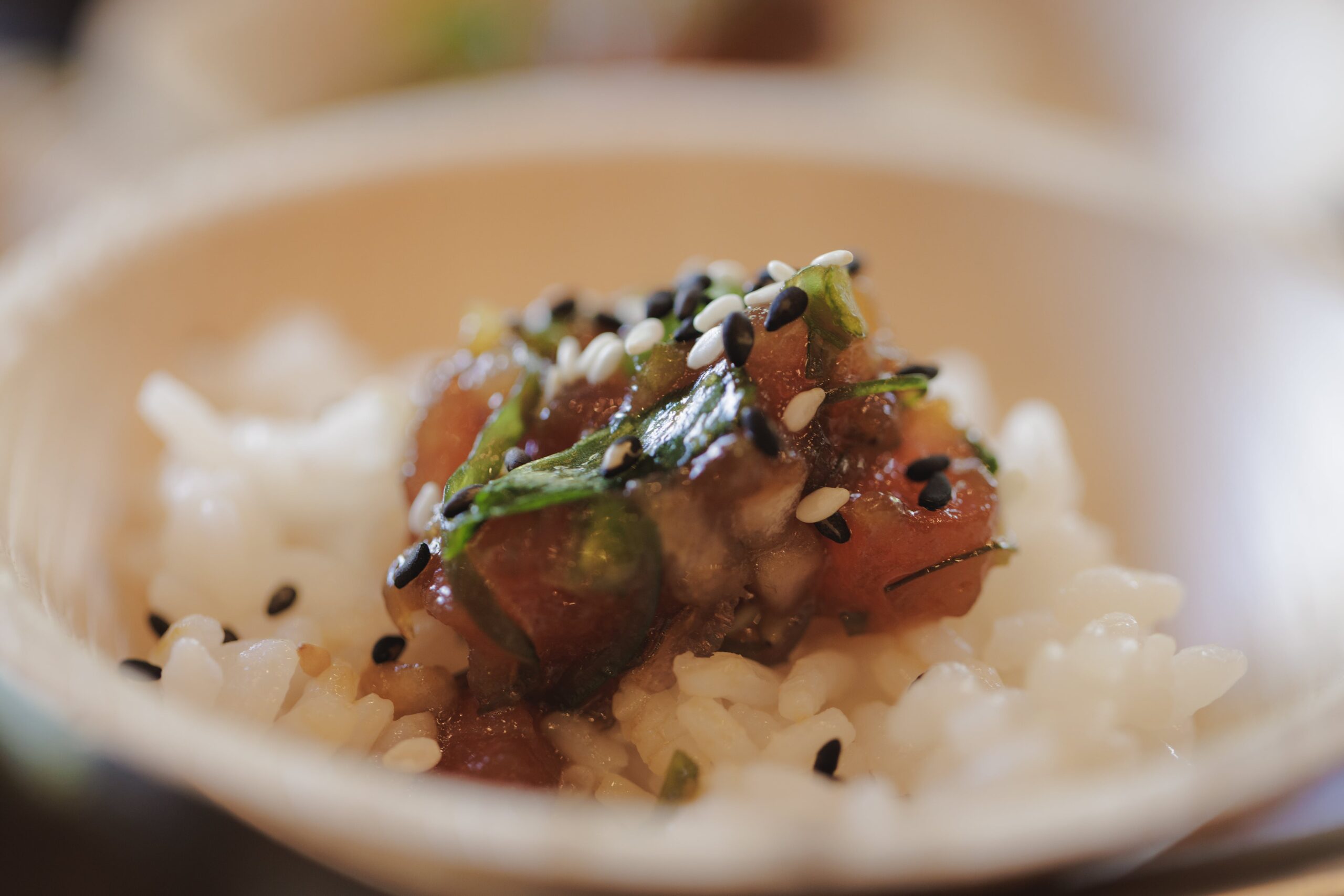
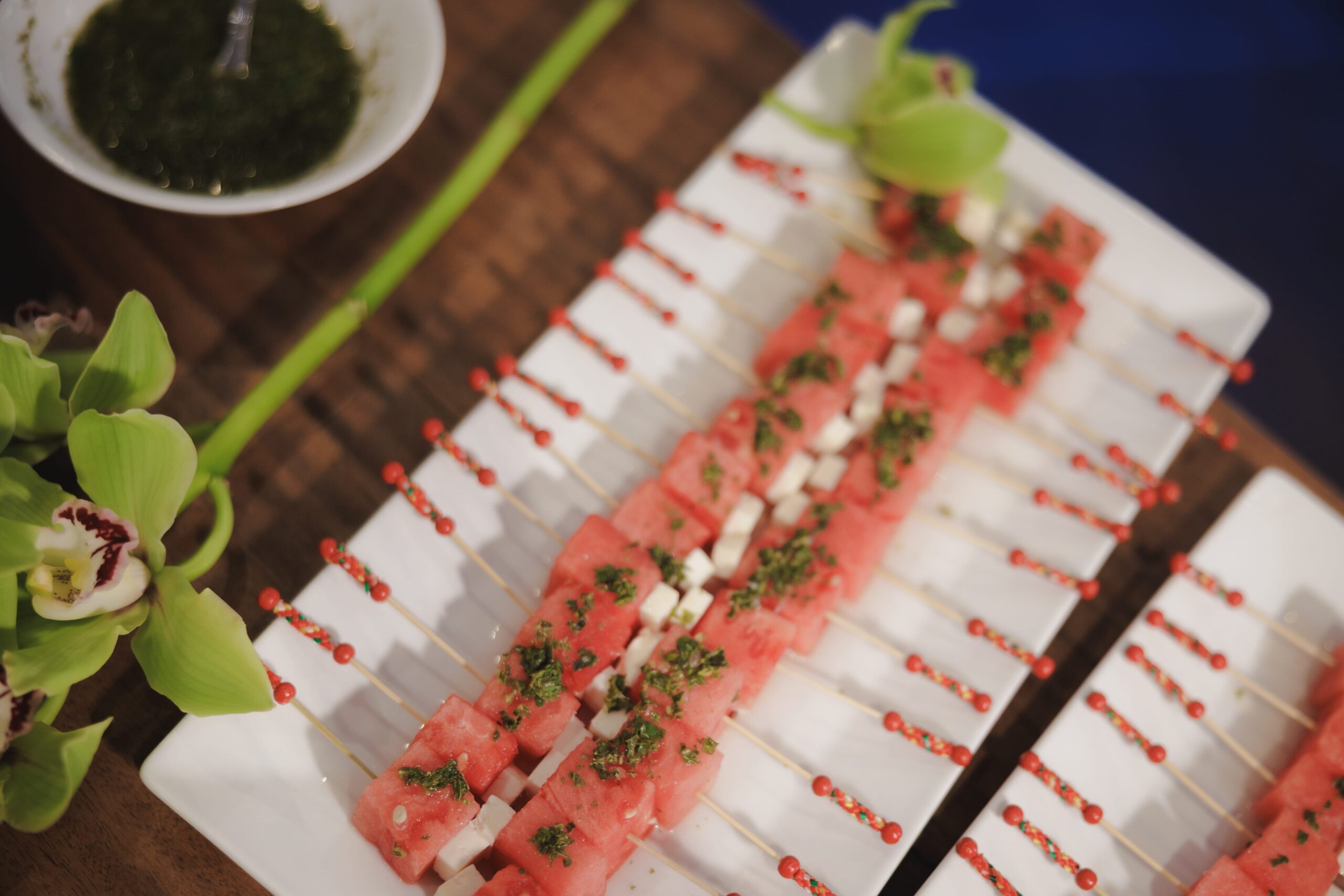
Presentation is part of the menu, too. The plate, serving vessel, garnish, and station design should support the event’s visual language. A clean, contemporary wedding may call for sculptural plating and restrained color. A celebratory family gathering may invite richer textures and a more abundant display. Neither approach is automatically more luxurious. Luxury comes from consistency and intentionality.
When discussing presentation with your culinary team, share details beyond the color palette. Describe the mood you want guests to feel: candlelit and intimate, sunlit and celebratory, glamorous, relaxed, artistic, or warmly traditional. Those cues help translate an event vision into choices that guests can see, taste, and remember.
Work With Your Chef Early
The most successful menu planning happens when the chef and event team are invited into the conversation early enough to shape the experience. Share your priorities honestly: the dishes you love, ingredients you prefer to avoid, family traditions worth honoring, budget expectations, and the moments you want guests to talk about afterward.
A tasting is the time to refine, not merely approve. Notice how dishes feel as a sequence, whether portion sizes suit the format, and how flavors read alongside the planned beverages. Ask what is realistic for the venue and guest count. Sometimes the most elegant decision is simplifying a course so it can be executed beautifully for every guest at the same moment.
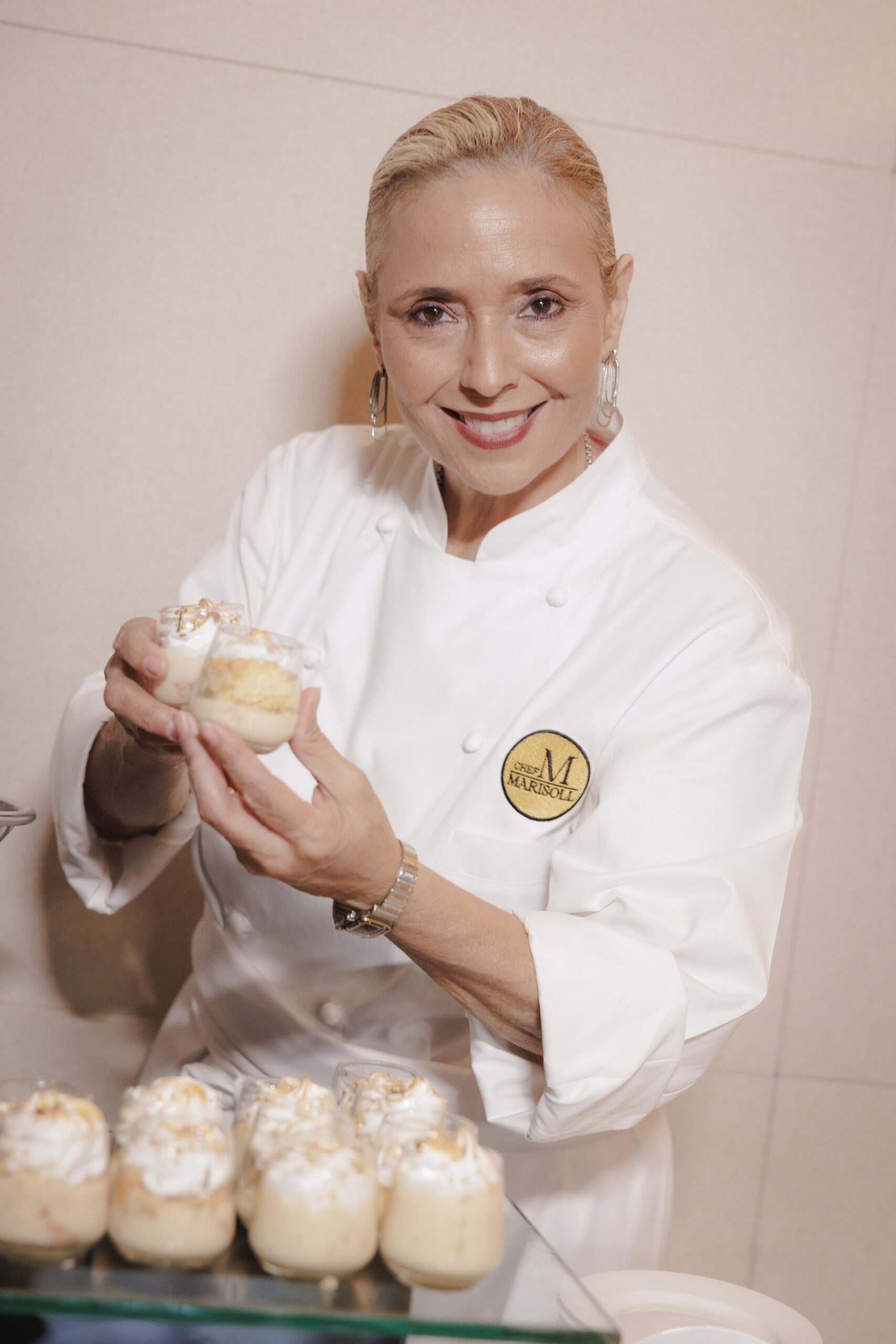
Chef Marisoll Events approaches this collaboration as hospitality with a point of view – pairing decades of experience with menus crafted around the people, setting, and significance of the celebration.
A custom event menu should leave guests feeling cared for long after the last plate is cleared. Choose dishes that reflect your story, then give a trusted culinary team the room to turn that story into an evening of generous, polished hospitality.