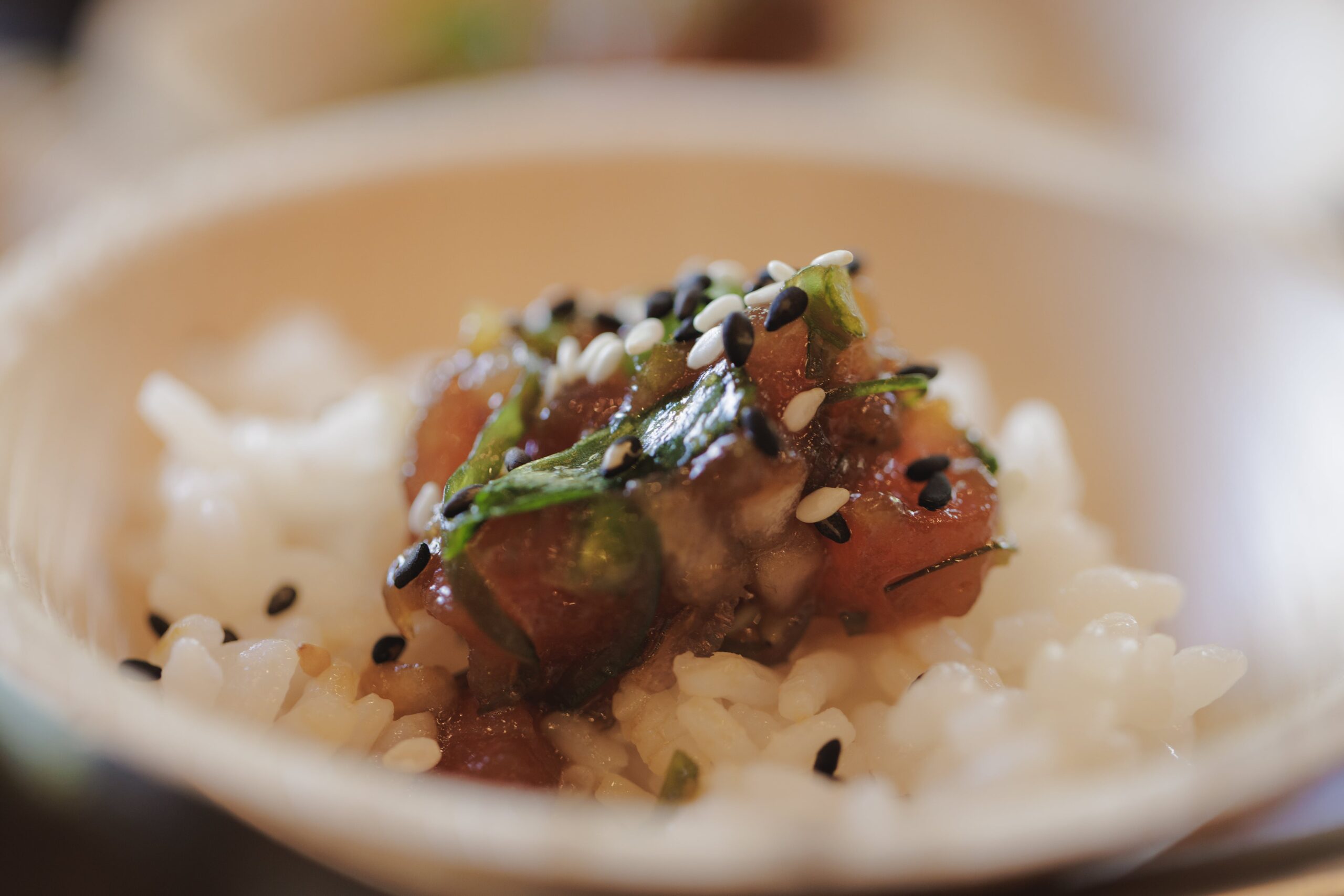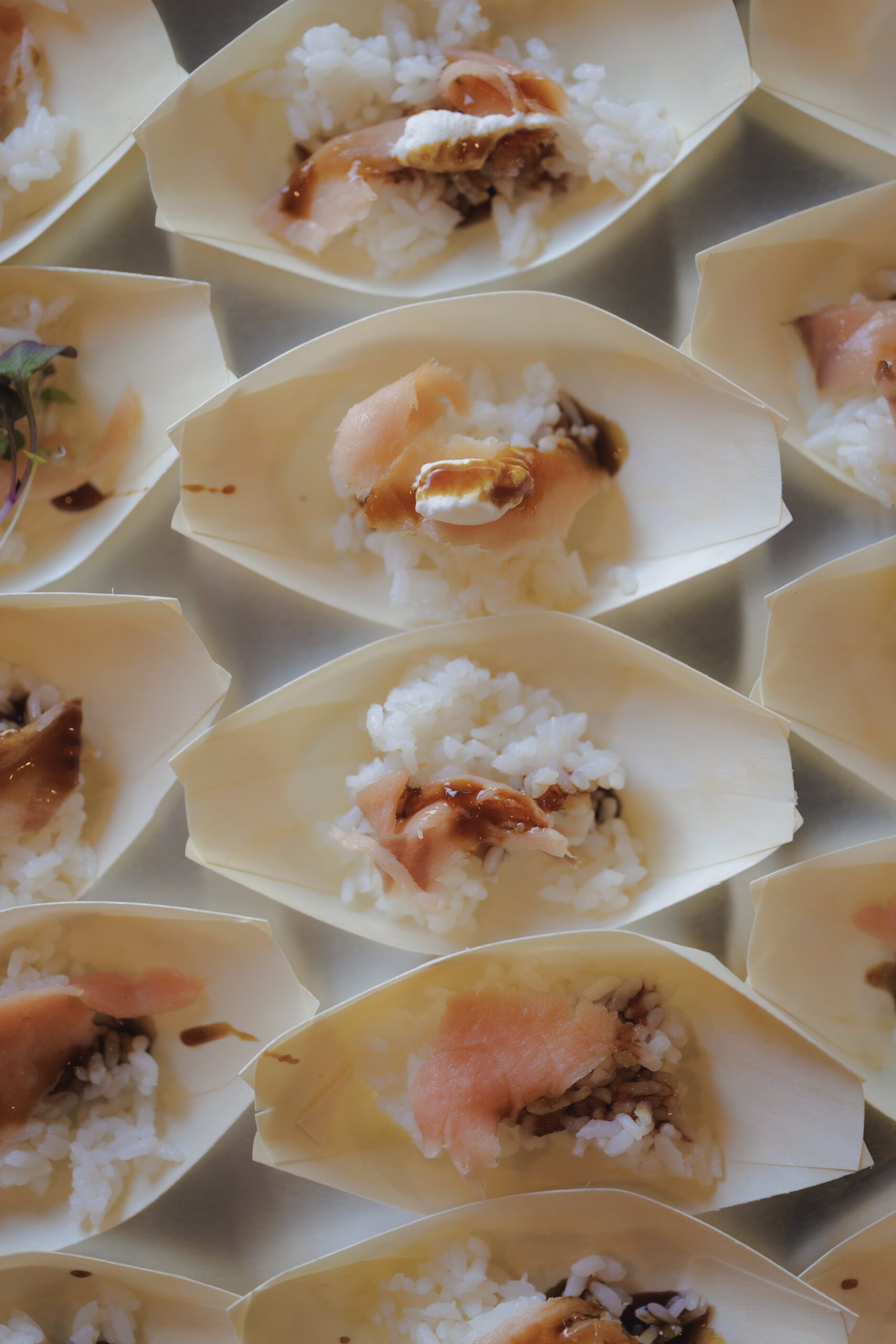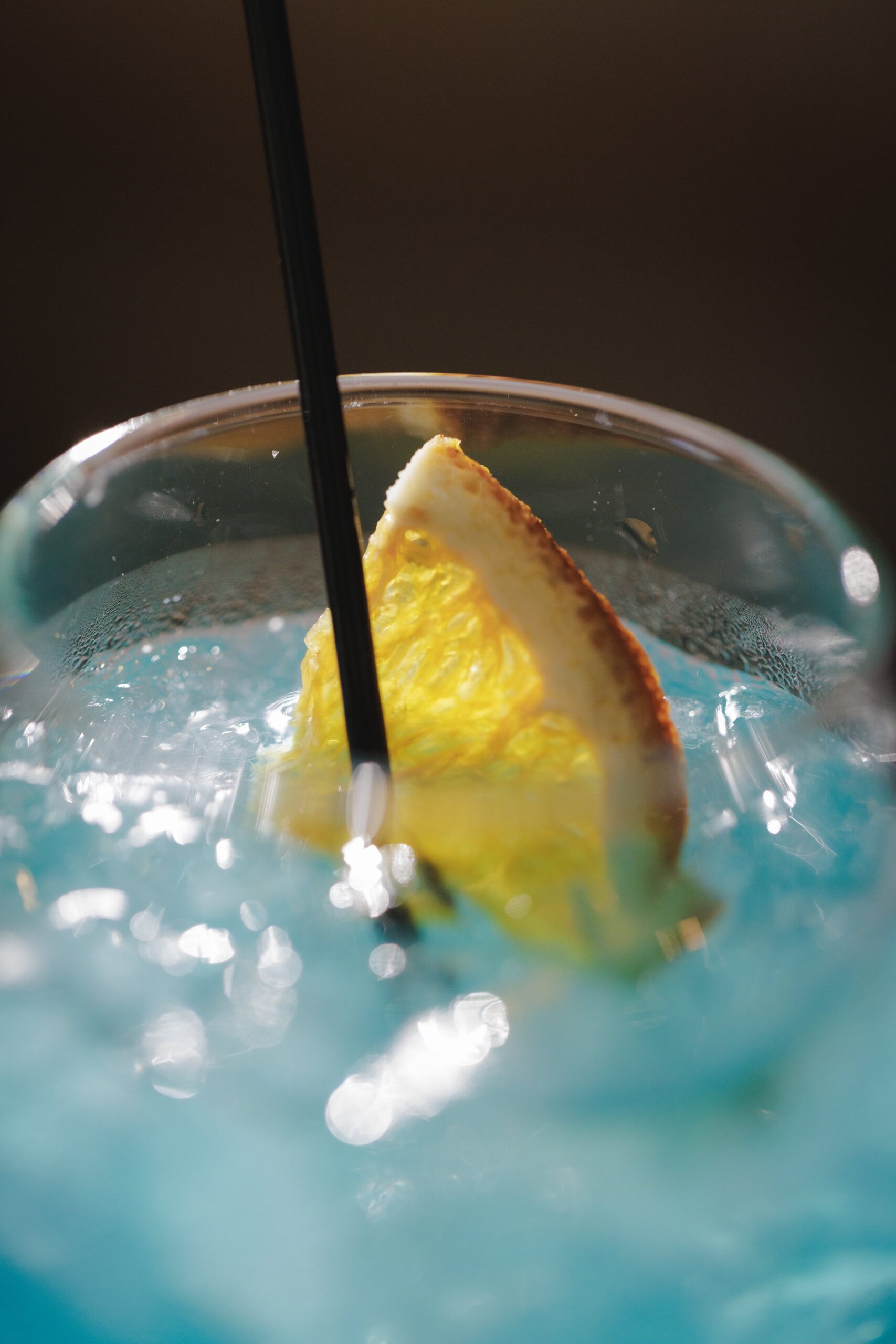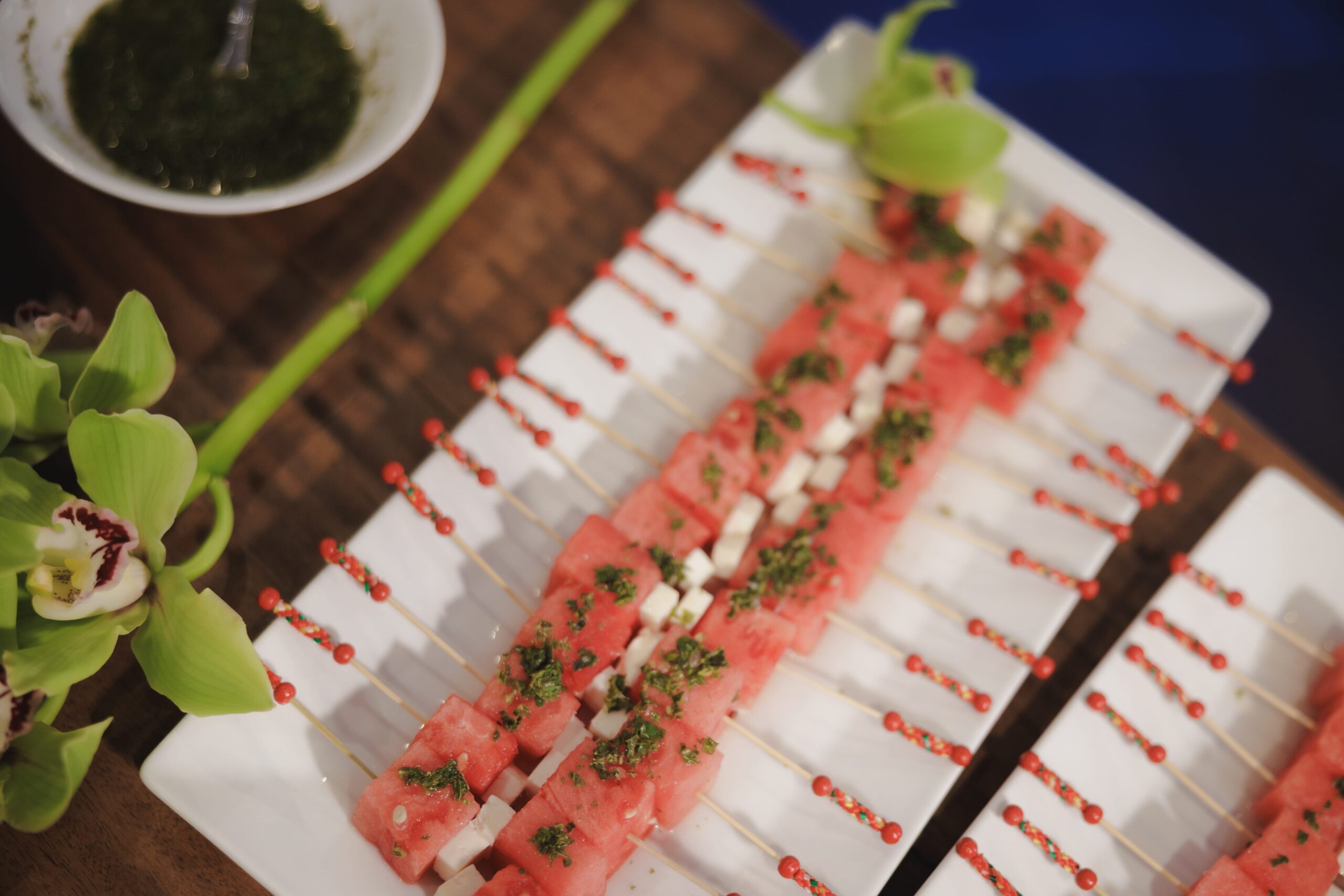
A destination wedding is remembered in moments that rarely appear in photographs: the chilled welcome drink offered after a warm arrival, the server who notices a guest needs a quieter table, the late-night bite that arrives just as the dance floor reaches its peak. Wedding hospitality planning gives those moments intention. It is how a beautiful celebration becomes one that feels genuinely gracious from the first greeting to the final goodbye.
For couples hosting in Puerto Rico, hospitality also carries a sense of place. The island’s warmth, vibrant ingredients, and celebratory spirit can inform an experience that feels polished without becoming impersonal. The goal is not to fill a schedule with extras. It is to make every guest feel considered while protecting the atmosphere you have imagined for your day.
Wedding Hospitality Planning Begins With the Guest Journey
Many wedding plans begin with color palettes, floral references, and a menu wish list. Those details matter, but the guest journey provides the stronger foundation. Consider what guests will experience at each transition: arriving at the venue, finding their seats, waiting for dinner, moving from the reception to dancing, and departing at the end of the evening.
A thoughtful arrival sets the tone immediately. For a ceremony held outdoors or following a long drive, a refreshing welcome cocktail, infused water, or a beautifully presented nonalcoholic option can offer genuine relief. The presentation should suit the event rather than compete with it. A formal evening may call for tray-passed sparkling cocktails, while a garden celebration may feel more natural with a gracious beverage station attended by staff.
Timing deserves equal attention. Guests are happiest when they are never left wondering what comes next or waiting too long without comfort. This does not mean every minute must be programmed. It means having a plan for the natural pauses: cocktails during portraits, elegant passed bites before dinner, coffee available when dessert is served, and a final offering for guests as they leave.
Start With Who Is Traveling and What They Need
The best hospitality decisions depend on the people in the room. A destination wedding with guests arriving from the mainland has different needs than an intimate celebration made up largely of local family and friends. Consider travel schedules, the ages of children and older relatives, accessibility, dietary needs, and the formality guests will expect.
If many guests are arriving directly from the airport or checking into nearby accommodations shortly before the ceremony, an abundant cocktail hour may be more than a lovely detail. It may be the meal that carries them comfortably into dinner. If the guest list includes several young children, families will appreciate a meal service that does not ask them to wait through an extended sequence of formalities.
Dietary accommodations should feel integrated, never secondary. A guest with a gluten-free, vegetarian, vegan, or allergy-sensitive meal should receive a plate that is equally composed and celebratory. Clear advance planning allows the service team to deliver those meals discreetly and confidently, without drawing attention to the guest or interrupting the table’s rhythm.
Design the Culinary Experience Around the Celebration
Food is often the most personal expression of wedding hospitality. It can welcome guests into Puerto Rico’s culinary character, reflect a couple’s favorite meals, or create a particular feeling of abundance and refinement. The strongest menus do not try to satisfy every passing trend. They balance flavor, service style, setting, and the pace of the evening.
A plated dinner offers a sense of occasion and structure, particularly for black-tie receptions or celebrations built around formal toasts. It gives each course a composed presentation and makes the meal a central part of the evening. The trade-off is timing: the program must allow guests to enjoy each course, and table service requires careful coordination.
Food stations create movement and variety. They can be especially inviting for a relaxed luxury reception, where guests are encouraged to mingle and explore. Stations need thoughtful placement so they do not create lines or divide the room. A chef-attended station can turn that practical consideration into a point of theater, giving guests a personal interaction while preserving an elevated feel.
Buffet service can also be beautifully executed when it is planned with the guest count and room flow in mind. It suits weddings that value a generous, convivial meal, but it requires enough service support to keep dishes pristine and replenished. Cocktail-style receptions are another elegant option for couples who want a more fluid evening, though substantial bites must be frequent enough that guests truly feel cared for.
Let Puerto Rican Flavor Feel Intentional
A destination wedding should not feel like it could have happened anywhere. Puerto Rican ingredients and culinary traditions can add depth to a menu without reducing the experience to a theme. Plantains, local seafood, tropical fruits, aromatic herbs, and inspired interpretations of beloved island flavors can be presented with the same refinement as any formal culinary tradition.
The key is restraint and relevance. A few beautifully crafted references to the island often have more impact than a menu that tries to make every course a statement. Couples may choose a sophisticated passed bite with a familiar Puerto Rican note, a seasonal entrée that celebrates local ingredients, or a late-night offering that feels joyful and unmistakably connected to the place where guests have gathered.
At Chef Marisoll Events, custom menu design is approached as part of the event story, pairing chef-led creativity with the service standards a milestone occasion deserves.
Plan Service as Carefully as the Menu
Flawless service is rarely noticed because it allows guests to remain present. That is precisely its value. Water glasses are refreshed before anyone needs to ask. Courses arrive at the proper temperature. Tables are cleared quietly. The couple is able to enjoy the celebration rather than manage it.
This level of care begins with a realistic service plan. The catering team should know the event timeline, the room layout, the number of guests at each table, and the pace expected for speeches and special dances. A late toast can affect dinner timing. A sudden rain plan can change how guests enter the space. These are not reasons to overcomplicate the day. They are reasons to work with professionals who anticipate the details.
Service staffing is an area where restraint can be costly. A smaller guest count does not automatically require minimal staff, especially when the format includes passed hors d’oeuvres, multiple beverage options, or several food stations. The right team size protects the experience, allowing staff to be attentive without becoming conspicuous.
Create a Gracious Rhythm Beyond Dinner
The reception does not end when the main course is cleared. A well-paced evening continues to care for guests as energy changes. Dessert can become a quiet, elegant pause after dancing begins, or it can be designed as a social moment with a display that invites guests to gather. Coffee service is particularly welcome at evening celebrations and offers a thoughtful counterpoint to cocktails.
Late-night food should answer a real need. After several hours of celebration, guests often welcome something warm, savory, and easy to enjoy between songs. It need not be elaborate. It should simply feel generous and perfectly timed. A refined mini sandwich, a chef-crafted local favorite, or a petite comfort-food offering can become one of the evening’s most talked-about details.
Departure matters, too. For destination celebrations, guests may be coordinating transportation, returning to hotels, or preparing for an early flight. A small farewell gesture, such as a beautifully packaged sweet, a final beverage, or a thoughtful note from the couple, leaves the celebration on a warm and personal note.
Make Room for the Moments You Cannot Schedule
The finest wedding hospitality planning does not make a celebration feel overly managed. It creates the conditions for ease: guests know where to go, have something delightful to enjoy, and feel welcomed at every stage. That freedom allows the unscripted moments to shine – an old friend reconnecting over cocktails, grandparents lingering over dessert, a full dance floor still energized near midnight.
As you make decisions, ask a simple question: will this detail help guests feel more comfortable, more connected, or more delighted? If the answer is yes, it may be worth including. A wedding’s most lasting luxury is not excess. It is the feeling that every person who came to celebrate was received with genuine care.