A destination wedding asks more of a menu than a beautiful list of dishes. It must welcome guests after a day of travel, reflect the spirit of the place, and carry the celebration gracefully from first toast to final dance. This destination wedding menu planning example imagines a refined Puerto Rico celebration where every course feels considered, generous, and true to the setting.
The goal is not to serve a vacation-themed meal. It is to create an exceptional culinary experience that gives guests a vivid sense of place while honoring the couple’s style, schedule, and people at the table. For a wedding weekend on the island, the finest menus feel effortless because the thoughtful work happened well before the first guest arrives.
Begin With the Guest Experience
Before selecting an entrée, consider the rhythm of the day. A ceremony held outdoors at 5:30 p.m. has different culinary needs than a ballroom reception beginning at 7:00 p.m. In Puerto Rico’s warmth, guests will appreciate cold towels, refreshing beverages, and lighter passed bites immediately following the ceremony. A generous cocktail hour also gives a destination wedding room to breathe: friends reconnect, family photographs wrap up, and the newlyweds can enter their reception without feeling rushed.
Arrival patterns matter, too. Some guests may have flown in that morning; others may be unfamiliar with local ingredients or dining customs. The menu should offer discovery without asking anyone to be overly adventurous. A recognizable format, such as a plated dinner, paired with elegant Puerto Rican accents is often a more welcoming choice than a menu that relies entirely on unfamiliar preparations.
The couple’s priorities guide every decision. A formal black-tie evening may call for composed courses and attentive tableside service. A celebration centered on dancing, conversation, and a late-night oceanfront atmosphere may be better served by stations that encourage movement. Neither approach is inherently more luxurious. The appropriate choice is the one that supports the feeling the couple wants their guests to remember.
Destination Wedding Menu Planning Example: A Puerto Rico Reception
Picture an evening reception for 90 guests at an artful, elegant venue in San Juan. The couple lives in the Northeast, has family roots in Puerto Rico, and wants the meal to feel polished rather than predictable. Their ceremony is at sunset, followed by a cocktail hour in a courtyard and a seated dinner indoors. About one-quarter of their guests are traveling from the mainland, and several require vegetarian, gluten-free, or alcohol-free options.
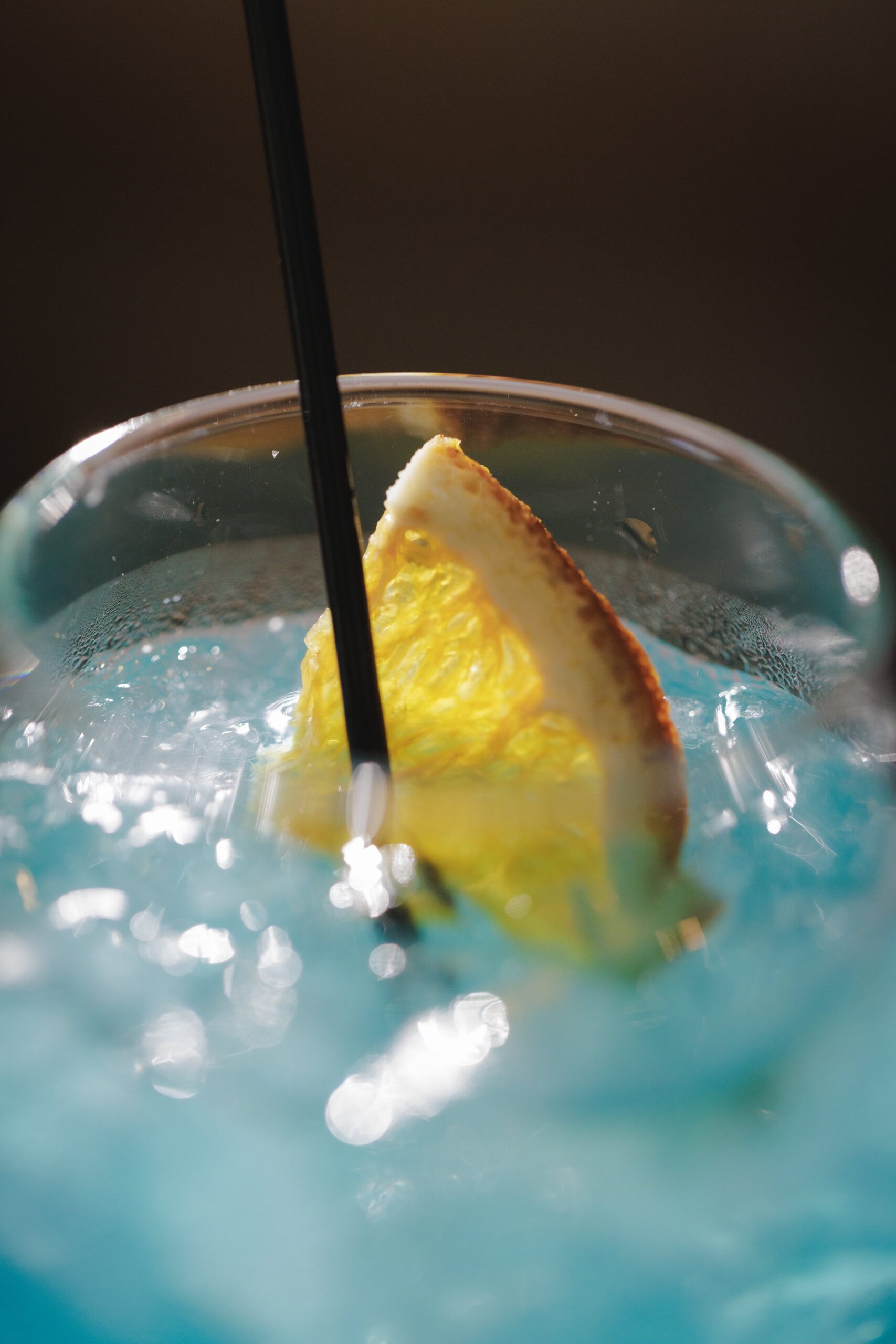
Their menu begins with a welcome refreshment: chilled coconut water with lime for all guests, alongside a sparkling rum cocktail scented with fresh pineapple and mint. Offering a nonalcoholic choice with equal care sets the tone immediately. Every guest receives something celebratory, not a substitute.
Cocktail Hour With a Sense of Place
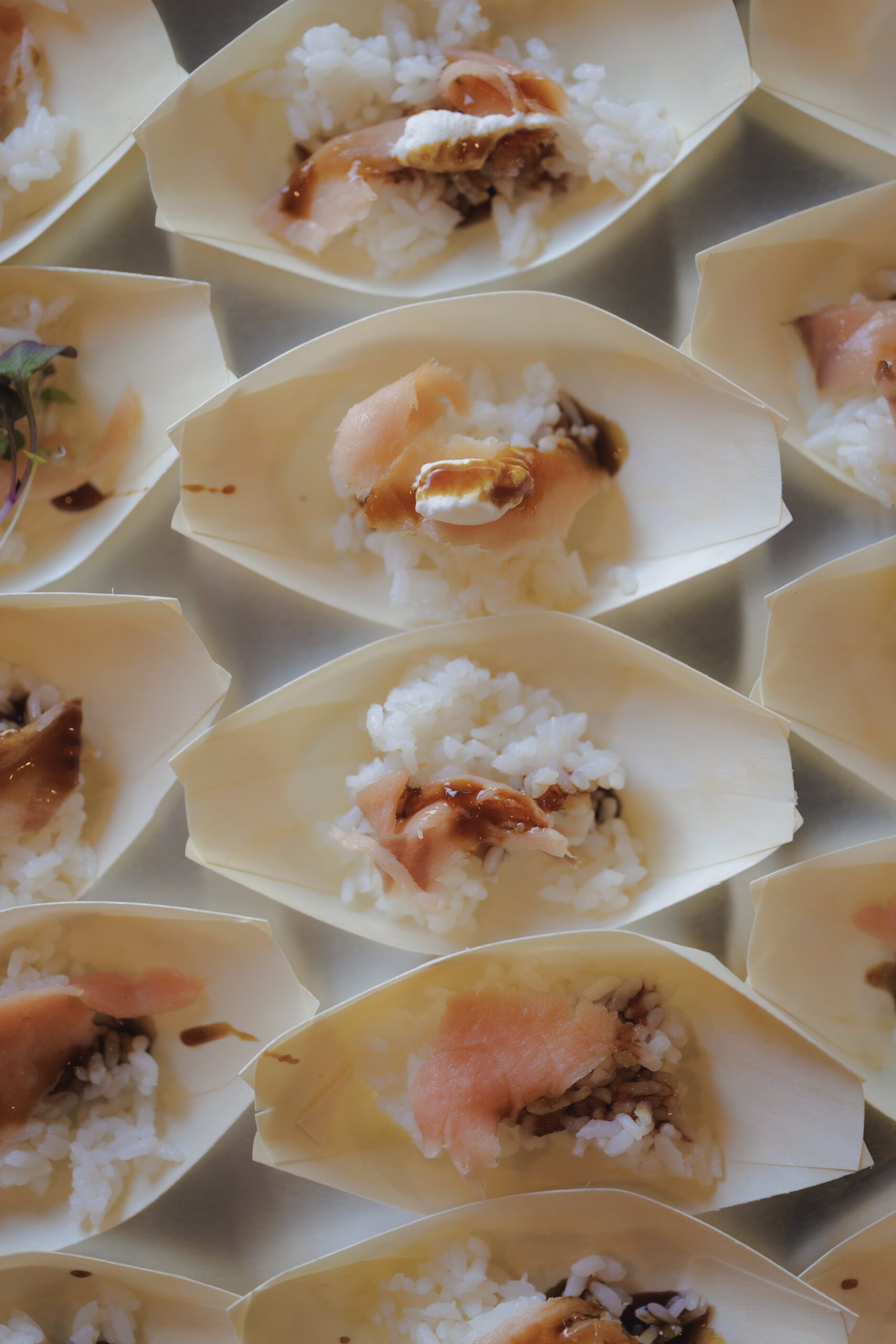
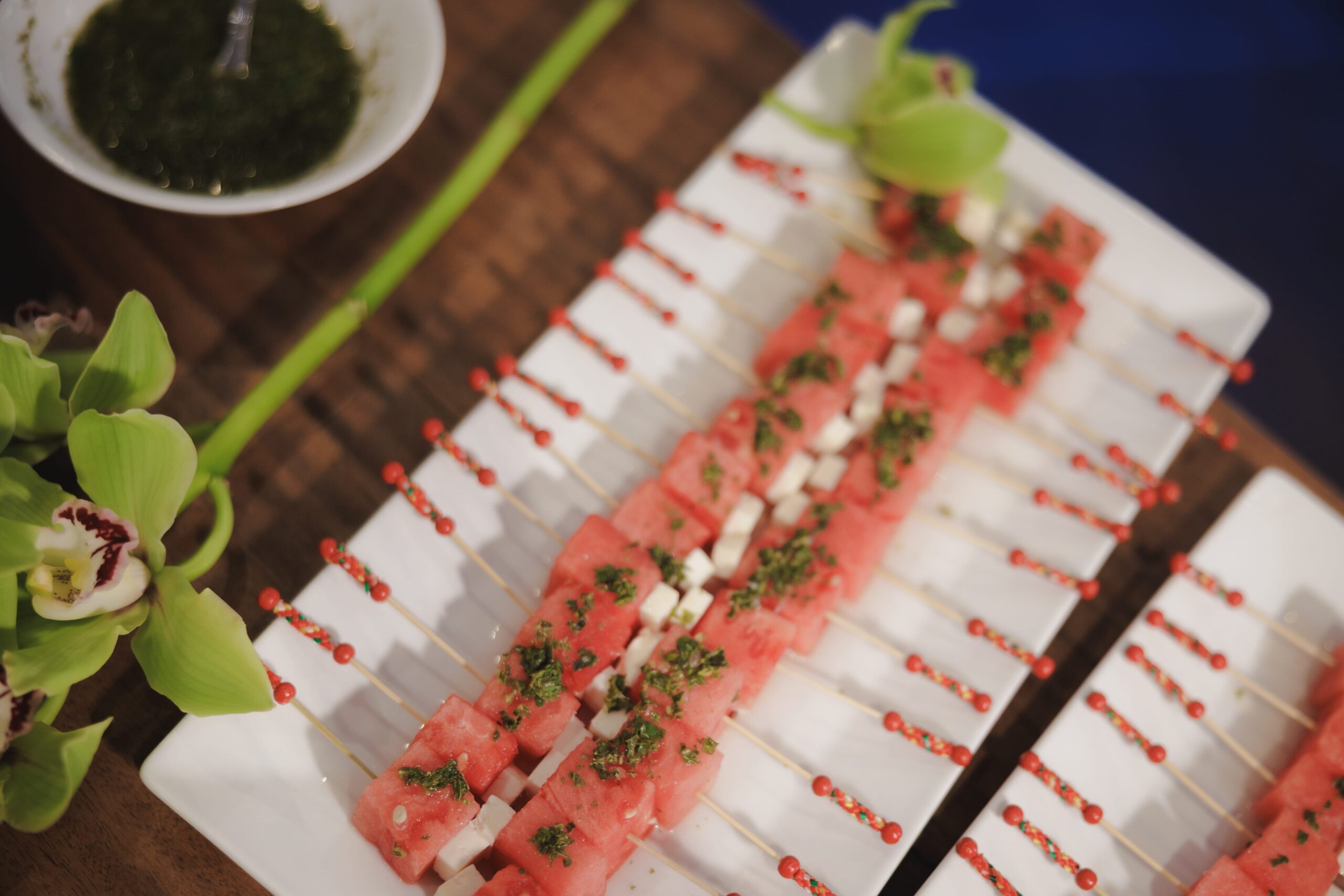
Passed hors d’oeuvres should be satisfying enough to welcome guests, but measured enough to preserve anticipation for dinner. In this example, the chef might present crisp bacalaítos in a refined bite-sized format with a bright cilantro aioli, miniature alcapurria filled with local seafood, and plantain cups with avocado, roasted corn, and pickled onion. A petite beef tenderloin tostón with herb sauce gives guests a familiar, savory option.
The balance is intentional. There are warm and cool bites, seafood and meat, and a plant-forward selection that does not feel like an afterthought. The presentation remains elegant, with clean garnishes and service timed so trays circulate steadily rather than all at once.
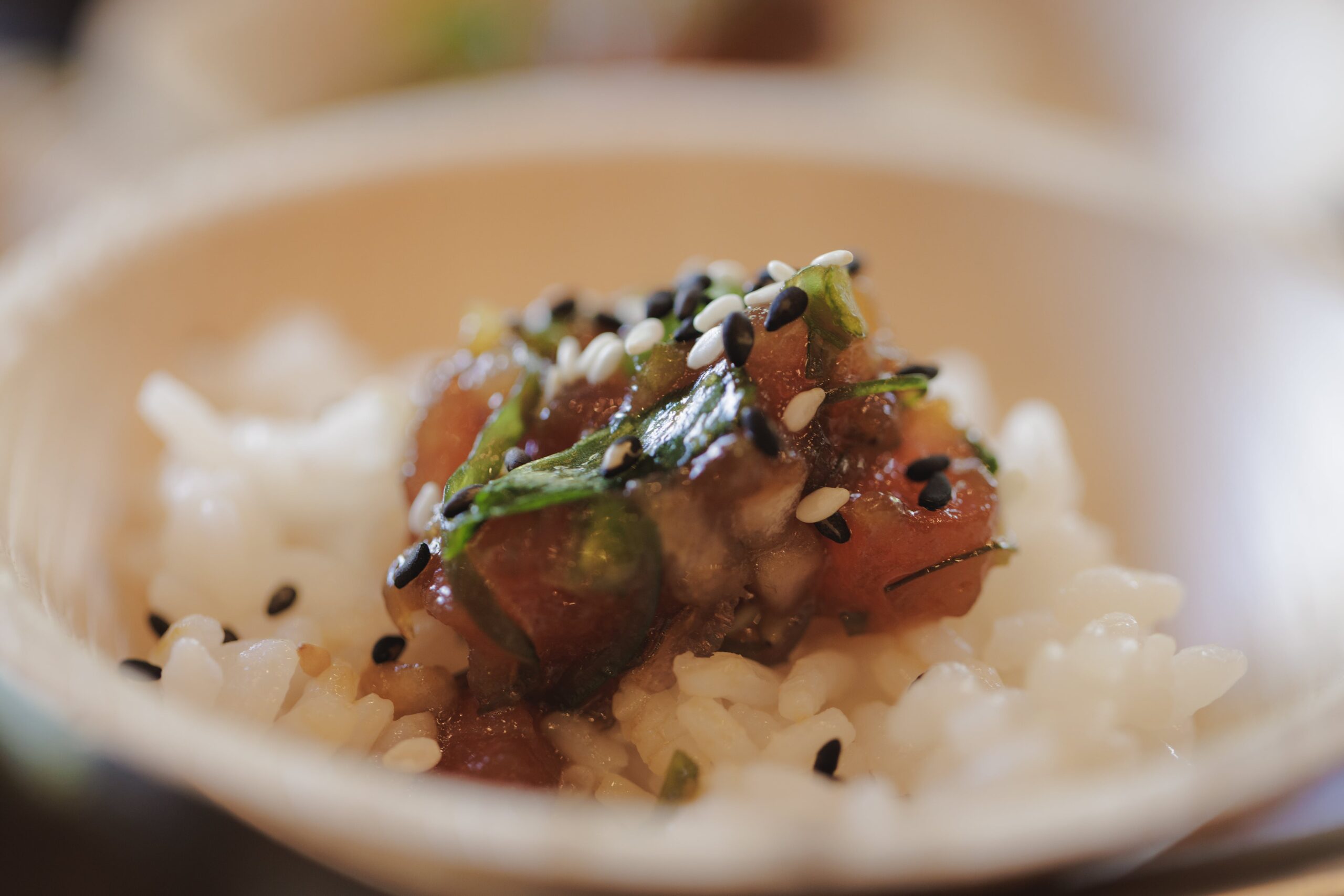
For a couple that prefers a more contemporary expression, the same flavor story could move toward tuna crudo with passion fruit, crisp yuca, and sesame, or roasted local squash with queso fresco and a citrus vinaigrette. The specific dishes can change with the season and the chef’s market, but the feeling remains rooted in Puerto Rico.
A Plated Dinner That Feels Generous
Once guests are seated, a shared first course can create a graceful transition from cocktail hour to dinner. Here, each table receives an elegant salad of baby greens, roasted beets, local goat cheese, candied nuts, and a guava vinaigrette. It is bright, visually striking, and light enough for a warm evening.
For the main course, the couple selects a duo entrée: seared Caribbean snapper with a lemon-caper beurre blanc alongside slow-braised short rib finished with a rich demi-glace. The plate is completed with creamy root vegetable purée, seasonal vegetables, and a small accent of sweet plantain. The pairing satisfies guests who expect a classic wedding entrée while allowing the island’s ingredients to speak with restraint and confidence.
A vegetarian entrée is planned as a full expression of the dinner, not merely a plate without protein. A roasted cauliflower steak with pigeon pea ragout, herb oil, and crispy plantain offers substance, color, and a distinct identity. The kitchen receives final dietary counts in advance, and the service team knows exactly where each specially prepared plate belongs. This detail protects the guest experience and preserves the pace of the room.
Dessert arrives as a plated tropical indulgence: a coconut tres leches cake with rum caramel, fresh berries, and a delicate crisp. The wedding cake may still have its ceremonial moment, but a composed plated dessert ensures every guest is served efficiently and beautifully. Later in the evening, a coffee station with Puerto Rican coffee and small sweets gives the celebration a warm second wind.
Build the Menu Around Timing, Not Just Taste
Even the most beautiful dishes can feel out of place if they do not suit the event timeline. A 45-minute cocktail hour needs a different volume of food than a 90-minute one. If the wedding party will take extended sunset portraits, the caterer may recommend additional passed bites or a small station so guests remain comfortable and engaged.
Dinner length is equally important. A three-course plated dinner creates ceremony and refinement, but it requires deliberate timing when speeches, dances, and cultural traditions are also part of the evening. For couples who want more time on the dance floor, two elegant courses followed by dessert stations can create a livelier flow.
Weather should influence the menu with the same seriousness as aesthetics. Rich soups, delicate frozen presentations, and foods that lose their texture quickly may not be ideal for an outdoor celebration in humid conditions. This does not limit creativity. It directs it toward dishes that arrive at the table at their best, which is a hallmark of flawless service.
Make Dietary Care Feel Personal
Destination guest lists often bring a wider range of needs: children, grandparents, travelers with food sensitivities, guests avoiding alcohol, and friends with vegetarian or vegan preferences. The best approach is to collect dietary information with the RSVP and communicate it early to the culinary team.
There is a meaningful difference between accommodating a guest and making them feel anticipated. A thoughtfully designed vegetarian course, a refined children’s entrée available upon request, and clearly coordinated gluten-free preparations allow guests to relax. For severe allergies, the caterer should discuss realistic kitchen protocols and service procedures openly. Luxury is not the promise that every request can be met without limits; it is the care to plan responsibly and communicate clearly.
Choose a Service Style That Matches the Celebration
A plated meal is ideal when the couple wants a formal reveal, a cohesive tablescape, and a calm, elevated dining moment. It also offers dependable portioning and helps create a polished rhythm for speeches. However, it gives guests fewer choices at the moment of service and requires accurate advance entrée counts.
Chef-attended stations create an inviting, social energy, especially for a multi-generational group or a reception where local culinary discovery is central. A mofongo station, a seafood rice presentation, or a carving station can become part of the evening’s atmosphere. The trade-off is that stations need thoughtful placement, adequate staffing, and enough space so they feel festive rather than crowded.
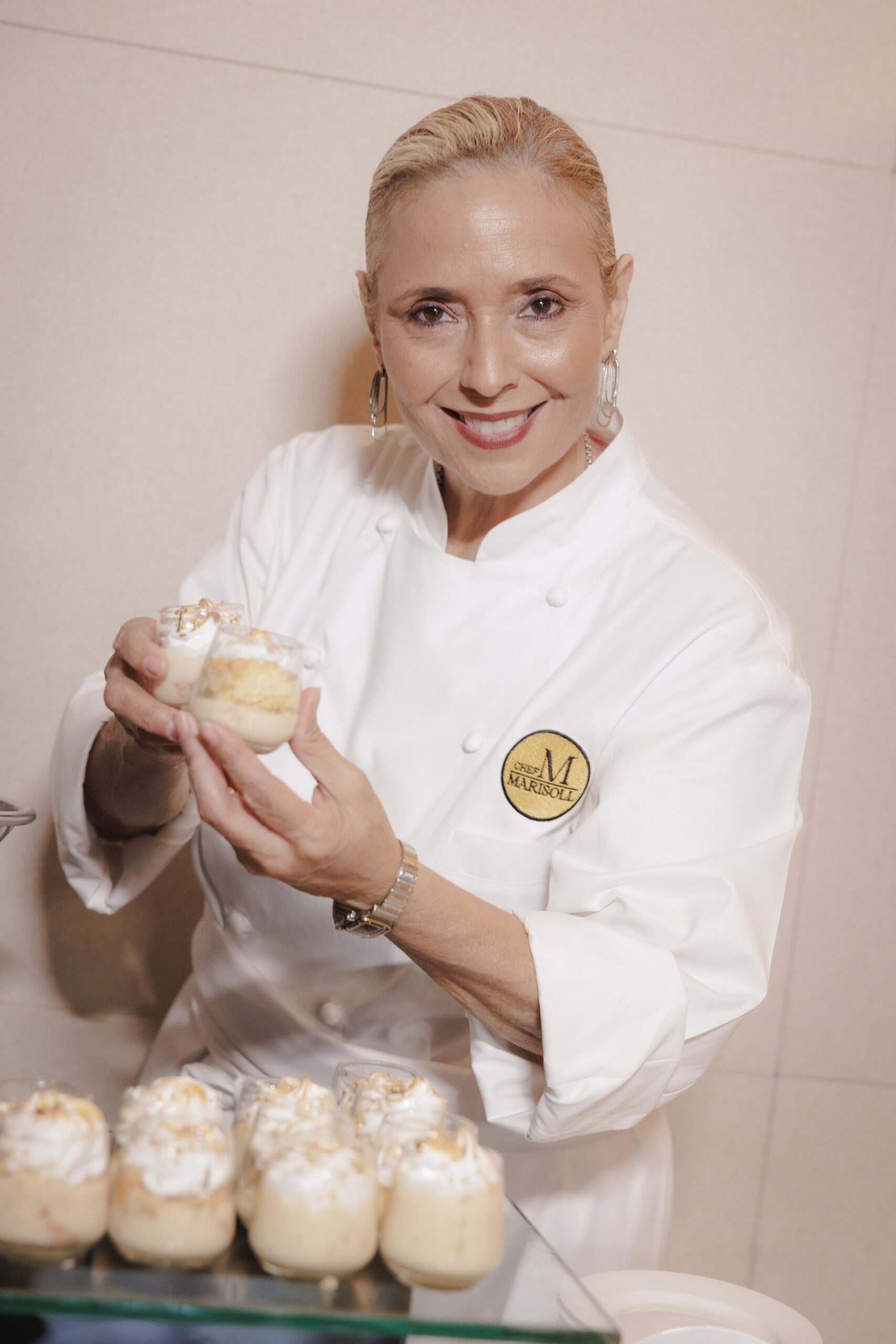
A hybrid approach often suits destination weddings beautifully: passed hors d’oeuvres, a seated main course, and a late-night station. Guests receive the elegance of service while still enjoying a relaxed, memorable moment later in the evening. At Chef Marisoll Events, this type of menu design is shaped around the event as a whole, from the first welcome sip to the last late-night bite.
Let the Final Course Carry the Evening Forward
A wedding meal should not end simply because dinner plates have been cleared. As the music shifts and the room grows more animated, a late-night offering can become one of the most talked-about details of the celebration. Consider miniature mallorcas with savory fillings, truffle fries served in elegant cones, or a small station of warm empanadillas and bright dipping sauces. The choice should feel consistent with the evening, not like a novelty added at the last minute.
The most memorable destination menus leave guests with more than a favorite dish. They leave them feeling cared for, delighted, and connected to the place where the celebration happened. When the flavors, service, and setting are in conversation with one another, dinner becomes part of the story guests carry home.