A wedding menu is no longer a pause between the ceremony and the dancing. It is one of the most vivid ways guests experience a couple’s story, sense of place, and standard of hospitality. The most compelling wedding menu trends favor thoughtful personalization over spectacle for its own sake, pairing refined presentation with food that feels generous, familiar, and distinctly memorable.
For couples celebrating in Puerto Rico, that creates an especially beautiful opportunity. Island ingredients, vibrant culinary traditions, and a setting made for celebration can shape a menu with genuine character. The goal is not to follow every trend. It is to select the ideas that make your guests feel considered from the first cocktail to the final sweet bite.
Wedding Menu Trends That Feel Personal, Not Predictable
The modern luxury wedding menu is guided by intention. Couples are moving away from one-size-fits-all banquet choices and toward dining experiences that reflect the mood of their celebration. Some want a formal plated dinner with a quiet sense of theater. Others prefer lively stations that encourage guests to mingle. Both can feel elevated when the menu, service, and presentation are designed as one experience.
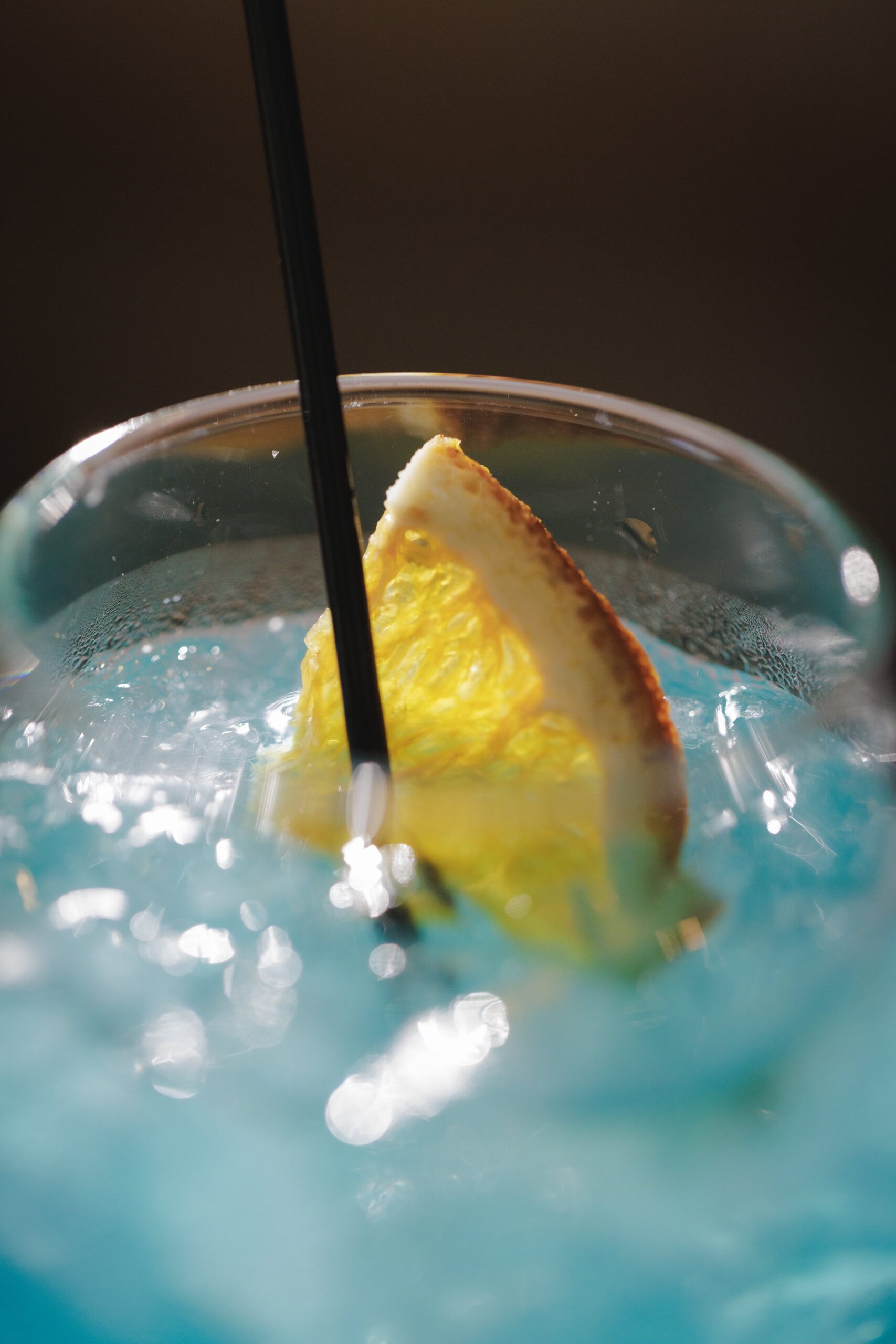
Personalization begins with more than a favorite entrée. It may appear in the welcome cocktail inspired by a meaningful trip, a passed hors d’oeuvre that honors a family recipe, or a late-night offering that recalls the couple’s first date. These small references create warmth without turning the menu into a collection of disconnected ideas.
A successful custom menu also considers the guest journey. A destination wedding may welcome travelers who have spent the day in the sun and appreciate a refreshing opening course. A black-tie evening at a museum calls for a more composed progression of flavors and service. Context gives every selection a purpose.
Puerto Rican Flavor Takes a Refined Lead
Couples planning celebrations on the island are increasingly seeking menus that express Puerto Rico with confidence and sophistication. This does not require serving a traditional dish in every course. Rather, it means allowing local flavor, seasonal produce, and culinary heritage to inform the occasion in an elegant way.
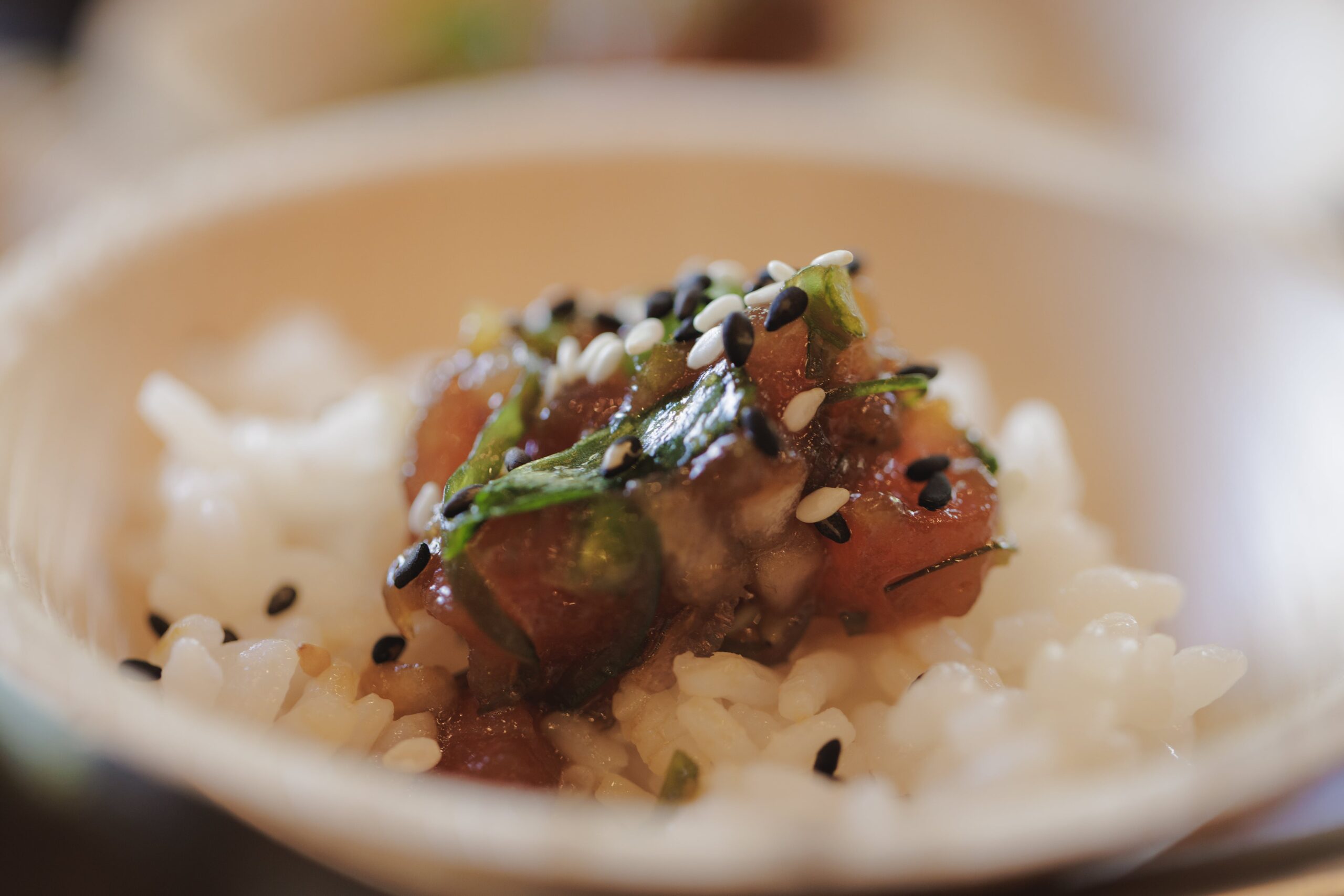
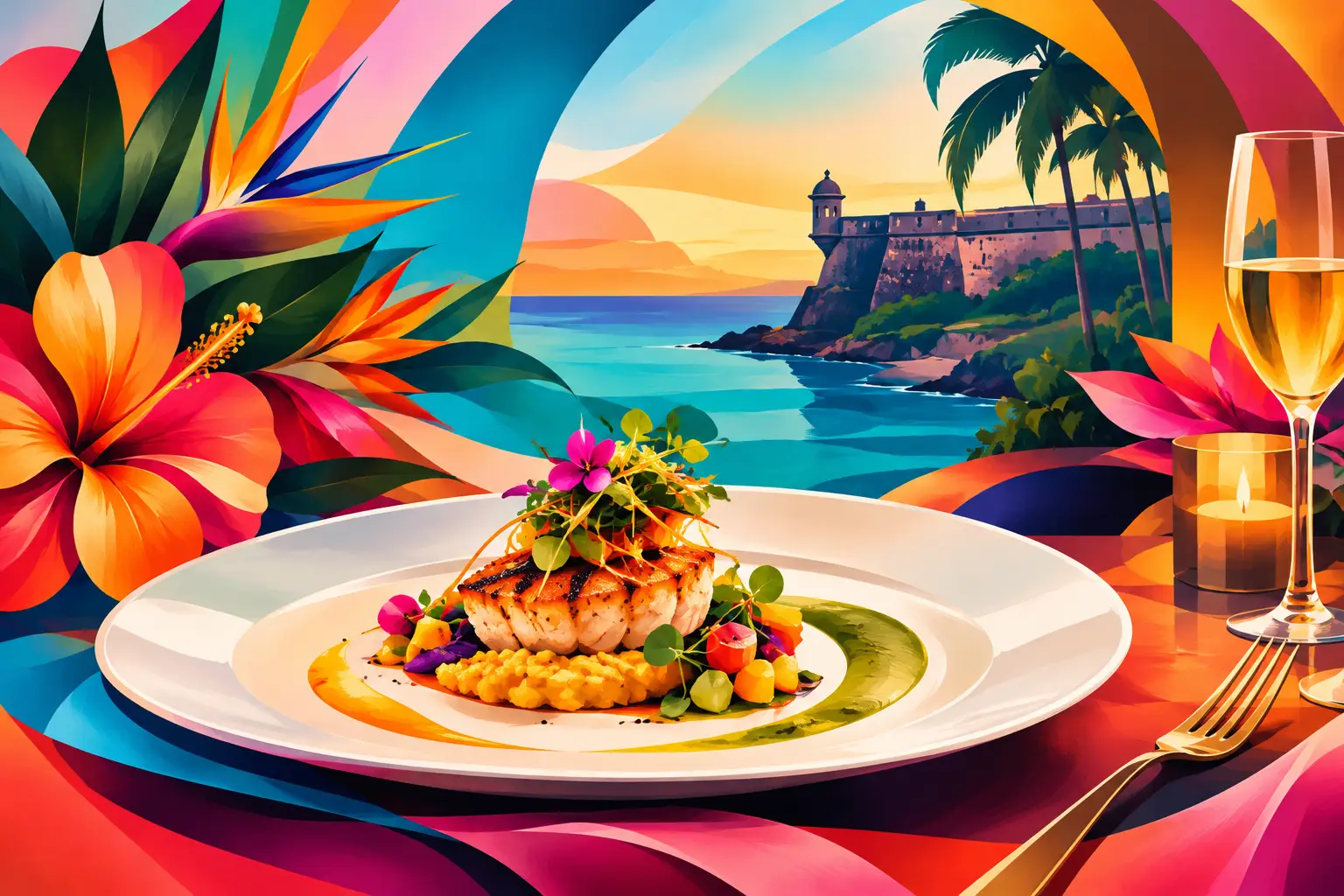
Plantains, tropical fruits, local seafood, coffee, rum, and aromatic herbs can appear in polished, unexpected compositions. A delicately prepared fish course may be brightened with citrus and herb notes. A cocktail hour can feature elevated interpretations of beloved Puerto Rican flavors. Dessert may bring coffee, coconut, guava, or rum into focus with restraint and beautiful presentation.
For destination guests, this approach creates a real sense of place. For Puerto Rican families, it can feel deeply personal and proud. The most successful menus avoid treating culture as decoration. They honor it through excellent ingredients, thoughtful technique, and a genuine understanding of what makes the flavors meaningful.
Seasonal ingredients create a more natural sense of luxury
Seasonality is also shaping wedding menus in a practical and elegant way. Ingredients at their best tend to offer more color, freshness, and flavor, while giving a menu an effortless connection to the time of year. A warm-weather reception may call for bright salads, pristine seafood, chilled soups, and fruit-forward desserts. An evening celebration can welcome richer sauces, roasted elements, and more structured courses.
Seasonal planning is not about limiting a couple’s vision. It gives the chef a stronger foundation for bringing that vision to life. When the ingredients are exceptional, the presentation needs less embellishment.
Interactive Dining, Elevated With Purpose
Food stations remain popular because they bring energy to a reception. Guests enjoy choice, movement, and the pleasure of seeing dishes finished or presented with care. The difference between an ordinary station and an exceptional one is editing. Each station should have a clear point of view, a polished visual identity, and enough staffing to keep the experience graceful rather than crowded.
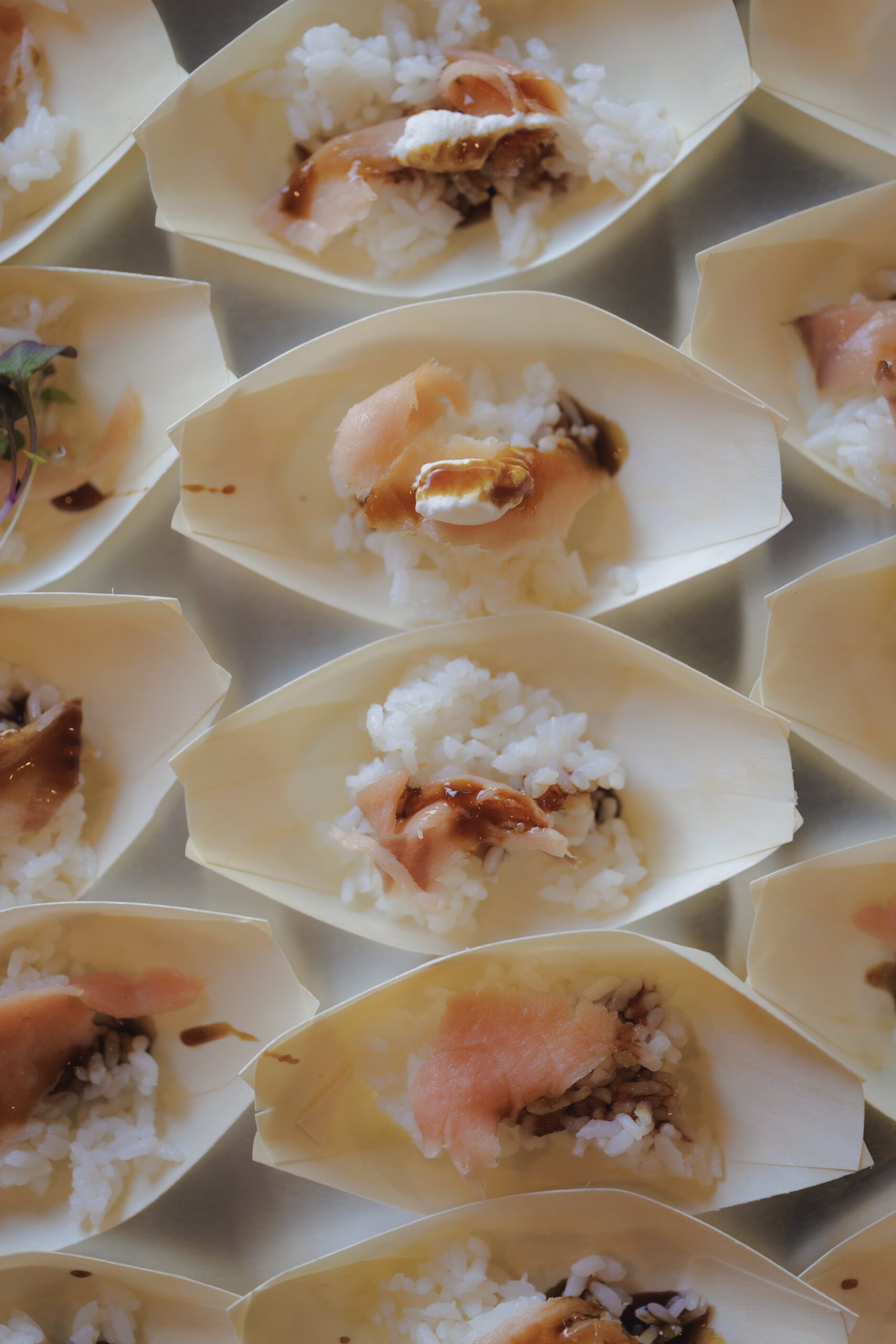
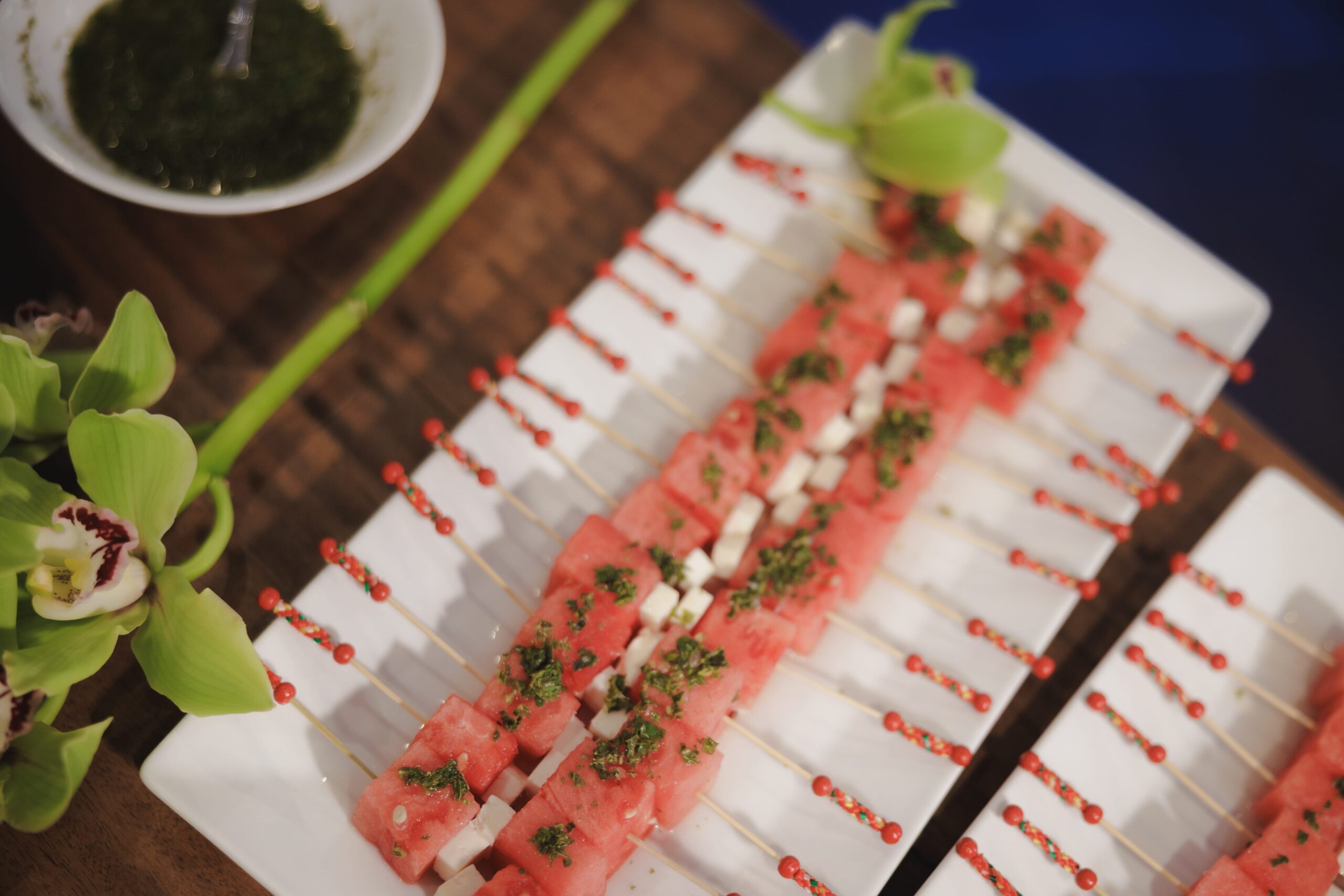
A chef-attended seafood station, an artfully composed paella presentation, or a refined carving station can become a focal point of the evening. Smaller plates are another elegant option, allowing guests to sample several flavors without the heaviness of a large buffet. This format works particularly well for receptions designed around conversation, music, and dancing.
Interactive dining does have trade-offs. It may be less ideal for a very formal timeline, elderly guests who prefer to remain seated, or a guest list that needs to be served quickly in a single dining room. In those cases, a plated meal with thoughtfully paced courses may offer the more polished experience. A hybrid format can be the answer: passed bites and stations during cocktail hour, followed by a seated dinner that brings everyone together.
Thoughtful Menus for Every Guest
One of the most meaningful shifts in wedding dining is the expectation that every guest will be cared for well. Couples are no longer satisfied with a standard vegetarian plate prepared as an afterthought. Plant-forward dishes, gluten-conscious selections, and accommodations for dietary needs can be every bit as beautiful and satisfying as the primary menu.
This requires early, clear communication. Dietary preferences should be gathered with the invitation response or through the wedding planner, then reviewed carefully with the culinary team. The best menus create consistency across choices, so every guest receives the same level of creativity, presentation, and attention.
Plant-forward dining is particularly well suited to Puerto Rico’s abundance of produce. Grilled vegetables, grains, legumes, tropical fruit, herbs, and rich vegetable preparations can create courses that feel celebratory rather than restrictive. The focus is not on removing something from the plate. It is on composing a dish guests will be delighted to receive.
The Return of the Composed Plated Dinner
While interactive formats are thriving, the plated dinner has returned with new relevance for couples who value ceremony, elegance, and a measured pace. A composed plate offers a visual moment at every seat and allows the evening to unfold with precision. It is especially fitting for formal weddings, receptions with speeches between courses, and celebrations in architecturally significant venues.
Today’s plated service feels less rigid than in the past. Menus may offer a duet entrée, a choice selected in advance, or family-style accompaniments placed at the table for a sense of generosity. Couples can also introduce an unexpected first course or a tableside finishing touch to create a memorable moment without disrupting the flow of service.
The key is choosing a format that suits the gathering rather than choosing what appears most fashionable. A menu should support the atmosphere you want to create. If the evening is intimate and candlelit, a seated dinner may deepen that mood. If the reception is designed to feel spirited and social, stations and smaller plates may better reflect the celebration.
Dessert Becomes Part of the Evening
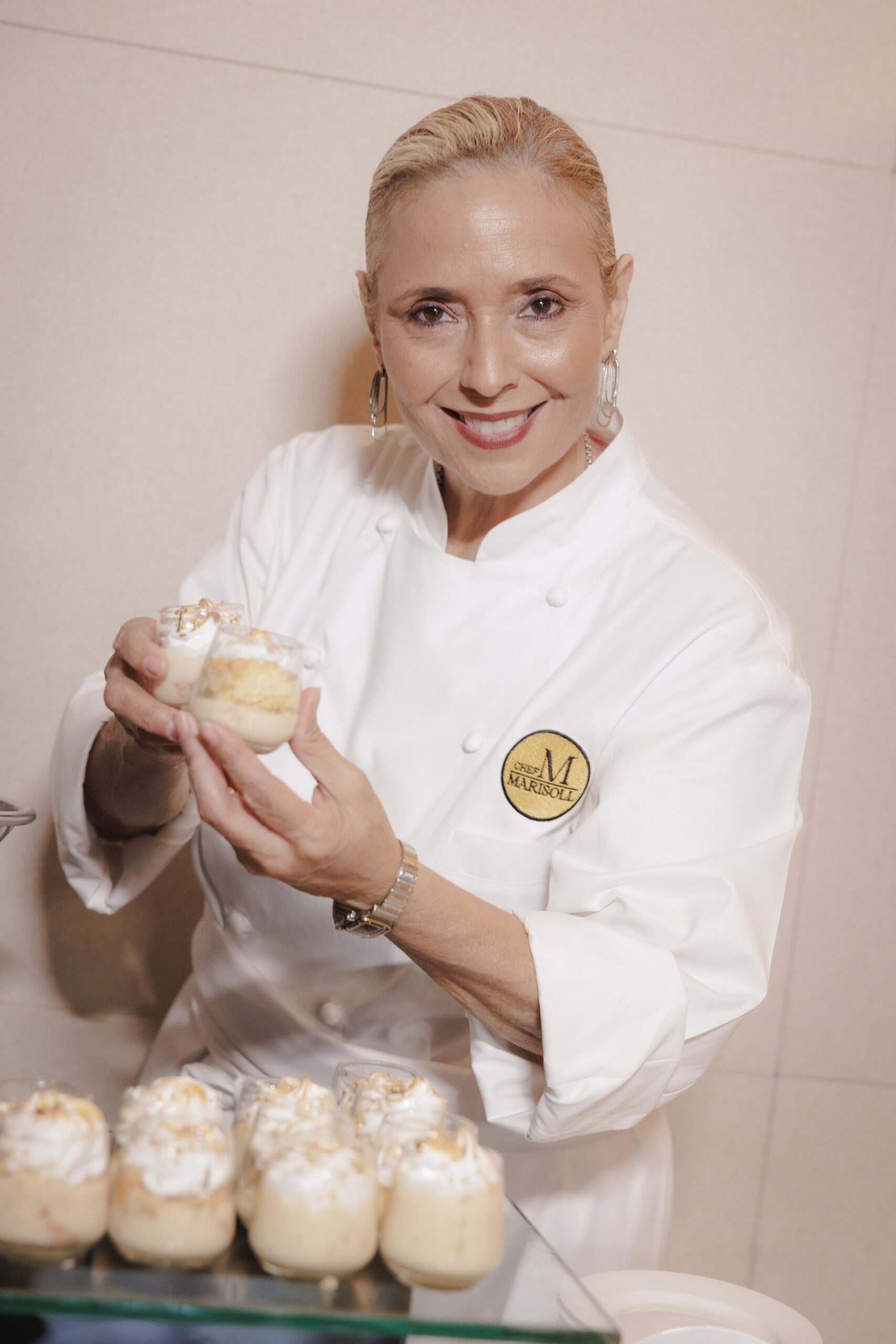
The wedding cake still holds its place as a cherished tradition, but dessert is becoming more expansive. Couples are adding petite desserts, artful sweets tables, coffee service, and late-night treats that invite guests to linger. These additions work best when they feel connected to the menu rather than simply added for abundance.
A carefully styled dessert presentation can provide another visual layer to the reception. Individual confections make it easy for guests to sample and socialize, while a coffee moment offers a gracious pause before the dance floor fills again. Late-night bites can be playful, but they should still reflect the level of the event. Comfort food, when beautifully prepared and presented, can feel as luxurious as any formal course.
Presentation remains part of the flavor
At an elevated wedding, presentation communicates care before a guest takes the first bite. Serving pieces, garnishes, linens, floral details, and lighting all influence how the menu is received. This is why culinary planning works best in conversation with the planner, designer, and venue team.
The aim is harmony, not excess. A menu rich with Puerto Rican color may call for clean, restrained serving ware. A minimalist reception design may welcome a more dramatic food presentation. When every detail supports the same vision, the dining experience feels effortless.
Choose Trends That Serve the Celebration
The strongest wedding menus are not built from a checklist of popular ideas. They are shaped by the couple, the destination, the season, the venue, and the people gathered at the table. A trend is worthwhile only when it creates more beauty, comfort, or connection for your guests.
At Chef Marisoll Events, crafted menus are designed with that understanding in mind: refined enough for an extraordinary setting, personal enough to feel unmistakably yours. Let the food offer more than a beautiful course. Let it welcome your guests into the celebration and give them a memory they will carry long after the final toast.