A beautiful event menu should never make a guest feel like an afterthought. When someone follows a vegan lifestyle, the most gracious approach is not to place a simple salad beside a lavish dinner. It is to consider how to accommodate vegan guests with the same imagination, care, and visual refinement given to every other course.
For weddings, executive receptions, and milestone celebrations, this attention creates a more generous experience for everyone at the table. It also reflects the kind of host you are: thoughtful, prepared, and committed to gathering people well.
Begin With a Clear Guest Conversation
The easiest way to create an exceptional vegan experience is to ask early. Include a space for dietary preferences on invitations or RSVP forms, then confirm the details with guests who identify as vegan. This helps distinguish a strict vegan requirement from a general preference for plant-forward food, and it gives your culinary team time to design a meal that feels intentional.
A vegan menu excludes meat, poultry, seafood, dairy, eggs, honey, and other animal-derived ingredients. That definition can be more nuanced than it first appears. A sauce may contain butter, a pastry may contain eggs, and a garnish that seems harmless may include cheese or honey. Clear communication prevents awkward surprises at the table.
If the celebration is intimate, a host may speak directly with each guest. For a larger wedding or corporate function, the planner or caterer can collect requirements discreetly and build a service plan around them. The goal is not to make dietary needs a public feature of the event. It is to ensure every guest is welcomed with confidence.
How to Accommodate Vegan Guests Through the Menu
The finest vegan dishes are not imitations of the main course. They stand on their own, with depth of flavor, satisfying texture, and a presentation worthy of the occasion. A thoughtfully crafted plant-based entrée can be every bit as celebratory as a filet or seafood course.
Start by considering the full menu rather than treating the entrée in isolation. Can passed hors d’oeuvres include a vegan option that feels festive? Can the first course be naturally plant-forward so more guests share the same experience? Can a dessert be designed with elegance rather than offered as a separate compromise? These decisions make vegan guests feel included from the first welcome toast through the final sweet course.
Make Plants the Center of the Plate
A memorable vegan dish benefits from contrast: something creamy, something crisp, something bright, and something deeply savory. Roasted vegetables, heirloom grains, legumes, mushrooms, seasonal fruit, herbs, and carefully prepared sauces offer abundant possibilities.
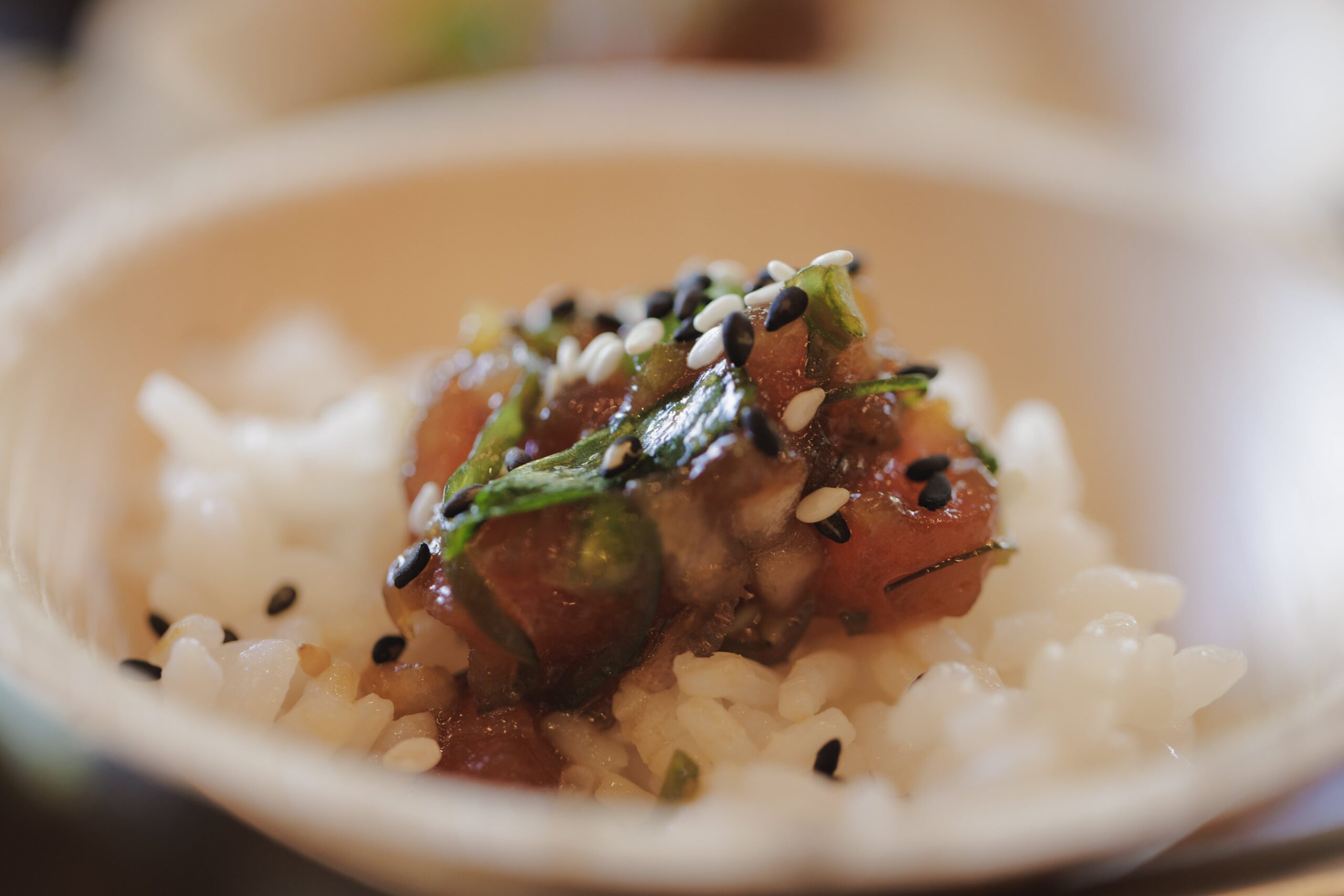
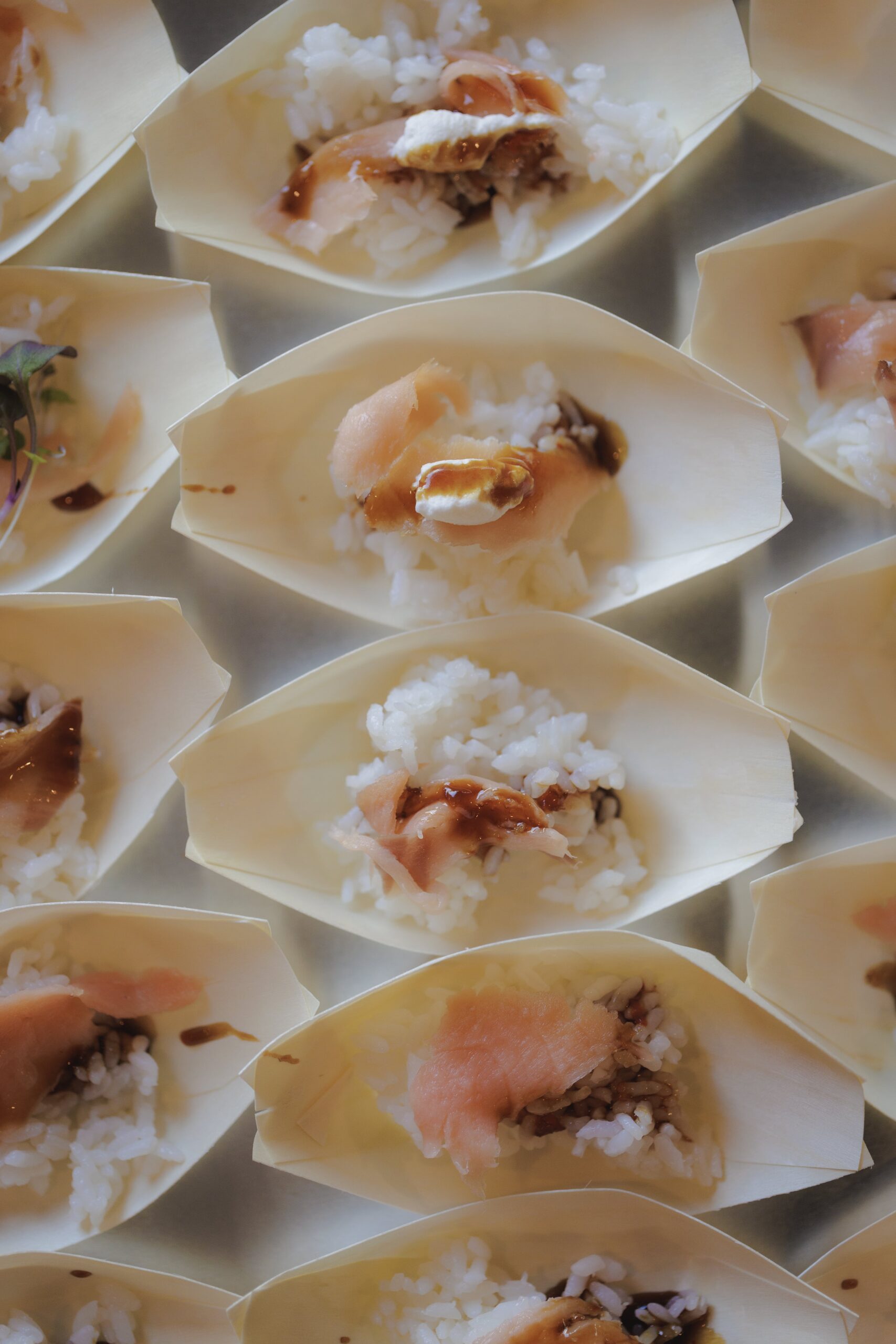
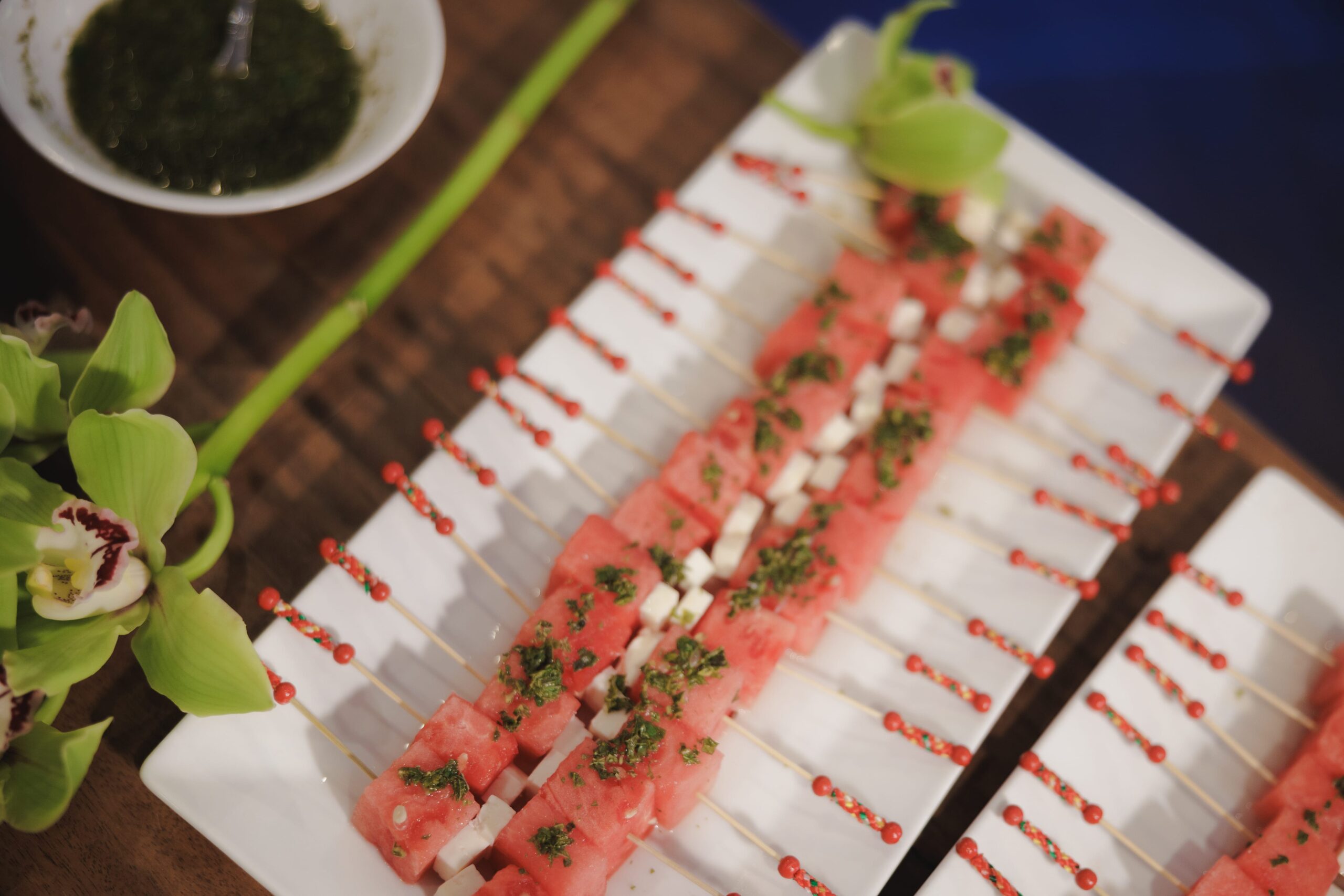
For a formal plated dinner, a composition of roasted local vegetables, pigeon pea purée, citrus, and herb oil can feel vibrant and polished. A richly seasoned mushroom preparation with plantain, sofrito-inspired elements, and crisp yucca can bring warmth and dimension to a Puerto Rican-inspired celebration. For cocktail receptions, miniature arepas, vegetable tartlets made without butter, or elegant plantain cups can provide the same sense of occasion as any other passed bite.
The best choice depends on the event format. A plated wedding dinner calls for a composed dish that arrives beautifully and holds its quality during service. A buffet or food station allows for more variety, but each vegan selection should remain distinct, clearly identified, and replenished with the same care as every other offering.
Honor Puerto Rican Flavor Without Compromise
Puerto Rican cuisine offers generous inspiration for plant-based menus, particularly when familiar ingredients are approached with a chef’s eye. Plantains, rice, beans, tropical fruit, root vegetables, avocado, peppers, cilantro, and aromatic sofrito can create dishes that feel rooted in place and elevated for a special gathering.
The detail that matters is preparation. Traditional recipes may use animal-based stocks, pork, butter, or dairy, so the culinary team should build flavor deliberately with vegetable stock, olive oil, coconut milk, roasted aromatics, and layered herbs and spices. A plant-forward dish should carry the same cultural warmth and complexity as the rest of the menu, not merely borrow a garnish or a name.
Seasonality also brings distinction. A summer celebration might feature mango, pineapple, and fresh herbs, while a more formal evening menu could lean into roasted squash, earthy mushrooms, and rich root vegetables. When ingredients are at their peak, the result feels both luxurious and honest.
Design Service That Feels Considered
Thoughtful menu planning can lose its impact if service is uncertain. At a seated event, vegan entrées should be identified through the place card, seating chart, or an unobtrusive service notation so the correct plate reaches the correct guest without a prolonged conversation at the table.
Service staff should know which dishes are vegan, what each course contains, and whom to serve. This is especially valuable at a corporate dinner, where guests may prefer privacy, or at a wedding, where the couple wants the room to feel effortless and celebratory. A polished server can answer a simple question with assurance and move gracefully through the moment.
Presentation matters here as much as ingredients. Vegan courses should be plated with the same visual drama, porcelain, garnish work, and attention to temperature as the rest of the meal. A beautiful plate communicates care before the first bite.
Prevent Cross-Contact in the Kitchen and on the Floor
Vegan dining is not always connected to an allergy, but careful handling remains an essential expression of hospitality. Separate utensils, clearly designated serving vessels, and attentive kitchen procedures help prevent a vegan dish from coming into contact with animal-based foods.
At a buffet, place vegan selections where they can be served with their own utensils and are not likely to receive drips from neighboring dishes. At food stations, ask chefs to use clean surfaces and tools for each preparation. For plated events, the team should confirm garnishes, sauces, and finishing touches before a dish leaves the kitchen.
If a guest also has a food allergy, address it as a separate requirement. A dish may be vegan and still contain nuts, gluten, soy, or another allergen. It is always better to clarify than to assume, particularly when health and comfort are involved.
Extend the Consideration to Drinks and Dessert
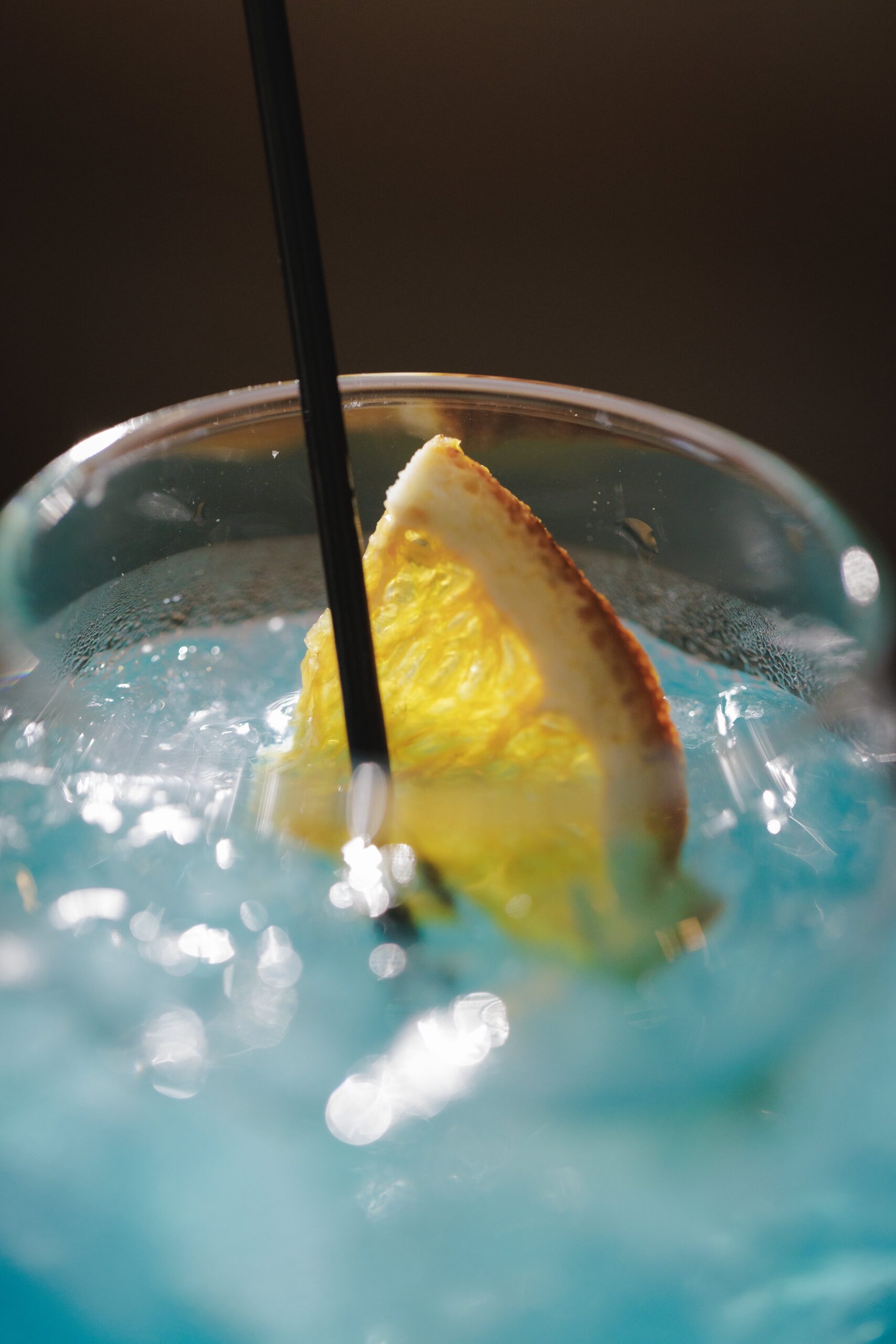
A menu feels complete when the details beyond dinner receive equal attention. Some wines and specialty cocktails may use ingredients or processing agents that are not vegan, while cream-based liqueurs and honey syrups are more obvious exclusions. A well-planned bar can offer vibrant vegan-friendly cocktails built around fresh citrus, tropical fruit, herbs, and premium spirits.
Dessert deserves more than a fruit plate. Modern plant-based pastries can be refined, indulgent, and beautifully finished, from dark chocolate creations made without dairy to coconut, guava, and passion fruit desserts that suit a Puerto Rican celebration. If a cake is part of the event, a small vegan tier or a dedicated plated dessert can be arranged so no guest misses the ceremonial moment.
Let Inclusion Shape the Experience
Accommodating vegan guests does not require a separate event within your event. It requires a menu and service plan designed with enough care that every guest feels anticipated. When the food is flavorful, the presentation is polished, and the team is prepared, dietary consideration becomes part of the celebration’s quiet elegance.
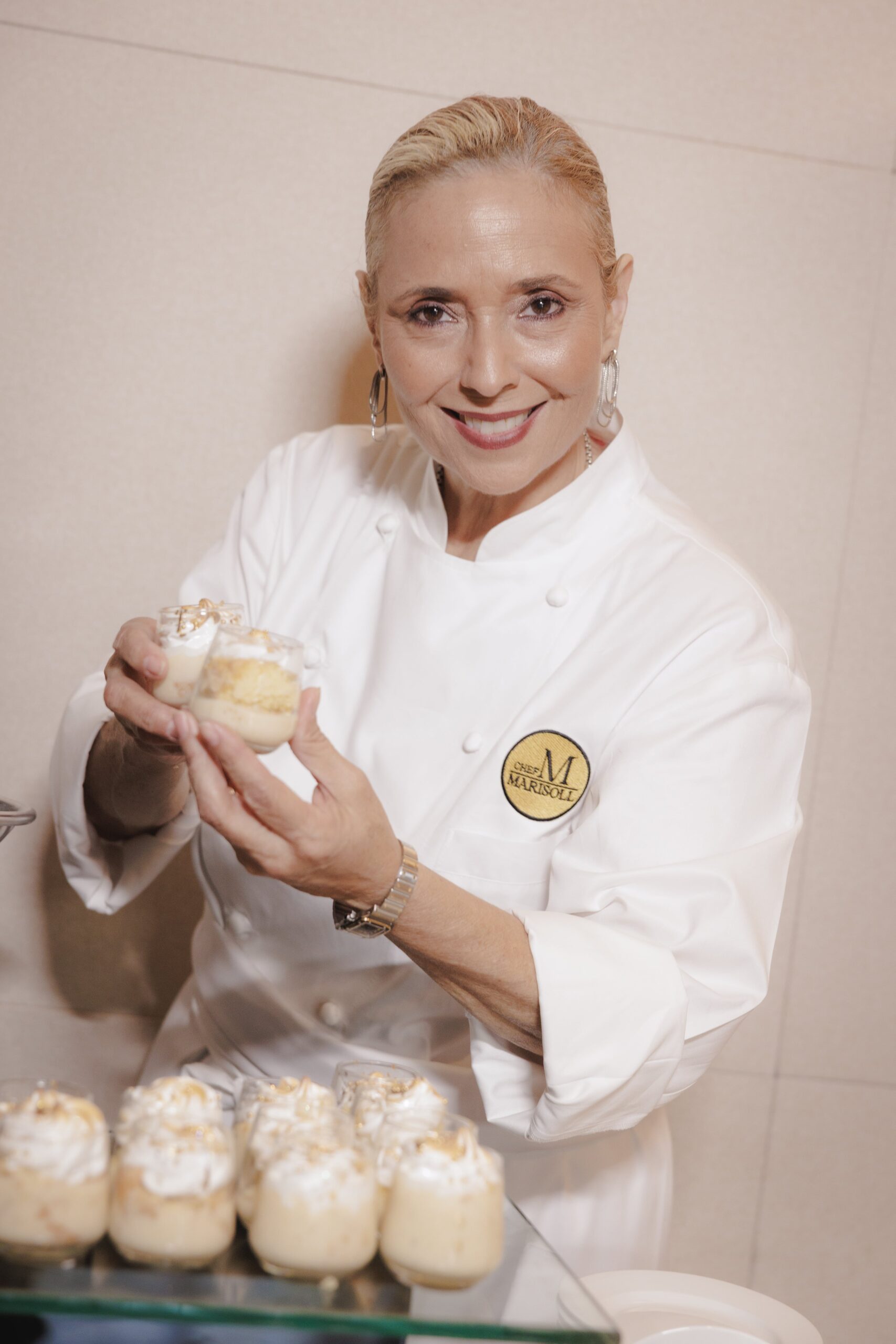
At Chef Marisoll Events, customized menus are an opportunity to bring that level of hospitality to life, whether the gathering is an intimate dinner or a grand destination wedding. The most memorable events leave guests with more than a beautiful setting. They leave them feeling genuinely welcomed at the table.