A memorable Puerto Rican celebration is rarely defined by one signature dish. It is the feeling of abundance, welcome, and careful attention that guests carry with them long after the final toast. This Puerto Rican banquet traditions guide is designed for hosts who want to honor the island’s culinary character while creating an occasion with the polish, comfort, and personal detail a meaningful gathering deserves.
Whether you are planning a destination wedding, a gala dinner, a family milestone, or an executive reception, tradition offers a beautiful starting point rather than a fixed script. The most refined events draw from Puerto Rican hospitality with intention, then shape those influences around the people in the room.
What Defines a Puerto Rican Banquet?
At its heart, a Puerto Rican banquet is generous. The table is meant to feel celebratory, the menu is designed to encourage conversation, and guests are cared for with warmth from their arrival through dessert and coffee. Food is not simply served between formalities. It is one of the central ways a host expresses gratitude, family pride, and joy.
The flavors of the island reflect Taíno, Spanish, African, and Caribbean influences. Sofrito, plantains, rice, pork, fresh seafood, tropical fruit, and aromatic spices appear in countless forms, from beloved home-style preparations to contemporary plated presentations. A luxury banquet can honor those roots without reproducing a casual family meal exactly. A chef may refine a familiar flavor, elevate the presentation, or pair it with a service style suited to the occasion.
Tradition also varies by family, town, season, and celebration. A Christmas menu may feature pasteles and arroz con gandules, while a coastal wedding may lean into local fish, mofongo, and bright citrus notes. The goal is not to include every classic. It is to select the details that make the occasion feel true to its setting and to the host.
Begin With the Occasion and the Guest Experience
Before choosing dishes, decide how you want guests to feel. A black-tie wedding at a museum calls for a different culinary rhythm than a relaxed anniversary dinner at a private residence. A corporate event may need polished pacing and easy conversation, while a multi-generational family celebration may benefit from a more abundant, familiar table.
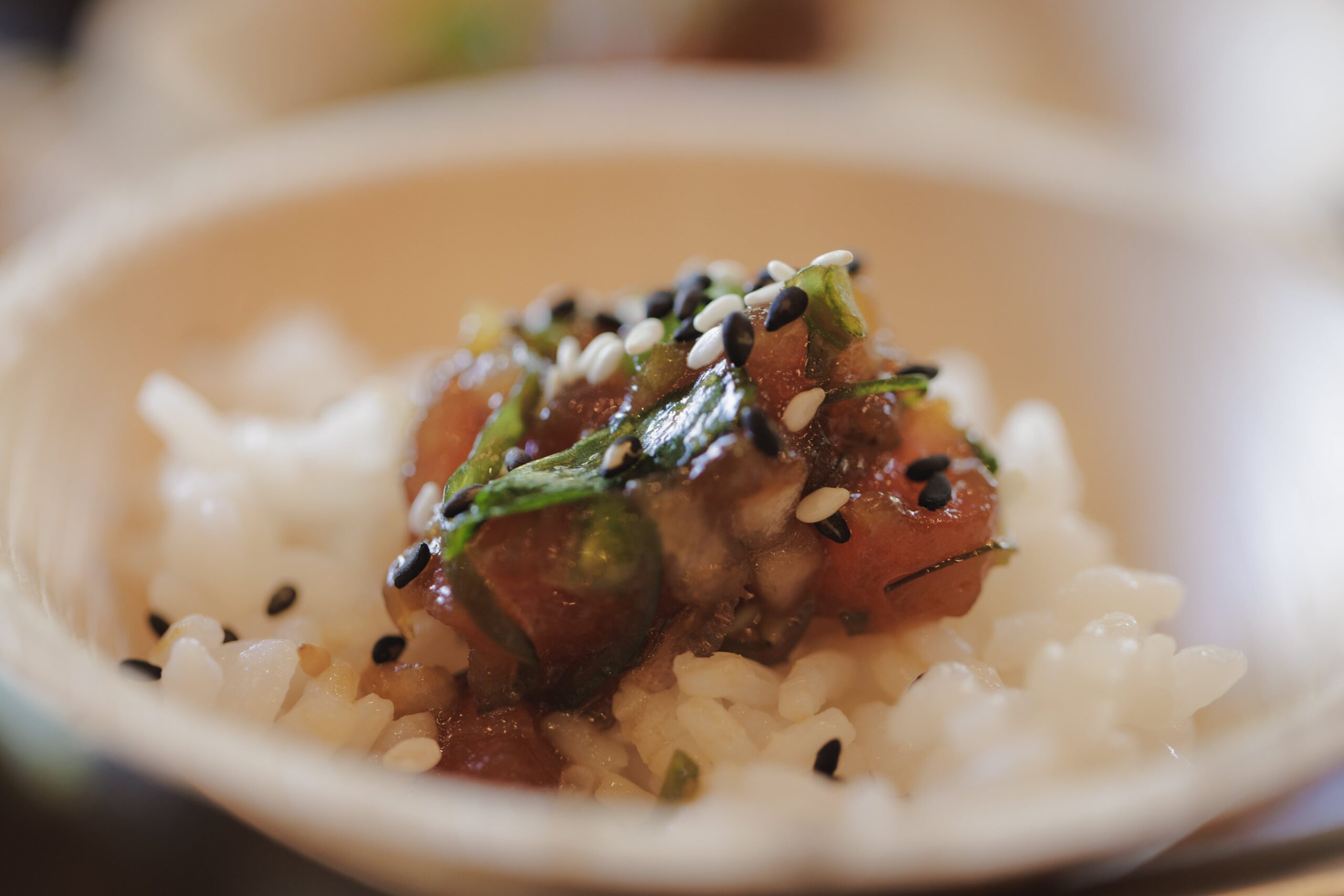
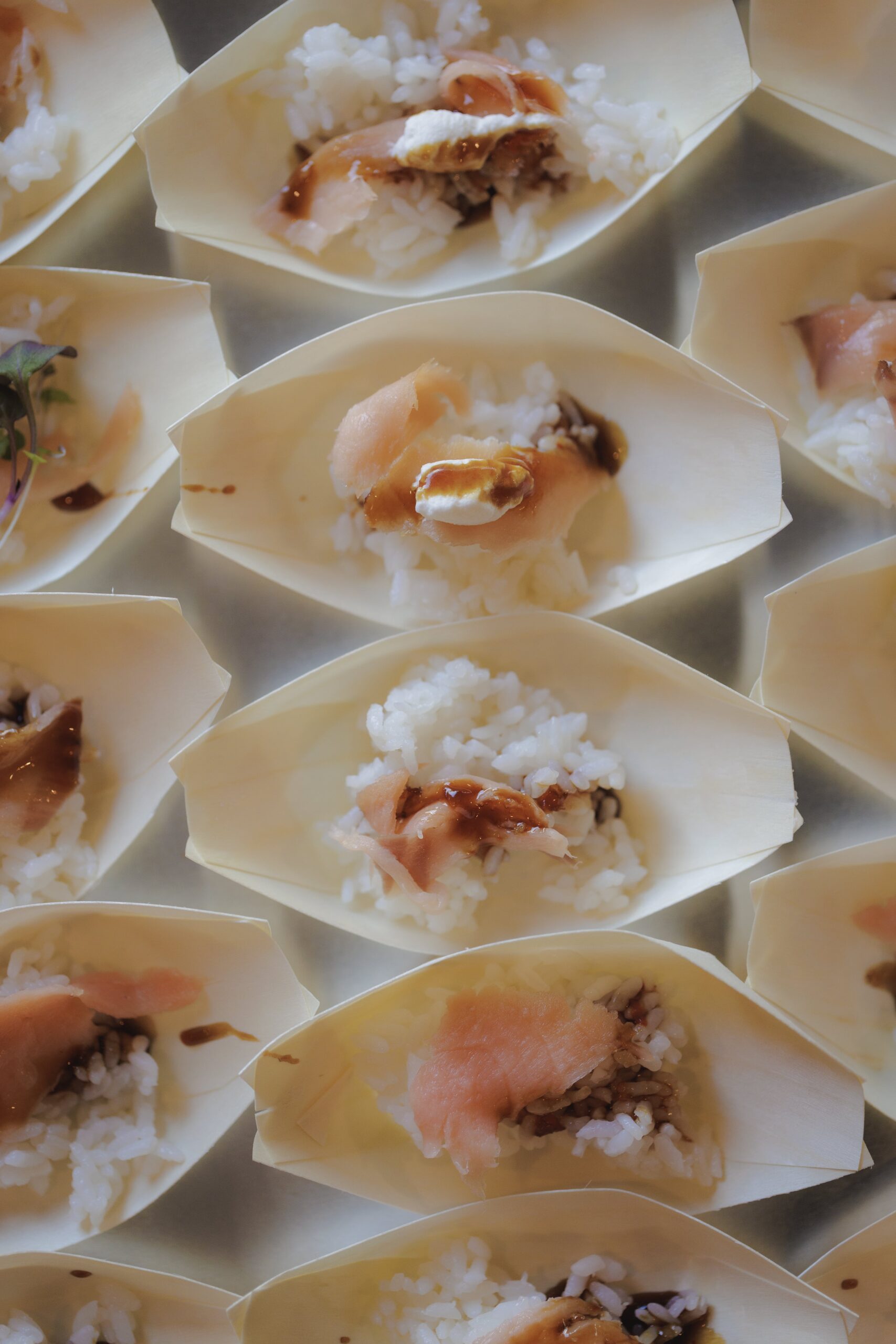
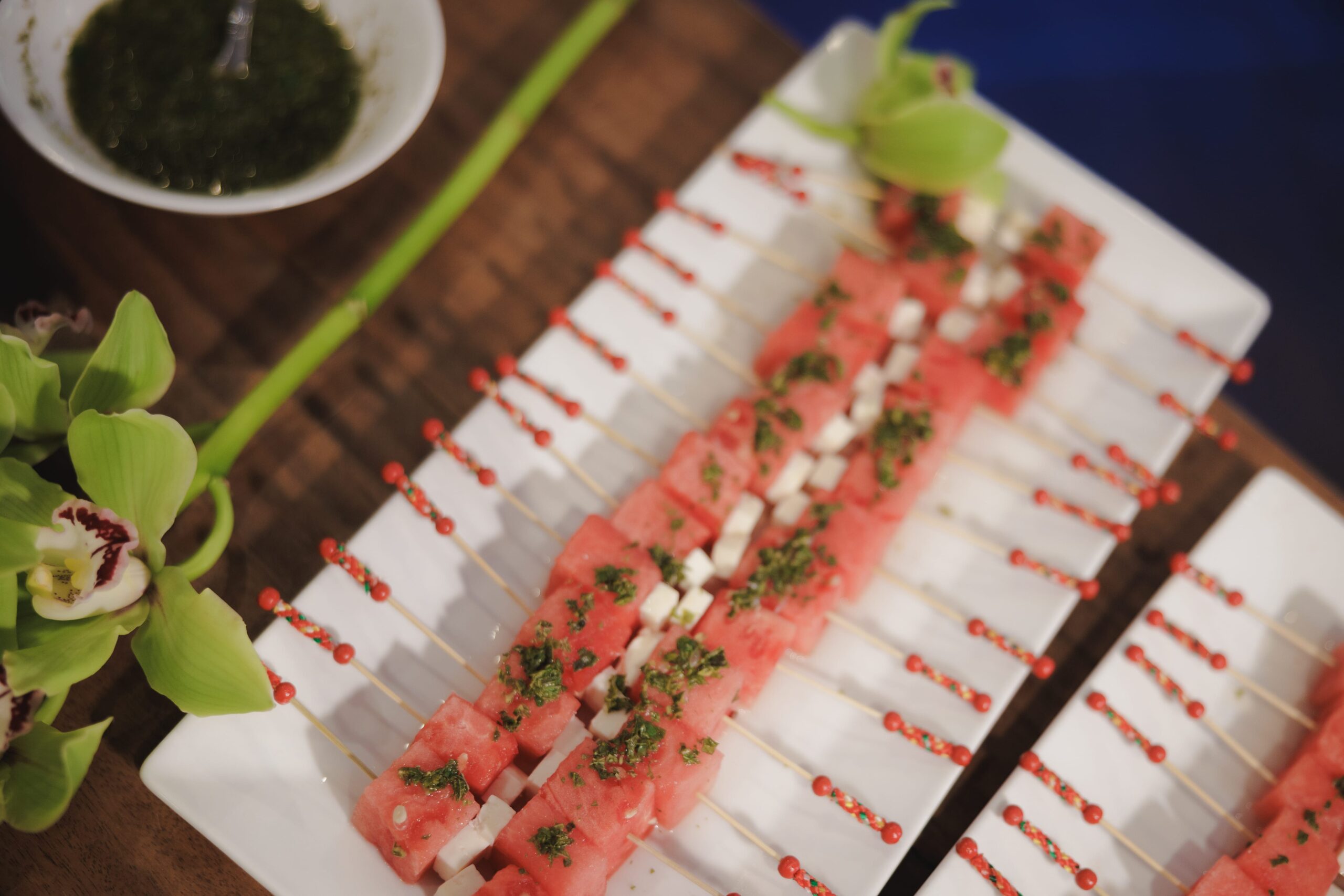
For a reception, passed hors d’oeuvres and composed food stations allow guests to mingle while enjoying recognizable Puerto Rican ingredients in an elegant format. Think miniature alcapurrias with a refined sauce, crisp plantain cups filled with seafood, or tender pork presented in a composed bite. For a seated dinner, a plated menu creates a measured, ceremonial experience and gives every course its own moment.
Buffet service can be equally sophisticated when it is designed with care. It works especially well for celebrations where guests value variety and a relaxed return to the table. The difference lies in proportion, styling, replenishment, and attentive service. A beautiful buffet should feel abundant, never crowded or improvised.
Build a Menu Around Familiar Flavors, Not Expectations
Some hosts assume an authentic Puerto Rican banquet must center on lechón or pernil. These are deeply loved choices, particularly for weddings and festive family gatherings, but they are not the only way to create a menu rooted in the island. The most successful menu is one that honors tradition while accounting for the event’s season, service format, guest preferences, and atmosphere.
Arroz con gandules remains a natural anchor because it brings color, fragrance, and immediate cultural recognition to the table. Mofongo can become a polished accompaniment with seafood, braised meats, or vegetable-forward preparations. Local fish, plantain purées, pigeon peas, avocado, coconut, and seasonal fruit can also create a lighter expression of Puerto Rican cuisine, especially welcome for warm-weather celebrations.
For a formal plated dinner, consider a menu with one clear point of view rather than a broad collection of dishes. A first course might pair local greens with tropical fruit and a bright vinaigrette. A main course could feature fish or tenderloin with a plantain component and a sauce shaped by sofrito or rum. Dessert can offer a sophisticated interpretation of flan, coconut, guava, or coffee.
The trade-off is simple: the more courses and flavors included, the more carefully the meal must be paced. A banquet should feel generous, but guests should not leave feeling weighed down before dancing or evening festivities begin. An experienced culinary team can preserve the flavors guests anticipate while bringing balance to the full experience.
Make Room for Dietary Needs With Grace
Hospitality becomes most visible when every guest can participate comfortably. Vegetarian, vegan, gluten-sensitive, and allergy-aware selections should feel integrated into the menu, not like an afterthought delivered from a separate kitchen.
Puerto Rican ingredients offer many possibilities. Root vegetables, plantains, rice, beans, tropical fruits, mushrooms, and local produce can provide rich flavor and visual beauty without relying on a single protein. The key is early planning. Once a caterer understands the guest count and dietary considerations, those accommodations can be woven into the menu and service plan with the same level of care as every other course.
The Rhythm of Service Matters as Much as the Menu
A Puerto Rican banquet traditionally invites guests to linger. Even at a highly structured event, the service should allow space for greetings, toasts, conversation, and the gradual unfolding of the evening. Rushing from cocktail hour to dinner to dessert can make an otherwise beautiful celebration feel transactional.
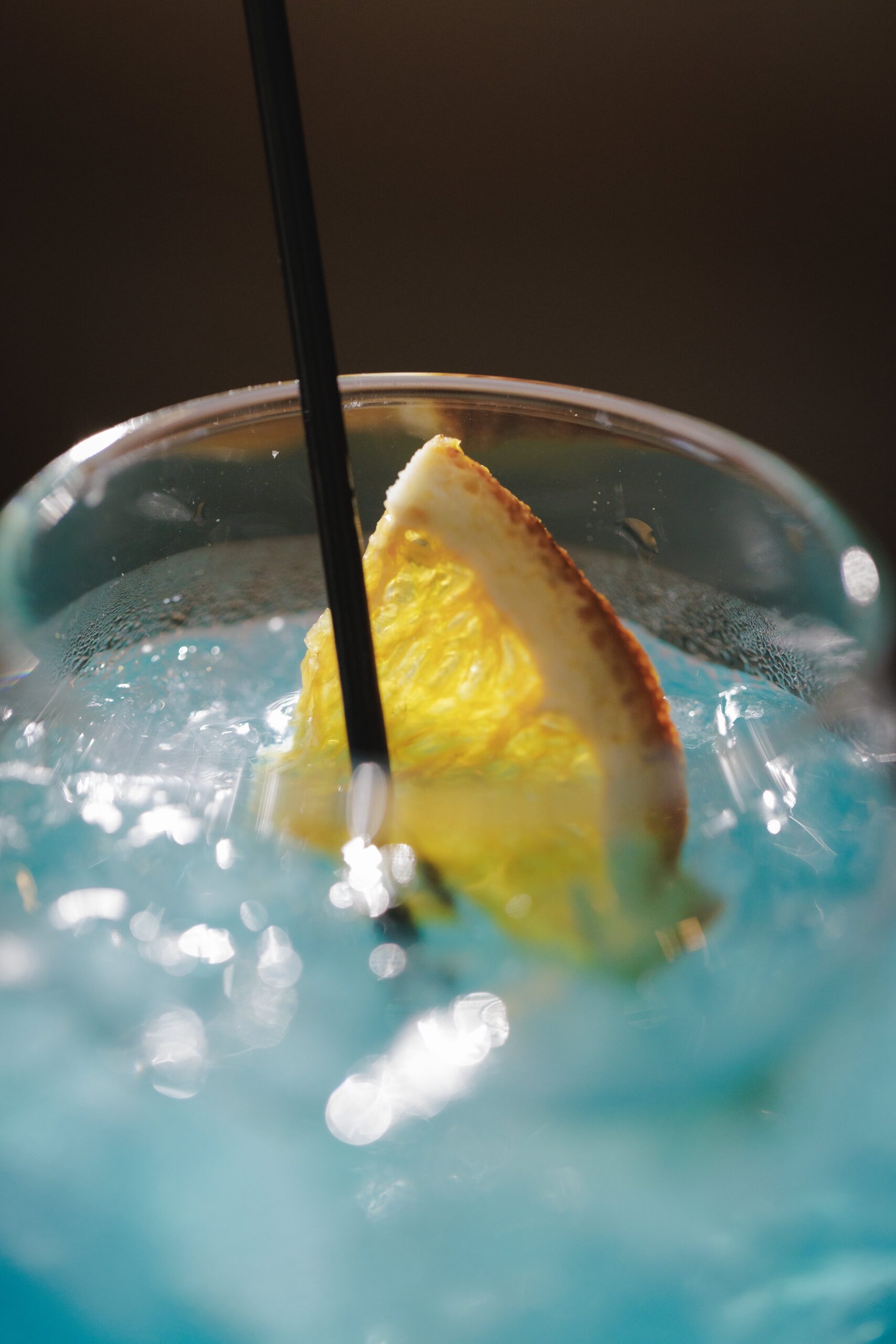
Cocktail hour is often the ideal moment to introduce the island’s flavors. It gives destination guests a sense of place immediately and offers local guests a familiar welcome presented with fresh perspective. Rum-based cocktails can be a lovely choice, but a complete beverage program should also include thoughtful alcohol-free options, sparkling water, wine, and coffee service.
Coffee deserves special consideration. In Puerto Rico, a small cup of rich coffee after dinner is more than a closing beverage. It is an invitation to remain present, continue the conversation, and enjoy the last part of the celebration. Pairing coffee with a dessert display or individually plated sweets gives the evening a gracious finish.
A Puerto Rican Banquet Traditions Guide to Presentation
Refined presentation should frame the food, not disguise it. Puerto Rican cuisine brings natural color and texture to the table: golden plantains, bright herbs, deep pigeon peas, tropical fruit, and glistening seafood. Elegant linens, considered florals, warm lighting, and purposeful serving pieces can elevate these elements without turning them into decoration alone.
For destination events, incorporating the island’s visual character can be especially meaningful. That may mean botanical accents, local artisan details, or a color palette inspired by the coast and tropical landscape. Restraint is often more effective than themed excess. One or two authentic visual references, repeated beautifully, will feel more luxurious than a room filled with predictable island motifs.
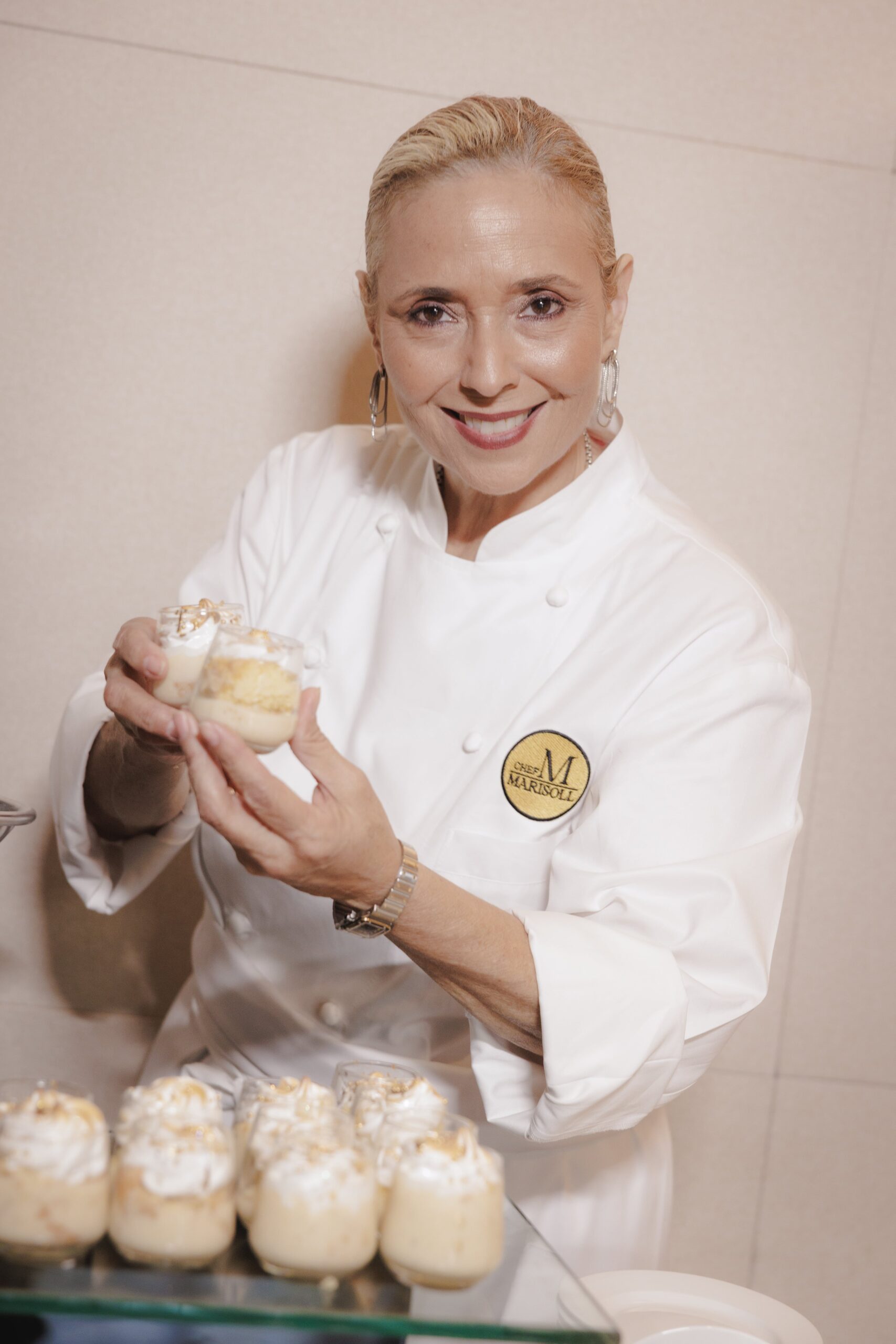
The venue also shapes the experience. A historic setting, private hall, or art-forward space can lend a banquet its own sense of occasion. At Chef Marisoll Events, the private hall at the Puerto Rico Museum of Art offers hosts a setting where culinary artistry, cultural atmosphere, and refined celebration naturally meet.
Honor Tradition Without Making It Performative
Puerto Rican traditions are most compelling when they are personal. A family recipe may inspire a late-night bite. A favorite dessert from childhood may become part of the wedding sweets table. A corporate host may choose local ingredients as a gracious welcome for visiting executives. These choices carry more meaning than adding cultural details simply because they appear expected.
Music, speeches, and family participation can further shape the banquet, but they should support the evening’s flow. If dancing is central to the celebration, plan the dinner timing accordingly. If the gathering centers on conversation, use a service format that keeps guests comfortably engaged at their tables. There is no single correct version of a Puerto Rican banquet, only a thoughtful version that feels generous to the people gathered.
The finest celebrations let guests taste where they are while feeling completely cared for. Begin with the traditions that matter to you, choose a menu with a clear point of view, and allow thoughtful service to give every course the warmth and occasion it deserves.