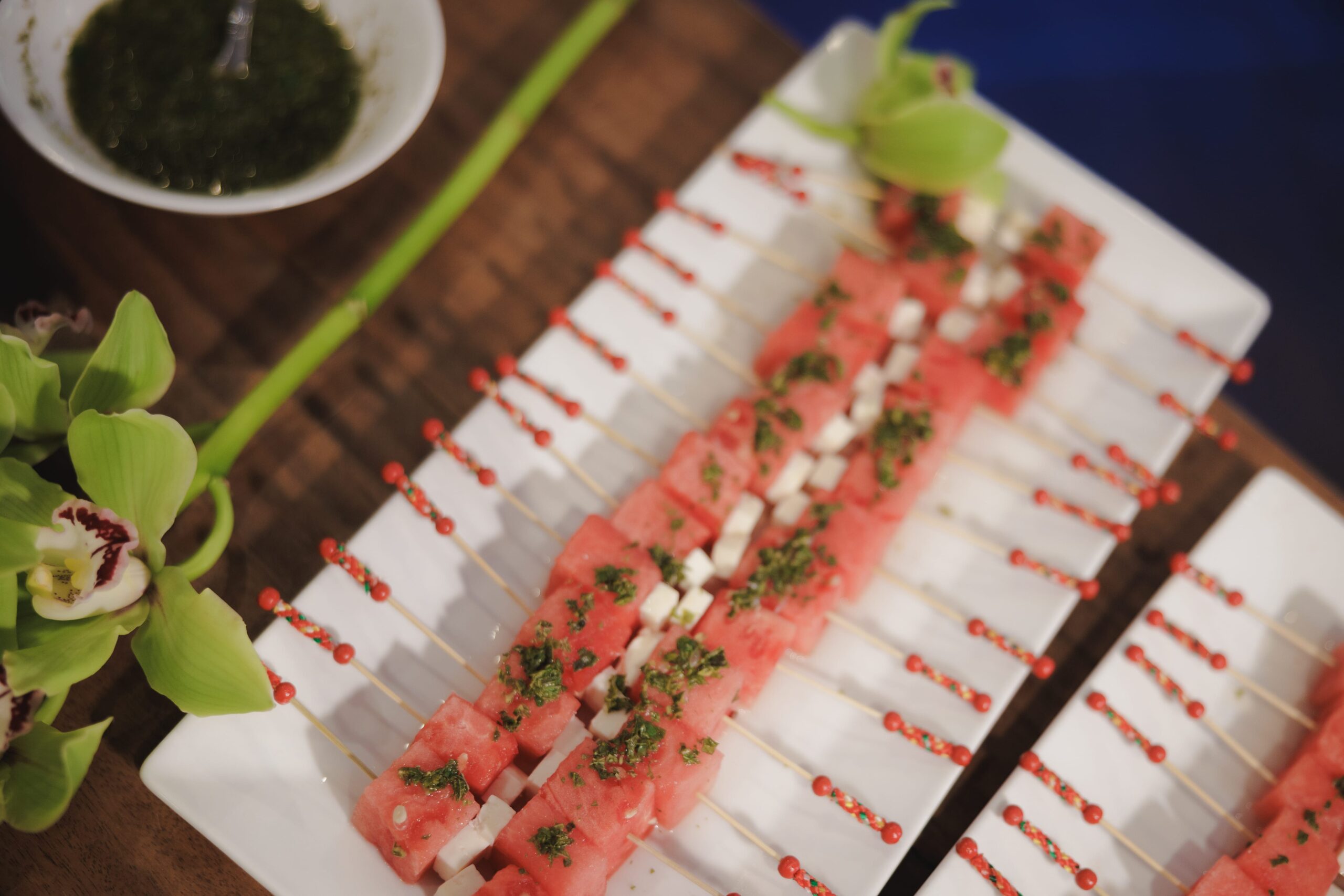
The most memorable private dinners rarely announce their complexity. Guests see candlelight, a beautifully set table, and plates that arrive at precisely the right moment. Behind that ease is a careful series of decisions. This private dinner case study follows how an intimate Puerto Rico celebration was shaped into an evening that felt personal to the hosts and effortless to every guest.
The Brief Behind This Private Dinner Case Study
The occasion was a milestone anniversary dinner for 28 guests, including close family members, longtime friends, and several guests visiting Puerto Rico for the first time. The hosts wanted the evening to feel distinctly rooted in the island without becoming overly themed. They were looking for sophistication, warmth, and a sense of occasion that could not be recreated in a restaurant dining room.
Their initial request was simple: a refined seated dinner with exceptional food, thoughtful wine service, and an atmosphere that encouraged lingering conversation. The more meaningful objective was less obvious. The hosts wanted each guest to feel cared for, whether they knew the couple for decades or had just arrived from the mainland that afternoon.
That distinction guided every choice. A private dinner is not defined only by the menu or the size of the guest list. It is defined by the relationship between the people in the room, the pace of the evening, and the moments the host hopes guests will remember afterward.
A Setting With Presence, Not Distraction
For an event of this scale, the private hall at the Puerto Rico Museum of Art offered the right balance of intimacy and distinction. Its cultural setting gave the dinner a sense of place before the first course was served. Rather than competing with the room, the table design was kept intentional and restrained: low floral arrangements, warm candlelight, crisp linens, and tableware selected to complement the evening’s palette.
The trade-off with a statement venue is that too much décor can quickly feel unnecessary. A room with architectural character and artistic significance does not need to be overfilled. Here, the design centered the guests and preserved clear sightlines across the table, allowing conversation to move freely.
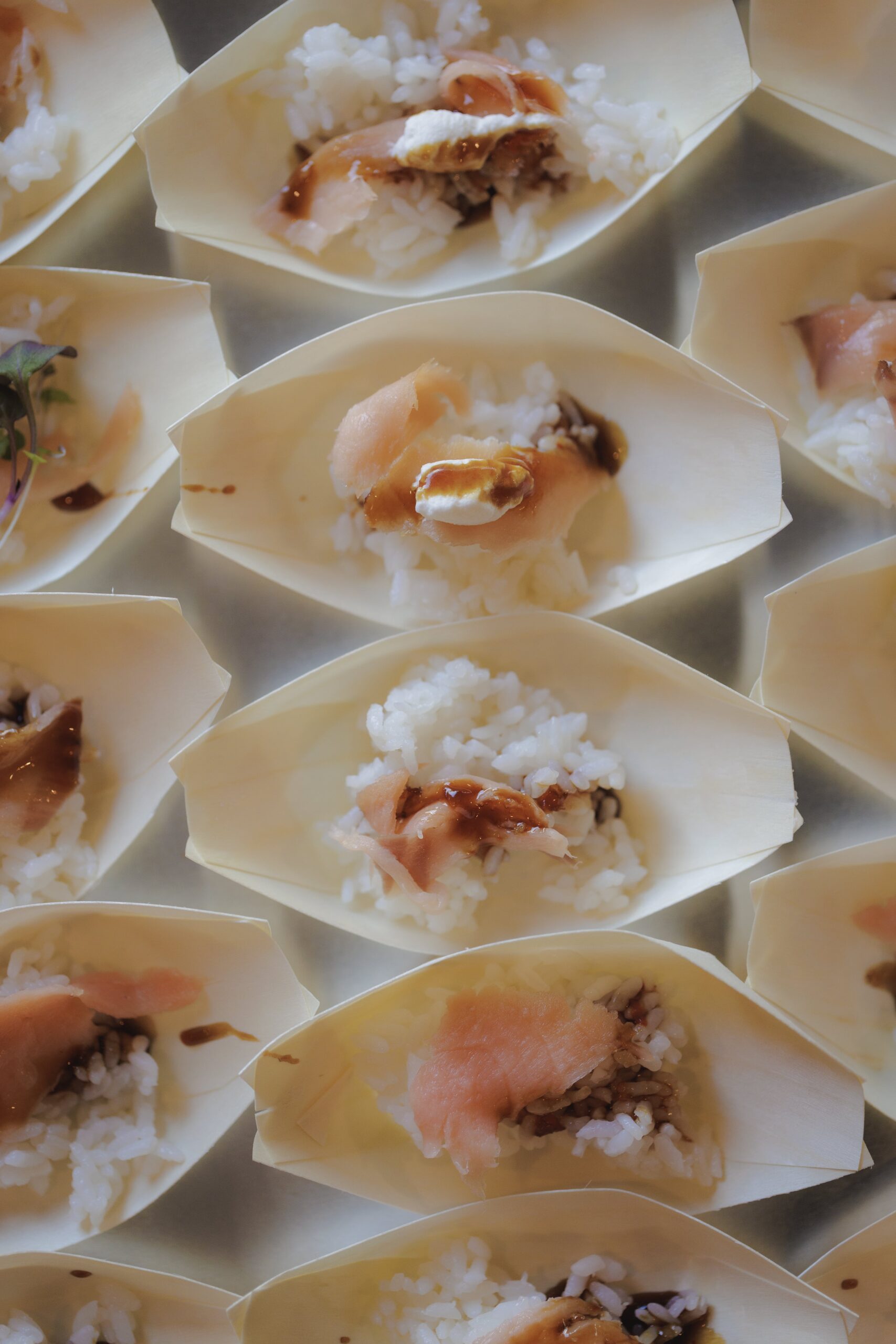
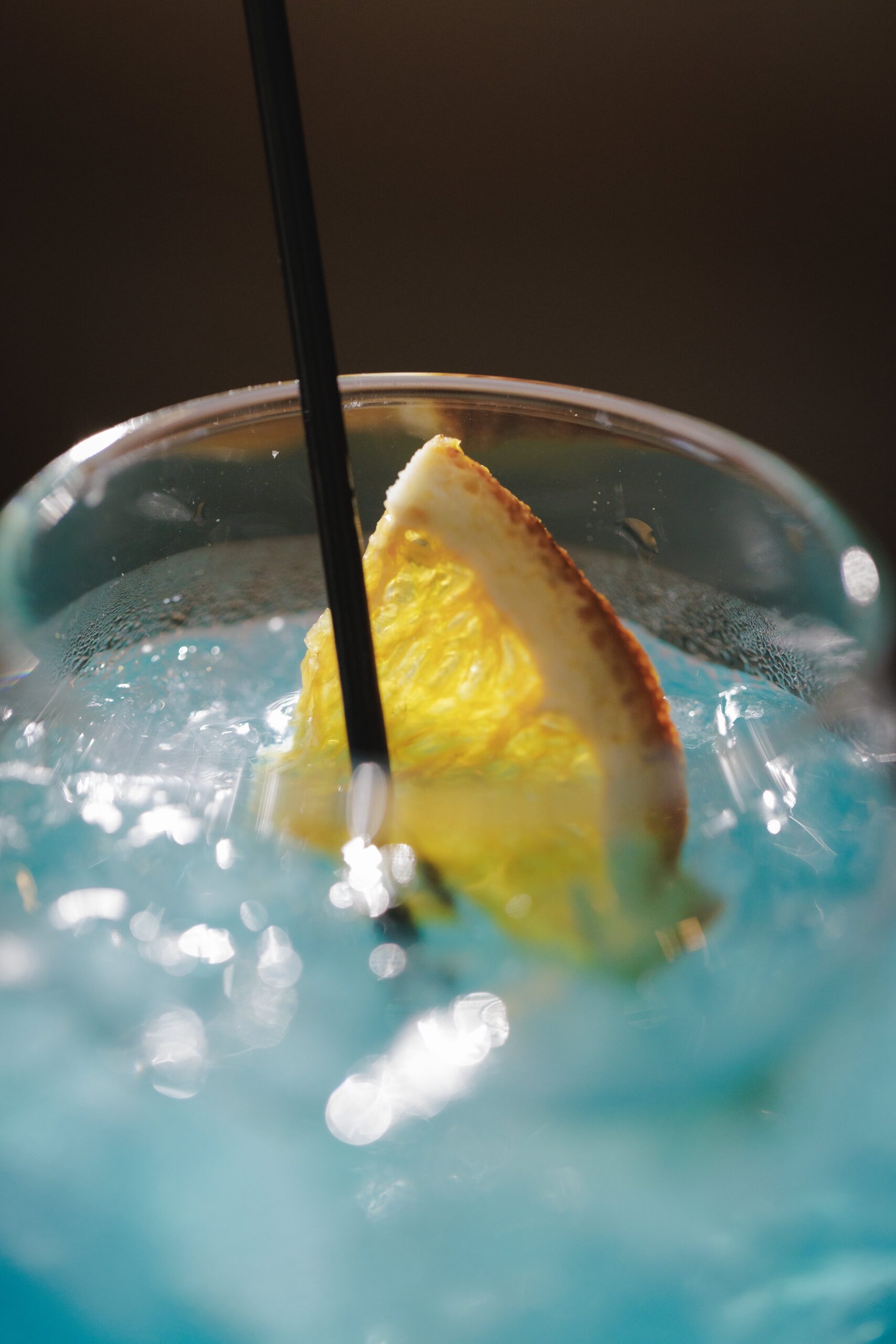
Arrival also mattered. Guests were welcomed with a composed cocktail and a small passed bite before entering the dining space. That brief transition gave everyone time to settle in, greet one another, and appreciate the setting before the formal dinner began. It created anticipation without delaying the evening.
Designing a Menu With a Puerto Rican Point of View
A successful private dinner menu should feel generous, but it should never feel like a collection of unrelated courses. For this gathering, the culinary direction drew from Puerto Rican ingredients and flavors through a polished, contemporary lens. The goal was recognition rather than repetition: familiar notes presented with refinement and balance.
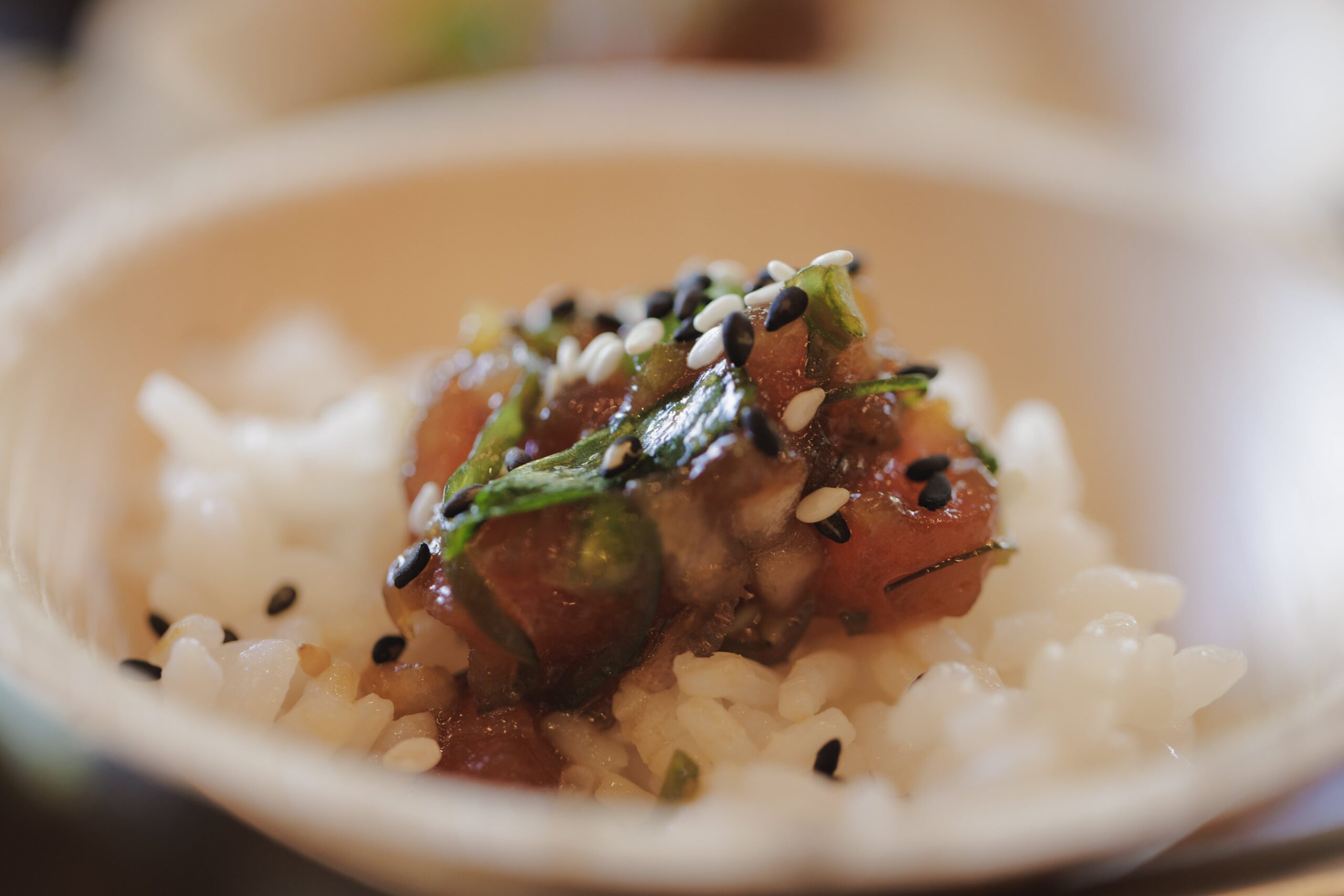
The opening course paired local produce with bright citrus and delicate seafood, offering freshness after the welcome cocktail. The main course was designed around a choice of expertly prepared protein, with a vegetarian entrée that received the same attention to presentation and flavor. This is especially important at a private dinner. Dietary accommodations should not make any guest feel like an afterthought.
A Menu With Rhythm Rather Than Excess
The hosts initially considered adding several more passed appetizers and an additional plated course. After discussing the guest count, evening timeline, and desired mood, the plan became more edited. A longer menu can be appropriate for a gala or a late-night celebration, but an intimate anniversary dinner benefits from breathing room.
The final progression allowed guests to enjoy each course, converse between services, and remain comfortable through dessert. A palate-cleansing interlude added a note of surprise without interrupting the flow. Dessert was served with coffee and a selection of petit sweets, giving guests a graceful reason to remain at the table rather than signaling an abrupt ending.
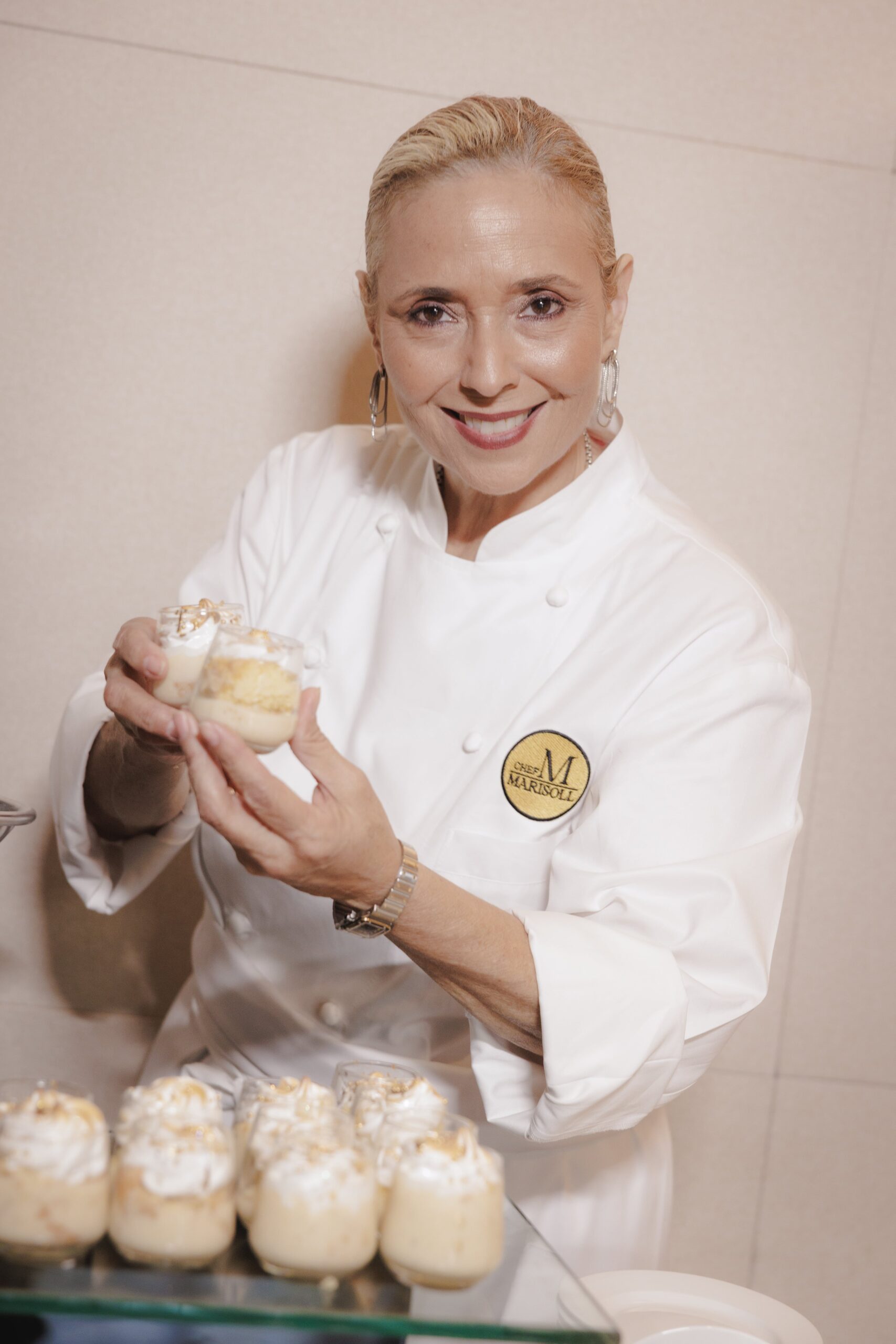
Chef Marisoll Events approached the menu as part of the evening’s story, not as a separate catering component. Each course had a purpose: to welcome, to gather, to delight, and finally to leave a lasting impression.
Service Was the Quiet Architecture of the Evening
Luxury hospitality is often most visible in what guests do not have to ask for. Water glasses were refreshed without interruption. Dietary needs were handled discreetly. Courses arrived together, tables were cleared with care, and the service team adjusted to the natural tempo of the conversation.
For a party of 28, plated service offered the precision the hosts wanted. It supported the elevated presentation of the menu and gave the evening a ceremonial quality. A family-style format could have created a more relaxed, communal energy, while food stations might have suited a more social, free-moving reception. Neither option is inherently better. The format must reflect how the host wants the room to feel.
The dining team also coordinated closely with the event timeline. A brief toast was scheduled after the first course, when guests were seated and attentive. Dessert followed a personal tribute from the couple’s children, allowing that emotional moment to land before the evening moved into lighter conversation. These details may appear small on paper, yet they influence how naturally an event unfolds.
Personalization Lived in the Details
The strongest moments were not necessarily the grandest ones. The hosts included a handwritten menu card at each place setting, featuring a short note of appreciation for their guests. The color palette referenced a favorite flower from the couple’s garden. One signature cocktail nodded to the place where they spent their honeymoon.
These choices gave the dinner its identity. They did not require elaborate production, but they made the gathering unmistakably theirs. That is the advantage of a bespoke event: a menu, setting, and service style can be shaped around a real story rather than fitted into a standard package.
Personalization also required restraint. Not every meaningful detail needs to be explained aloud. A well-chosen ingredient, a flower, a song during arrival, or a familiar flavor in dessert can communicate more than an overdesigned theme ever could.
What This Private Dinner Case Study Reveals
An elegant private dinner succeeds when its many moving parts support one feeling. In this case, that feeling was gratitude. The venue supplied cultural presence, the menu expressed Puerto Rican hospitality with polish, and the service gave the hosts freedom to be fully present with their guests.
The lesson for anyone planning an intimate celebration is to begin with the desired emotional outcome, not a list of event components. Consider whether the evening should feel intimate or animated, formal or relaxed, deeply local or globally inspired. From there, the right culinary format, pace, and design choices become much clearer.
A private dinner is an opportunity to offer more than a beautiful meal. When the setting, cuisine, and hospitality are thoughtfully aligned, guests leave carrying the warmth of the table with them long after the final toast.