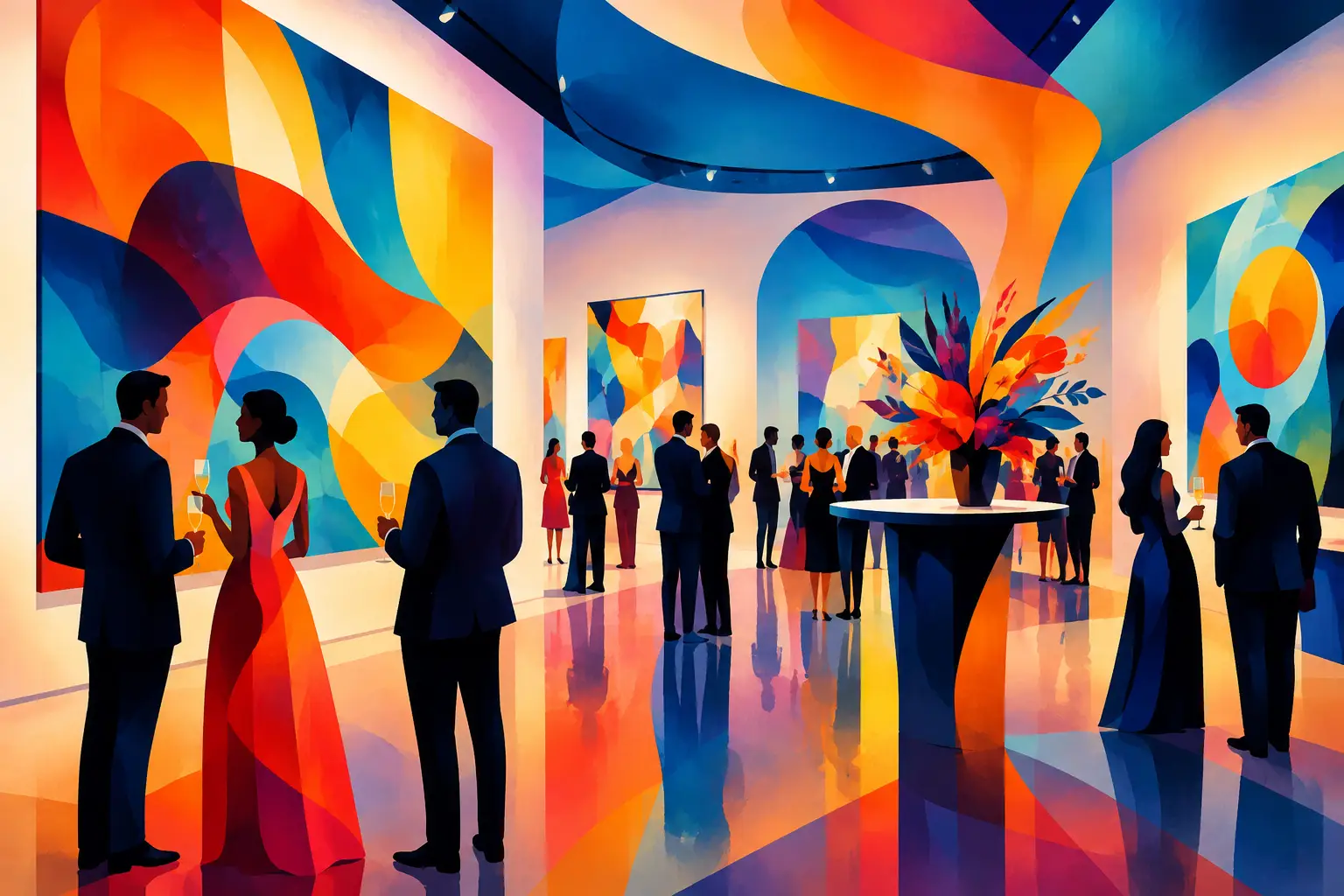
A museum reception begins before the first glass is poured. It begins with the quiet anticipation of guests arriving beneath dramatic architecture, pausing before a work of art, and sensing that the evening has been designed with intention. This guide to hosting art museum receptions is for hosts who want that first impression to carry through every detail, from the welcome cocktail to the final farewell.
An art museum is not simply a beautiful backdrop. It is a living cultural setting with its own rhythm, visual language, and guest expectations. The most memorable receptions honor that setting rather than competing with it. Thoughtful planning allows the art, the conversation, and the cuisine to feel like part of one elegant experience.
Begin With the Museum’s Character
Every museum space asks for a slightly different kind of celebration. A contemporary gallery may welcome sculptural hors d’oeuvres, clean-lined furniture, and a modern cocktail presentation. A historic hall may call for warmer candlelight, classical service, and a menu with layered, heritage-inspired flavors. Before choosing colors, florals, or food, spend time considering what the venue already communicates.
Look closely at the scale of the room, the sightlines to notable artwork, and the areas where guests naturally pause. A reception in a gallery with intimate alcoves benefits from food stations placed with restraint, allowing guests to circulate without creating congestion near the art. A grand private hall can support a more expansive bar, a welcome moment, and a refined progression of passed selections.
The event’s purpose should guide the atmosphere as much as the setting. A corporate reception for visiting executives needs easy conversation, composed timing, and service that feels assured without being intrusive. A wedding welcome celebration may invite more warmth, music, and personal details. For collectors, donors, or cultural leaders, the experience often benefits from a quieter sense of exclusivity and a menu that creates conversation without distracting from the program.
Shape the Guest Journey, Not Just the Room
Guests remember how an evening felt in motion. The arrival, the first drink, the first encounter with a colleague or loved one, and the ease of finding something delicious all shape their impression. A well-planned museum reception gives every stage a purpose.
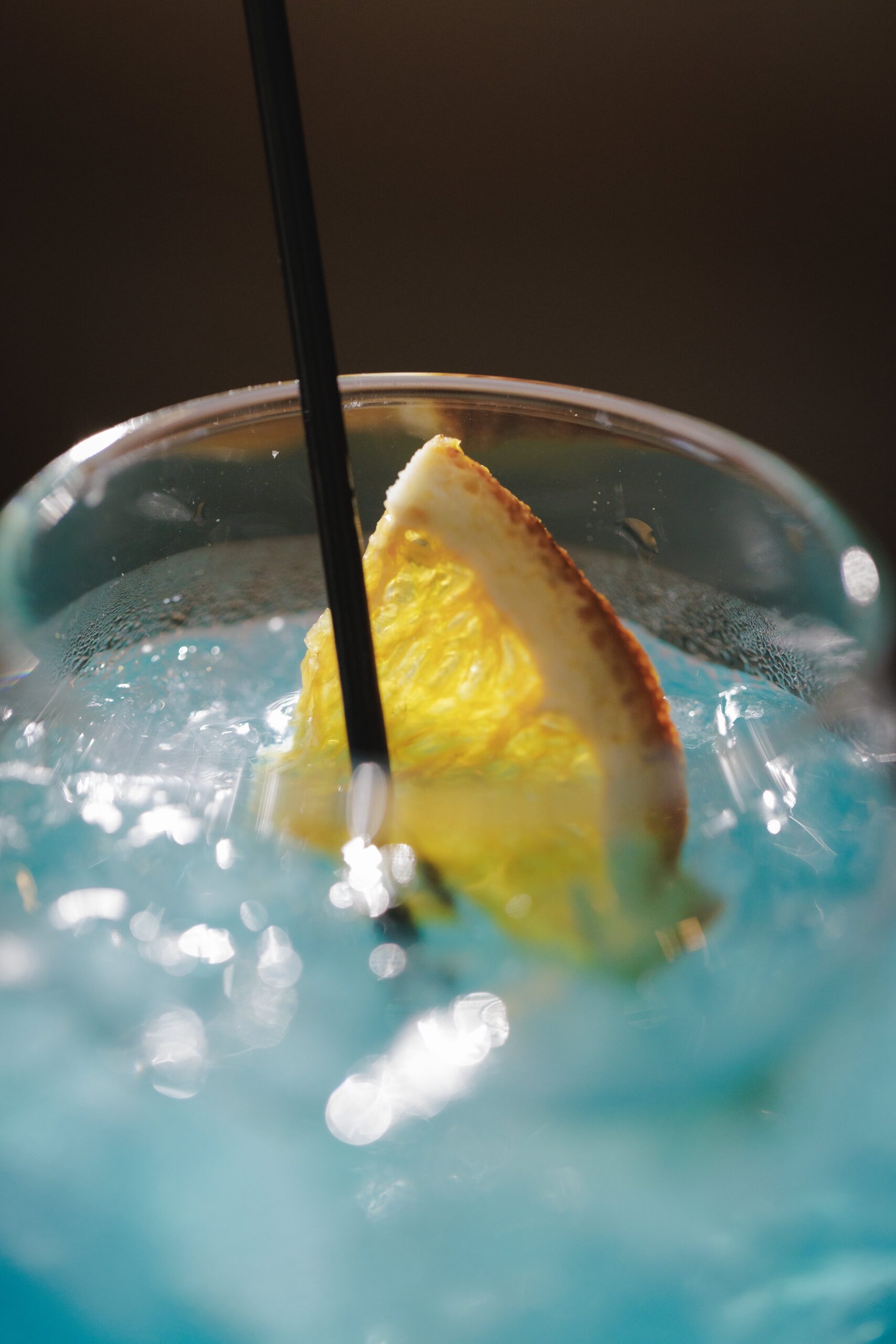
Start with an arrival point that feels gracious and uncluttered. Registration, if needed, should sit apart from the first hospitality moment. Once guests enter, a signature cocktail or sparkling welcome can create an immediate sense of occasion. In Puerto Rico, this may be an opportunity to offer a polished expression of local flavor, perhaps with tropical fruit, fine rum, or botanical notes presented in an elegant, balanced way.
From there, create a natural path toward the central gathering area. Avoid positioning every culinary element in one location. Thoughtful spacing encourages guests to explore the room, engage with the artwork, and reconnect with others throughout the evening. It also makes service feel calm, even when the guest count is substantial.
Timing matters. A 90-minute opening reception has different needs than a three-hour fundraising evening. If guests are arriving after work, the food should be substantial enough to feel genuinely hospitable. If dinner follows, lighter passed bites and a beautiful cocktail experience may be more appropriate. The goal is not to offer the most food possible. It is to offer the right rhythm of food for the occasion.
Let the Menu Reflect the Setting
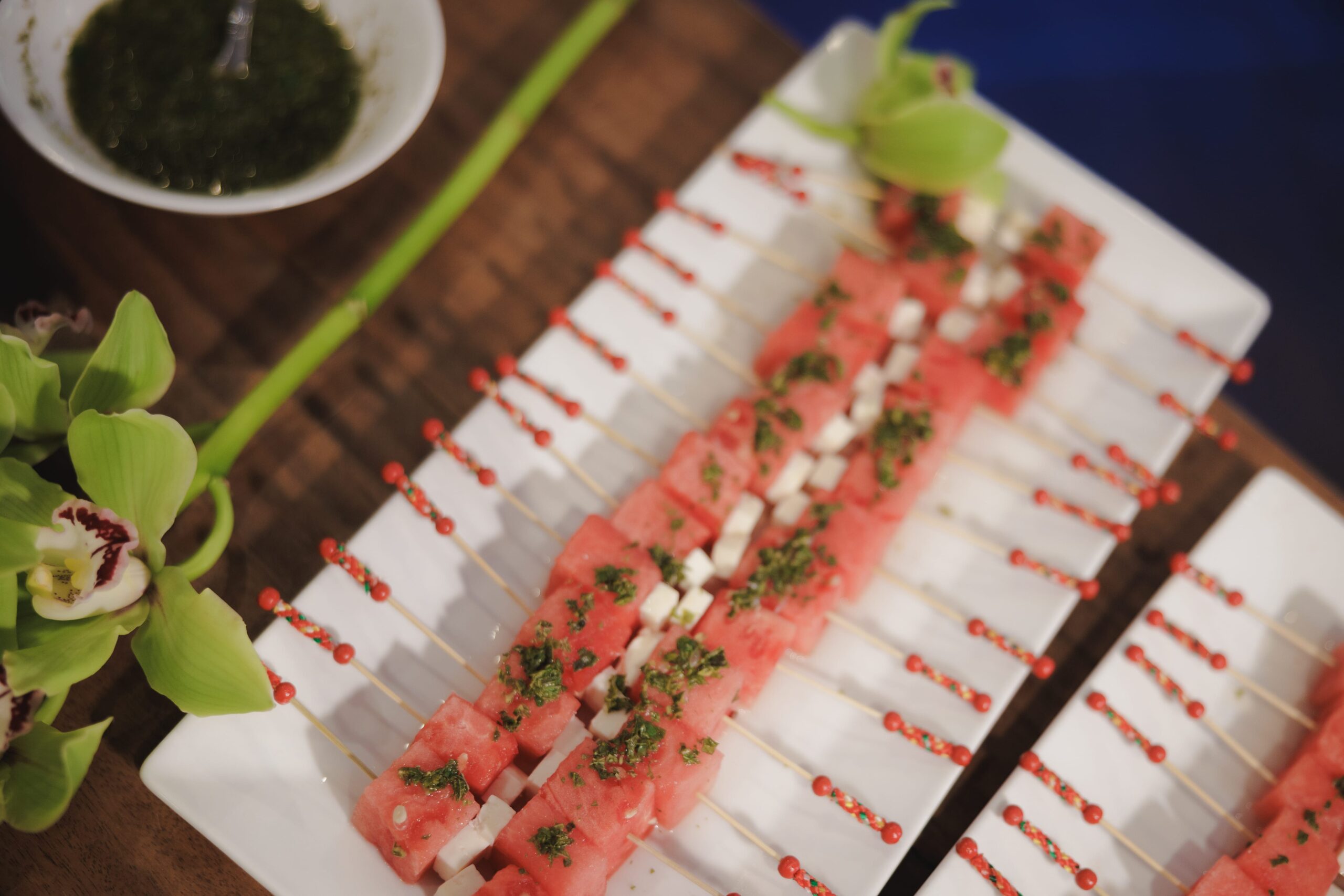
At an art museum reception, cuisine should have visual presence, but it must also be easy to enjoy while standing, speaking, and moving through the space. This is where chef-led planning makes a meaningful difference. The finest reception menus balance artistry with practicality.
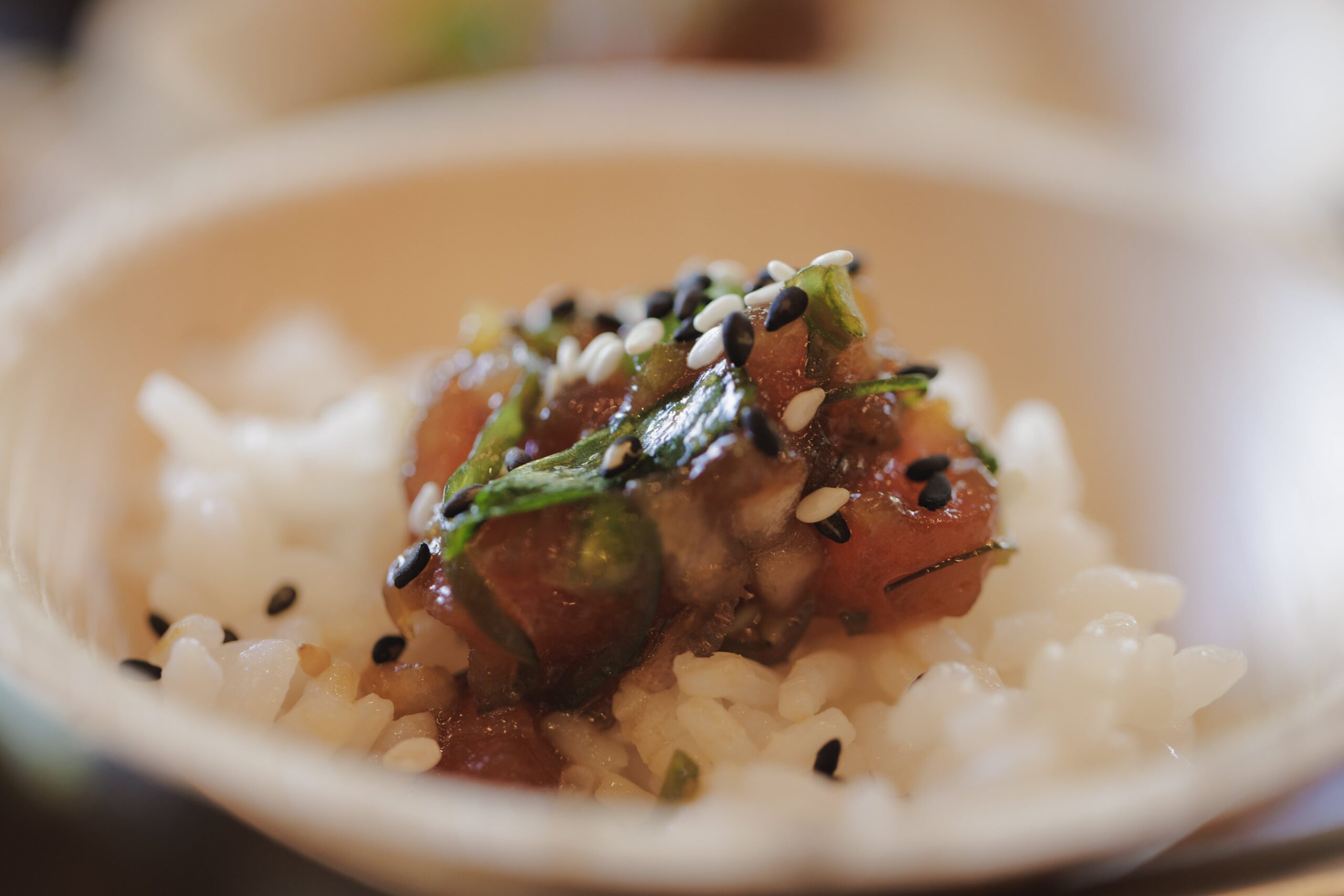
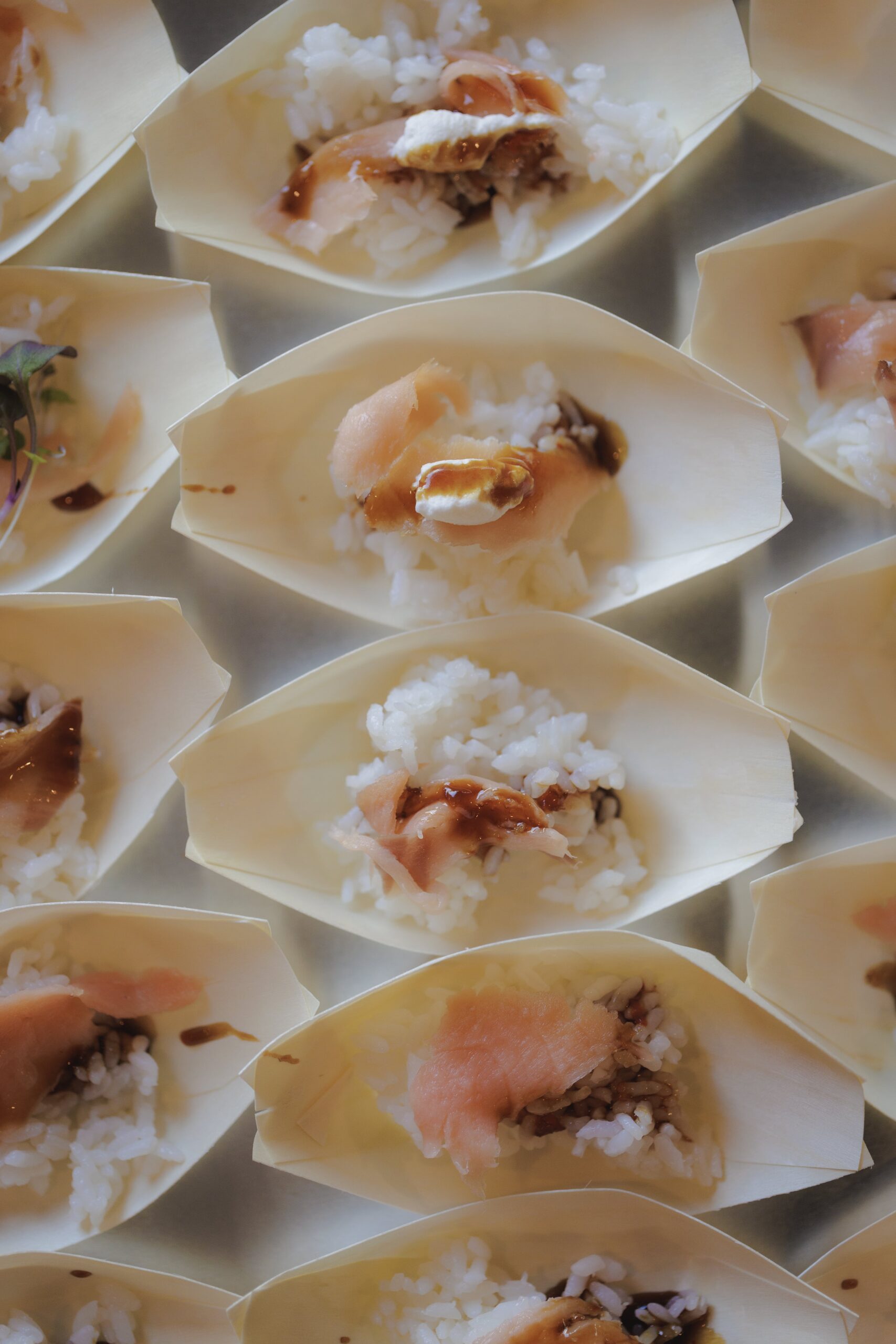
Passed hors d’oeuvres are often the foundation of the evening because they bring hospitality directly to guests. They should be elegant enough to complement the setting, yet composed for one or two effortless bites. Consider a mix of delicate seafood, seasonal vegetables, refined meats, and a vegetarian option that feels equally considered rather than secondary.
Food stations can bring dimension when the event has enough time and space. A station should feel curated, not crowded. Rather than creating an oversized buffet, select a few focused experiences with distinctive presentation: a Caribbean-inspired ceviche display, a carving station with thoughtful accompaniments, or an elevated plant-forward offering built around seasonal produce. The presentation should echo the sophistication of the museum while allowing guests to make simple, confident choices.
For a reception that bridges Puerto Rican culture and formal entertaining, flavor can become part of the evening’s identity. Local ingredients, traditional techniques, and familiar island notes can be interpreted with polish and restraint. The result is not a themed menu. It is a sense of place, expressed through exceptional culinary experiences that feel personal to the host and memorable to guests.
Plan for Dietary Needs With Equal Care
Luxury hospitality means no guest should feel like an afterthought. Ask for dietary information early, especially for corporate groups, destination weddings, and events with diverse guest lists. Gluten-free, vegetarian, vegan, and allergy-conscious selections should be integrated into the menu design from the beginning.
Clear coordination between the culinary team and service staff is essential. Guests with specific needs should receive the same composed presentation and attentive timing as everyone else. This is a small detail in planning, but it has an outsized effect on how cared for people feel.
Protect the Art While Preserving Hospitality
Museum receptions have operational considerations that private venues may not. Artwork, climate controls, loading access, approved vendors, installation windows, and restrictions on candles or open flames can influence the design. These are not limitations to work around at the last minute. They are the framework for a polished event.
Confirm where food and beverages may be served, whether red wine is permitted near certain galleries, and which equipment can be brought into the venue. Some spaces may require low-profile setups or carefully controlled routes for staff. Others may have defined guest capacities that affect your invitation list, bar placement, and furniture plan.
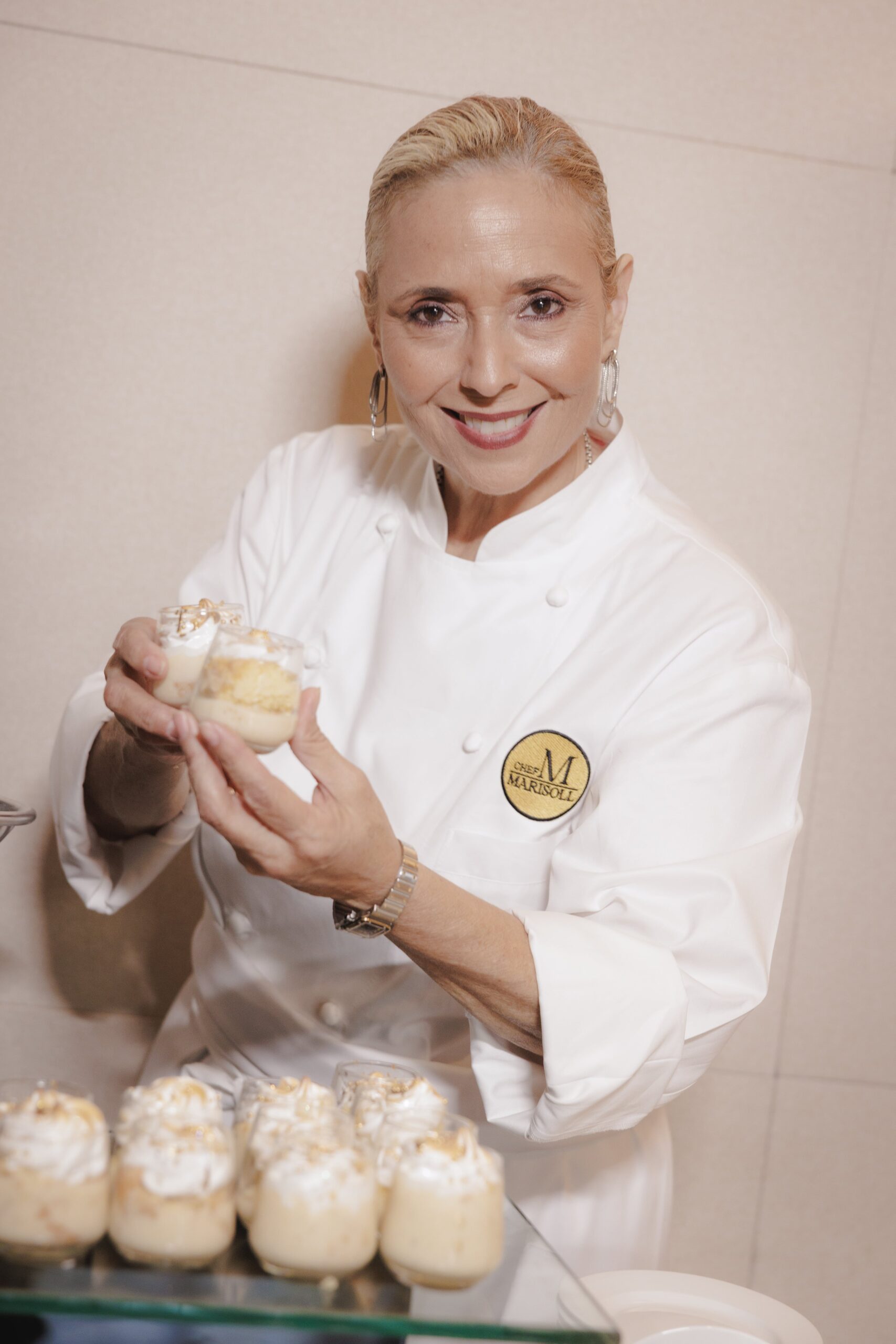
The best approach is collaboration. An experienced event team respects the museum’s protocols while finding elegant ways to deliver generous hospitality. At the Puerto Rico Museum of Art, Chef Marisoll Events brings this perspective to receptions in its exclusive private hall, where culinary artistry and cultural surroundings can be thoughtfully aligned.
Choose Service That Supports Conversation
Service style has a powerful effect on the energy of a museum reception. For a formal donor event or executive gathering, circulating servers with passed canapés and wine service can keep the room polished and fluid. For a more relaxed celebration, a combination of stations and passed bites may encourage guests to linger and connect.
The bar deserves equal attention. Long lines can interrupt the mood of an otherwise exquisite evening, while an overly complex cocktail menu can slow service. A concise selection of signature cocktails, quality wine, sparkling wine, and nonalcoholic options usually provides the best balance. A visually compelling bar presentation can also serve as a focal point without overwhelming the venue’s architecture.
Staff presence should be warm, precise, and observant. Guests should never have to search for a napkin, a fresh drink, or guidance to a culinary station. At the same time, the service team should understand that the artwork and the guests remain at the center of the room.
Add Meaning Without Overdesigning
Museum receptions benefit from editing. When the setting is already rich with color, form, and cultural significance, too many decorative gestures can make the evening feel busy. Select a few elements that reinforce the event’s purpose: a thoughtful floral palette, elevated linens, menu cards, soft lighting where permitted, or music that sets a welcoming tone without overtaking conversation.
If the occasion includes remarks, an artist recognition, a philanthropic announcement, or a brand presentation, plan the transition carefully. Guests need a subtle cue that the program is beginning. Pause food service briefly if appropriate, ensure drinks are refreshed beforehand, and keep the speaking portion focused. In a space created for visual attention, a concise program is usually the most effective one.
Give Guests a Reason to Stay Present
The strongest museum receptions do not rely on spectacle alone. They create a setting in which guests feel welcomed, interested, and genuinely connected to the occasion. That may come from a beautifully prepared bite inspired by the island, a conversation sparked by a nearby painting, or the confidence of knowing every detail has been handled with care.
When planning your reception, choose the details that invite guests to slow down and enjoy where they are. In a museum, that attention is the most elegant gesture a host can offer.