A beautiful menu can lose some of its magic when a guest waits too long for a drink, a plate arrives cool, or a table is overlooked during a toast. That is why the question of how many servers for weddings deserves more than a simple guest-count formula. The right service team protects the rhythm of the celebration, allowing every course, conversation, and meaningful moment to unfold with grace.
For an elevated wedding, staffing is not just an operational detail. It is part of the experience. A thoughtfully sized team brings calm to a busy room, anticipates guest needs, and creates the polished, attentive atmosphere couples envision when planning an exceptional celebration in Puerto Rico.
How Many Servers for Weddings? Start With Service Style
The most useful staffing guideline begins with the dinner format. A plated, multi-course reception requires more hands than a buffet, while an elaborate cocktail hour may call for a larger front-of-house team than the dinner itself. The guest count matters, but the way food and beverages move through the event matters even more.
For a plated dinner, a common standard is one server for every 10 to 15 guests. At a wedding of 120 guests, that often means eight to 12 dinner servers, depending on the menu, table layout, and desired pace of service. A formal meal with a bread service, individually plated appetizer, entrée, wine service, and dessert naturally sits closer to the higher end of that range.
For buffet service, one server for every 20 to 25 guests can be appropriate when the buffet is designed for efficient flow and has sufficient stations. This ratio does not mean service becomes less elegant. Attendants can welcome guests to the buffet, maintain its pristine presentation, replenish dishes, clear tables promptly, and assist anyone who needs extra attention. For 120 guests, five to seven dining room servers may be suitable, with culinary staff dedicated to the buffet itself.
Food stations are more interactive and often more labor-intensive than they appear. A chef-attended carving station, fresh pasta station, ceviche display, or Puerto Rican-inspired specialty station requires skilled personnel who can serve portions, maintain presentation, and keep lines moving. The number of stations, rather than the guest count alone, becomes a central part of the staffing plan.
The Ratios That Shape an Elevated Reception
A wedding service team is made up of more than servers circulating in the dining room. A complete plan may include captains, bartenders, bussers, runners, hosts, culinary staff, and event leadership. Each role keeps the guest experience feeling effortless.
A service captain or banquet captain is especially valuable for weddings of 75 guests or more, and essential for a complex reception. This person directs the team, communicates with the kitchen and planner, manages timing, and resolves small concerns before they reach the couple. For larger celebrations, a captain for every 50 to 75 guests can offer stronger oversight, particularly when there are multiple rooms, a large tent, or a detailed timeline.
Bartending should be planned separately from meal service. For a full open bar, one bartender for every 50 to 75 guests is a comfortable starting point. A signature cocktail that must be shaken or assembled to order, a champagne welcome, or a high-volume cocktail hour may call for additional bartenders or a dedicated barback. No couple wants their guests missing the first dance because the bar line is too long.
Bussers and runners are equally important behind the scenes. They clear glassware and plates, reset spaces between courses, replenish water, and support the servers during concentrated service periods. For a formal seated dinner, a support staff member for every 25 to 40 guests is often appropriate. Their work is subtle, yet it is what keeps tables looking immaculate and the evening moving at the right tempo.
Why the Menu Changes the Staffing Equation
A simple plated entrée and a culinary journey of passed hors d’oeuvres, a seated tasting menu, paired wines, and late-night bites should not be staffed the same way. Menu complexity has a direct effect on the number of hands required in both the kitchen and dining room.
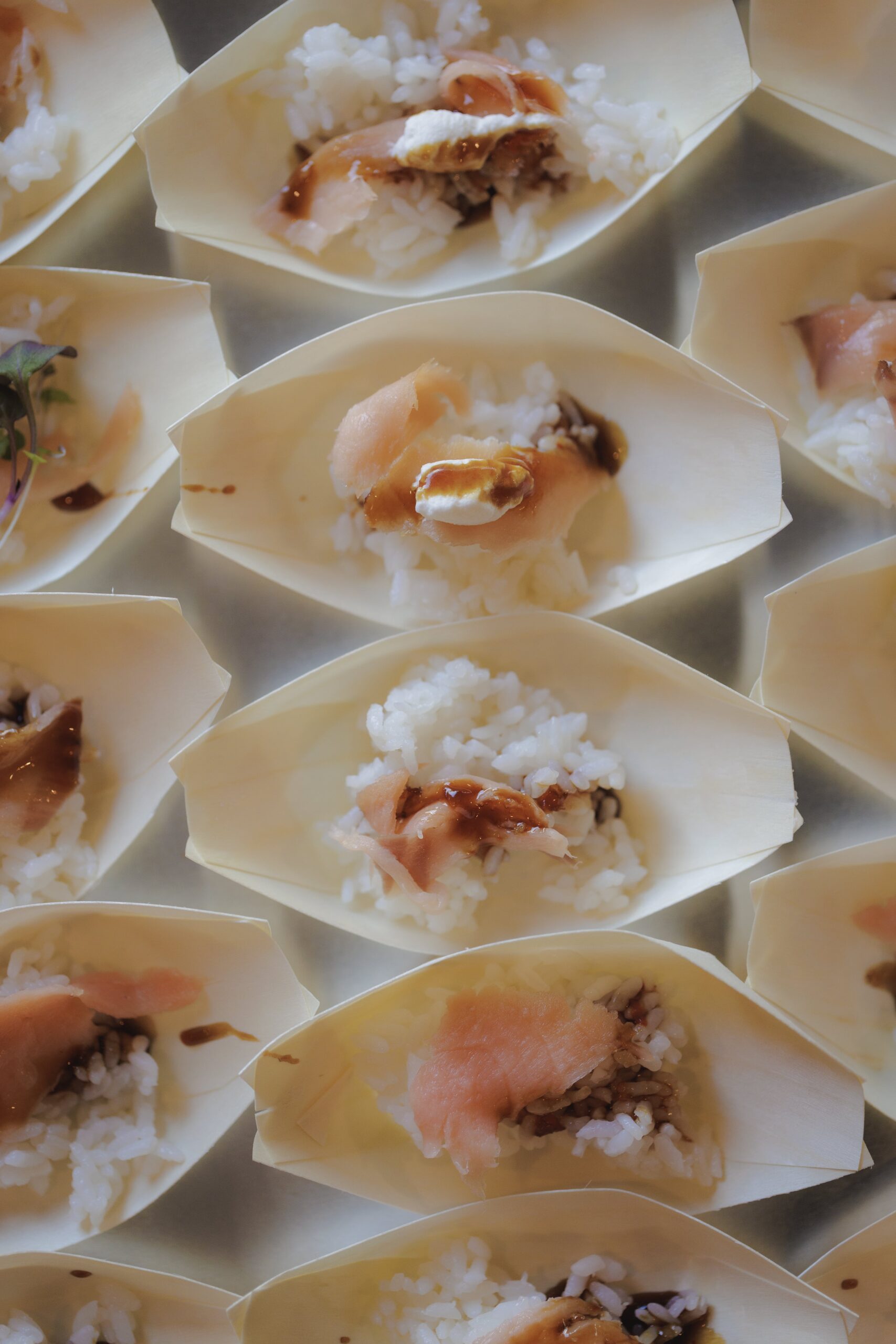
Passed hors d’oeuvres are a prime example. For a lively cocktail hour, one server can generally circulate effectively with 25 to 35 guests. If there are several distinct bites, a specialty cocktail, and guests gathered across a terrace, gallery, or garden, more attendants will provide better reach. The goal is not merely to carry trays. It is to ensure guests feel welcomed from the first moments of the celebration.
Dietary accommodations also deserve careful consideration. When several guests require vegetarian, vegan, gluten-free, or allergy-conscious meals, the team needs an organized system for placing the right plate before the right guest. This is where experienced service matters. A smaller team may be able to serve the room, but a properly staffed team can do so with precision and discretion.
Family-style dining presents another distinct scenario. Although platters are placed at the table, this format still requires attentive staffing for timely placement, replenishment, clearing, and portion adjustments. It creates warmth and generosity, but it should not be mistaken for a low-service option.
Consider the Venue, Timeline, and Guest Experience
The layout of a venue can change a staffing recommendation significantly. A compact ballroom is easier to serve than a reception spread across indoor galleries, terraces, and outdoor spaces. Stairs, long distances from the kitchen, limited elevators, or a separate cocktail-hour location all add time to each service movement.
At a destination wedding, timing can be especially layered. Guests may arrive after travel, a ceremony may begin later due to golden-hour light, and the couple may want to extend the cocktail hour for photographs. The service team must have enough coverage to accommodate those shifts without making guests feel as though they are waiting between moments.
A private hall within the Puerto Rico Museum of Art, for example, calls for a plan that respects both the elegance of the setting and the flow between event spaces. The right staffing level allows the team to maintain a refined presentation while guiding guests naturally from welcome cocktails to dinner and dancing.
It is also wise to consider the age and needs of the guest list. A celebration with many older relatives, young children, or guests who need mobility assistance benefits from more attentive service. Extra staff can offer water, assist with seating, and make sure every guest is included in the dining experience without drawing attention to the accommodation.
A Practical Planning Example
Imagine a 150-guest wedding with a 60-minute cocktail hour, passed hors d’oeuvres, a full bar, and a three-course plated dinner. A thoughtful service plan might include 12 to 15 dinner servers, two banquet captains, three bartenders, two barbacks or beverage support staff, and four to six bussers or runners. The culinary team would be sized separately according to the menu and finishing requirements.
That number may rise if the couple chooses chef-attended stations during cocktail hour, tables in more than one area, wine poured with each course, or a late-night food moment. It may be slightly lower for a concise buffet dinner in one easy-to-navigate room. Neither approach is automatically better. The right choice reflects the kind of hospitality the couple wants their guests to remember.
Avoid Staffing Only for the Minimum
A minimum staffing model can look attractive on paper, but it rarely creates a luxury experience. It leaves little room for an unexpected timeline change, a surge at the bar, a delayed course, or a guest who needs personal assistance. More importantly, it can place the service team in a position of reacting rather than anticipating.
The best staffing plan balances efficiency with generosity. Guests should not have to search for a server to refresh their water, wonder when dinner will arrive, or feel hurried through a meaningful meal. At the same time, an oversized team can make an intimate celebration feel overly formal or crowded. Experienced event professionals calibrate the team to the room, menu, and atmosphere rather than applying a single ratio to every wedding.
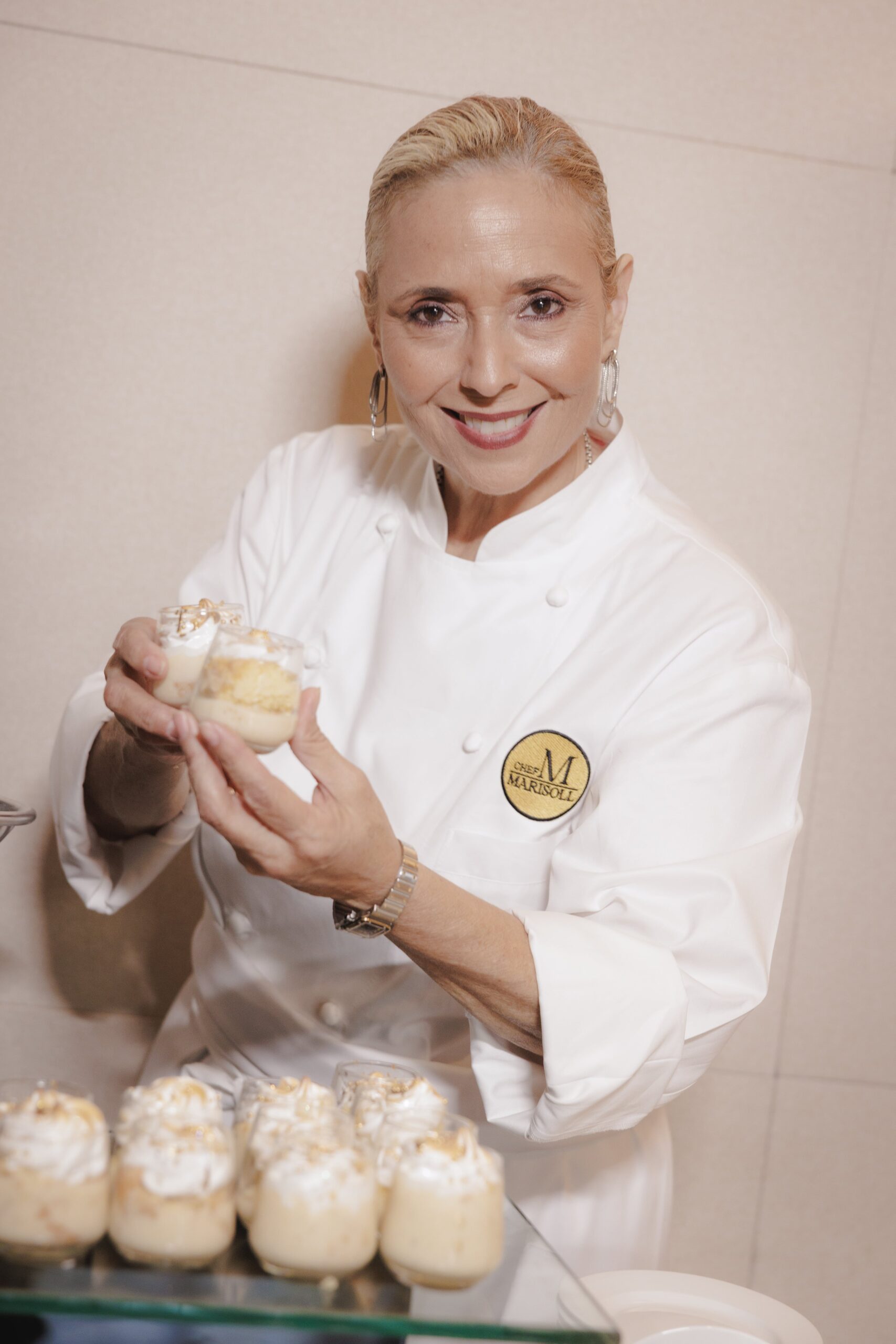
At Chef Marisoll Events, staffing is considered alongside the menu design, venue flow, celebration style, and personal priorities of the couple. This full-service perspective is what turns careful logistics into gracious hospitality.
When planning your wedding, ask your catering partner not only how many servers they recommend, but why. Their answer should reflect your guest count, meal format, venue, timeline, and the level of attention you want every guest to feel. A well-staffed reception gives you something more valuable than efficiency: the freedom to be fully present for the celebration you have thoughtfully created.