A plated entrée can be beautifully prepared and still feel forgettable if it has no connection to the occasion. That is the real distinction in the chef curated menu vs standard catering conversation: one approach serves a crowd efficiently, while the other helps tell the story of your celebration through food, presentation, and hospitality.
For a destination wedding in Puerto Rico, a boardroom dinner, or an intimate milestone gathering, the menu does more than satisfy appetites. It sets the pace of the evening, reflects the hosts’ point of view, and gives guests something meaningful to remember long after the final toast.
Chef Curated Menu vs Standard Catering: The Core Difference
Standard catering is built around pre-established packages. A client selects from a familiar set of appetizers, entrées, sides, desserts, and service formats. This can be a practical choice for casual events with straightforward needs, especially when speed of planning and predictable pricing are the primary goals.
A chef curated menu begins with a different question: What should this event feel like? Rather than starting with a fixed package, the chef and event team consider the guest list, setting, occasion, season, service style, and personal preferences. The resulting menu is composed to feel intentional, from the first passed bite to the final course.
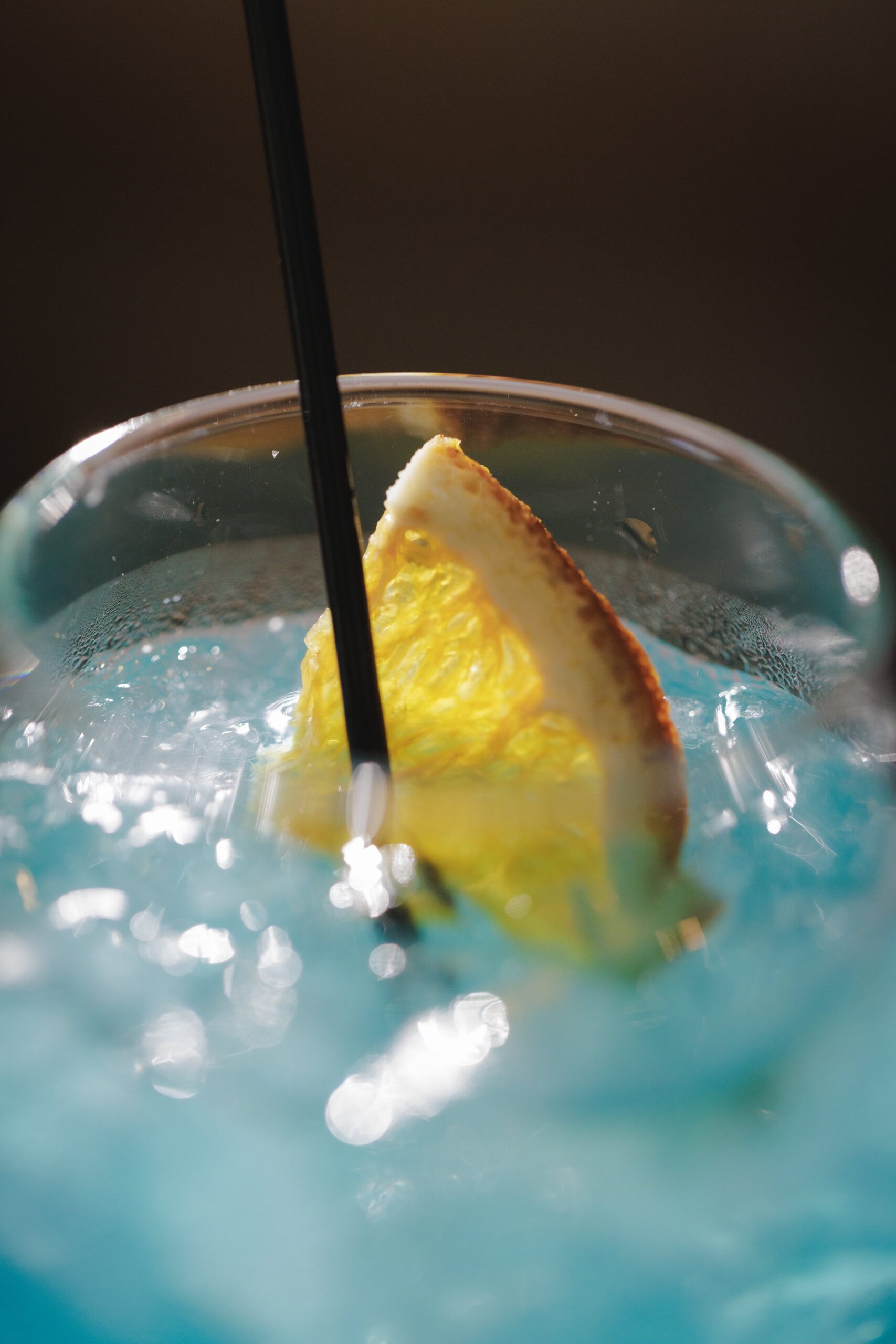
The distinction is not simply whether a dish is listed on a menu. It is the degree of thought behind the complete experience. A chef-led approach considers how a bright cocktail reception transitions into dinner, how a local ingredient can add a sense of place, and how each course will look as it arrives at the table.
When Standard Catering Is a Sensible Choice
There is a place for standard catering. For an informal office lunch, a large community gathering, or a casual celebration with a limited planning window, a well-executed package can offer clarity and convenience. Guests may be happiest with approachable favorites served generously and on time.
The trade-off is that standard menus are designed to work for many occasions, rather than one specific occasion. There may be less flexibility in ingredients, presentation, timing, and the balance of the menu. Accommodations for allergies or dietary preferences may be available, but they are often handled as exceptions instead of being thoughtfully integrated into the overall experience.
This approach can also make it harder to create a strong connection between the food and the event environment. At a distinctive venue, for example, a familiar buffet may be perfectly pleasant but may not fully reflect the sophistication of the setting or the significance of the gathering.
What a Chef Curated Menu Brings to the Table
A chef curated menu is not about making every course complicated. It is about making every choice purposeful. A refined menu can feel generous, welcoming, and deeply personal while maintaining the precision expected at a high-touch event.
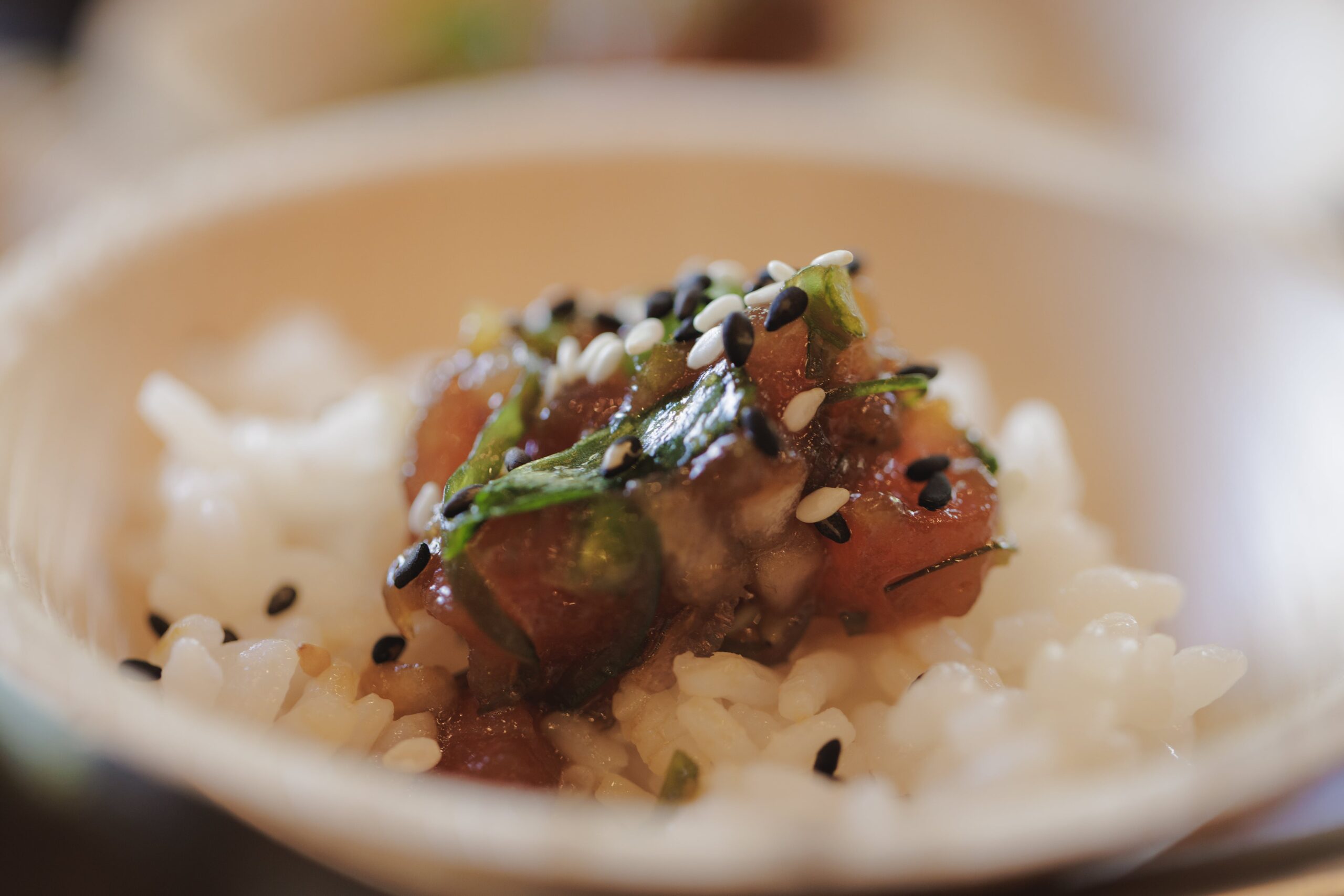
For couples hosting a wedding in Puerto Rico, that might mean incorporating island flavors in an elevated, restrained way: a local fruit in a cocktail accompaniment, a polished interpretation of a beloved traditional ingredient, or a late-night bite that feels familiar to family while delighting guests traveling from abroad. For a corporate reception, it may mean food stations designed to encourage conversation without interrupting the program. For a private dinner, it may mean a paced, plated menu that mirrors the intimacy of the guest list.
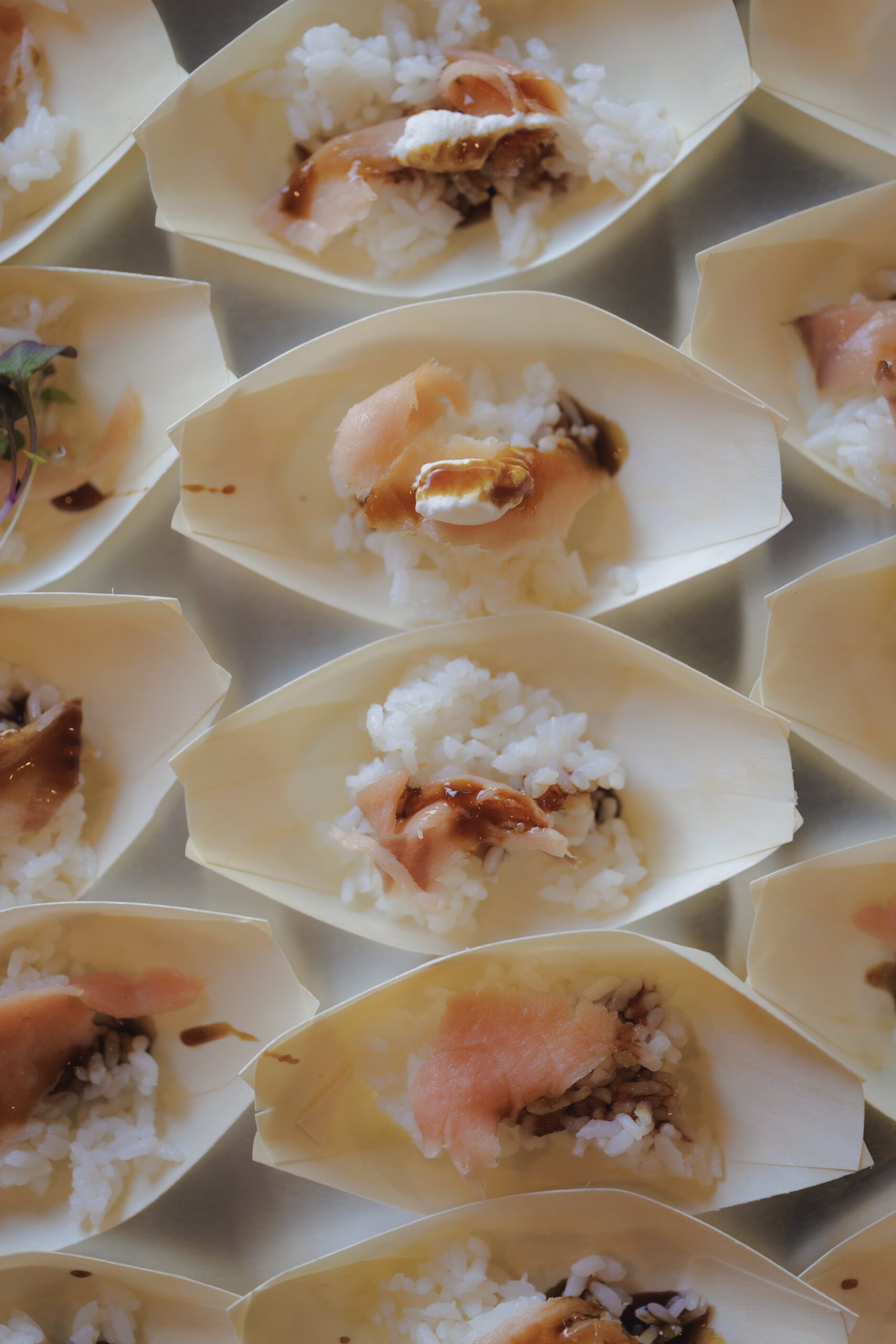
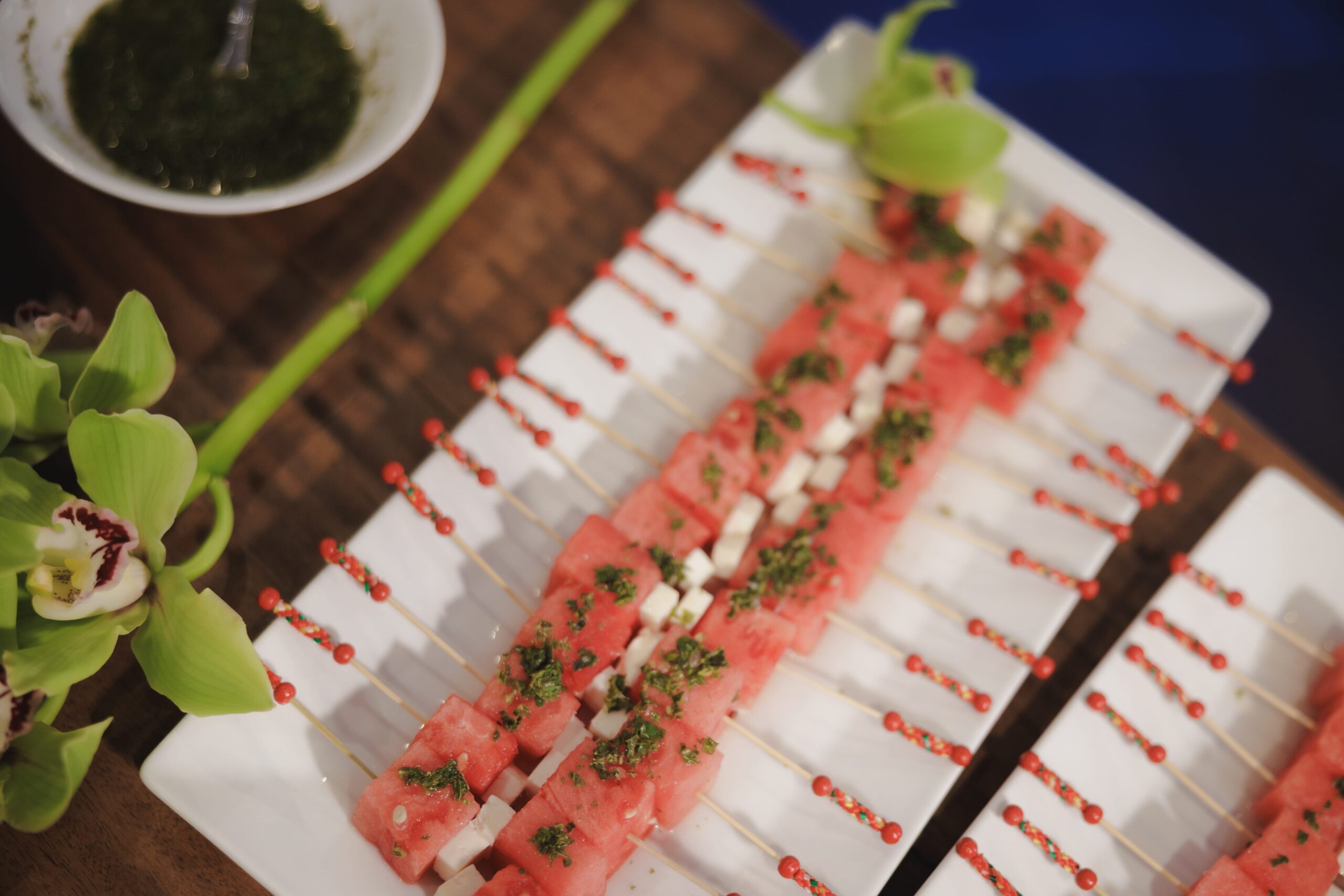
Chef curation also creates a more cohesive visual experience. Color, texture, serving pieces, garnishes, and plate composition can complement the floral design, room palette, and formality of the evening. Food becomes part of the atmosphere, not merely a scheduled component of it.
Personalization That Guests Can Feel
Personalization is often misunderstood as adding a client’s favorite dish to an otherwise fixed menu. Genuine customization goes further. It considers who will be in the room and what will make them feel cared for.
A host may want a menu that honors family heritage without becoming overly literal. Another may be planning for guests with vegetarian, gluten-free, or allergy-sensitive needs. A thoughtful chef-led menu can build those considerations in from the beginning, so no guest feels like an afterthought.
This is especially valuable for destination events. Guests arriving in Puerto Rico should experience a sense of place, but hosts may also want familiar points of reference for a diverse group. The right menu can strike that balance with confidence and warmth.
Service Is Part of the Menu
The quality of food matters, but the way it is served shapes the guest experience just as strongly. A chef curated menu is designed alongside its service style. Plated service creates an elegant rhythm for formal dinners and speeches. A refined buffet can offer abundance while preserving polished presentation. Food stations may bring energy and interaction to a cocktail-forward celebration.
The best format depends on the event, not on a single rule. A wedding with a formal ceremony and a lively late-night reception may call for more than one style of service throughout the evening. An executive event may benefit from a composed lunch that keeps timing precise. A private anniversary dinner may deserve the quiet ceremony of individually plated courses.
When the menu and service plan are developed together, transitions feel natural, staffing is appropriately considered, and guests are never left wondering where to go or what happens next.
How to Decide Which Approach Fits Your Event
The right choice usually becomes clearer when you look beyond the food itself. Consider the importance of the occasion, the expectations of your guests, the character of the venue, and the role hospitality plays in your vision.
A standard menu may be enough if the meal is functional and the event is relaxed. A chef curated menu is often the stronger investment when food will be part of the memory: a wedding reception where families are meeting for the first time, a VIP gathering that reflects your organization’s standards, or a milestone celebration where every detail deserves care.
Budget naturally matters as well. Customized culinary experiences can require more planning, specialized sourcing, service coordination, and presentation detail. Yet value should be measured in more than the price per guest. Consider what is included in the experience: expert guidance, menu design, guest accommodations, polished execution, and the assurance that the dining experience supports the event rather than competing with it.
Questions Worth Asking Your Caterer
Before choosing a catering partner, ask how the menu is developed and who is involved in that process. Learn whether the team begins with your event vision or directs you immediately to a package. Ask how dietary needs are handled, how service timing is planned, and whether the menu can reflect the season and the location.
It is also wise to discuss the guest experience in concrete terms. Will guests be seated, circulating, or moving between spaces? Are there speeches, performances, or cultural traditions to accommodate? What should the room feel like when dinner begins? An experienced culinary team will welcome these questions because they shape better decisions from the start.
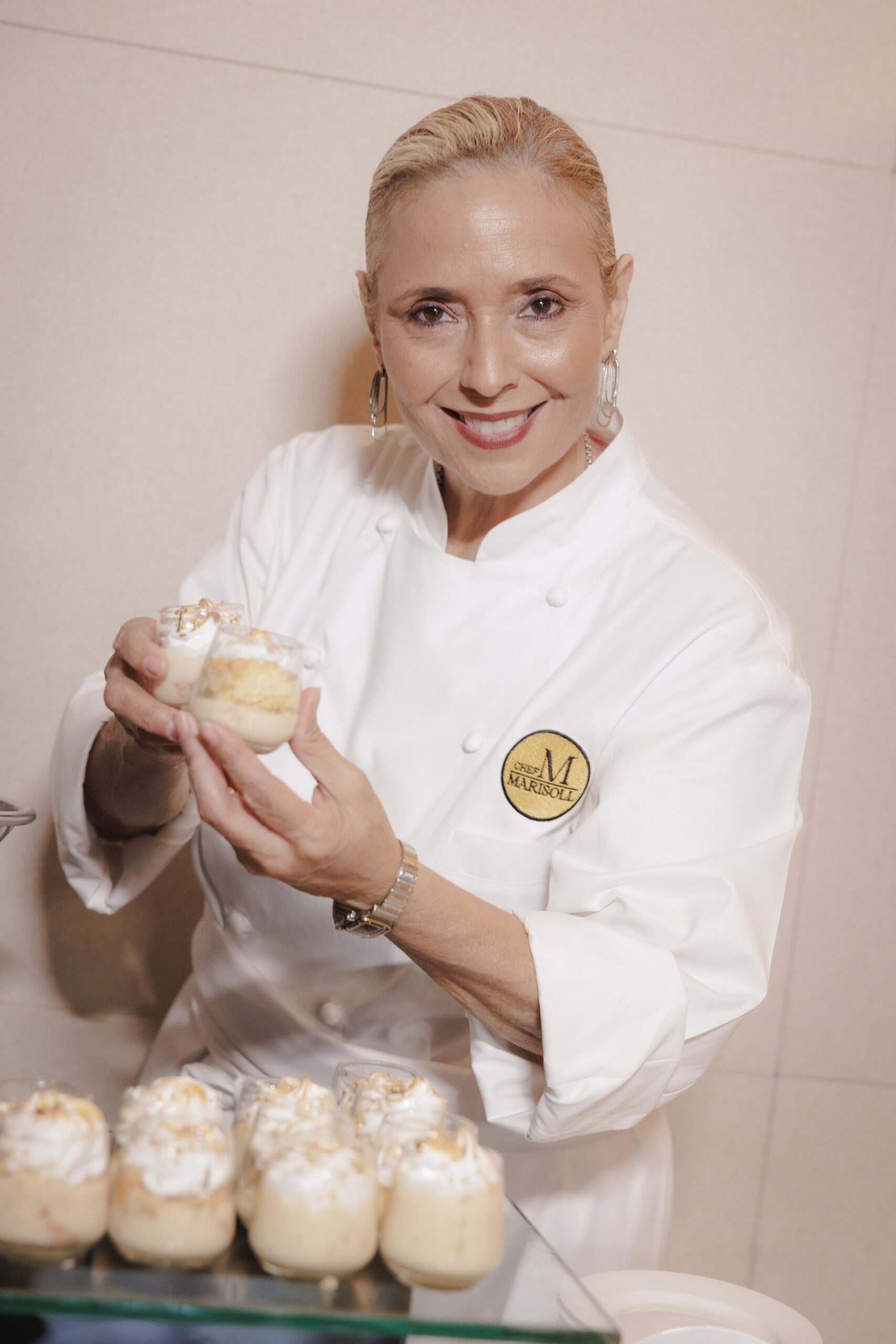
At Chef Marisoll Events, menu design is approached as an expression of hospitality, shaped by more than four decades of experience and a deep appreciation for Puerto Rico’s culinary character. The goal is not simply to offer impressive food. It is to create an occasion that feels considered, gracious, and unmistakably yours.
When you begin planning an important gathering, start with the feeling you want guests to carry home. The right menu will give that feeling a flavor, a sense of place, and a lasting place in the celebration.