A Puerto Rico wedding menu should do more than feed the room. It should give guests a sense of place from the first passed bite to the final late-night treat, while reflecting the couple’s own style of celebration. For a destination wedding especially, the menu becomes one of the most memorable introductions to the island: generous, vibrant, beautifully presented, and designed with genuine hospitality.
The most successful wedding menus do not try to include every beloved Puerto Rican dish at once. They choose a thoughtful culinary direction, honor local flavor with refinement, and build a dining experience that feels effortless for guests. Whether your reception is held in an art-filled private hall, beneath palms, or overlooking the coast, the menu should belong to the setting.
Start With the Feeling You Want Guests to Remember
Before selecting entrées, consider the atmosphere you want to create. A black-tie evening calls for a different approach than an intimate garden dinner or a lively celebration that moves from cocktail hour to dancing late into the night. The right menu format supports that rhythm.
A plated dinner brings ceremony and polish. Guests are welcomed to the table, courses arrive with careful timing, and the presentation becomes part of the visual language of the evening. This format is especially fitting for couples who value an elegant, composed reception and want to create a clear moment of shared celebration.
Food stations offer a more social, exploratory experience. They can be exceptionally refined when each station has a distinct purpose, attentive staffing, and beautiful styling. Rather than a standard buffet, imagine a curated progression: a seafood display with local citrus accents, a chef-attended carving station, or a mofongo station prepared with elevated accompaniments. For a guest list that includes travelers from different places, stations can feel welcoming and interactive without losing sophistication.
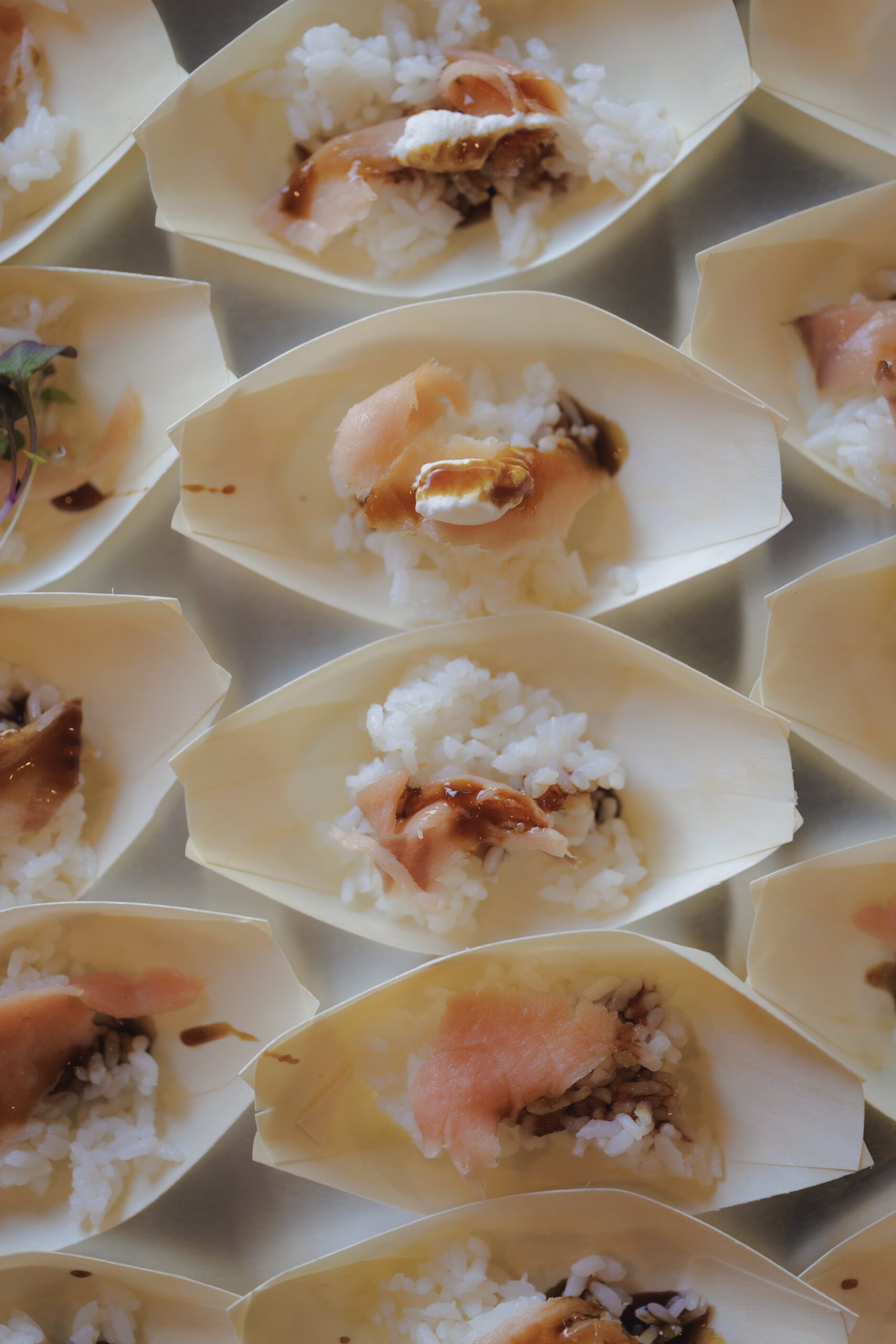
A cocktail-style reception may be ideal for a shorter celebration, a welcome event, or couples who want the evening to feel fluid and conversational. Passed hors d’oeuvres, composed small plates, and a few substantial culinary moments keep the experience generous while allowing guests to circulate. The choice depends on your vision, guest count, venue layout, and timeline. There is no single correct format, only the one that serves your celebration best.
Build a Puerto Rico Wedding Menu Around Island Flavor
Puerto Rican cuisine has a natural place in luxury wedding dining because it is rooted in ingredients and traditions that already feel celebratory: plantains, tropical fruit, fresh seafood, fragrant herbs, slow-cooked meats, and rich sauces. The artistry lies in honoring those flavors without turning the meal into a collection of clichés.
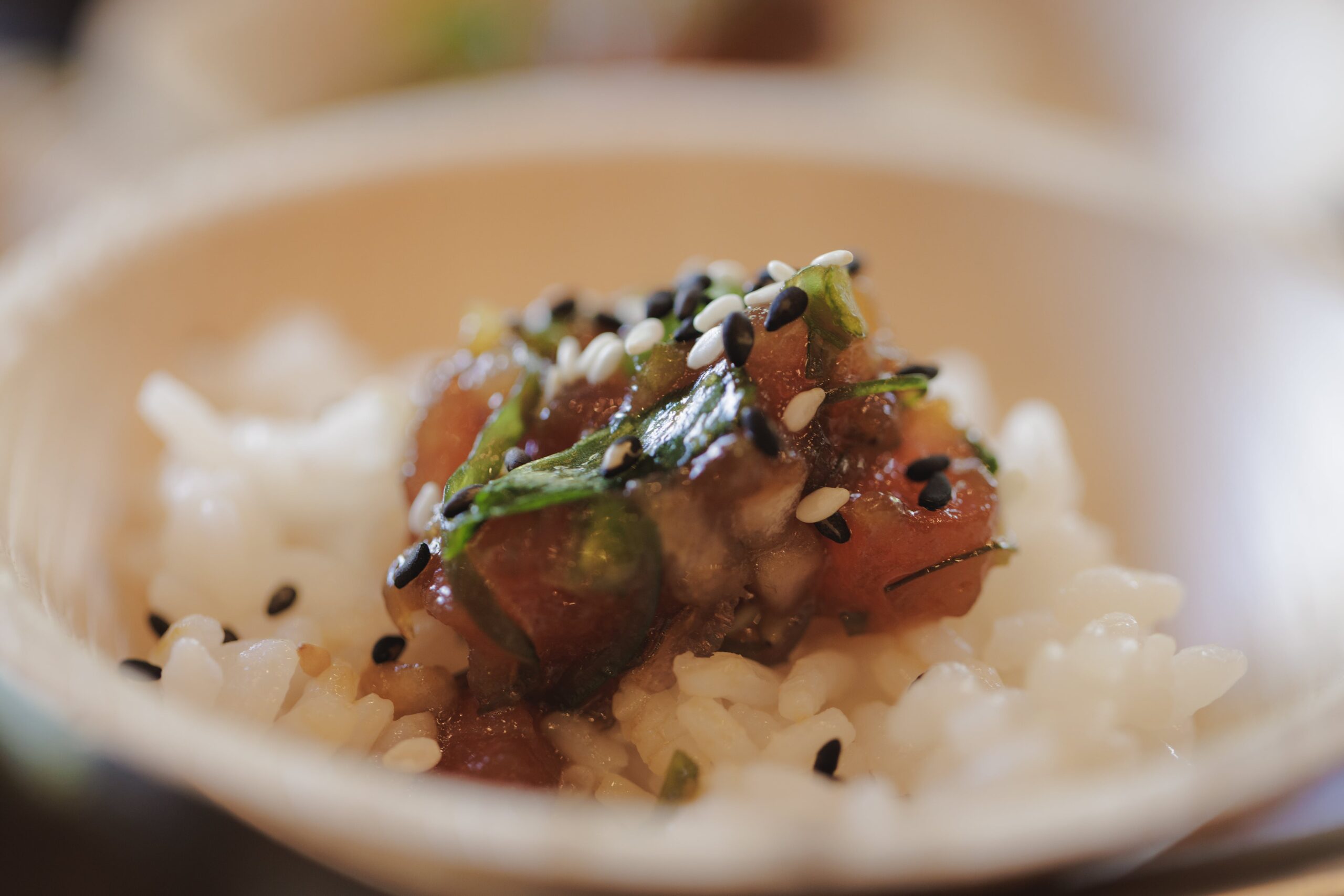
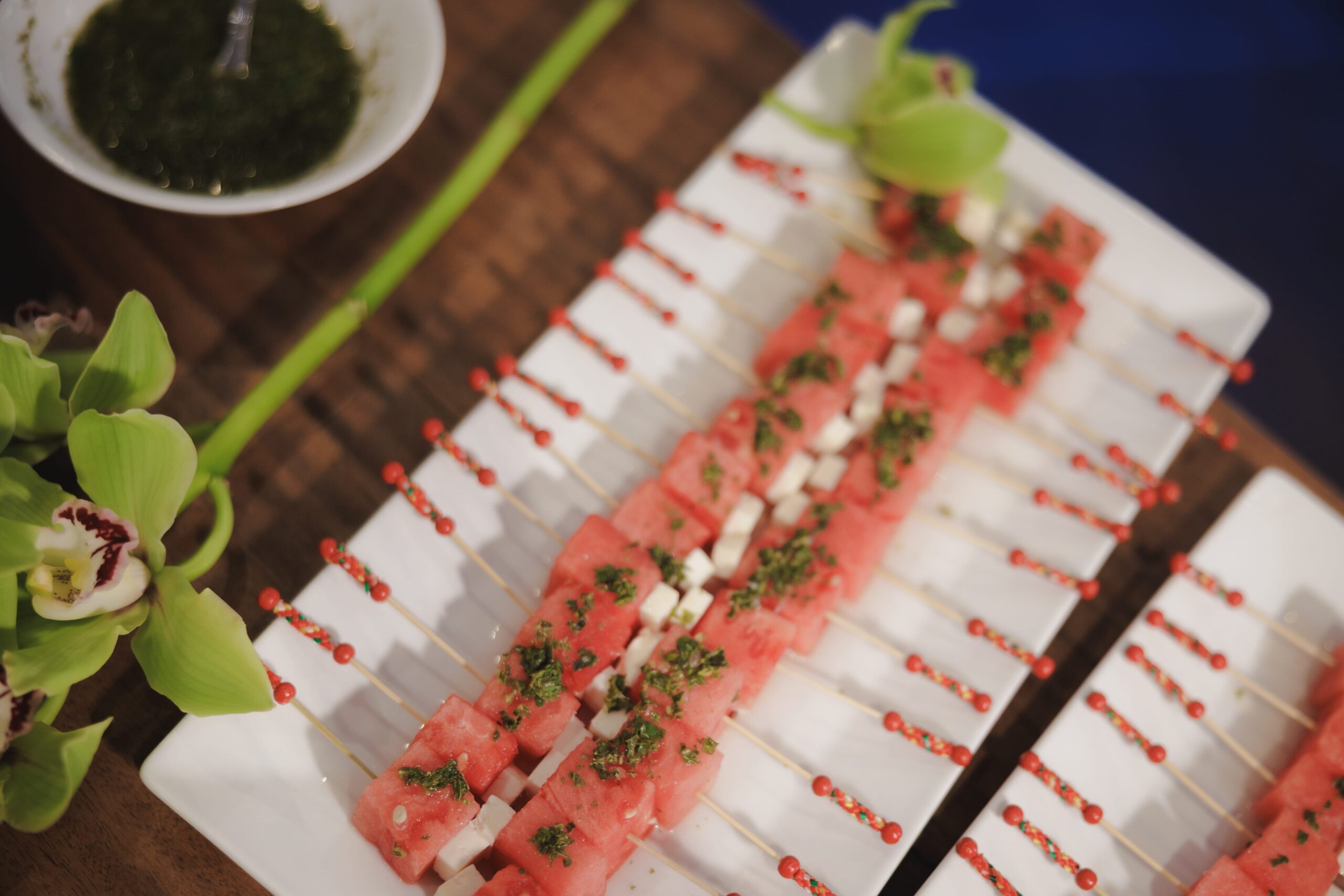
During cocktail hour, a classic influence can be expressed in unexpected ways. Think crisp bacalaitos served in a refined bite-size presentation, tostones topped with citrus-marinated seafood, or pastelillo-inspired hors d’oeuvres with carefully balanced fillings. A local cheese selection paired with tropical preserves can provide a graceful bridge between familiar flavors and the island’s culinary identity.
For dinner, the menu might feature red snapper with a bright herb sauce, tender short rib with a savory island-inspired glaze, or chicken enhanced by sofrito, citrus, and seasonal produce. Mofongo can become an elegant accompaniment when shaped and plated with intention, while root vegetables, roasted plantains, and market greens bring color and texture to the plate.
The goal is not to make every course intensely traditional. A menu with too many rich or similar flavors can feel heavy, particularly in Puerto Rico’s warm climate. Contrast is what gives the meal its rhythm: a fresh first course, a satisfying entrée, a vibrant vegetable element, and a dessert that feels celebratory without overwhelming the palate.
Let the Season Guide the Details
Puerto Rico’s year-round warmth offers access to ingredients that can make a wedding menu feel fresh and distinctive. Mango, pineapple, passion fruit, coconut, avocado, and local citrus can bring brightness to sauces, salads, desserts, and signature beverages. Their best use is often subtle. A passion fruit accent in a dessert or a pineapple component alongside savory seafood can be more memorable than an overly sweet tropical theme.
Seasonality also affects practical choices. At an outdoor reception, lighter passed bites and chilled first courses may be more comfortable than a menu centered on rich, heavy dishes. For evening celebrations in a climate-controlled venue, a more formal, multi-course dinner can feel entirely appropriate. An experienced culinary team will help balance beauty with the realities of temperature, travel time, and service flow.
Give Every Guest a Place at the Table
An elevated menu feels personal when every guest can enjoy it with confidence. Dietary accommodations should be considered early, not treated as an afterthought in the final week of planning. Vegetarian, vegan, gluten-conscious, dairy-free, kosher-style, and allergy-sensitive needs can all be addressed with dishes that feel intentionally designed rather than substituted at the last minute.
This matters particularly for destination weddings. Your guest list may bring together family members with different cultural preferences, dietary practices, and comfort levels with unfamiliar ingredients. A thoughtful menu can introduce Puerto Rican flavor while still offering recognizable choices. For example, a seafood-forward cocktail hour can be balanced with a vegetable-forward option, and a plated dinner can offer a polished vegetarian entrée that receives the same attention to composition and flavor as the main selections.
Clear planning also protects the guest experience. Your caterer should understand who requires a special meal, how that meal will be identified discreetly, and how service staff will deliver it accurately. Luxury is often found in these quiet details: a guest never has to ask twice, explain an allergy at the table, or feel that their needs have interrupted the evening.
Design the Menu as a Complete Experience
A wedding meal is not simply a sequence of dishes. It is part of the evening’s pacing. Cocktail hour should feel abundant enough to welcome guests without replacing dinner. The main meal should arrive at a moment when guests are ready to settle in, listen to toasts, and enjoy the room. Dessert should create a sense of occasion, then make space for celebration to continue.
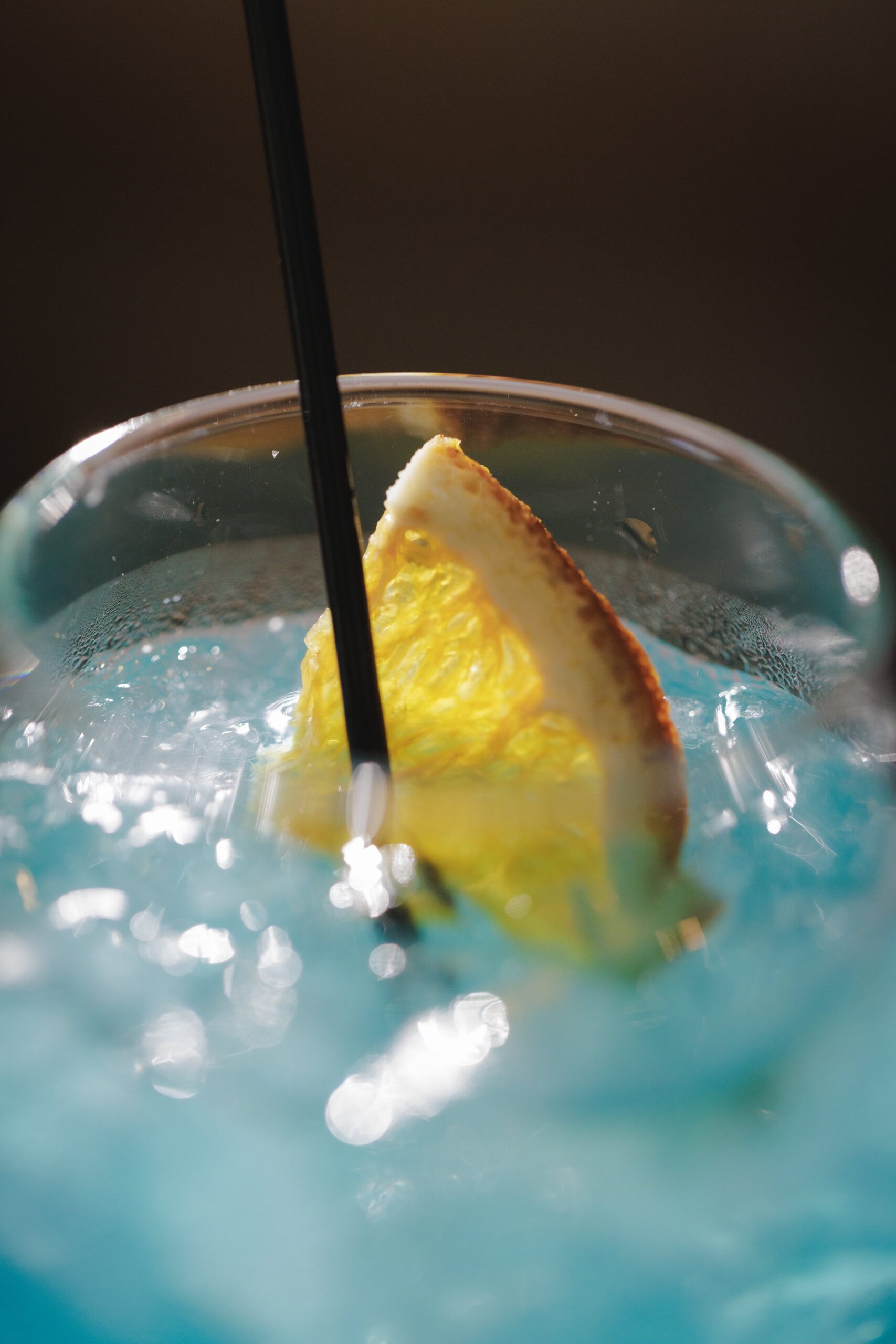
Beverages deserve the same level of attention. A signature cocktail can reference Puerto Rico with restraint, perhaps using local rum, fresh citrus, or tropical fruit, while a well-selected wine pairing gives a plated dinner additional dimension. Nonalcoholic offerings should feel equally considered. Sparkling fruit refreshers, herb-infused waters, and sophisticated zero-proof cocktails allow every guest to participate in the toast.
Late-night service can be an especially joyful finishing touch if your timeline includes dancing. Rather than repeating cocktail-hour items, choose something comforting and easy to enjoy between songs. Mini sandwiches, elegant fritters, or a small savory bite inspired by local street-food favorites can bring energy back into the room. It is not essential for every wedding, but for a reception that extends late, it is often deeply appreciated.
Match Service Style to Your Venue and Guest Count
The most beautiful menu can lose impact if service is not planned around the room. A plated dinner requires a realistic kitchen-to-table strategy, enough trained staff, and a timeline that allows every guest to be served with grace. Food stations require placement that prevents crowding and encourages natural movement. At a historic or artistic venue, the presentation should complement the architecture and atmosphere rather than compete with it.
For intimate weddings, chef-led moments can create warmth and connection. For larger receptions, an efficient service plan becomes essential to preserving the feeling of ease. Couples should ask not only what will be served, but how the food will arrive, how long each course will take, and how the culinary team will coordinate with the planner, florist, entertainment, and venue team.
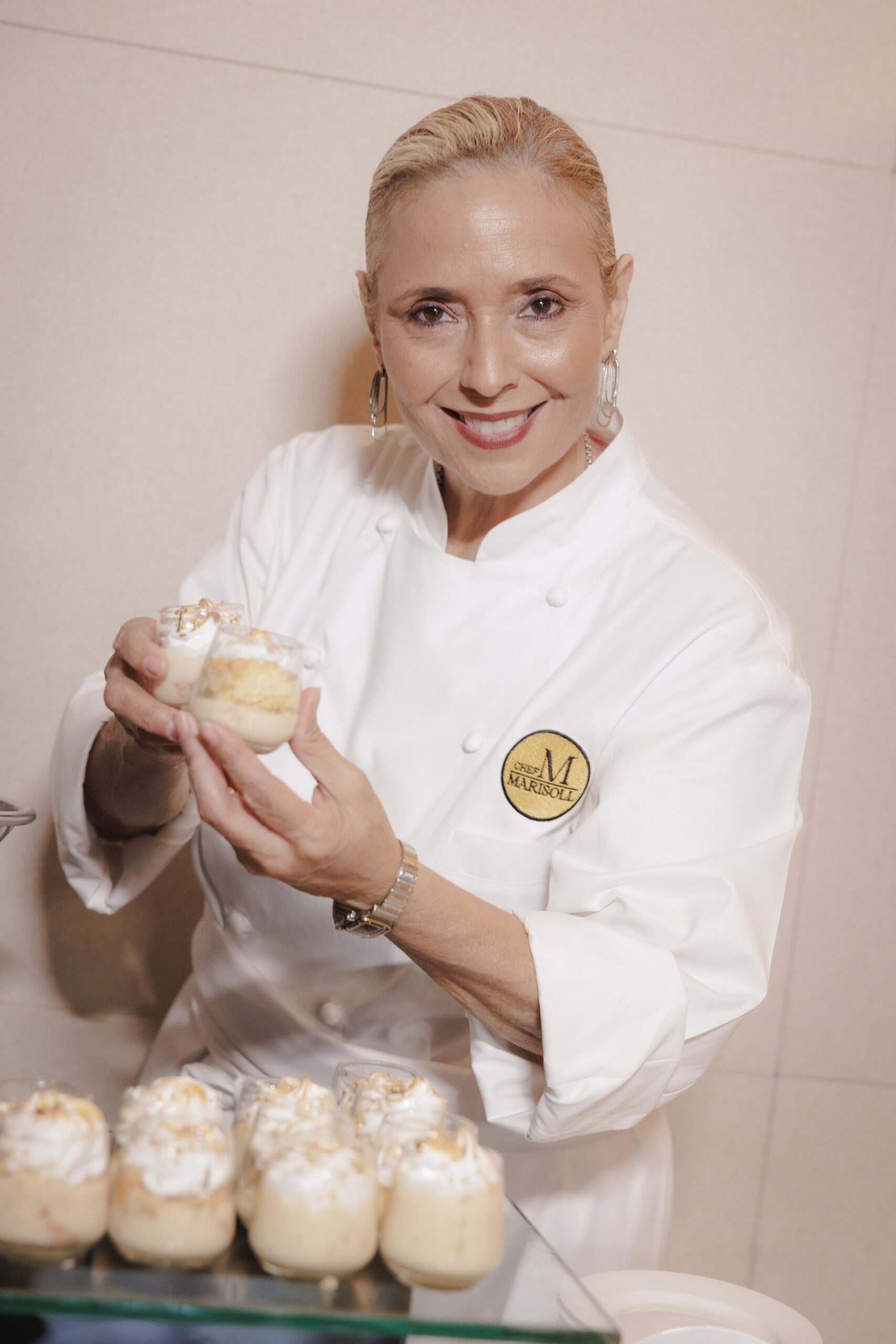
Chef Marisoll Events approaches this planning as part of the culinary artistry, pairing crafted menus with refined presentation and attentive service. The result should feel composed behind the scenes and generous in front of guests.
Use Your Tasting to Refine, Not Just Choose
A tasting is the moment to move beyond selecting favorites. Consider the menu as guests will experience it: the balance between courses, portion sizes, plating, color, and the way each dish supports your event’s overall mood. A dish may be delicious on its own but not be the best choice after a rich cocktail hour or before a delicate dessert.
Bring your priorities to the conversation. Perhaps you want to honor a family recipe, showcase Puerto Rican ingredients for guests visiting from the mainland, or create a menu that feels modern while still warmly familiar. Share those ideas openly. A personalized wedding menu is strongest when it reflects both the couple and the island hosting their celebration.
When every selection has a purpose, guests leave with more than photographs of a beautiful room. They carry the memory of a meal that welcomed them, surprised them, and made the occasion feel unmistakably yours.