An anniversary meal should feel unlike an excellent dinner on an ordinary evening. It is a pause to recognize a shared history, a room filled with the people who shaped it, and an opportunity to express affection through thoughtful hospitality. Learning how to curate anniversary menus begins with one essential question: what do you want guests to remember when the evening is over?
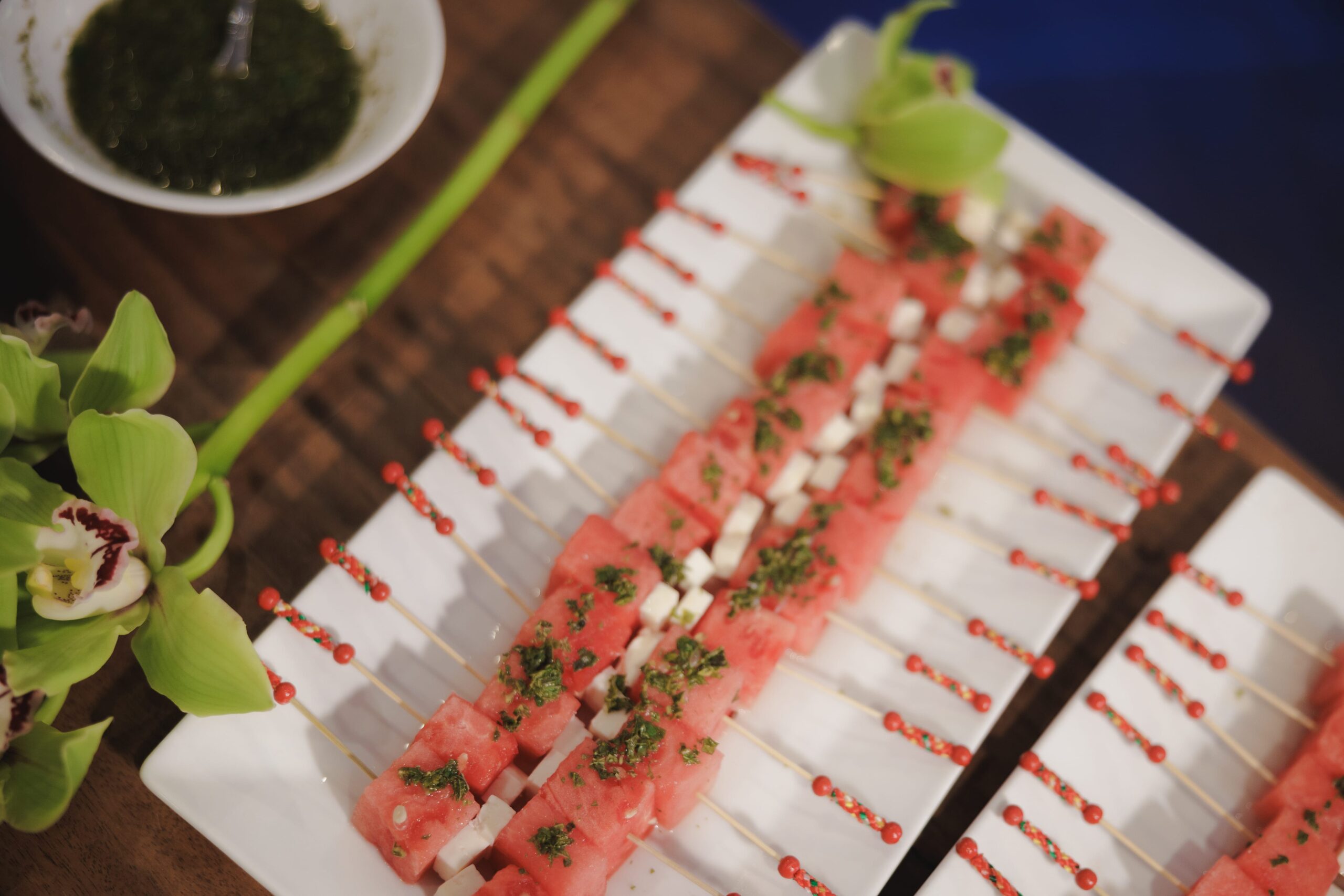
For some couples, that memory is a candlelit plated dinner with champagne and polished service. For others, it is a lively cocktail reception where Puerto Rican flavors invite guests to gather, taste, and celebrate. The most successful menu does not simply display impressive ingredients. It gives the occasion a point of view.
Begin With the Anniversary Story
A meaningful menu starts before selecting a first course. Consider the couple or honoree at the center of the celebration. Is this an intimate first anniversary, a silver anniversary surrounded by family, or a milestone celebration honoring decades of marriage? The scale matters, but the story matters more.
A menu can subtly reflect the place where a couple met, a favorite vacation, a family heritage, or a dish remembered from their wedding. These details should inspire the experience rather than turn dinner into a literal scrapbook. A refined chef can translate a beloved flavor into an elevated presentation: perhaps a tropical fruit once enjoyed on a beach becomes a graceful starter, or a cherished family recipe informs a polished side dish.
The anniversary’s mood should also guide the menu. A formal black-tie evening calls for a different rhythm than a sunlit luncheon or a spirited garden reception. Once the atmosphere is clear, every culinary decision becomes easier, from service style to dessert presentation.
How to Curate Anniversary Menus Around the Guest Experience
An exceptional anniversary menu considers how guests will move through the event, not just what will appear on each plate. Arrival, conversation, pacing, and the final toast all influence how food should be served.
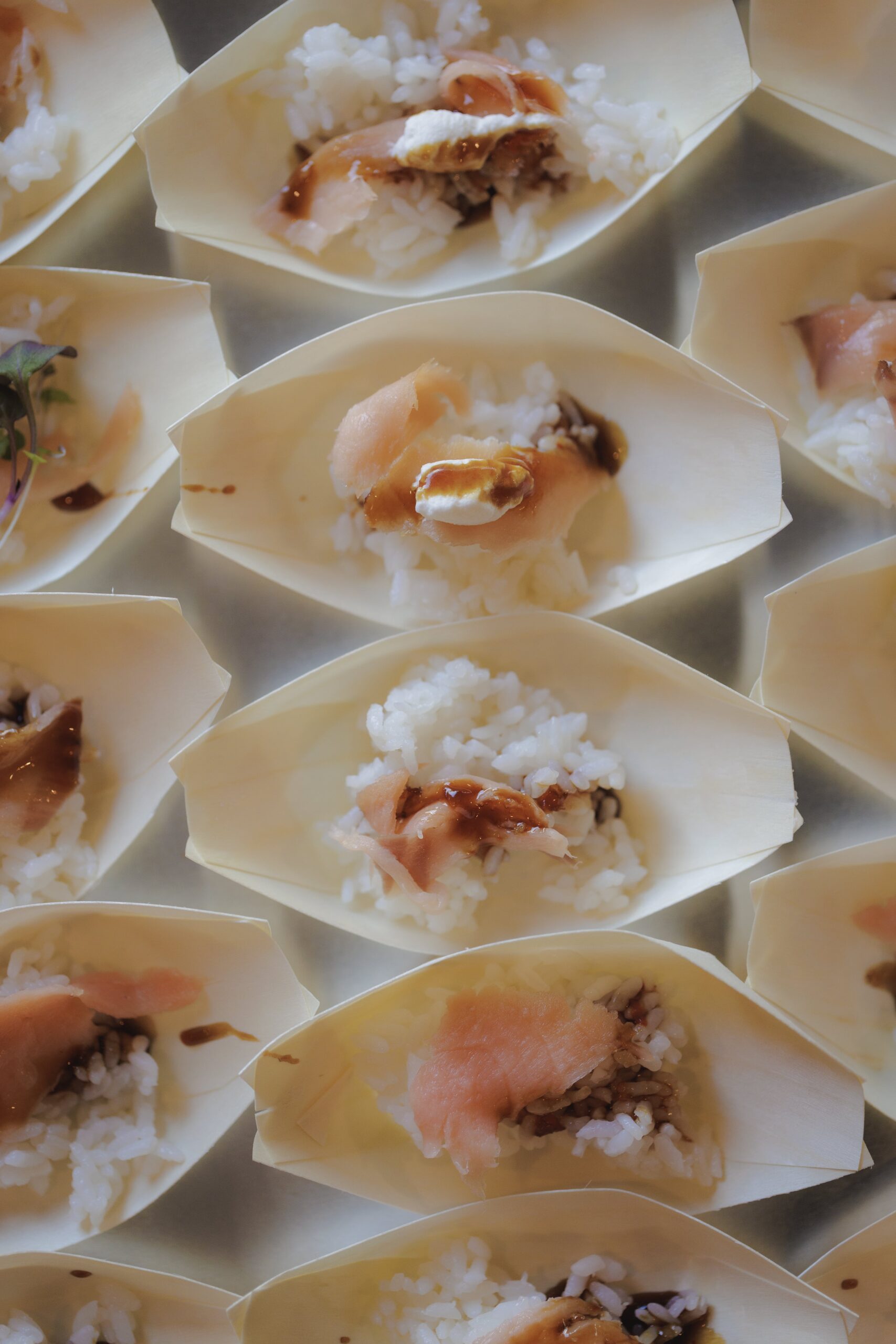
For a formal seated celebration, a three- or four-course plated dinner creates a composed, celebratory cadence. Guests are welcomed with passed hors d’oeuvres and a signature cocktail, then seated for courses that build in flavor and visual appeal. This format is especially well suited to milestone anniversaries where speeches, tributes, and a formal cake presentation are part of the evening.
A food-station format can be equally elegant when the occasion is designed for mingling. Chef-attended stations encourage conversation while allowing guests to enjoy more variety. They work beautifully for larger guest counts, multigenerational gatherings, and celebrations that place as much importance on reunion as ceremony. The trade-off is timing: stations need thoughtful placement and attentive service so guests can circulate comfortably rather than wait in lines.
For an intimate dinner, fewer courses with more detail often make the strongest impression. A carefully composed appetizer, a memorable entrée, and an exquisite dessert can feel more luxurious than an overly expansive menu. Generosity is not measured by the number of dishes. It is felt in the quality of the experience.
Design a Natural Progression of Flavor
A curated menu should have movement. Begin with bright, inviting flavors that awaken the palate, then transition to a satisfying main course with depth and finish on a note of sweetness or celebration. Repeating the same rich profile from cocktail hour through dessert can make even a beautiful meal feel heavy.
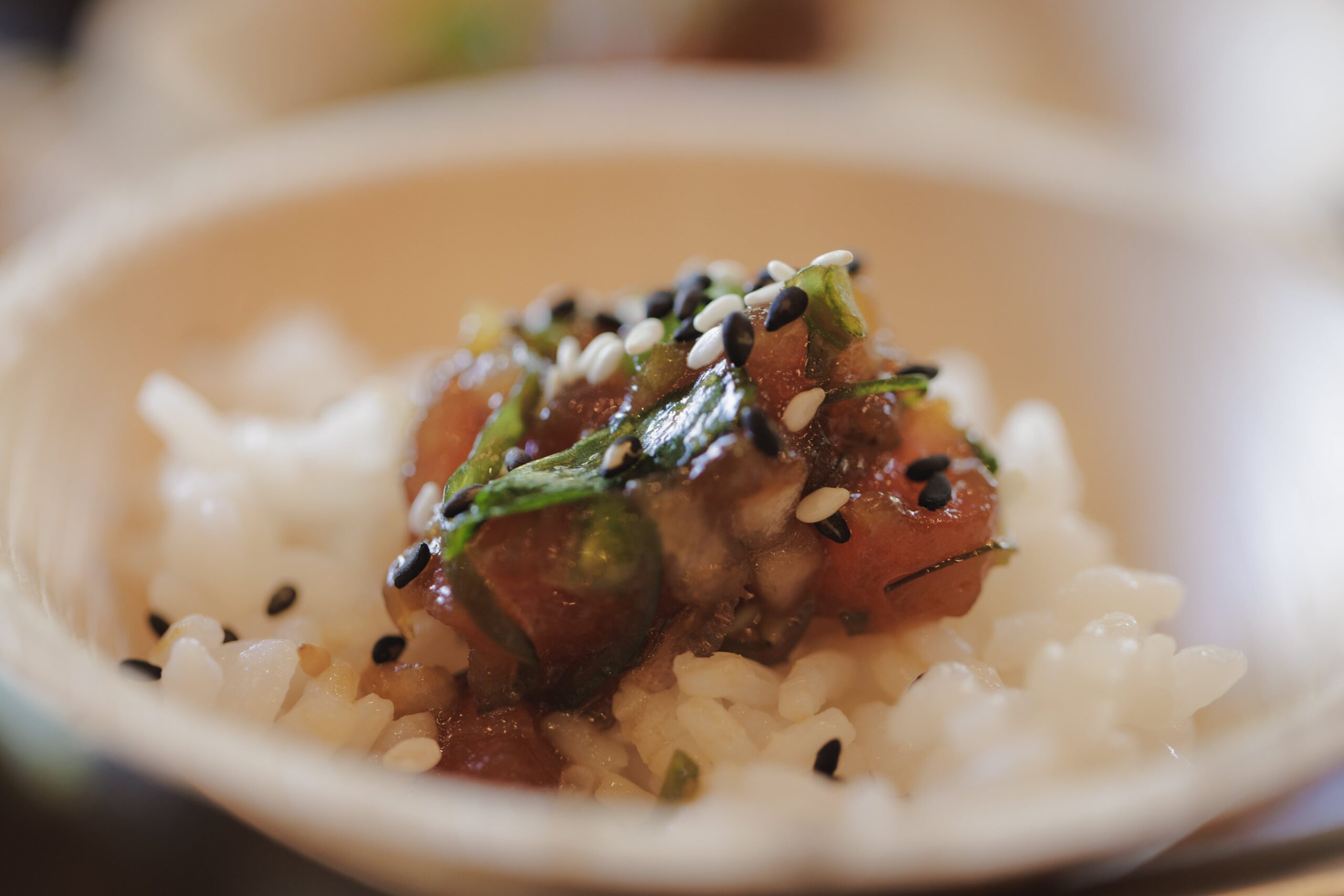
In Puerto Rico, seasonal produce and Caribbean influences offer remarkable possibilities for balance. Fresh seafood, citrus, plantains, tropical fruits, herbs, and locally inspired sauces can bring warmth and character to a menu without overwhelming its elegance. A delicate seafood starter might be followed by tender beef or roasted poultry, with refined accompaniments that add color and texture. Dessert can echo the menu’s setting with fruit, chocolate, coconut, or a modern interpretation of a familiar island flavor.
The goal is not to include every favorite dish. It is to create harmony. One distinctive culinary moment often has more impact than several competing ideas.
Honor Preferences Without Diluting the Vision
Anniversary celebrations often bring together guests with different dietary needs, ages, and expectations. A polished menu accounts for these needs graciously, without making anyone feel like an afterthought.
Start by identifying true requirements, such as allergies, vegetarian or vegan preferences, gluten sensitivities, and religious considerations. Then distinguish them from general preferences. A well-designed menu can offer inclusive choices while preserving a cohesive visual and culinary identity. For example, a plant-forward entrée can be crafted with the same care, richness, and presentation as the main protein course rather than treated as a separate accommodation.
It also helps to think about the guest list as a whole. A menu for a group of adventurous diners may invite bolder flavors and interactive stations. A celebration with grandparents, young children, and guests traveling from abroad may call for a more familiar foundation with a few memorable accents. There is no single formula for sophistication. The right choice depends on who has gathered around the table.
Let the Setting Shape the Menu
A menu should feel at home in its setting. The architecture, time of day, weather, floral design, and table styling all contribute to the culinary direction.
At an art museum venue, for instance, a plated dinner can lean into clean composition, sculptural presentation, and an artful use of color. At a private residence, the menu might feel more personal and abundant, with shared courses that encourage connection. For a waterfront event, lighter preparations, fresh seafood, and chilled cocktails may feel especially appropriate, while a ballroom celebration may invite richer dishes and a more formal service sequence.
Seasonality is equally valuable. Choosing ingredients at their best supports flavor, presentation, and a sense of place. It can also help a menu feel thoughtful rather than generic. A chef-led consultation can identify what is most beautiful and delicious for the date of the event, then shape it around the host’s vision.
Reserve a Moment for Celebration
The final course deserves more than a passing thought. Dessert is often the emotional centerpiece of an anniversary dinner, particularly when it accompanies a toast, slideshow, or renewal of vows.
A traditional anniversary cake remains a beautiful choice, but it need not stand alone. Consider pairing it with petite desserts, artisanal chocolates, tropical fruit confections, or a late-evening coffee service. This creates a gracious transition from dinner to celebration and gives guests a reason to linger.
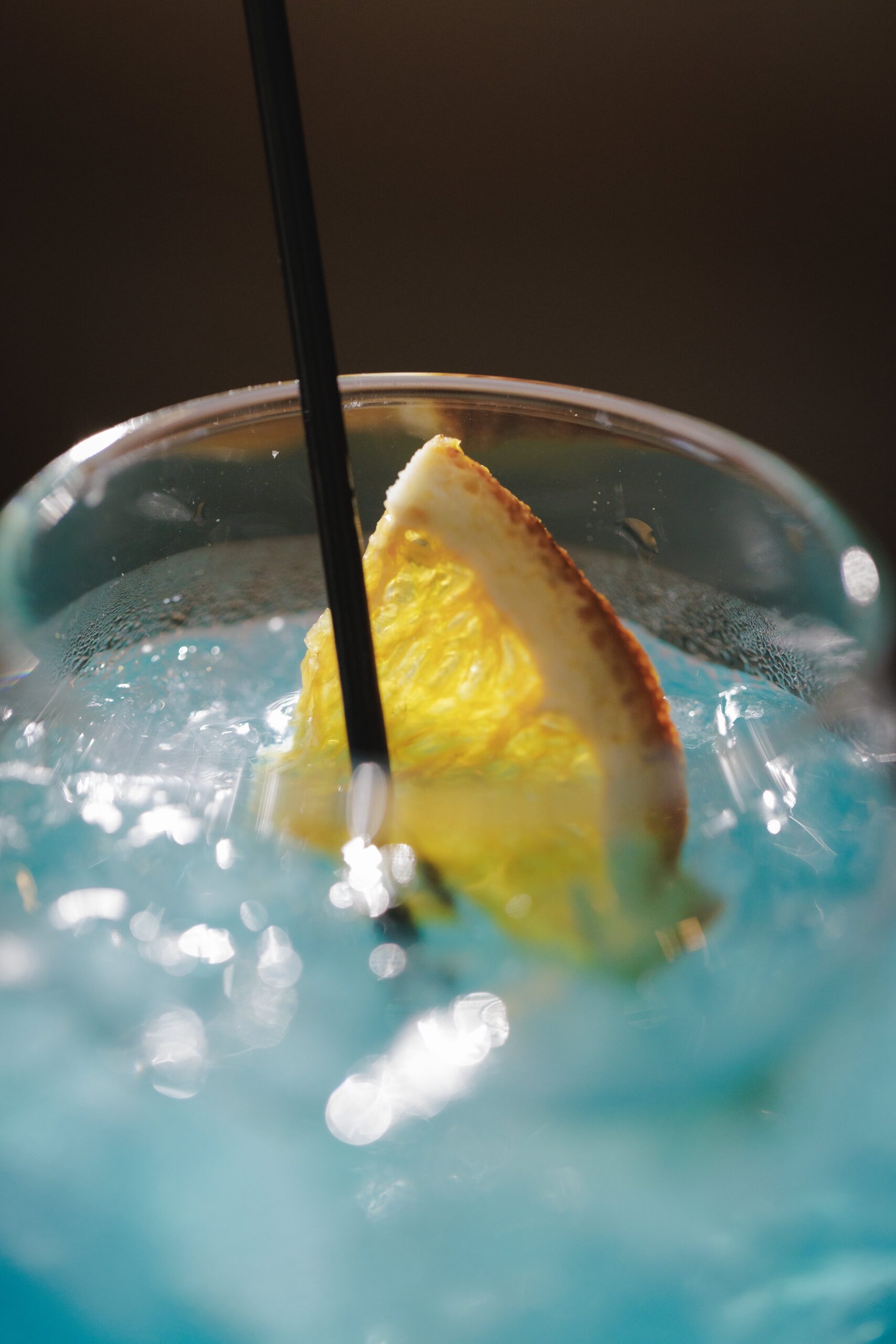
A signature cocktail can also carry the story through the evening. It may reference the couple’s favorite spirit, wedding colors, or a Puerto Rican ingredient that speaks to the destination. Offer a nonalcoholic version with equal care. Every guest should be able to participate in the toast.
Work With a Chef, Not a Fixed Package
The finest anniversary menus are shaped through conversation. Share the event’s purpose, the guest count, the venue, the desired level of formality, and the flavors that hold personal meaning. Be honest about priorities as well. If exceptional wine service matters more than a fourth course, the menu can be designed accordingly. If guests will spend most of the evening dancing, a lighter dinner and more substantial late-night bites may be the better investment.
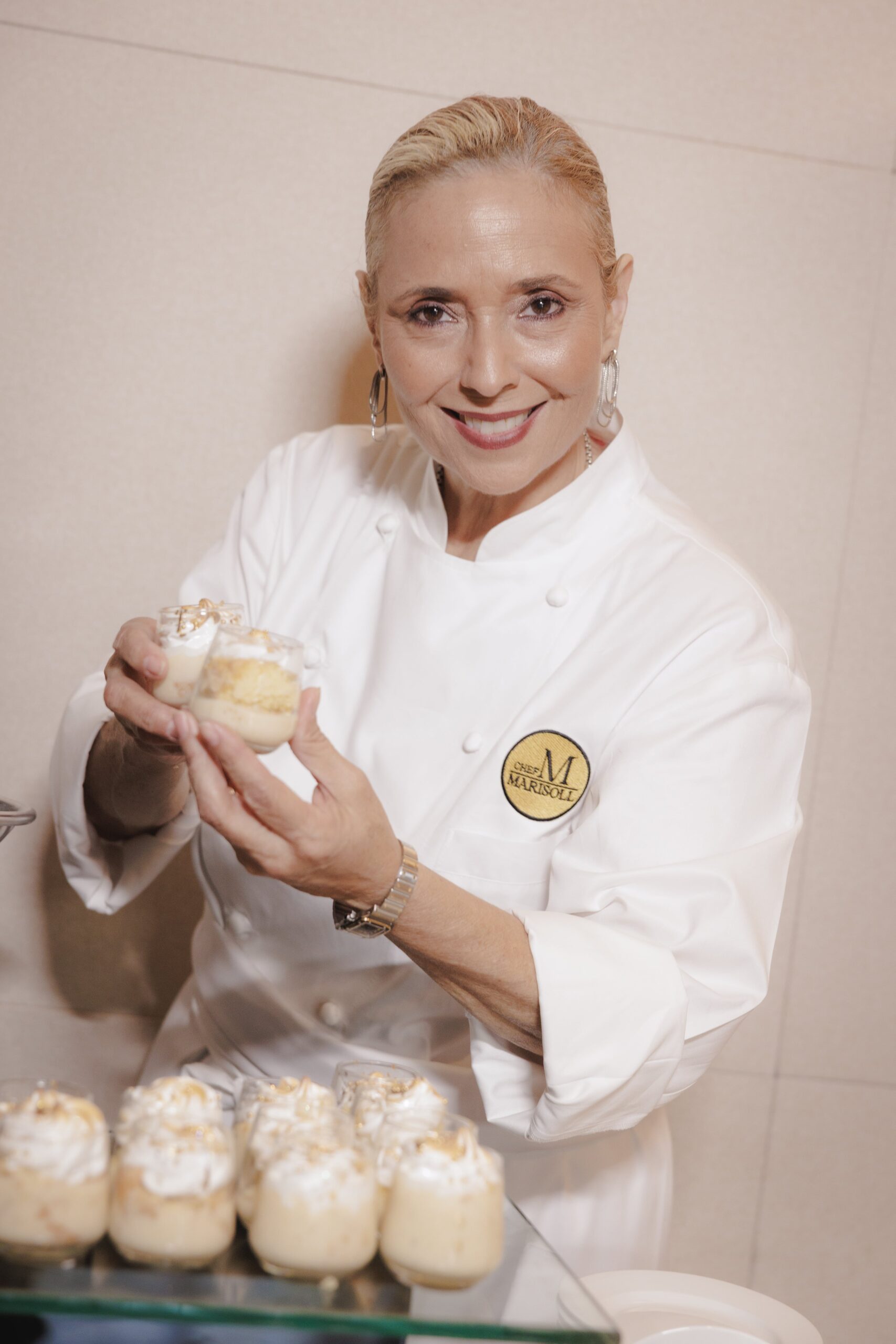
Chef Marisoll Events approaches this process as culinary storytelling, pairing refined presentation with the warm, generous hospitality that makes a celebration feel personal. The result should be a menu that belongs to the occasion, not one that could be served at any event on any weekend.
When planning, allow enough time for tasting, revisions, and coordination with the venue and event designer. Details such as the timing of speeches, lighting during dinner, and the distance from kitchen to table can affect service and food quality. Flawless hospitality is often built on these quiet decisions.
An anniversary menu is ultimately an expression of care. Choose dishes that feel generous, a service style that lets guests connect, and a final toast that gives the moment room to linger. Years from now, guests may not remember every course, but they will remember how beautifully they were welcomed to celebrate a lasting love.