The choice between plated service vs family style often defines how an event feels long after the last toast. One format creates a composed, restaurant-inspired rhythm; the other invites guests to pass, share, and linger. Neither is inherently more luxurious. The right decision depends on the atmosphere you want to create, the menu you envision, and the way you want your guests to connect around the table.
For a destination wedding in Puerto Rico, an executive dinner, or a milestone celebration, service style is more than an operational detail. It shapes pacing, presentation, conversation, and the overall sense of occasion.
Plated Service vs Family Style: The Essential Difference
With plated service, each course is individually composed in the kitchen and presented to every guest at their seat. The experience is intentional and polished: a precisely placed entrée, a balanced garnish, a warm plate arriving at the right moment. It gives the chef control over every visual and culinary detail.
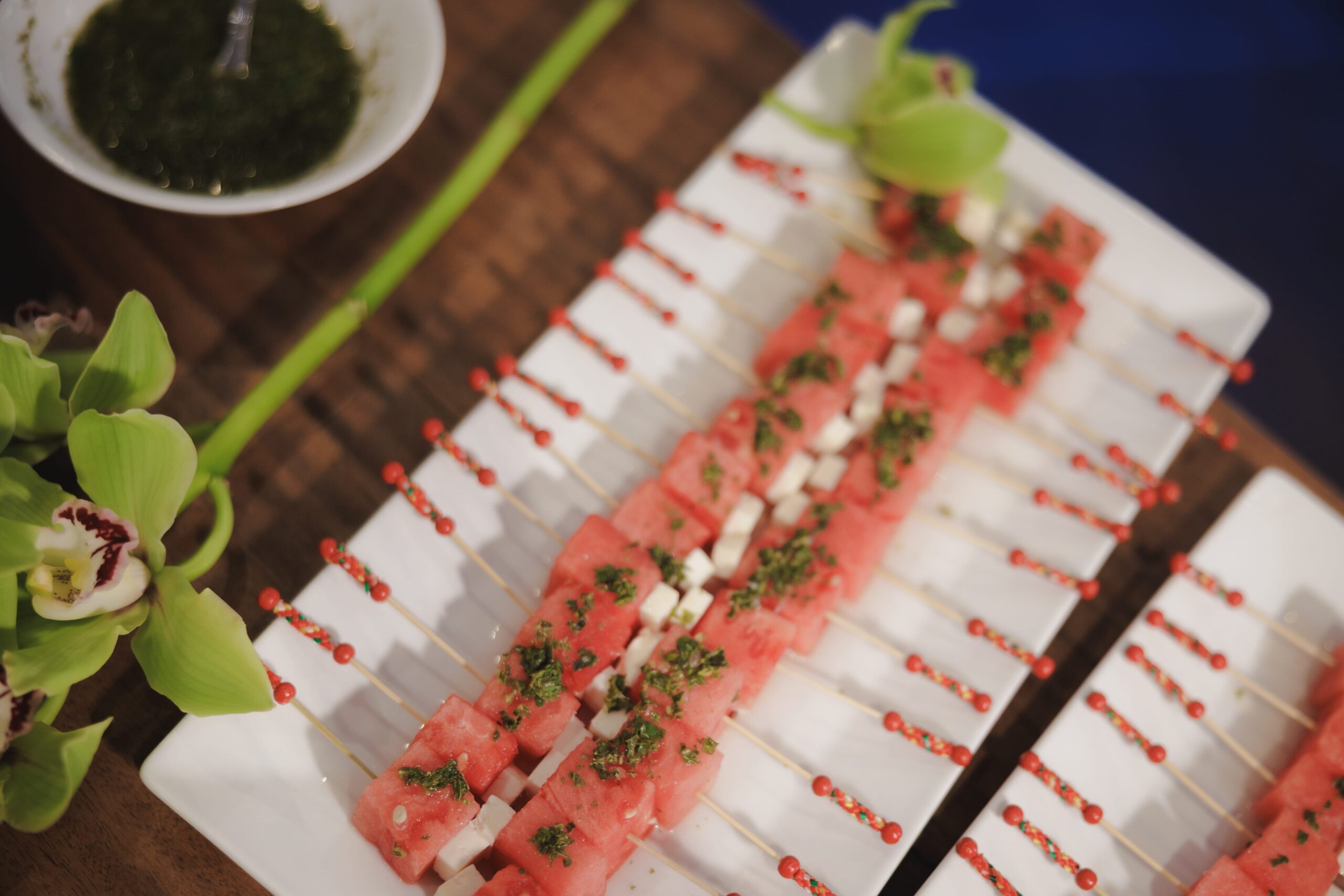
Family-style service brings generous platters and bowls to each table for guests to share. Rather than receiving a predetermined plate, guests serve themselves and pass dishes to one another. The format has a welcoming abundance that can feel especially beautiful for celebrations centered on connection, heritage, and relaxed conversation.
The distinction is not simply formal versus casual. A family-style table can be exquisitely dressed with beautiful serving pieces, elevated ingredients, and attentive staff. Likewise, plated dining can feel warm and personal when the menu reflects the couple, host, or organization behind the occasion.
When Plated Service Is the Better Fit
Plated service is a natural choice when precision, elegance, and a well-orchestrated guest experience are priorities. It is especially compelling for formal weddings, black-tie galas, awards dinners, and corporate events where the evening follows a defined program.
A plated meal gives each guest the same carefully crafted presentation. For hosts who have invested in a sophisticated tablescape, floral design, or an artful venue such as a private hall at the Puerto Rico Museum of Art, the visual consistency of plated service can complement the setting beautifully. Courses arrive with a sense of ceremony, allowing the room to experience each moment together.
This format also supports a more controlled timeline. A planner can schedule speeches between courses, coordinate a first dance after dinner, or begin an executive presentation knowing that guests will be served in a measured sequence. For events with a full agenda, that predictability is valuable.
There are practical considerations. Guests typically select their entrée in advance, which requires thoughtful RSVP management. A skilled catering team can accommodate dietary needs and preferences, but the host should expect to finalize counts before the event. Plated service also calls for a higher level of staffing, since every guest is served individually and each course must arrive at the proper temperature and standard.
That investment is often worthwhile when the goal is a refined, uninterrupted evening. A local snapper finished with a bright citrus beurre blanc, a tender filet with seasonal accompaniments, or a vegetarian entrée built with the same attention to detail can become part of the event’s visual language.
The Guest Experience of a Plated Dinner
A plated dinner tells guests that every detail has been considered for them. They do not need to choose a portion, reach across the table, or decide when to begin serving themselves. Their attention remains on the company, the setting, and the celebration unfolding around them.
For destination hosts, this can be particularly reassuring. Friends and family may have traveled far to gather in Puerto Rico, and a gracious seated dinner offers a calm, elegant pause in a full weekend of festivities. It creates space for conversation without requiring guests to navigate serving dishes or leave their seats.
When Family Style Creates the Stronger Moment
Family style is ideal when the feeling of the table matters as much as the food on the plate. It invites interaction naturally. Guests pass a platter of roasted vegetables, offer a second helping of arroz con gandules, and discover a favorite dish together. The meal becomes part of the conversation rather than a pause between formalities.
This service style works beautifully for welcome dinners, rehearsal dinners, milestone birthdays, intimate weddings, and private celebrations where the host wants guests to feel genuinely at home. It can also be a memorable choice for a wedding that blends elevated design with a more personal, communal spirit.
Puerto Rican culinary influences are especially well suited to this format. A table filled with thoughtfully prepared shared dishes can express generosity without sacrificing sophistication. The key is scale and presentation: elegant platters, composed seasonal sides, and dishes designed to remain appealing as they are passed create abundance with polish.
Family style does require thoughtful planning. Table size, centerpiece height, and the number of guests seated together all affect how comfortably dishes can circulate. A table crowded with oversized florals, glassware, and chargers may leave little room for serving pieces. Portion planning also matters, particularly when guests have varied appetites or when a menu includes items that are popular enough to inspire second helpings.
The Guest Experience of Family Style
Family style creates an easy, generous rhythm. It gives guests a measure of choice while keeping everyone together at the table. Unlike a buffet, where guests step away and form lines, shared platters preserve the intimacy of seated dining.
For a group that already knows one another, it can feel joyful and familiar. For guests meeting for the first time, passing food can be an effortless icebreaker. That warmth makes family style especially appealing for celebrations with a strong sense of family, culture, or reunion.
It is less ideal when guests require highly individualized service, when table layouts are very compact, or when the event must stay on an exact minute-by-minute schedule. It can still be carefully managed by an experienced service team, but it is designed for a little more ease in the evening’s pace.
How Menu Design Changes With Each Style
The menu should never be forced into a service format that does not flatter it. Plated dining favors composed entrées with intentional textures, sauces, and garnishes. It is well suited to a multi-course progression, where each dish reveals a new aspect of the chef’s point of view.
Family-style menus shine when dishes are generous, shareable, and satisfying at a range of portions. Think beautifully sliced proteins, seasonal vegetables, grains, plantains, salads, and sauces that invite guests to create a plate that suits them. A menu can still feel chef-led and elevated, but it should be built to travel gracefully from platter to plate.
Dietary accommodations deserve attention in either format. With plated service, individual needs can be discreetly served at the appropriate seat. With family style, separate shared dishes and clear coordination with the service team help ensure guests have options they can enjoy. For larger events or menus with significant dietary variety, a hybrid approach may offer the best balance.
Consider a Hybrid Service for the Best of Both
Some celebrations benefit from combining the strengths of both formats. A plated first course and dessert can provide the refined pacing of formal service, while shared entrées and sides bring warmth to the center of the table. Another option is a plated main course followed by family-style late-night sweets or savory favorites.
This approach can be especially effective for couples who want a polished reception without losing the feeling of a generous Puerto Rican gathering. It also gives hosts room to feature dishes that deserve individual presentation alongside recipes that are best enjoyed in abundance.
The decision should be led by the event, not by a rule. A candlelit wedding for 60 guests may feel extraordinary with family-style platters, while an intimate executive dinner may call for individually plated courses. Guest count, room layout, menu complexity, timeline, and the personality of the host all deserve a place in the conversation.
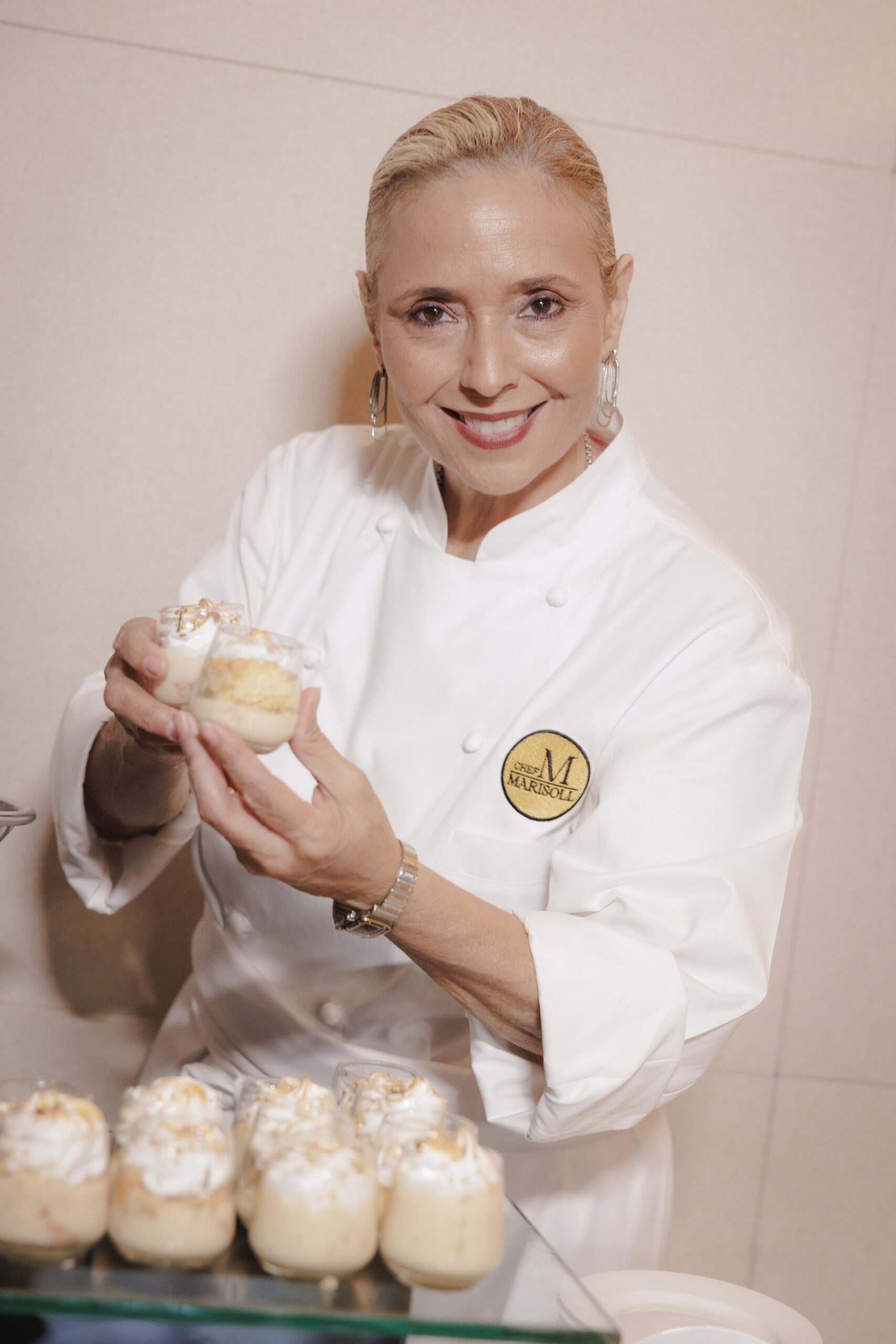
At Chef Marisoll Events, the most memorable dining experiences begin by understanding how you want guests to feel: celebrated, connected, cared for, and fully present. Choose the service style that gives your table that feeling, then let the menu, setting, and hospitality carry it through the evening.