Guests remember the first sip, the moment the plates arrive, and whether dinner felt merely beautiful or genuinely transporting. When couples ask what to serve at a luxury wedding, the answer is rarely a single dish. It is a carefully composed dining experience – one that reflects the setting, honors the guest list, and feels as polished as every other element of the celebration.
At the highest level, wedding menus are not built around excess. They are built around intention. A luxury wedding meal should feel generous without being heavy, elevated without becoming formal to the point of stiffness, and personal without losing its sense of occasion. The best menus do more than impress. They make guests feel cared for.
What to Serve at a Luxury Wedding Starts With the Experience
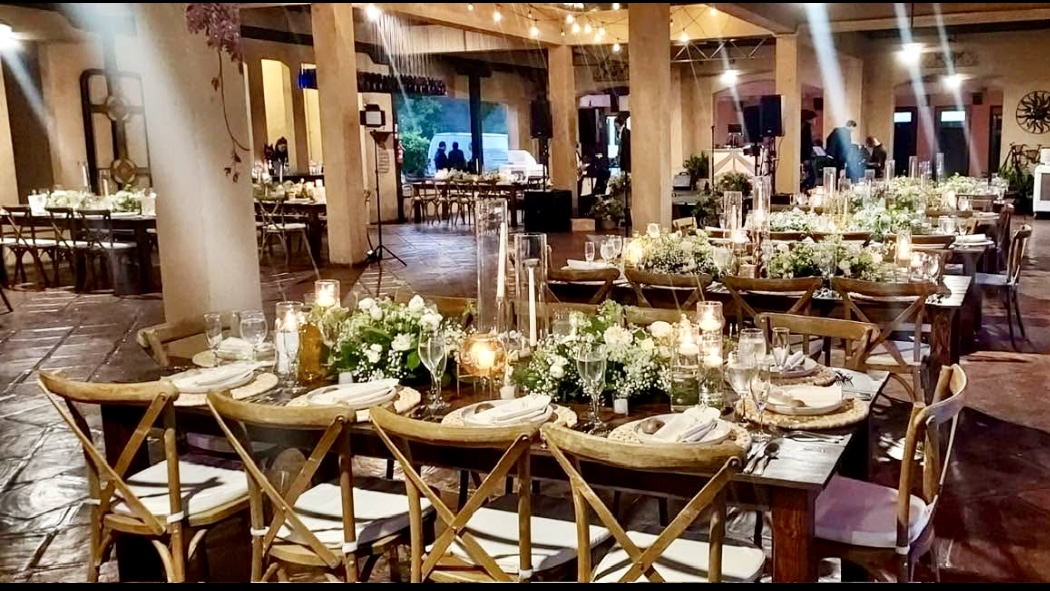
Before choosing entrées or cocktail bites, it helps to define the mood of the event. A candlelit ballroom reception calls for a different culinary rhythm than an oceanfront celebration in Puerto Rico. A destination wedding with many traveling guests may benefit from a menu that introduces local flavor in a refined way, while a black-tie evening may lean toward classic plated courses with impeccable presentation.
Luxury dining at a wedding works best when every course supports the atmosphere. A menu should move naturally from welcome cocktails to hors d’oeuvres, dinner, dessert, and late-night offerings. If one part feels overly casual or disconnected, the guest experience can lose some of its elegance. Cohesion matters just as much as quality.
This is also where personalization becomes essential. The most memorable wedding menus often reflect the couple in subtle, graceful ways. That could mean incorporating island ingredients, referencing family traditions, or presenting a favorite dish in a more elevated format. The point is not novelty for its own sake. It is creating a meal that could belong to no other celebration.
Begin With an Elevated Cocktail Hour
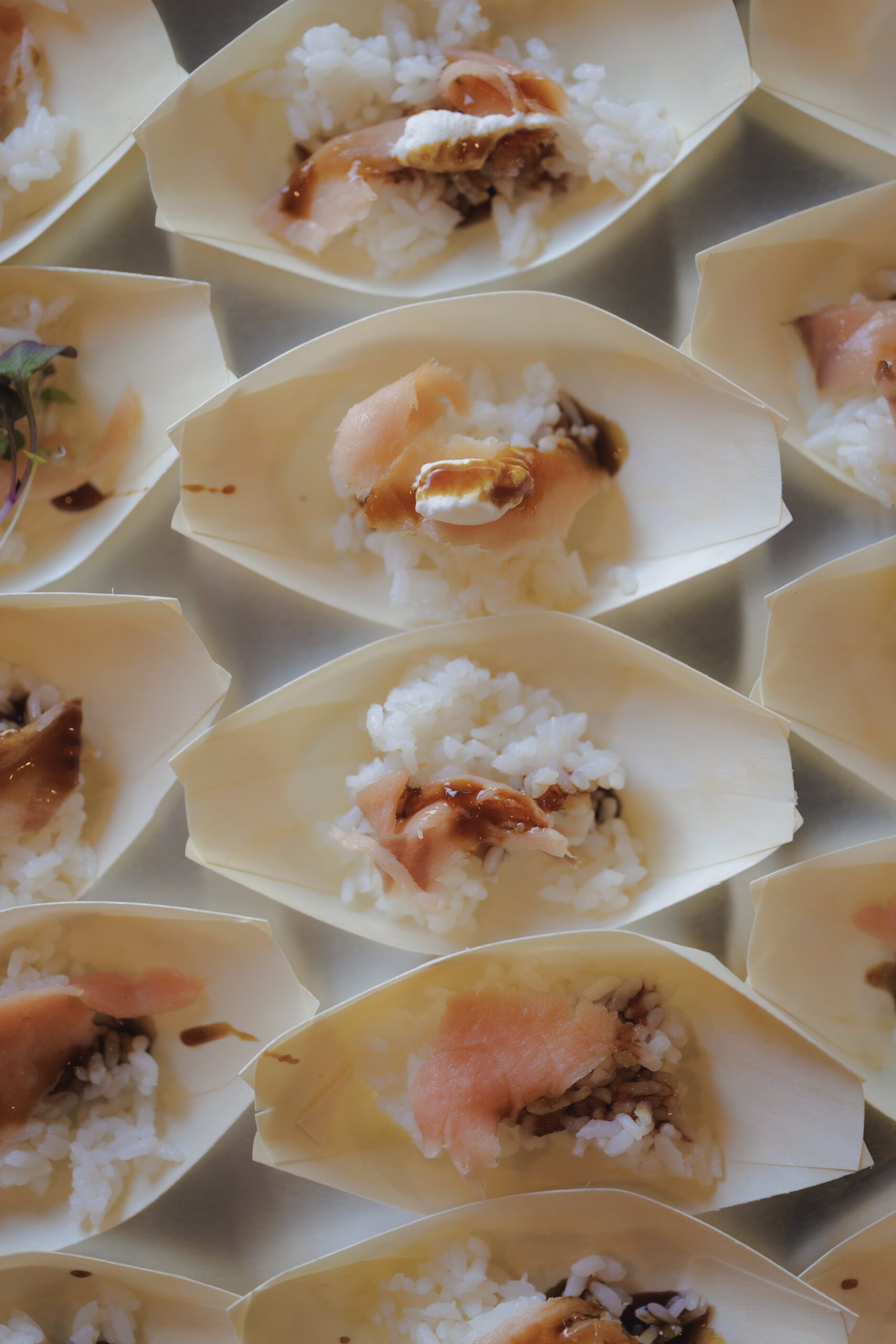
Cocktail hour sets expectations. It is the first real taste of the evening, and it should feel abundant, stylish, and easy to enjoy while guests mingle. For a luxury wedding, passed hors d’oeuvres are often the strongest place to begin because they create movement, polish, and a sense of hospitality from the start.
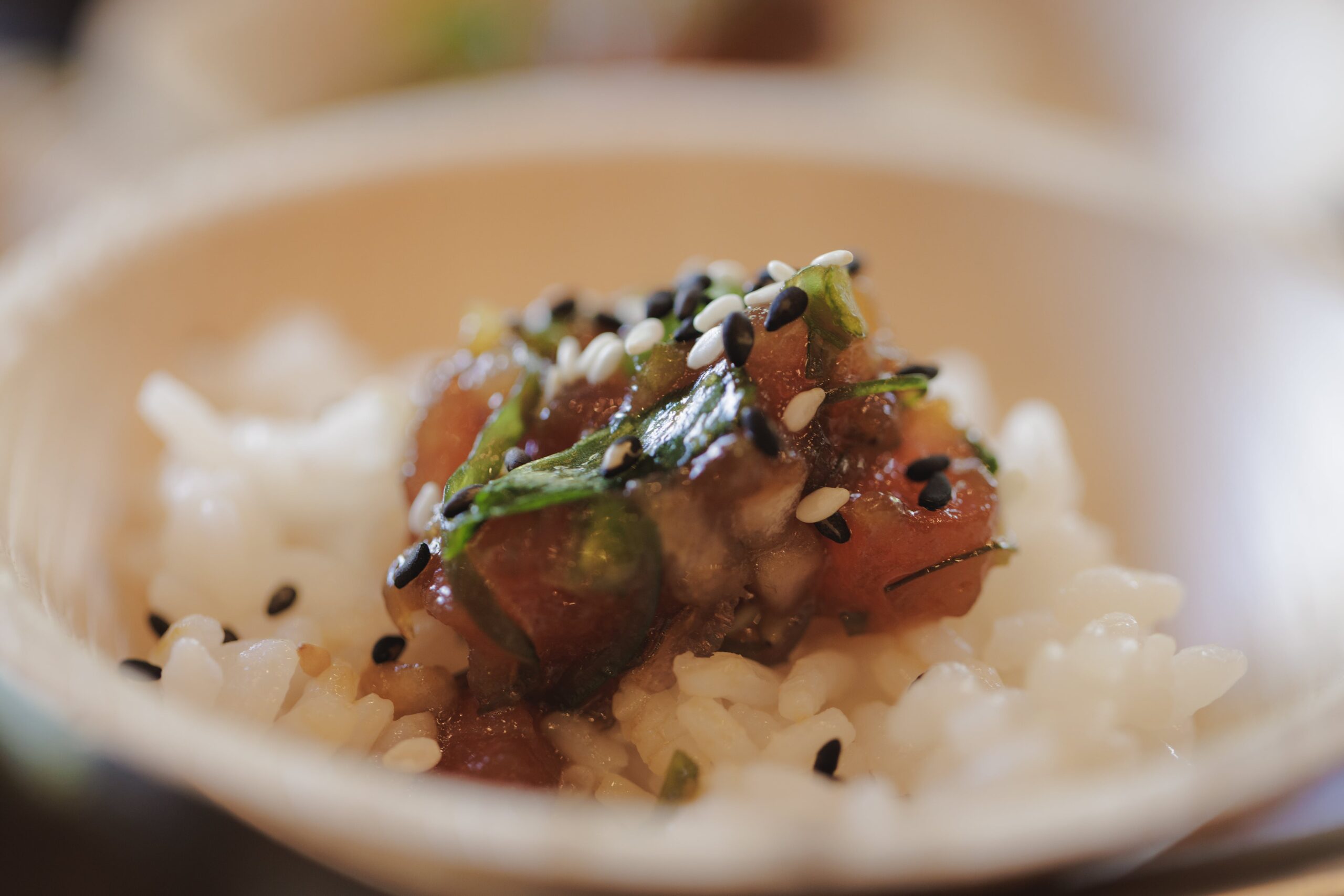
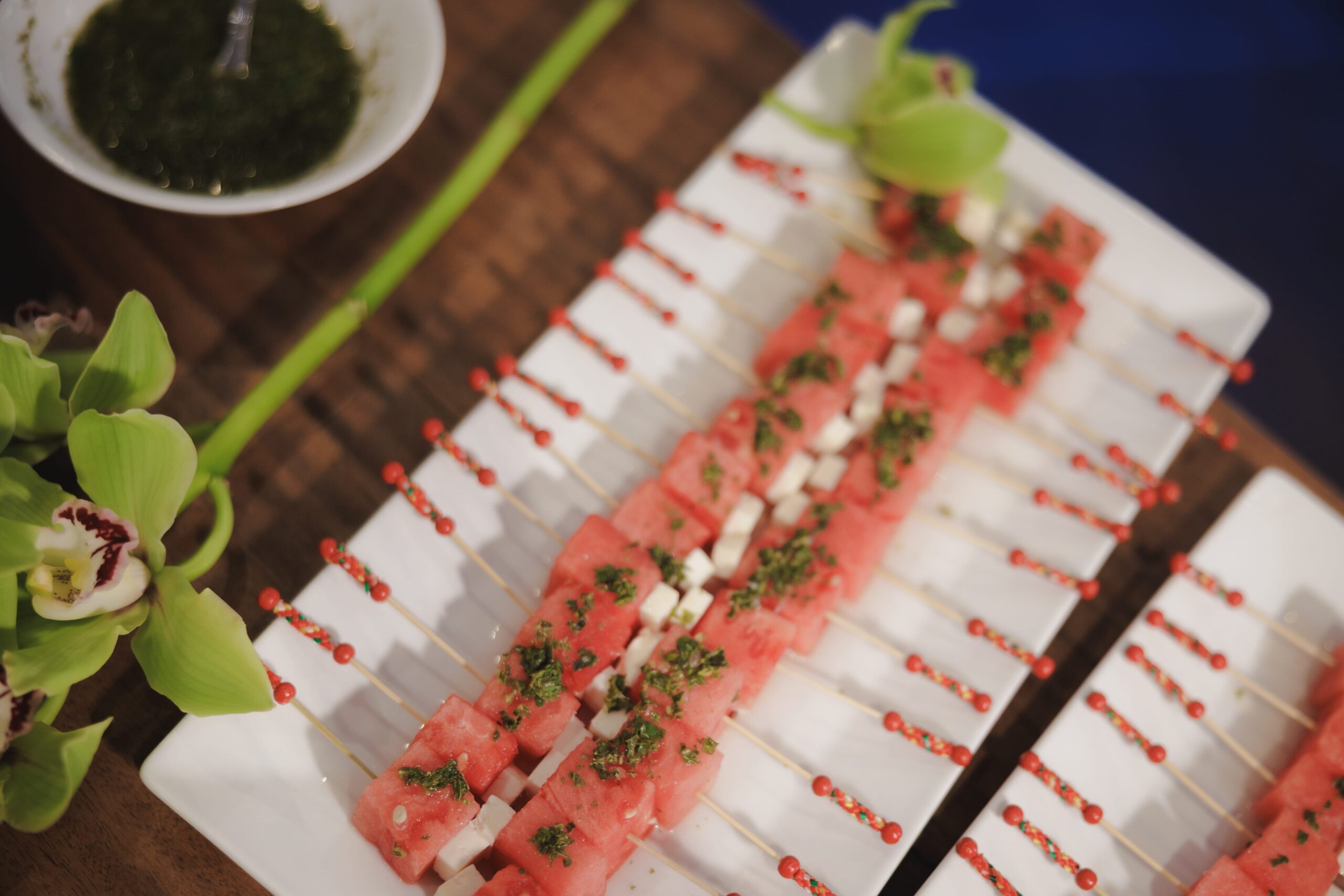
Think in terms of variety and balance. A thoughtful cocktail hour usually includes seafood, meat, and vegetarian options, with a mix of warm and chilled bites. Mini crab cakes, tuna tartare spoons, beef tenderloin crostini, truffle arancini, and elegant plant-forward canapés all feel appropriate in the right setting. Presentation should be refined, but flavor still needs to lead. Beautiful bites that do not satisfy guests will be remembered for the wrong reason.
This is also an ideal moment to introduce Puerto Rican influence in a sophisticated way. Local flavors can be expressed through ingredients, sauces, or modern interpretations of familiar favorites. The effect should feel curated rather than themed. For destination couples especially, this approach gives guests a sense of place without making the menu feel predictable.
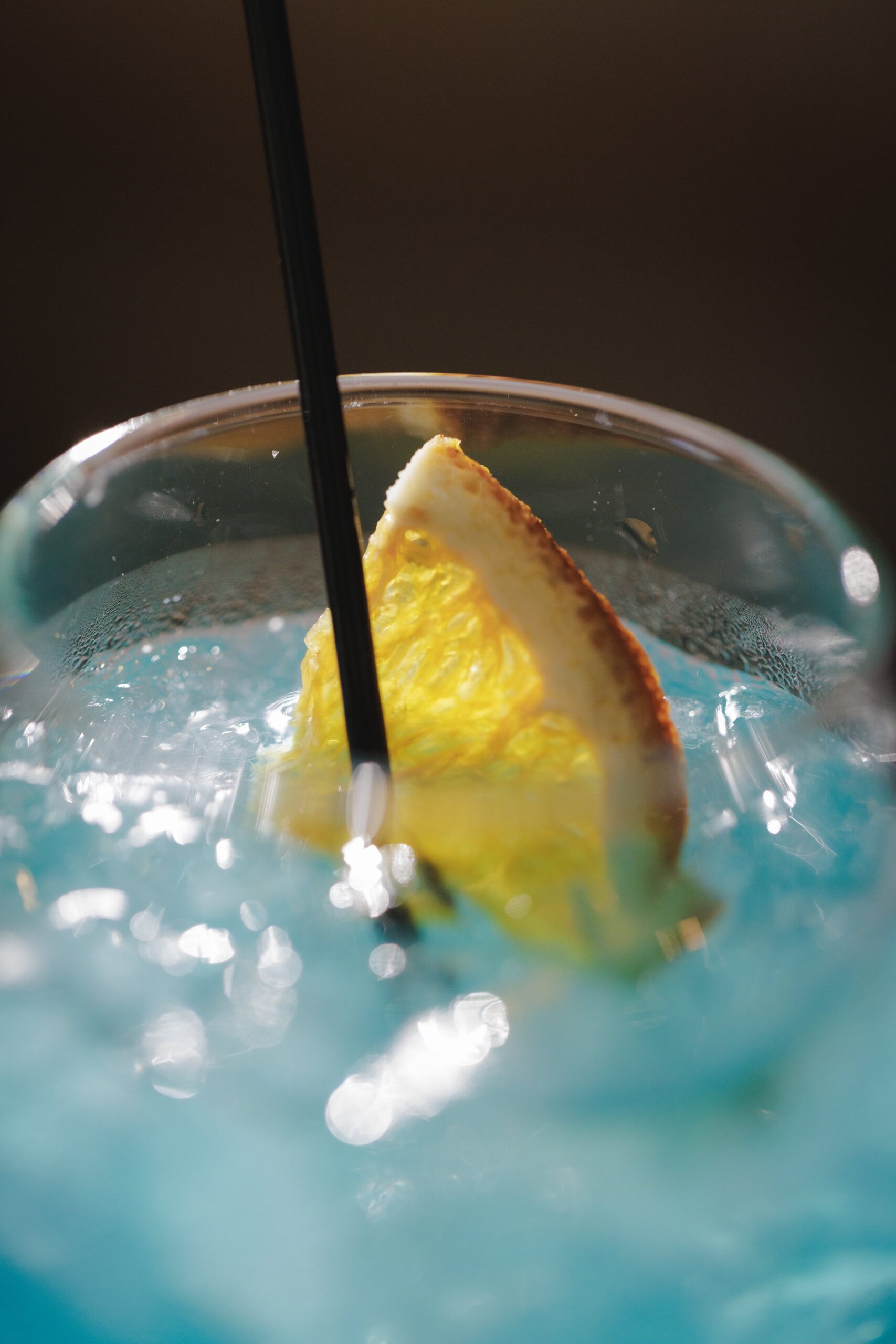
Signature cocktails belong here as well, but restraint is wise. Two well-crafted options are often more elegant than an oversized drink menu. A sparkling option, a spirit-forward option, and excellent nonalcoholic service create a polished start that includes everyone.
The Main Dinner Should Feel Refined, Not Overbuilt
When considering what to serve at a luxury wedding, dinner is where many couples overcomplicate things. They assume luxury means more courses, richer sauces, and larger portions. In practice, a truly elegant wedding dinner is edited with care.
A plated meal remains the clearest expression of formality and service. It allows timing, presentation, and portioning to stay consistent across the room, which is especially valuable at black-tie weddings or receptions where visual sophistication matters. A typical structure might include a first course, main course, and dessert, with each dish designed to complement the next rather than compete for attention.
For first courses, couples often do best with something light and graceful. A composed salad with seasonal fruit, artisanal greens, and a bright vinaigrette works beautifully. So does a refined soup or seafood starter, depending on the climate and time of year. The first course should awaken the palate, not weigh it down.
For the entrée, balance is everything. Filet mignon, fresh fish, chicken breast with elegant accompaniments, and thoughtfully crafted vegetarian plates remain popular because they are crowd-pleasing without feeling ordinary. The secret is in execution and pairing. A well-prepared fish course with silky purée, seasonal vegetables, and a delicate sauce can feel more luxurious than a heavier cut of meat if it suits the evening.
Offering a duet entrée can be appealing, but it only works when both components are excellent and the plate still feels clean and composed. Otherwise, choice-based entrée service may be the better option. There is no universal rule. It depends on your guest count, your timeline, and the level of service your reception is designed to deliver.
Plated, Buffet, or Stations?
Luxury does not belong to one service format alone. A plated dinner is classic, but a high-end buffet or chef-attended stations can feel equally elevated when executed with precision.
Plated service is ideal when couples want a formal cadence to the evening. It supports speeches, lighting reveals, and a strong sense of occasion. It also creates a polished visual effect across the reception space.
Buffet service can work beautifully for larger celebrations or for couples who want more variety. The difference between standard and luxury is presentation, pacing, and staffing. A luxury buffet should never feel crowded or transactional. It should be artfully arranged, constantly maintained, and staffed generously enough that guests move through it with ease.
Stations create an interactive, modern energy that suits destination weddings and more social receptions. Raw bars, carving stations, handmade pasta, or elevated Puerto Rican specialties prepared with chef-led finesse can make the meal feel dynamic and memorable. The trade-off is that stations require excellent layout planning. Without it, lines and congestion can undermine the elegance.
For many weddings, a hybrid format is the most effective choice. Passed hors d’oeuvres and cocktails followed by a plated dinner, or a plated first course with curated stations afterward, can offer both structure and excitement.
Do Not Overlook Guests With Different Preferences
One of the clearest signs of luxury is consideration. Guests notice when their needs have been anticipated without fuss. That means building menus that account for dietary preferences, allergies, and generational differences with the same care given to the main selections.
Vegetarian, vegan, gluten-conscious, and allergy-sensitive meals should never feel like afterthoughts. At a refined wedding, these dishes should be just as beautifully presented and satisfying as every other plate. The same goes for children, older guests, and attendees who may prefer simpler flavors.
This is where bespoke menu planning matters. A luxury wedding should not force every guest into the same dining experience. It should create a consistent standard of excellence across different needs.
Dessert Should Extend the Mood
Wedding cake still has a place, but it is no longer expected to carry the full dessert experience on its own. For luxury weddings, dessert often works best as a continuation of the event’s style.
A plated dessert can create a graceful finish to dinner, especially when paired with coffee and after-dinner drinks. If the evening is more expansive, a dessert display with petite pastries, chocolate elements, fruit tarts, and local sweets can add richness and variety without feeling excessive. Couples who want a cake-cutting moment can still include one while offering additional desserts for guests to enjoy.
Late-night bites are worth considering as well, particularly for weddings that continue well into the evening. The key is choosing something indulgent but polished. Mini sandwiches, elegant sliders, gourmet flatbreads, or elevated comfort food can revive the dance floor without breaking the tone of the celebration.
Seasonality and Setting Matter More Than Trends
Luxury menus should feel current, but they should not be ruled by trend cycles. A dish that photographs well on social media is not necessarily the right choice for your event. Menus are strongest when they respond to season, venue, and guest experience first.
In Puerto Rico, climate and setting should inform every decision. Fresh seafood, tropical fruits, vibrant herbs, and lighter preparations often feel more natural and enjoyable than overly rich selections, especially for outdoor or destination celebrations. In a grand indoor setting, couples may have more room for layered courses and deeper flavors. Neither is better. The right choice is the one that feels harmonious.
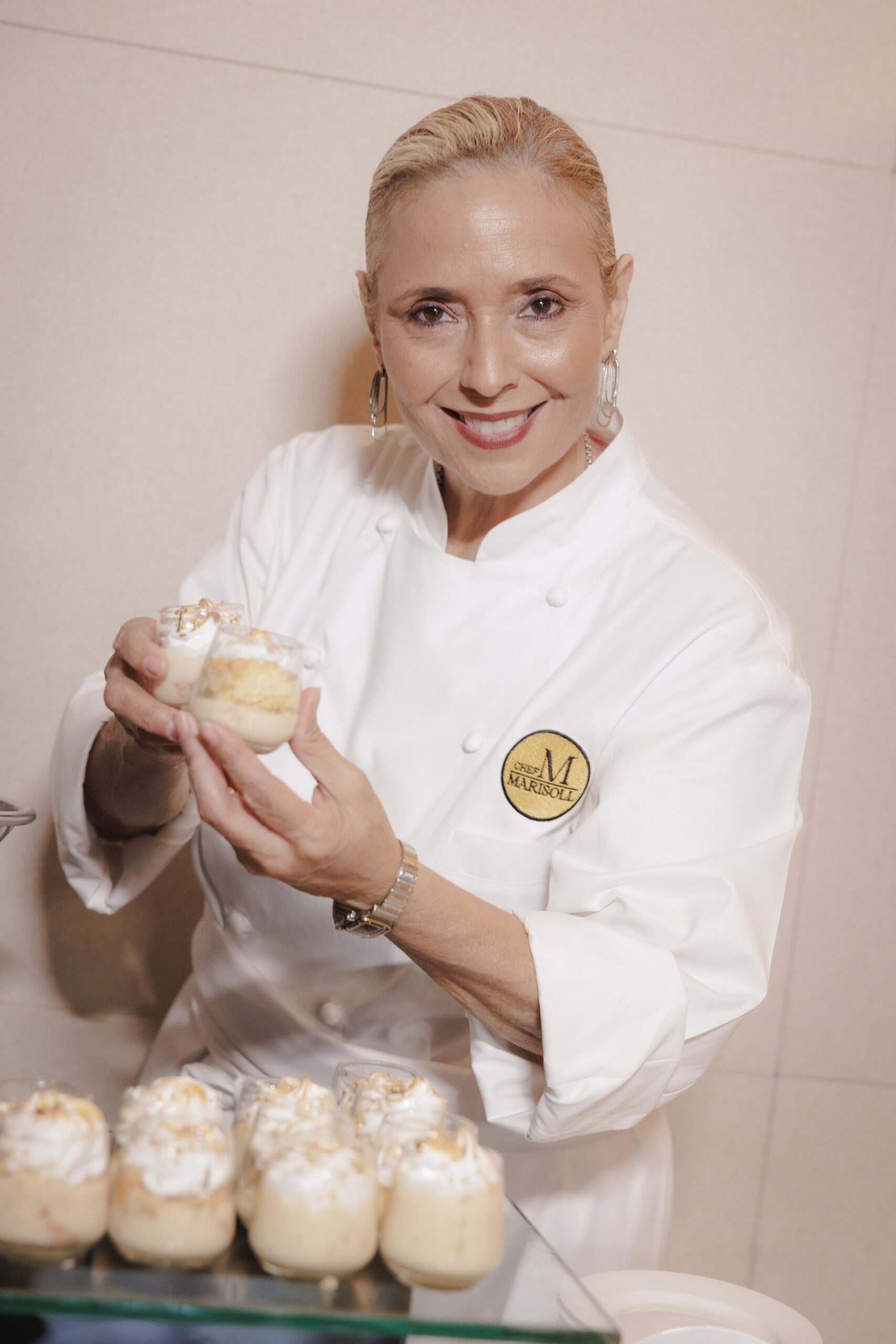
This is why chef-led planning is so valuable. It translates vision into dishes that are not only beautiful on paper, but realistic, flavorful, and appropriate for the event as a whole. At Chef Marisoll Events, that balance is central to creating exceptional culinary experiences that feel personal and polished from the first course to the final bite.
A luxury wedding menu should leave guests feeling delighted, not simply impressed. If your food reflects your setting, your style, and your care for the people at your table, you are already serving the right thing.