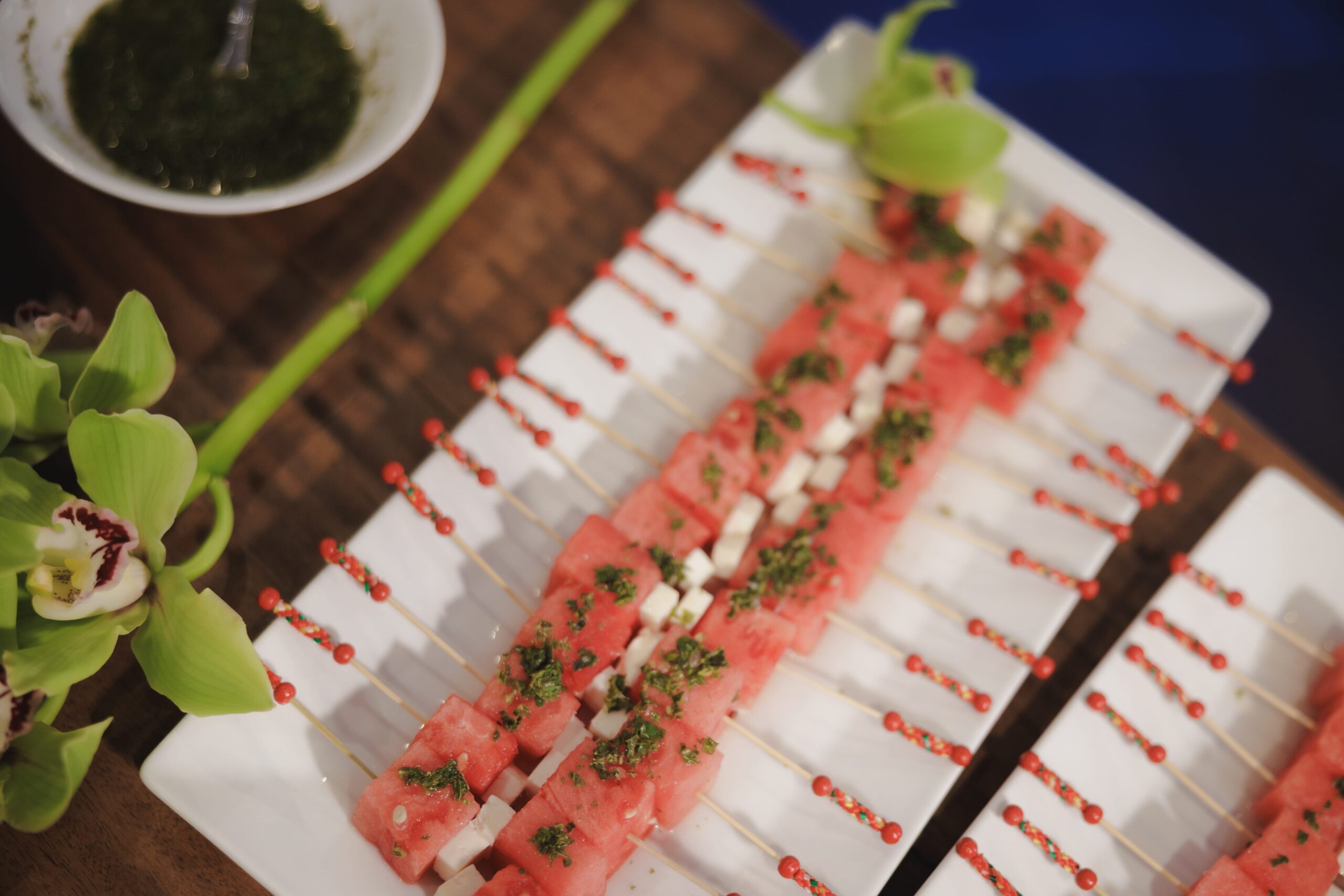
The moment dinner begins, your wedding changes pace. Guests settle into conversation, champagne glasses catch the light, and the menu becomes part of the memory. Knowing how to choose wedding catering style is less about following a trend and more about deciding how you want people to feel in the room: gracefully hosted, warmly connected, delightfully surprised, or free to mingle long into the evening.
For a destination celebration in Puerto Rico, catering also has the opportunity to express a sense of place. The right format can pair refined service with the island’s vibrant ingredients, hospitality, and celebratory spirit, while still feeling entirely personal to you.
Begin With the Experience You Want to Create
Before comparing plated dinners, buffets, and stations, picture the atmosphere of your reception at its best. Is it a candlelit ballroom dinner with a formal program? A garden celebration where guests move easily between the dance floor and food displays? An art-filled evening where every course feels considered and expressive?
Your catering style shapes more than the meal. It affects the rhythm of the evening, the amount of time guests spend seated, the way your room is arranged, and how much interaction occurs around the food. A formal service can create anticipation and elegance. A more open format may bring energy, movement, and conversation.
There is no universally superior choice. The most beautiful format is the one that supports your guest experience rather than competing with it.
How to Choose Wedding Catering Style by Reception Format
Each service style brings a distinct character to the celebration. Understanding the trade-offs makes the decision much clearer.
Plated Dinner Service
A plated dinner is the classic choice for couples who want a polished, composed reception. Guests are seated and served individually, often with a thoughtfully paced progression from first course to entrée and dessert. The presentation feels intentional, and the timing is easier to coordinate with speeches, toasts, and special moments.
This format is especially well suited to evening weddings, formal venues, and smaller or mid-sized guest counts where attentive table service can shine. It also creates a strong visual experience: each plate arrives as a finished composition, reflecting the chef’s point of view and the overall design of the event.
The consideration is flexibility. Guests generally select their entrée in advance, and the schedule follows a more structured flow. That can be ideal for a black-tie reception, but it may feel less natural for a relaxed celebration centered on dancing and mingling.
Buffet Service
A well-designed buffet offers abundance without sacrificing refinement. Rather than a purely functional serving line, luxury buffet service can be arranged as an elegant culinary display, with elevated chafing pieces, carefully considered décor, and attendants who guide the experience.
Buffets offer guests variety and a sense of choice. They can work beautifully for groups with broad tastes or celebrations where generous hospitality is central to the vision. They also make it easier to offer several proteins, seasonal sides, and vegetarian selections without requiring every guest to choose in advance.
Timing and room design matter here. A buffet needs sufficient space and a clear flow so guests are not waiting too long or navigating awkwardly around tables. For larger weddings, multiple buffet lines or strategically placed displays can keep the evening moving smoothly.
Food Stations
Food stations are ideal for couples who want the menu to become part of the entertainment. Instead of one central buffet, guests discover distinct culinary moments throughout the space. A carving station, a seafood presentation, a plantain-inspired specialty, or a chef-attended pasta station can each create its own sense of occasion.
Stations suit social, design-forward weddings because they invite guests to move, explore, and engage. They are particularly effective for cocktail-style receptions, outdoor celebrations, and destination weddings where the food can reflect the flavors of Puerto Rico in an elevated, memorable way.
Because stations encourage circulation, they require thoughtful placement. The goal is an effortless room, not a crowd gathered in one corner. A professional catering team will consider traffic patterns, lighting, accessibility, and the relationship between food, bar service, and the dance floor.
Family-Style Dining
Family-style service places beautifully arranged platters at each table for guests to share. It feels generous, intimate, and communal, making it a lovely option for couples who want dinner to feel like a gathering of loved ones rather than a formal restaurant experience.
The style works best with menus designed for sharing and tables large enough to hold serving pieces comfortably. It brings warmth to the room, although it can be more challenging for very large guest counts or highly formal timelines. It is also worth considering whether your guests will appreciate the ease of passing dishes or prefer the personal attention of plated service.
Cocktail-Style Reception
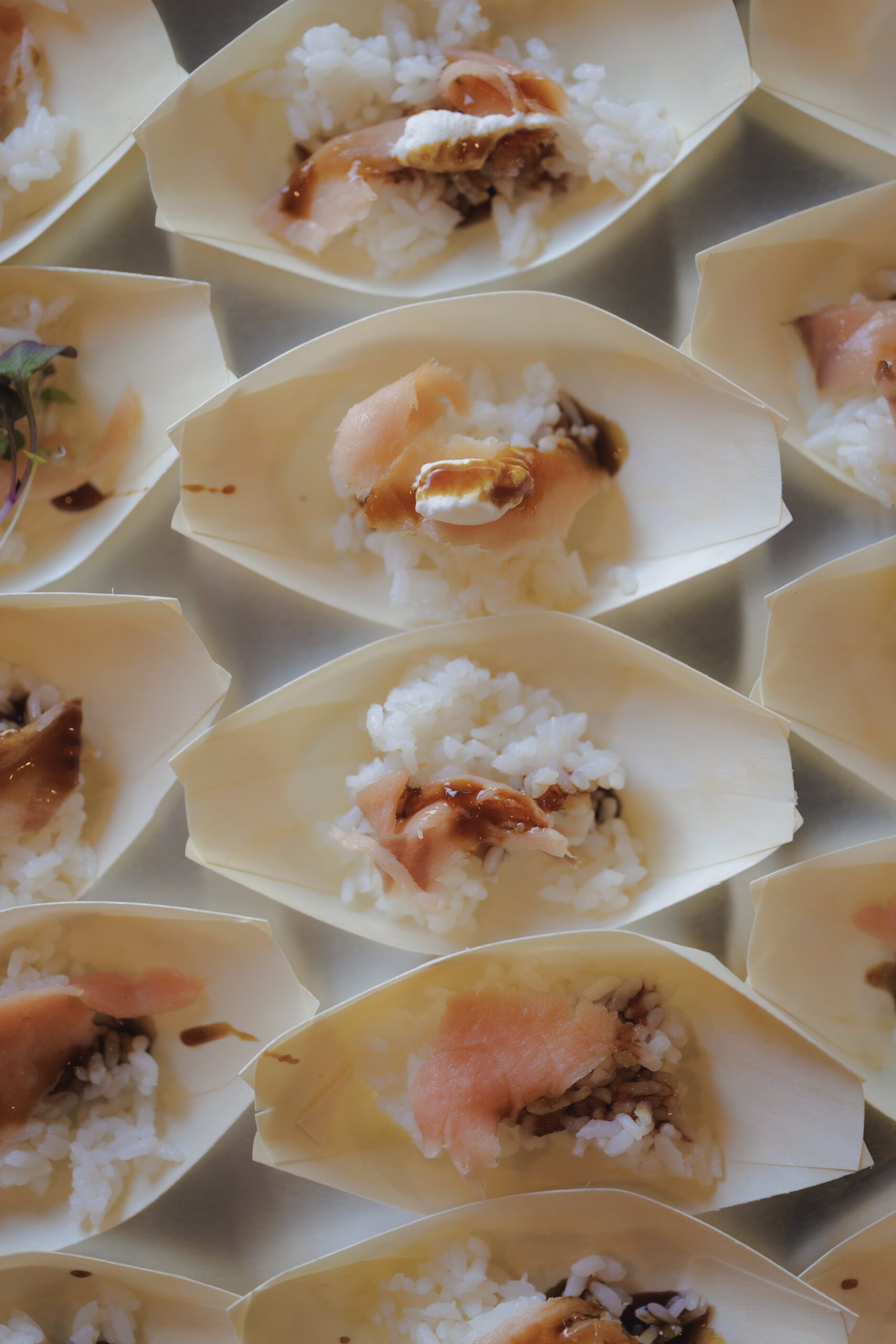
For couples who would rather keep the celebration in motion, a cocktail-style reception can be sophisticated, abundant, and wonderfully festive. Passed hors d’oeuvres, small plates, chef-attended displays, and late-night bites give guests freedom to eat throughout the evening rather than gathering for a traditional seated dinner.
This approach works best when the menu is substantial enough to satisfy guests and the space includes varied lounge seating, cocktail tables, and places to pause. It is not simply a lighter meal. It is a different form of hospitality, one that depends on generous pacing, variety, and attentive service.
Let the Venue Lead Part of the Decision
A reception at a historic estate, a seaside terrace, and a private hall within the Puerto Rico Museum of Art each calls for a different approach. Consider the architecture, the view, the distance from kitchen to table, and the available indoor and outdoor spaces.
A grand ballroom often welcomes a plated dinner, where formal table settings and carefully timed service complement the scale of the room. A museum setting may inspire sculptural food stations or a refined cocktail reception that encourages guests to experience the art and the gathering together. A beachfront celebration may favor a relaxed, beautifully styled station format that feels natural in the setting.
Weather also deserves practical attention in Puerto Rico. For outdoor events, menus and service plans should account for warmth, humidity, wind, and timing. Some dishes hold better than others, and a caterer experienced in local events can protect both food quality and presentation without making the experience feel overly managed.
Consider Your Guests With Generosity
A wedding menu should feel like an expression of the couple, but it should also make guests feel cared for. Your guest count, age range, travel schedules, cultural traditions, and dietary needs all influence the best service style.
For a destination wedding, guests may arrive hungry after travel or may be unfamiliar with the evening’s schedule. A generous cocktail hour followed by dinner can make everyone feel immediately welcomed. If your guests include families, older relatives, or people with mobility considerations, seated service may offer a more comfortable experience than a format that requires frequent standing in line.
Dietary accommodations deserve the same attention as the rest of the menu. Vegetarian, vegan, gluten-conscious, allergy-aware, and child-friendly selections should feel like real culinary choices, not afterthoughts. Plated service makes individualized accommodations easier to manage discreetly, while stations and buffets can provide variety when clearly planned and labeled.
Match the Menu to the Service Style
Some dishes are made for a composed plated presentation. Others become more inviting when served from a chef-attended station or shared across a table. The service format should enhance the menu, not force it into an unsuitable structure.
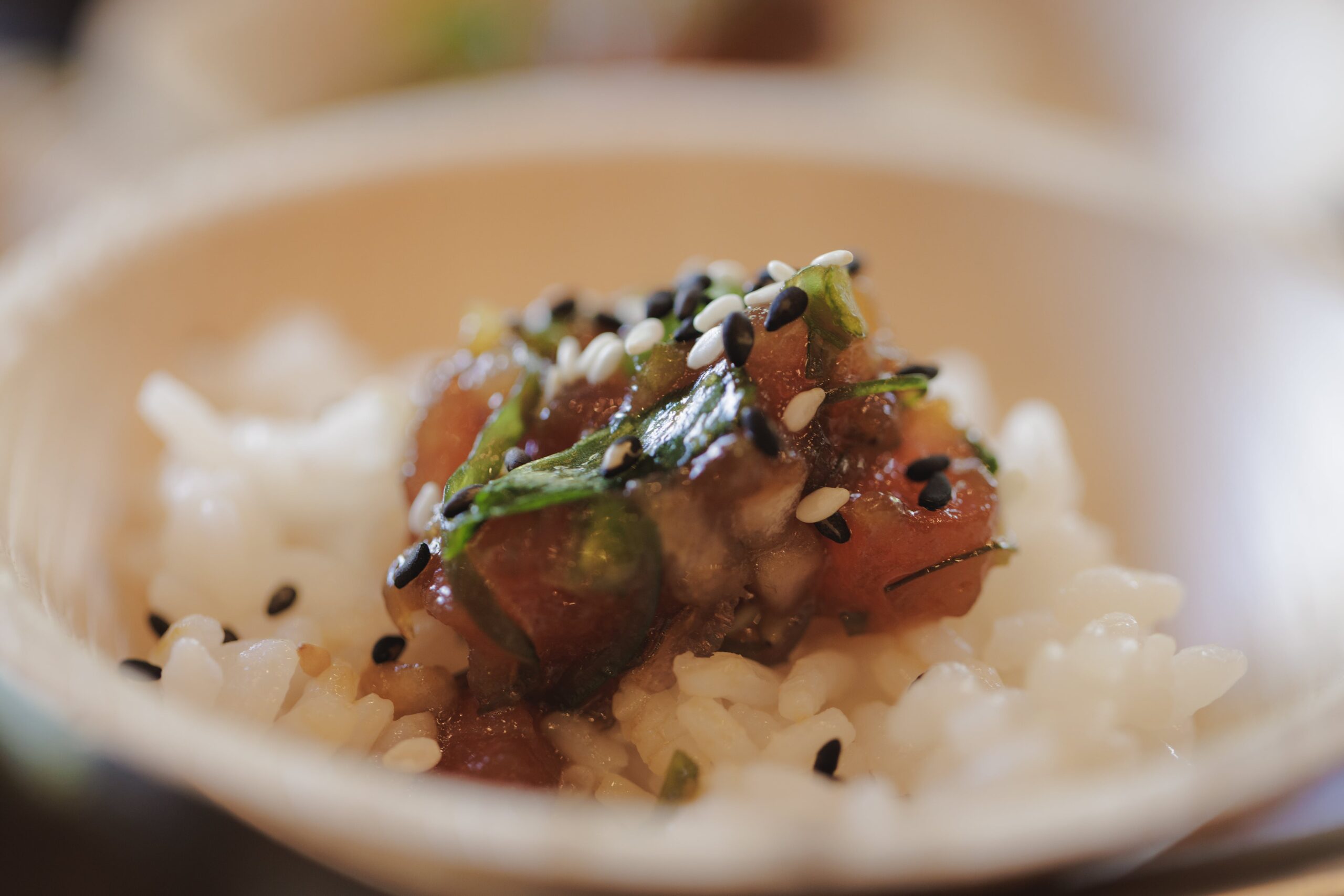
A refined local fish entrée, for example, can feel exceptional as a plated course with seasonal vegetables and a thoughtfully balanced sauce. Slow-roasted meats, vibrant rice dishes, and flavorful sides may be especially welcoming in family-style or buffet service. Interactive preparations, fresh seafood, and regional specialties often gain energy at stations where guests can watch the final touches come together.
This is where chef-led menu design makes a meaningful difference. Rather than selecting from a fixed package, you can shape a menu around your story, the season, and the feeling of the celebration. The result is not simply dinner. It is a culinary experience with a point of view.
Balance Elegance With Budget and Logistics
Catering style affects investment because each format requires different staffing, equipment, rentals, and preparation. Plated service often calls for more servers and precise course timing. Stations may require multiple chefs, specialty displays, and additional service points. Buffets can offer variety efficiently, though elevated presentation and attendants remain essential to a premium result.
Be clear about where your priorities lie. If an impeccably served multi-course dinner is central to your vision, it may be worth directing more of the budget toward service staff and tableware. If you value guest interaction and a broad range of flavors, investing in several distinctive stations may create greater impact.
The best caterer will be candid about what each option requires. They should help you protect the details guests notice most: food served at the right temperature, gracious pacing, beautiful presentation, and a team that anticipates needs without interrupting the moment.
Choose a Style That Feels Like You
Trends can offer inspiration, but your wedding does not need a dramatic grazing table or a formal plated dinner simply because it photographs well. Choose the format that fits the way you host. Think about the meals you love, the gatherings where you feel most at ease, and what you want guests to say as they leave.
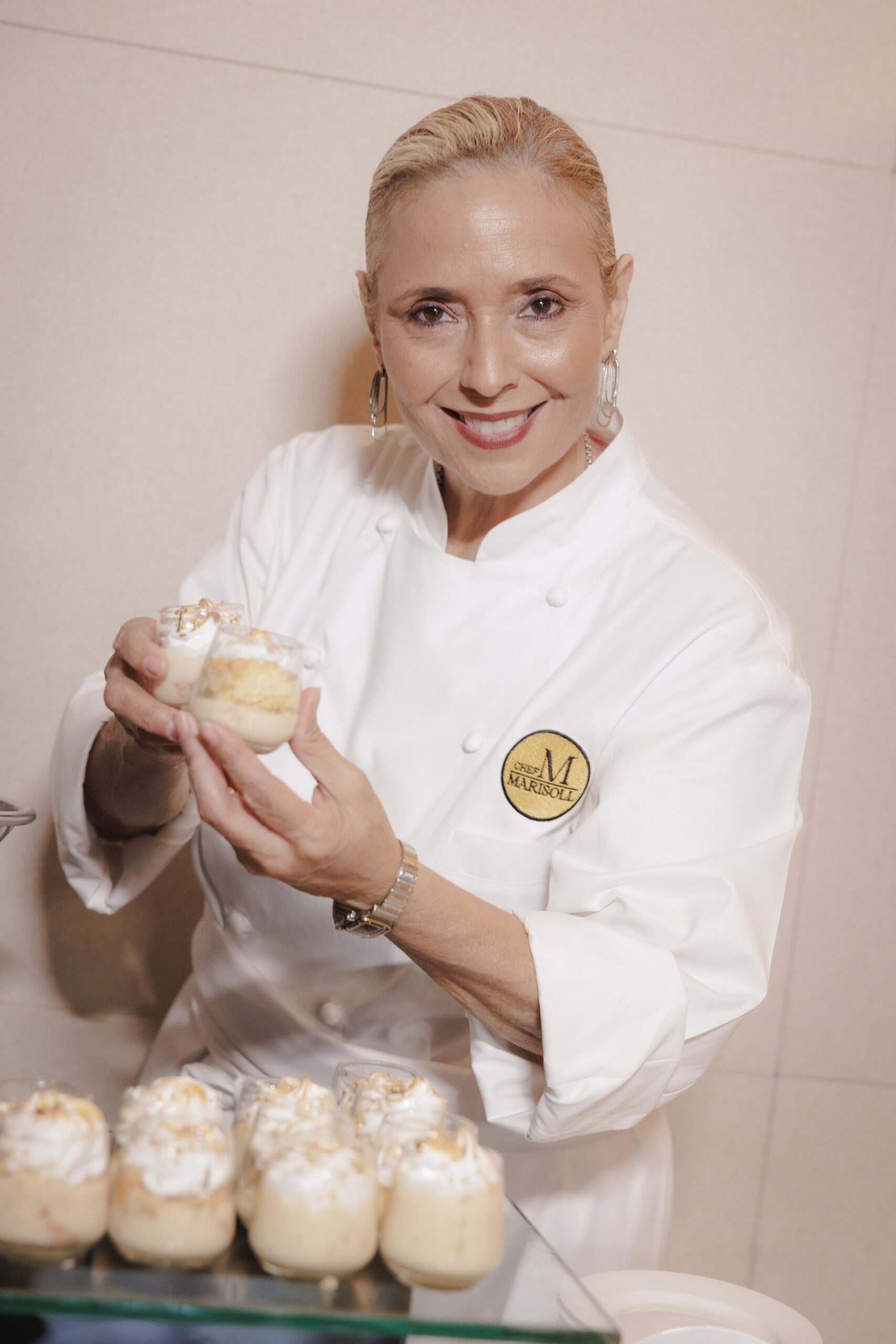
At Chef Marisoll Events, every catering format can be tailored into an exceptional culinary experience, shaped by your vision and delivered with warm, flawless hospitality. The most lasting choice is the one that allows you to be fully present: celebrating, connecting, and trusting that every guest has been beautifully cared for.