An executive dinner begins communicating before the first course reaches the table. The welcome, room temperature, pacing, glassware, and even the ease of finding one’s seat all tell guests how carefully their time has been considered. Learning how to plan executive dining events means designing those details with the same intention as the menu.
For a leadership retreat, board dinner, investor reception, or private client gathering, the goal is rarely extravagance for its own sake. It is to create an environment where meaningful conversation feels natural and every guest feels recognized. That requires a clear event purpose, a gracious setting, and culinary service calibrated to the people in the room.
Begin With the Business Purpose
Executive dining should support a specific relationship or decision. A dinner following a strategic planning session calls for comfort, discretion, and a pace that lets guests decompress. A client appreciation dinner may call for more visual theater and a distinctly local point of view. An investor event may need a polished reception that moves confidently from introductions to a seated meal.
Define what success looks like before discussing menu selections. Is the occasion meant to strengthen an existing partnership, welcome visiting leadership, celebrate a milestone, or offer a private setting for sensitive conversations? The answer shapes the guest count, service format, schedule, and atmosphere.
It also helps establish the right scale. A dinner for 12 executives can be highly tailored, with individually considered place settings and a menu that unfolds at an unhurried pace. A reception for 80 senior guests needs a different approach: thoughtful circulation, attentive passed appetizers, and food stations that are elegant without creating lines or interrupting conversation.
Build the Guest List With Care
Guest dynamics matter as much as the number of attendees. Consider titles, cultural expectations, dietary needs, language preferences, and whether guests already know one another. If executives are meeting for the first time, a reception period before dinner gives the room a softer entry point. If the group is already close, an intimate table may be more effective than a larger, formal layout.
Ask for dietary information early, not as a final-week detail. A premium experience does not make a guest feel separate because of an allergy, religious requirement, or personal preference. A well-designed menu accommodates them with the same care and presentation as every other plate.
Choose a Venue That Carries the Right Message
The venue does more than provide a backdrop. It establishes the emotional register of the evening. For some events, a private dining room near the company’s meeting location is practical and appropriate. For others, a culturally significant setting creates the distinction the occasion deserves.
Look for a space that offers privacy without feeling closed off, as well as comfortable acoustics, reliable climate control, and a natural flow from arrival through dessert. Executive guests should not be competing with loud neighboring functions or searching for a quiet corner to continue an important conversation.
In Puerto Rico, a venue with art, architectural character, or a connection to the island’s cultural life can give an executive event a sense of place that a conventional hotel ballroom cannot replicate. The private hall at the Puerto Rico Museum of Art, for example, pairs the dignity of a formal occasion with an atmosphere that feels distinctive and memorable.
The trade-off is that an unusually beautiful venue may require greater planning around load-in times, event access, or room configuration. Those considerations are worthwhile when managed by an experienced event team, but they should be part of the conversation from the start.
How to Plan Executive Dining Events Around the Menu
The strongest executive menus are expressive without being overly complicated. Guests may be arriving after a full day of meetings, traveling between time zones, or preparing for an early departure the following morning. A meal should feel generous and refined, never heavy or demanding.
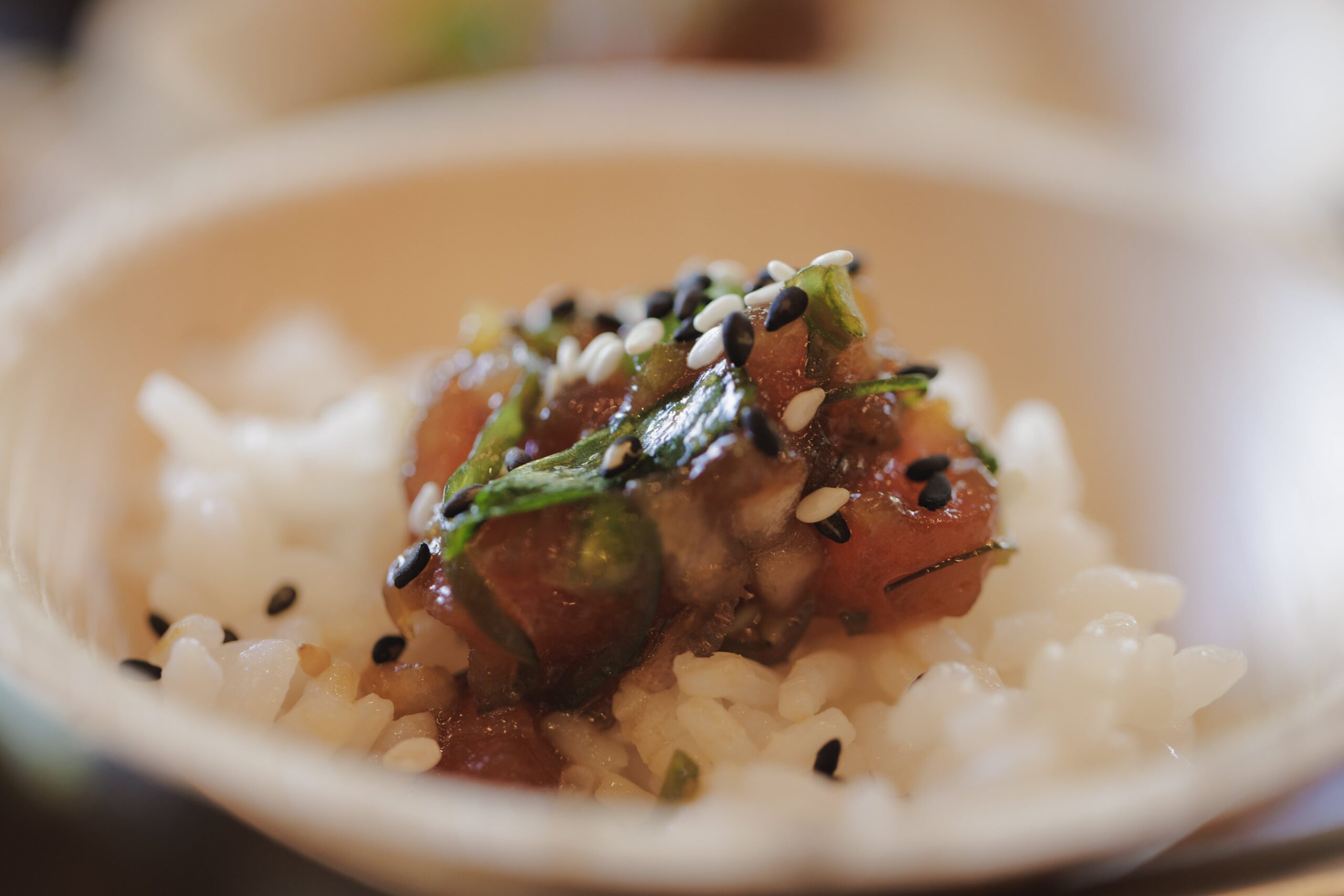
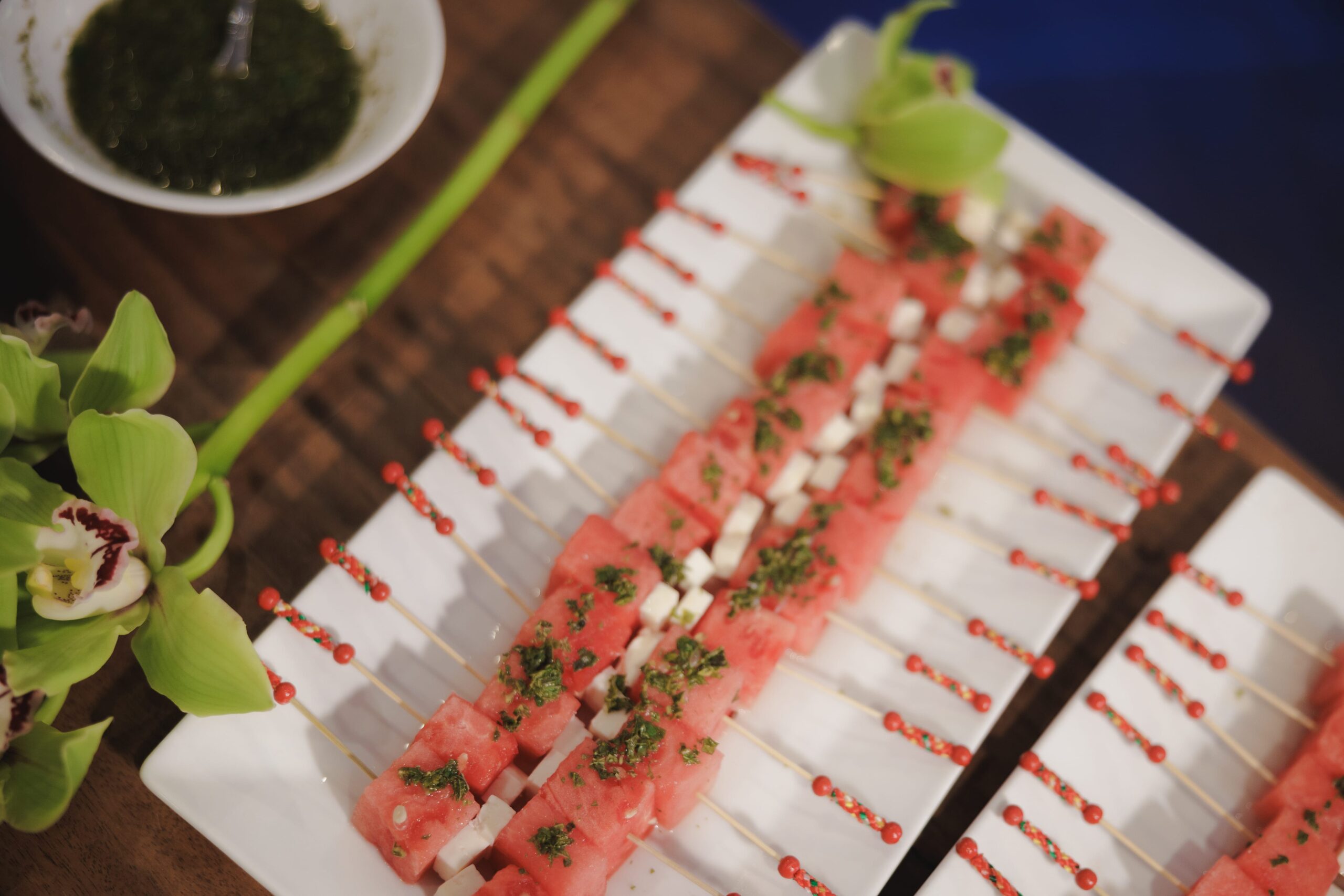
Start with the season and the event’s desired mood. Bright seafood, tropical fruit, and finely composed salads suit a warm-weather reception or an evening that celebrates Puerto Rico’s coastal character. For a more formal dinner, a composed entrée with rich but balanced flavors can bring a sense of occasion while still allowing guests to remain comfortable and engaged.
Puerto Rican influence is especially powerful when it is treated as culinary artistry rather than decoration. Local ingredients, familiar flavors reimagined with elegance, and thoughtful presentation offer visiting executives an authentic experience of the island. For local guests, those details can feel personal and proud rather than predictable.
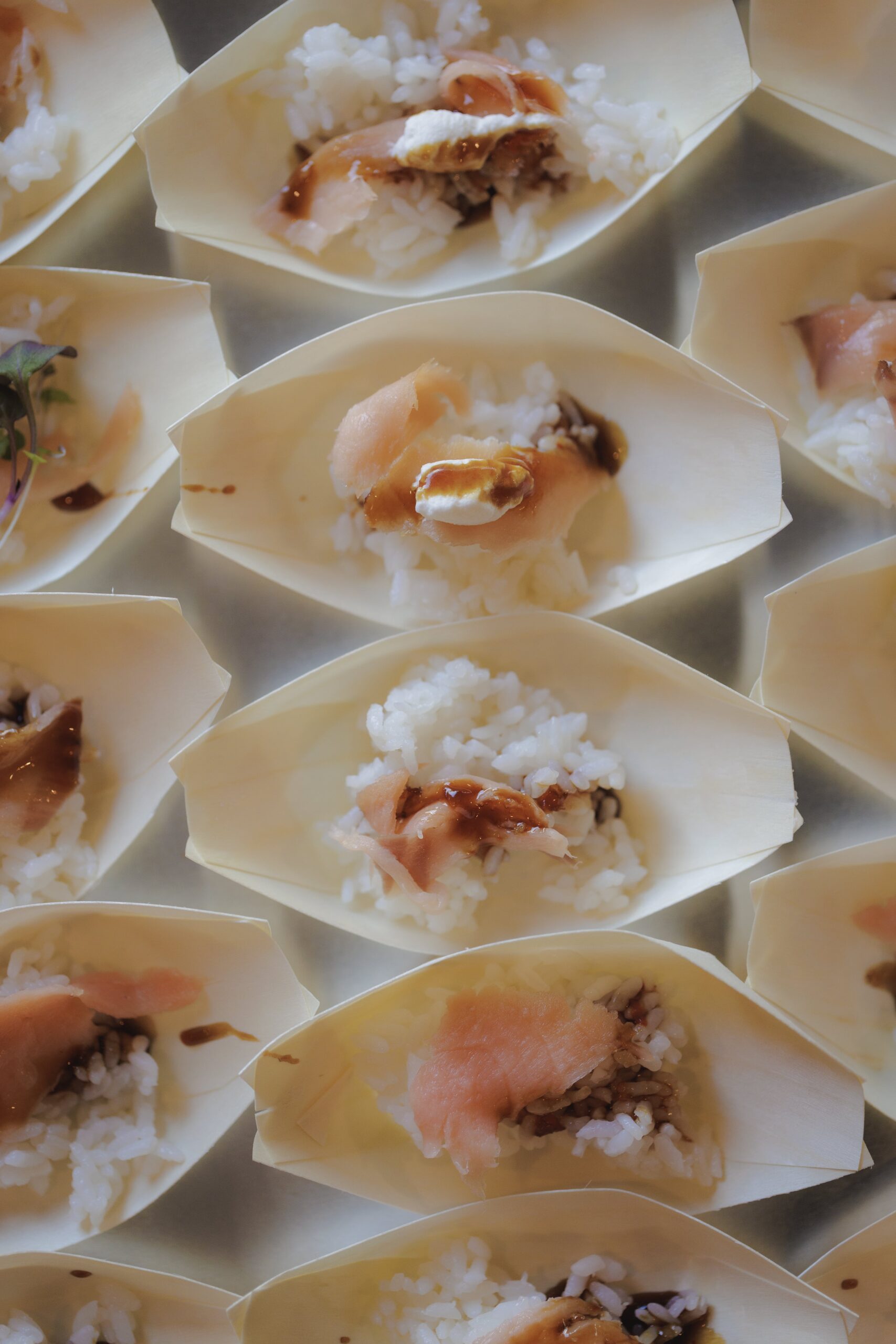
A plated dinner often works best when speeches, presentations, or confidential discussion are central to the evening. It creates rhythm and gives the host greater control over timing. A buffet or chef-attended station format can be ideal for a larger reception, especially when the purpose is relationship-building and guests benefit from moving through the room.
Keep Beverage Service Considered
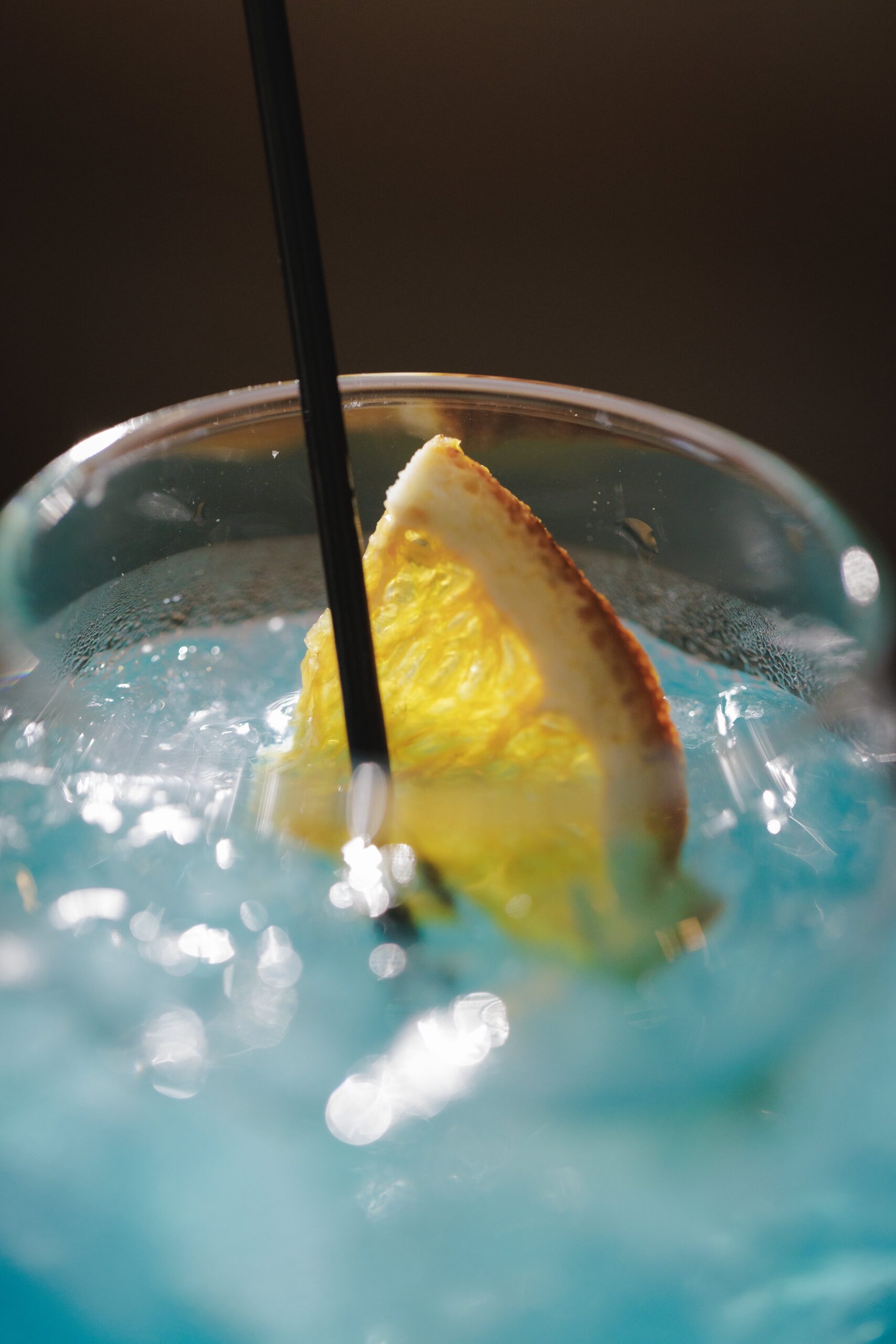
A beautifully chosen wine pairing can elevate a seated dinner, while a focused cocktail menu may suit a standing reception. The key is moderation and choice. Offer excellent nonalcoholic options with the same visual care as the bar program, particularly when guests are driving, traveling, or simply prefer not to drink.
Service staff should be able to guide guests discreetly, replenish glasses without hovering, and recognize when conversation calls for space. In executive settings, polished service is often most noticeable in what guests never have to request.
Design the Evening’s Pace
A common planning mistake is treating a dinner as the final item on an agenda. Executive guests need a transition between formal meetings and social engagement. Build in a welcome period of 30 to 45 minutes, allowing arrivals to settle, introductions to happen naturally, and the host to greet each guest personally.
For a seated meal, plan enough time for courses to be served with calm precision. A rushed three-course dinner can undermine the very sense of hospitality it is meant to create. At the same time, an overly long meal may strain guests who have flights, early meetings, or family commitments. The right pace depends on the program, but clarity is always gracious.
If remarks are planned, keep them purposeful. Place a brief welcome after guests are seated or between courses, rather than interrupting the room repeatedly. Avoid presentations during the first bites of a carefully prepared dish. Food gives people an easy opening for conversation; let it do that work.
Refine the Details Guests Feel
The most memorable executive events are not crowded with unnecessary embellishments. They are coherent. Florals, linens, tabletop pieces, lighting, and printed menus should share a quiet point of view that supports the host’s brand and the venue.
Choose seating arrangements intentionally. A long table can feel intimate and ceremonial, while rounds may encourage broader conversation. For sensitive business discussions, think carefully about who should sit beside whom. A well-placed guest can help a conversation flow; an overlooked seating plan can create unnecessary distance.
Confirm practical details with the same discipline as aesthetic ones: arrival instructions, valet or transportation, accessibility, dietary notes, coat storage, weather contingencies, and a clear point of contact for the host. These details protect the guest experience and allow leadership to remain present rather than managing logistics.
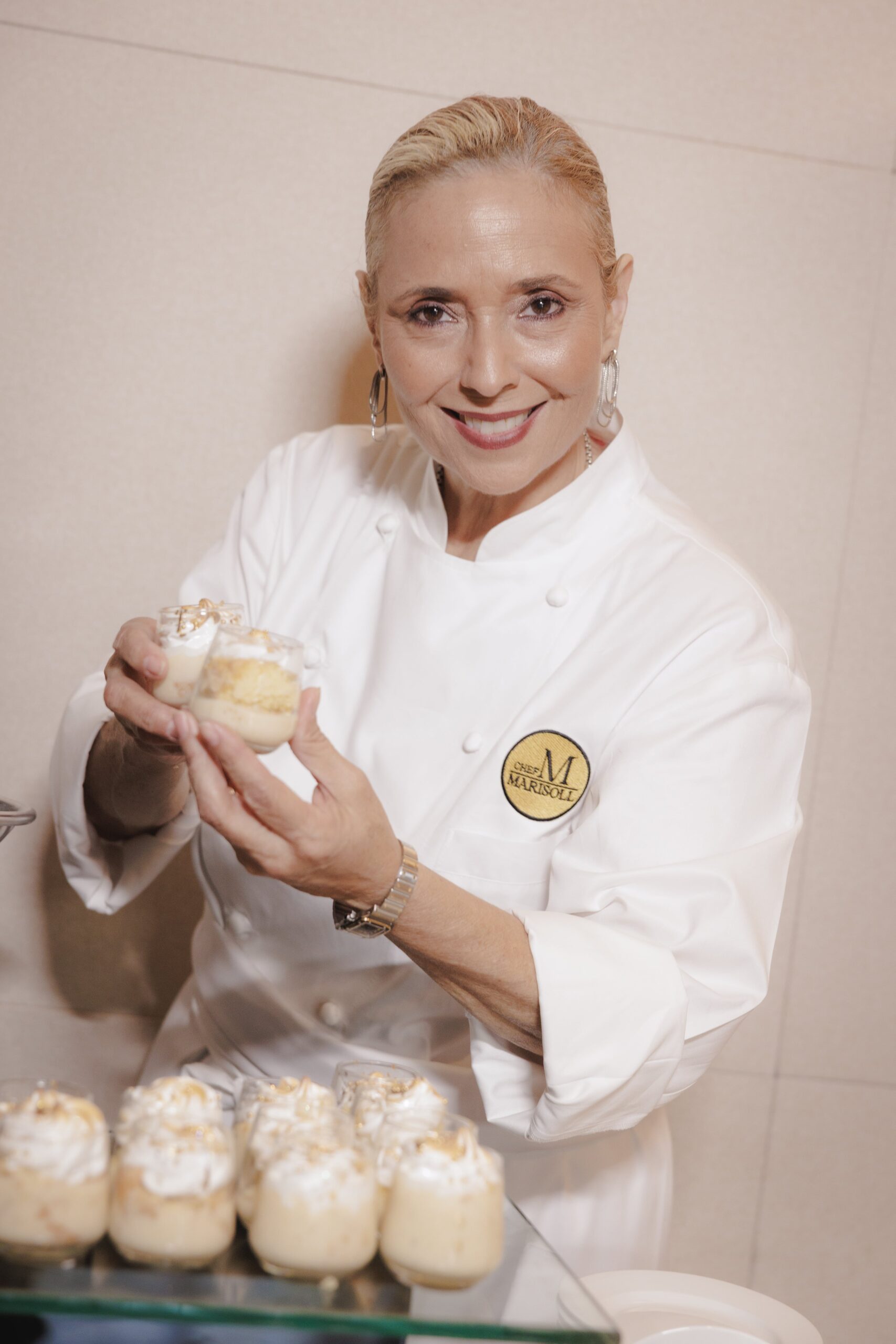
Chef Marisoll Events approaches these occasions as more than catered dinners. With chef-led menu design and decades of hospitality experience, the focus is on creating an evening where the food, service, and setting feel naturally aligned with the importance of the gathering.
Give Your Team a Clear Run of Show
Even an intimate dinner benefits from a concise event timeline. It should note vendor arrival, room readiness, guest arrival, bar opening, seating, courses, remarks, and closing service. Share it with the key host contact, venue team, and culinary staff so decisions are made before guests arrive.
Leave room for human moments. A late flight, a conversation that needs an extra ten minutes, or an unexpected toast should not throw the evening off course. The best planning creates enough structure to support flexibility.
When the final coffee is served, guests may not remember every menu description or decorative detail. They will remember whether the evening made them feel welcomed, respected, and genuinely well cared for. Plan for that feeling, and the business purpose of the dinner has already found its most persuasive expression.