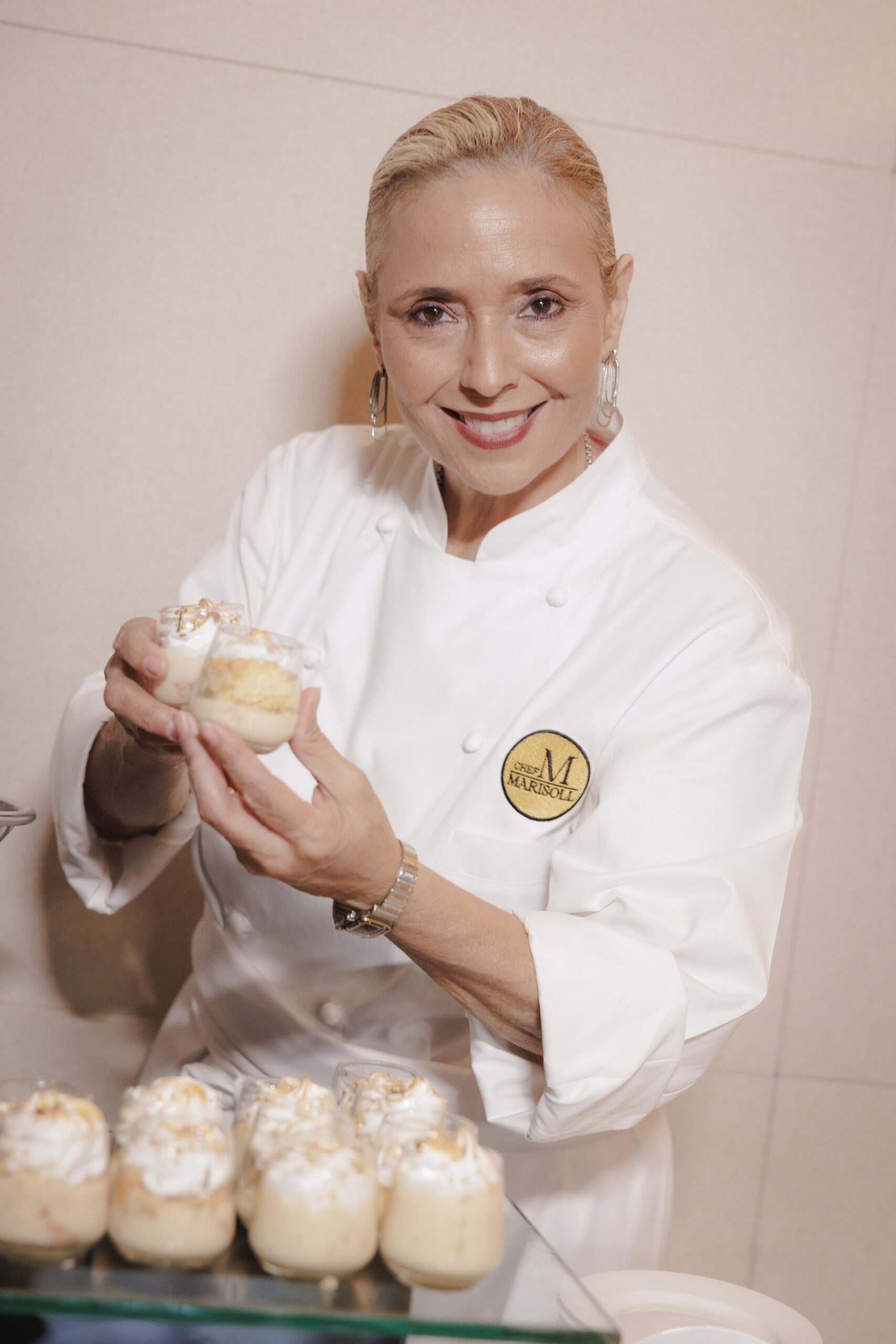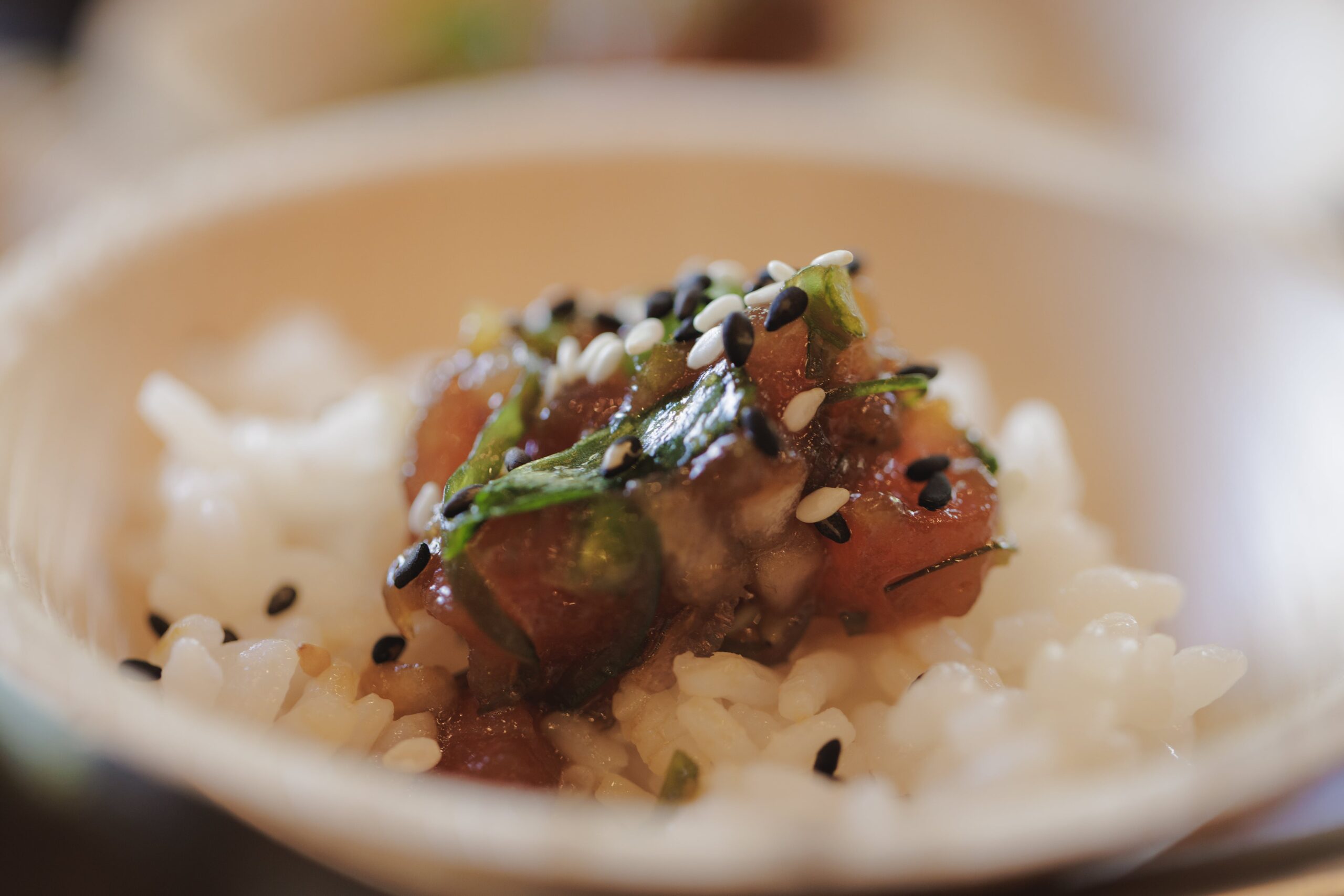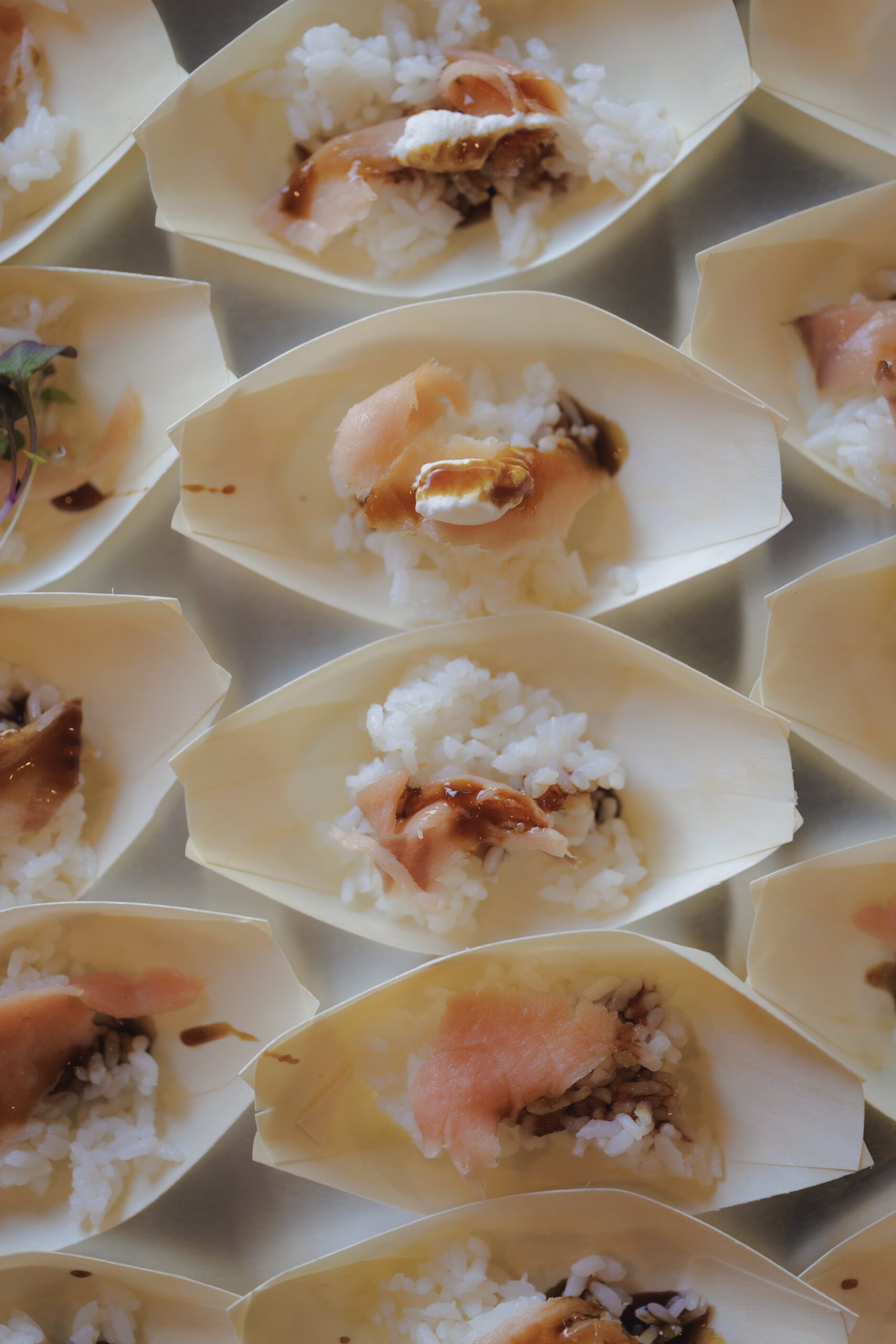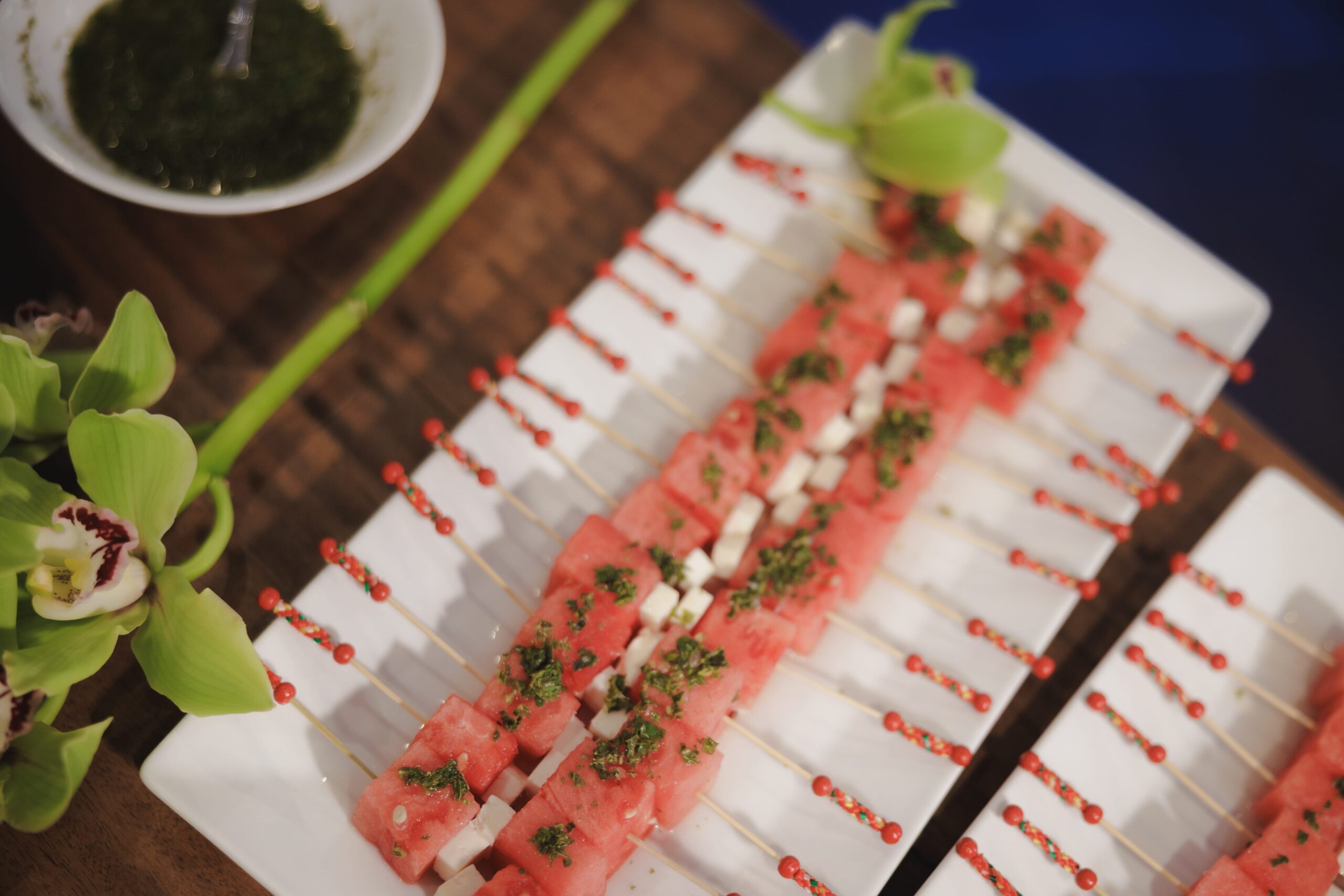
A menu tasting is where an event begins to feel real. The colors are no longer only on a mood board, the menu is no longer a list of possibilities, and the celebration takes on a flavor guests will associate with the occasion. Knowing how to schedule menu tastings thoughtfully gives you the time and clarity to make decisions that feel personal, polished, and true to your vision.
For a wedding in Puerto Rico, an executive reception, or an intimate milestone dinner, the tasting should be more than a practical appointment. It is a guided culinary conversation with your chef and event team, designed to shape an experience that feels gracious from the first cocktail to the final course.
How to Schedule Menu Tastings at the Right Time
The best time to schedule a menu tasting is after you have selected your caterer and established the core details of your event: the date, venue, approximate guest count, service format, and overall style. Without these foundations, it is difficult to evaluate a dish in the context where it will actually be served.
For weddings and destination celebrations, aim to arrange your tasting about three to six months before the event. This leaves room to refine selections, account for seasonal ingredients, and finalize rentals, service details, and beverage pairings. Couples planning from the mainland may prefer to coordinate a tasting with a planned visit to Puerto Rico. In that case, reserve the appointment as soon as travel dates are known, especially during popular wedding months.
Corporate hosts may have a shorter planning window. A tasting four to eight weeks before an executive dinner or VIP reception can work well when the event scope is clear and the guest count is reasonably stable. The trade-off is flexibility: the closer the event date, the less practical it may be to make broad changes to menu style, specialty ingredients, or service design.
Private celebrations fall somewhere in between. A birthday dinner, anniversary, or family gathering often allows for more spontaneity, but an early tasting remains valuable when the event includes multiple courses, food stations, or guests with distinct dietary needs.
Begin With a Clear Event Brief
Before confirming a tasting date, share the story of your event with your caterer. A skilled culinary team can make more meaningful recommendations when they understand not only what you want to serve, but how you want the evening to feel.
Consider the setting, time of day, guest profile, and rhythm of the celebration. A sunset cocktail reception at the Puerto Rico Museum of Art may call for refined passed hors d’oeuvres, crisp seafood preparations, and tropical notes presented with restraint. A formal ballroom wedding might invite a composed plated dinner with a classic structure and a distinctly Puerto Rican point of view. An executive luncheon requires a different balance entirely: elegant, efficient, and satisfying without slowing the conversation.
You do not need to arrive with every detail decided. In fact, leaving room for the chef’s perspective often leads to the most memorable choices. Bring inspiration, preferences, and priorities rather than a rigid list of dishes. Mention meaningful family flavors, favorite ingredients, cultural traditions, and the level of formality you envision.
Confirm who should attend
Keep the tasting group small enough to make decisions comfortably. For most weddings, the couple and one or two trusted decision-makers is ideal. For corporate events, include the primary host, an event planner if applicable, and the person who will approve the budget.
Too many opinions can blur the purpose of the appointment. The goal is not to create a committee review. It is to select a menu that serves the event beautifully and represents the hosts with confidence.
Choose What to Taste, Not Every Possible Dish
A menu tasting should reflect the proposed event menu, not become an all-day sampling of every item a caterer offers. Ask your chef to present a focused selection that demonstrates the direction of the meal: one or two cocktail bites, a first course or salad, a main course, an accompaniment, and a dessert element when appropriate.
If you are choosing between plated service, a buffet, or chef-attended food stations, request examples that help you understand the guest experience of each format. A plated menu offers a measured, formal progression and carefully composed presentation. Stations can feel more social and expansive, particularly for celebrations where guests are meant to mingle. Neither is inherently better. The right choice depends on your timeline, venue layout, guest count, and the energy you want in the room.
For a menu with broad dietary considerations, taste the alternatives as seriously as the main selections. A vegetarian entrée, gluten-conscious preparation, or child-friendly option should feel intentional, not like an afterthought. Premium hospitality means every guest is welcomed to the table with care.
Ask how dishes will translate at scale
A tasting is prepared for a small table. Your event may welcome 40 guests, 150 guests, or far more. Ask how the presentation, temperature, timing, and portioning will be managed during service.
This question is especially useful for delicate seafood, crisp textures, sauces, and dishes with multiple components. A beautiful menu must also perform gracefully in a live event environment. Experienced caterers consider not only flavor, but the pace of the kitchen, the distance to the dining room, and the exact moment a plate reaches each guest.
Prepare Questions That Lead to Better Decisions
The most productive tastings balance instinct with practical planning. You may immediately love a dish, but it is wise to understand how it fits into the full occasion. Rather than asking whether every course is your personal favorite, consider whether the menu has variety, progression, and a sense of occasion.
Ask which ingredients are seasonal at the time of your event and whether any selections may need a thoughtful substitution. In Puerto Rico, seasonality can offer exceptional opportunities for bright fruit, local herbs, fresh seafood, and regional ingredients that lend authenticity to the table. It can also affect availability, particularly for highly specific products.
Discuss beverage service early. A signature cocktail can shape the opening mood, while wine or spirit pairings can bring a formal dinner together. If you have selected a cake designer or dessert concept separately, ask how the catered dessert course can complement it without overwhelming the end of the meal.
It is also helpful to clarify service timing. How long will cocktail hour last? Will speeches occur between courses? Does the menu need to accommodate a late-night dance floor or a short program between meetings? Food and flow are closely connected, and a well-paced menu supports the atmosphere rather than interrupting it.
Evaluate the Experience Beyond the Plate
Flavor matters deeply, but a menu tasting also gives you a close view of how your caterer listens, guides, and responds. Notice whether the team asks intelligent questions about your guests and event goals. Consider whether recommendations feel tailored rather than rehearsed. Pay attention to presentation, pacing, and the confidence behind each suggestion.
This is particularly meaningful for destination clients who need a partner they can trust from afar. You are selecting more than a menu. You are selecting the people responsible for an essential part of your guests’ experience.
At Chef Marisoll Events, that conversation is chef-led and personal, drawing on decades of hospitality experience and the richness of Puerto Rican culinary culture. The purpose is never to fit a celebration into a preset package. It is to craft a menu with the elegance, warmth, and clarity the occasion deserves.
Finalize With Room for Graceful Adjustments
After the tasting, document the selections and any changes while the experience is fresh. Confirm the final menu structure, service style, dietary accommodations, estimated guest count, and any elements that still depend on later decisions, such as floral design, tableware, or beverage choices.
Avoid making final changes based solely on a single guest’s preference. A successful event menu is not required to please every palate in exactly the same way. It should offer a generous, balanced experience that feels cohesive and accommodates genuine needs.
If your guest count shifts, communicate it promptly. If a key ingredient becomes unavailable, trust the agreed process for chef-recommended substitutions. The strongest menus have a clear point of view, along with enough flexibility to remain beautiful when real event logistics evolve.
Schedule your tasting early enough to enjoy it, arrive ready to share the feeling behind your celebration, and let the final selections become an invitation your guests will be delighted to accept.