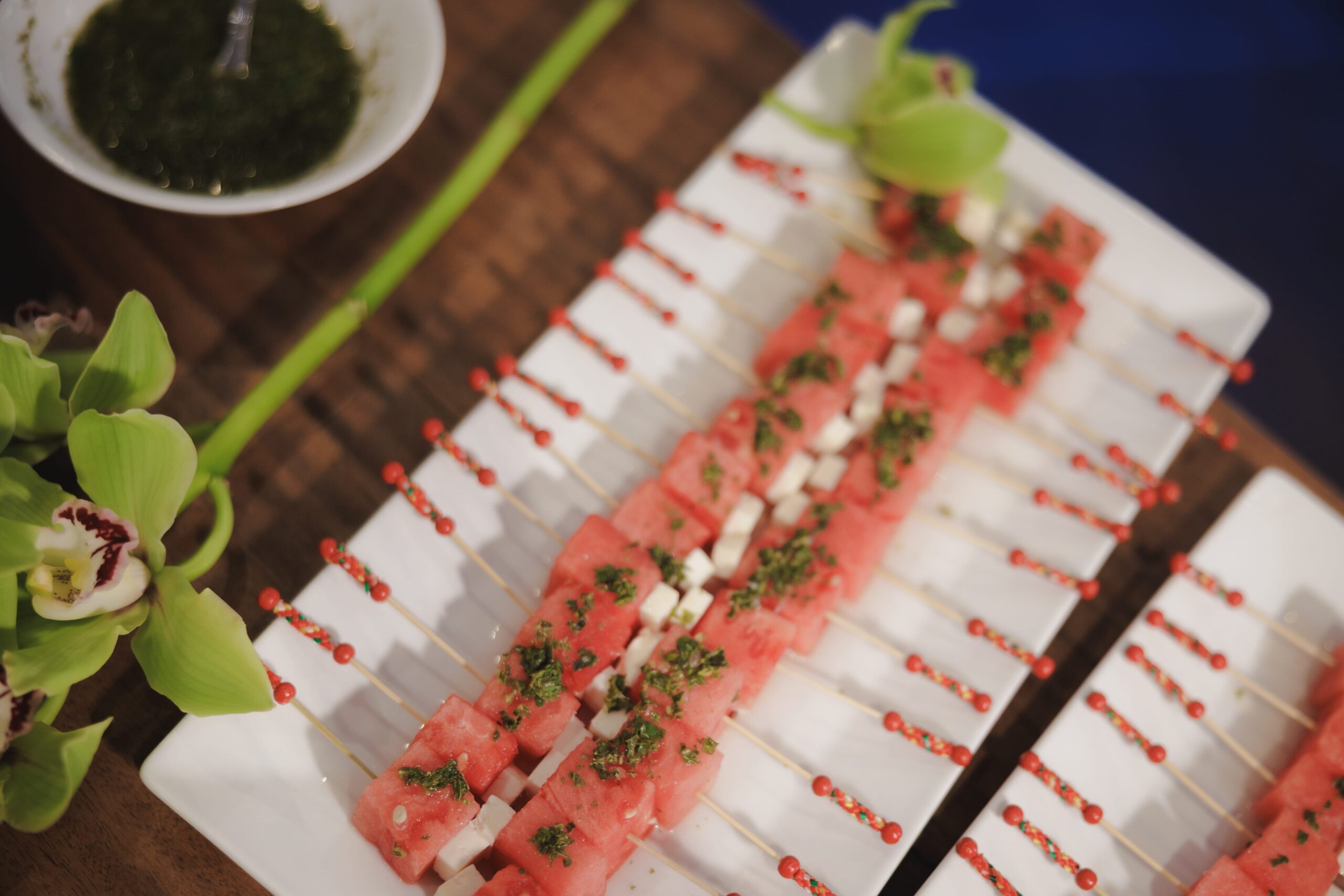
A memorable dinner for twelve can require more discernment than a reception for one hundred. When planning intimate luxury dinner parties, every detail is visible: the welcome at the door, the temperature of the wine, the pace between courses, and the conversation a table setting invites. The reward is equally personal. Guests do not simply attend. They feel considered.
For hosts in Puerto Rico, an intimate gathering also offers a beautiful opportunity to bring together refined hospitality, seasonal ingredients, and the warmth of island culture. The goal is not to make a small room feel grander than it is. It is to make each guest feel that the evening could not have been designed for anyone else.
Let the Occasion Shape the Experience
Luxury begins with clarity. Before selecting flowers or discussing a first course, define the purpose of the dinner. A milestone birthday calls for a different energy than an executive gathering, an engagement celebration, or a destination weekend welcome dinner. The occasion informs the menu, service style, music, timing, and even the level of formality guests will enjoy.
Consider what you want people to remember the next morning. Perhaps it is a thoughtful toast, a beautifully plated seafood course, or the ease of lingering over dessert without anyone watching the clock. One clear emotional intention keeps the event from becoming a collection of attractive but disconnected decisions.
Guest count matters, but not in the way many hosts assume. Eight to sixteen guests often creates the ideal range for an elevated dinner: intimate enough for genuine conversation and substantial enough to create atmosphere. A smaller table can be particularly striking, though it benefits from a more deliberate rhythm. With only six guests, a lengthy formal service may feel overly structured. With twenty guests, a family-style presentation or well-designed stations may encourage a more natural flow than a strictly plated meal.
Planning Intimate Luxury Dinner Parties Around the Table
The table is the visual and social center of the evening. Start with proportion. Guests should have enough room for glassware, plates, and comfortable movement, but the arrangement should not feel so expansive that conversation becomes fragmented. A single long table can feel cinematic for a celebratory dinner, while several smaller round tables create a softer, more conversational setting for mixed groups.
Choose linens, chargers, florals, and candlelight as part of one composition rather than separate decorative moments. Rich textures such as linen napkins, hand-finished ceramic pieces, and low floral arrangements add dimension without obstructing sightlines. Candles should flatter the room and the food, not compete with it. If the celebration begins before sunset, allow the setting to transition naturally from daylight into a warmer evening glow.
A luxury table does not need to be crowded. In fact, restraint often feels more refined. One exceptional floral element, beautiful glassware, and polished place settings can make a stronger impression than an abundance of decorative objects. Leave room for the food to arrive as part of the visual experience.
The venue should serve the intended mood. A private residence can feel deeply personal when the kitchen and service flow are properly supported. A private hall, particularly one with artistic character, brings an immediate sense of occasion. At the Puerto Rico Museum of Art, for example, a private dining setting can pair cultural sophistication with the intimacy of a carefully hosted celebration.
Design a Menu With a Point of View
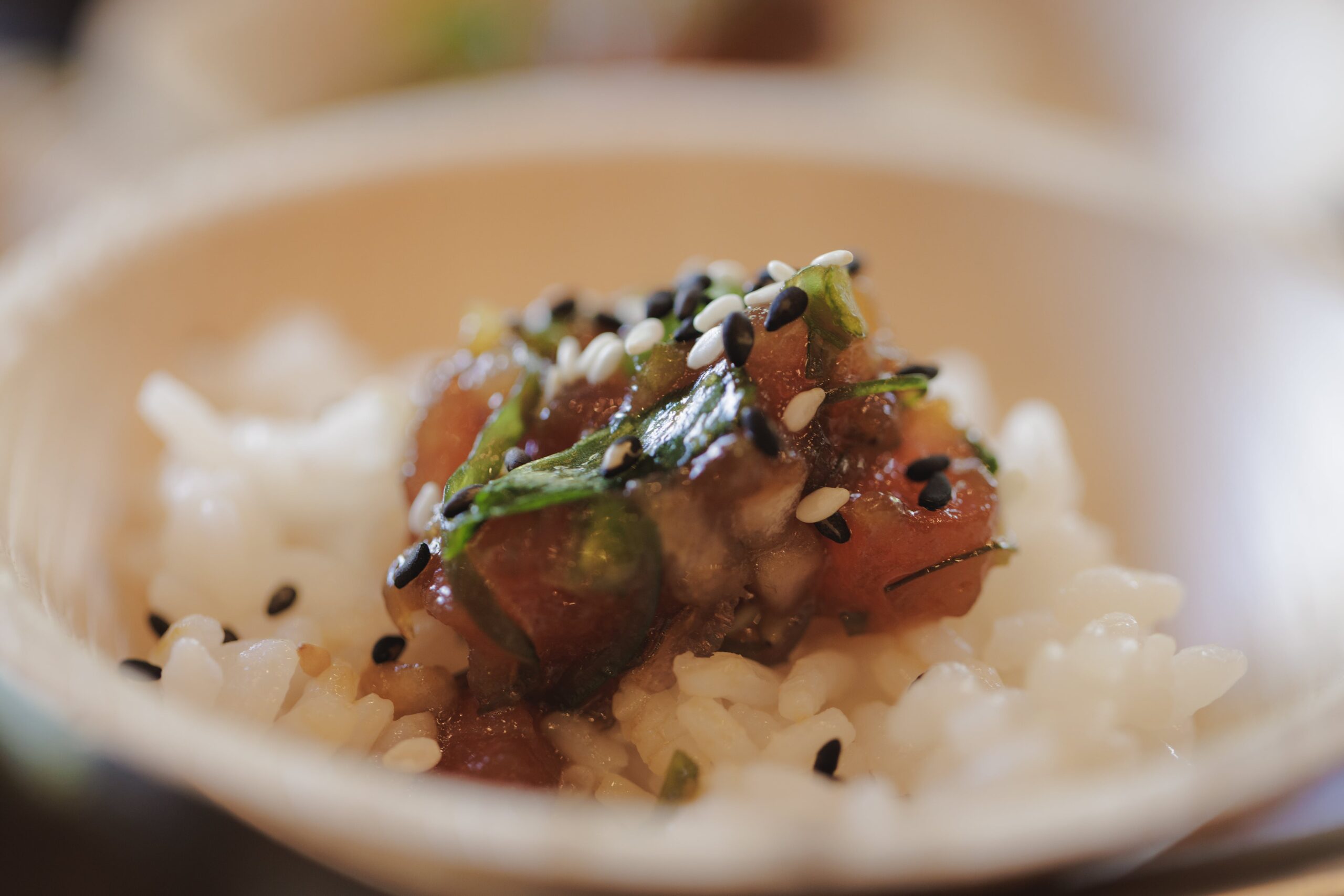
A luxury menu should tell a story, not simply present a series of expensive ingredients. The strongest menus balance familiarity and surprise, moving guests comfortably through flavors while offering a few moments of discovery. Puerto Rican influence can appear with quiet confidence through local seafood, tropical fruit, plantains, heritage spices, or a modern interpretation of a beloved classic.
Begin with the season and the guest list. A warm-weather dinner may call for bright citrus, fresh fish, chilled starters, and lighter sauces. A more formal evening might welcome a richer entrée, composed accompaniments, and a dessert with depth. The menu should feel appropriate to the setting, not governed by a fixed idea of what fine dining must be.
Personalization is where chef-led catering makes a meaningful difference. Ask guests about dietary needs early, but also consider preferences that are not restrictions. A host may want a vegetarian guest to receive a dish designed with the same care and visual appeal as every other plate, not an afterthought. Families with varied tastes may appreciate a menu that offers elegant choices without making the evening feel operational.
Courses should also be paced with intention. Four beautifully executed courses can feel more luxurious than seven that arrive too quickly. A cocktail reception before dinner allows guests to settle in, while a composed dessert and coffee service gives the evening a graceful landing. The exact format depends on the occasion, but no guest should feel rushed or left waiting.
Treat Service as Part of the Hospitality
Flawless service is often noticed most when it is almost invisible. Glasses are refreshed without interruption. Courses arrive at the right temperature. A napkin is replaced quietly. The host is free to be present rather than managing ice, timing, or last-minute questions from the kitchen.
This is one of the clearest distinctions between an elegant dinner and a dinner that merely looks elegant in photographs. Professional service brings calm to the room. It also protects the menu, ensuring that each course is served as the chef intended and that dietary accommodations are handled with discretion.
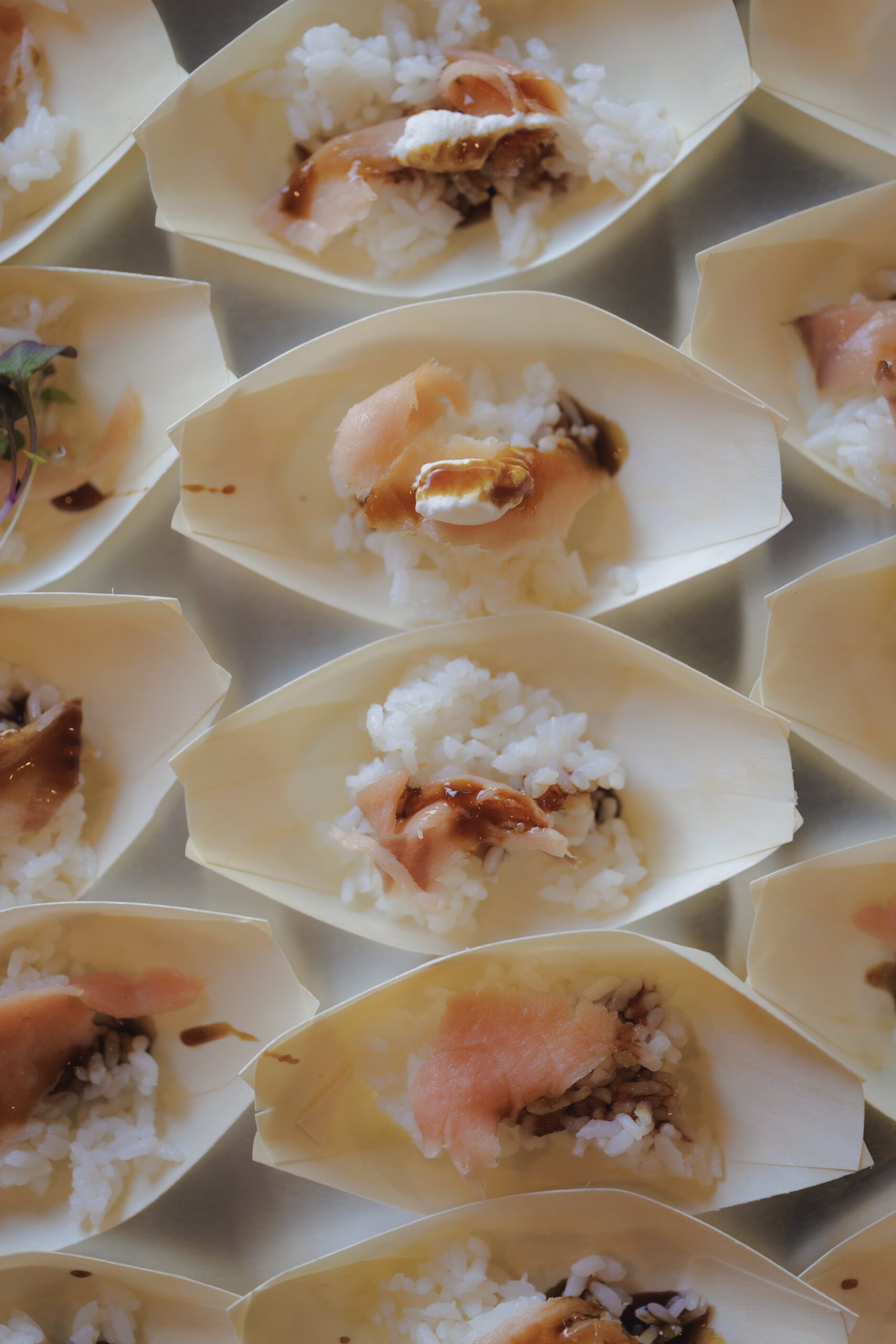
For a highly formal dinner, plated service offers precision and visual impact. For a relaxed but elevated gathering, shared platters can create generosity and warmth, especially when the dishes are designed to look beautiful at the center of the table. Neither approach is inherently more luxurious. The right choice depends on whether you want the evening to feel ceremonious, convivial, or somewhere in between.
Create a Rhythm Beyond the Meal
Food anchors the evening, but atmosphere lives in the moments between courses. A curated playlist, a welcome cocktail, a brief toast, or an after-dinner digestif can shape the experience without forcing entertainment into every minute. The most successful gatherings allow space for conversation.
Be mindful of sound. Live music can be exquisite for an arrival or a post-dinner moment, but it should not make the table work harder to connect. Similarly, dramatic floral installations and statement lighting are best reserved for settings with enough scale to support them. Intimacy has its own beauty, and it usually asks for details that reward close attention rather than demand attention from across the room.
A thoughtful host also plans the transition at the end of the night. Guests may move to a terrace for coffee, enjoy petits fours with a final pour, or receive a small, elegantly packaged favor. These gestures are not required, but they can make a celebration feel complete rather than abruptly finished.
Give the Planning Process Room to Breathe
The most polished private dinners are rarely assembled in a few days. Begin with the date, guest count, location, and desired style, then secure your culinary and service team before moving deeply into decor. This order helps ensure that the menu, staffing, rentals, and layout work together from the start.
Budget conversations deserve the same candor as menu conversations. Decide where the experience should shine most brightly. For some hosts, that means a chef-curated multi-course meal and attentive tableside service. For others, it may mean an exceptional venue, elevated wine pairings, or a dramatic floral installation. A focused investment usually feels more luxurious than trying to maximize every category at once.
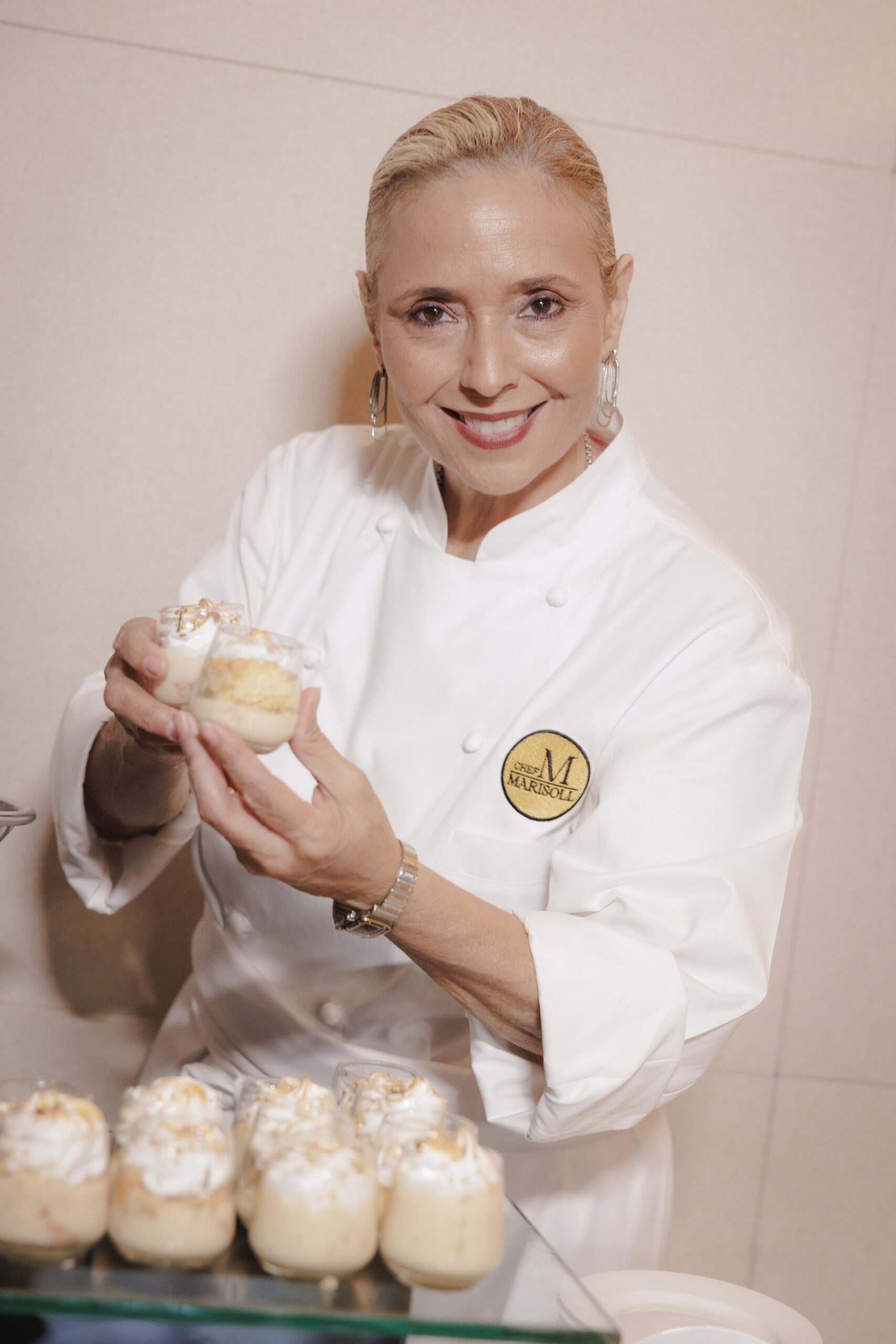
Chef Marisoll Events approaches private dining as a fully considered experience, bringing customized menus, refined presentation, and experienced hospitality to celebrations that deserve more than a standard catering format. The right event partner should listen closely, offer informed guidance, and make the process feel composed from the first conversation onward.
A truly intimate dinner leaves guests with more than a beautiful plate or a lovely room. It gives them the rare pleasure of feeling welcomed, nourished, and entirely present with one another. Plan for that feeling, and the details will have a purpose worth remembering.