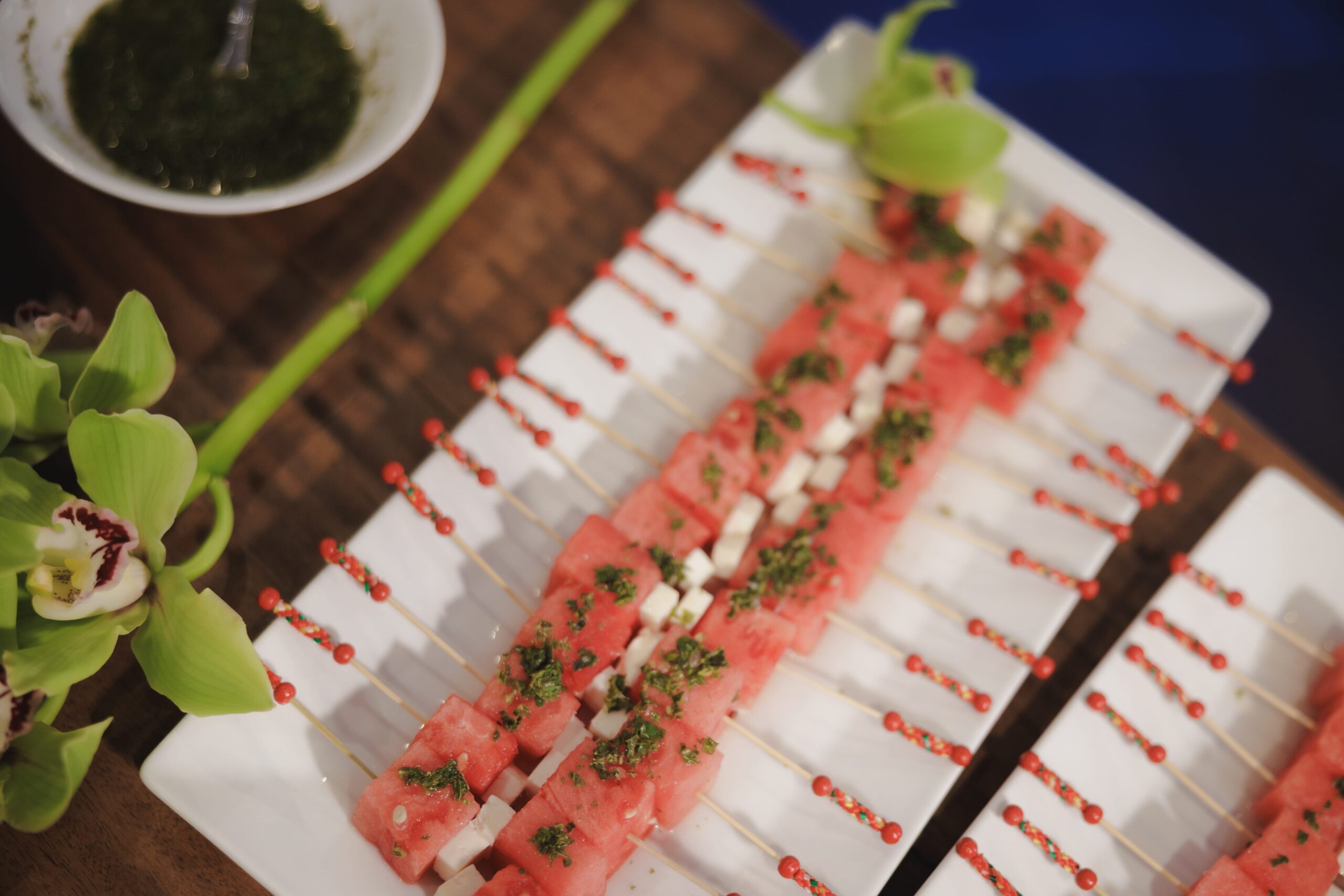
A milestone event is often remembered in small, vivid details: the first tray passed as guests arrive, the warmth of a welcome cocktail, the beauty of a plated course placed with quiet precision. Private catering brings those moments together with intention, transforming a meal from one item on an event checklist into an expression of the host’s taste, story, and generosity.
For an intimate anniversary dinner, a destination wedding weekend, an executive reception, or a family celebration, the right culinary partner does more than prepare excellent food. They anticipate the rhythm of the occasion, create an atmosphere of ease, and give every guest a reason to feel considered.
What Private Catering Should Feel Like
Exceptional private catering is personal before it is elaborate. A lavish menu can be memorable, but it has greater meaning when it reflects the people gathering around the table. That may mean honoring a couple’s favorite travel destination through a course, presenting Puerto Rican ingredients with a refined point of view, or creating a sophisticated menu that welcomes guests with varied dietary preferences.
The difference is found in the details that cannot be selected from a standard package. A chef-led planning process considers the event’s setting, time of day, guest count, service style, and overall mood. A sunset cocktail reception calls for a different culinary pace than a formal seated dinner. A corporate gathering may need efficient, polished movement between presentations, while a milestone birthday may invite guests to linger around interactive food stations.
Luxury, in this sense, is not simply abundance. It is the confidence that every choice has been made with purpose.
Begin With the Experience, Not the Menu
Many hosts begin planning by asking what should be served. It is a natural question, but the stronger starting point is how guests should feel. Should the evening feel intimate and candlelit? Energetic and social? Rooted in island culture yet contemporary in presentation? The answer guides every decision that follows.
A seated dinner creates a composed, ceremonial experience. It is especially fitting for weddings, gala-style celebrations, and occasions where conversation and presentation are central to the evening. Each course arrives at a measured pace, allowing the room to settle into the moment.
Buffets and food stations offer a more fluid kind of hospitality. They can create movement, encourage conversation, and give guests greater freedom to choose. Done thoughtfully, they are not less elegant than plated service. The key is elevated presentation, attentive replenishment, and a menu designed to remain beautiful and delicious throughout service.
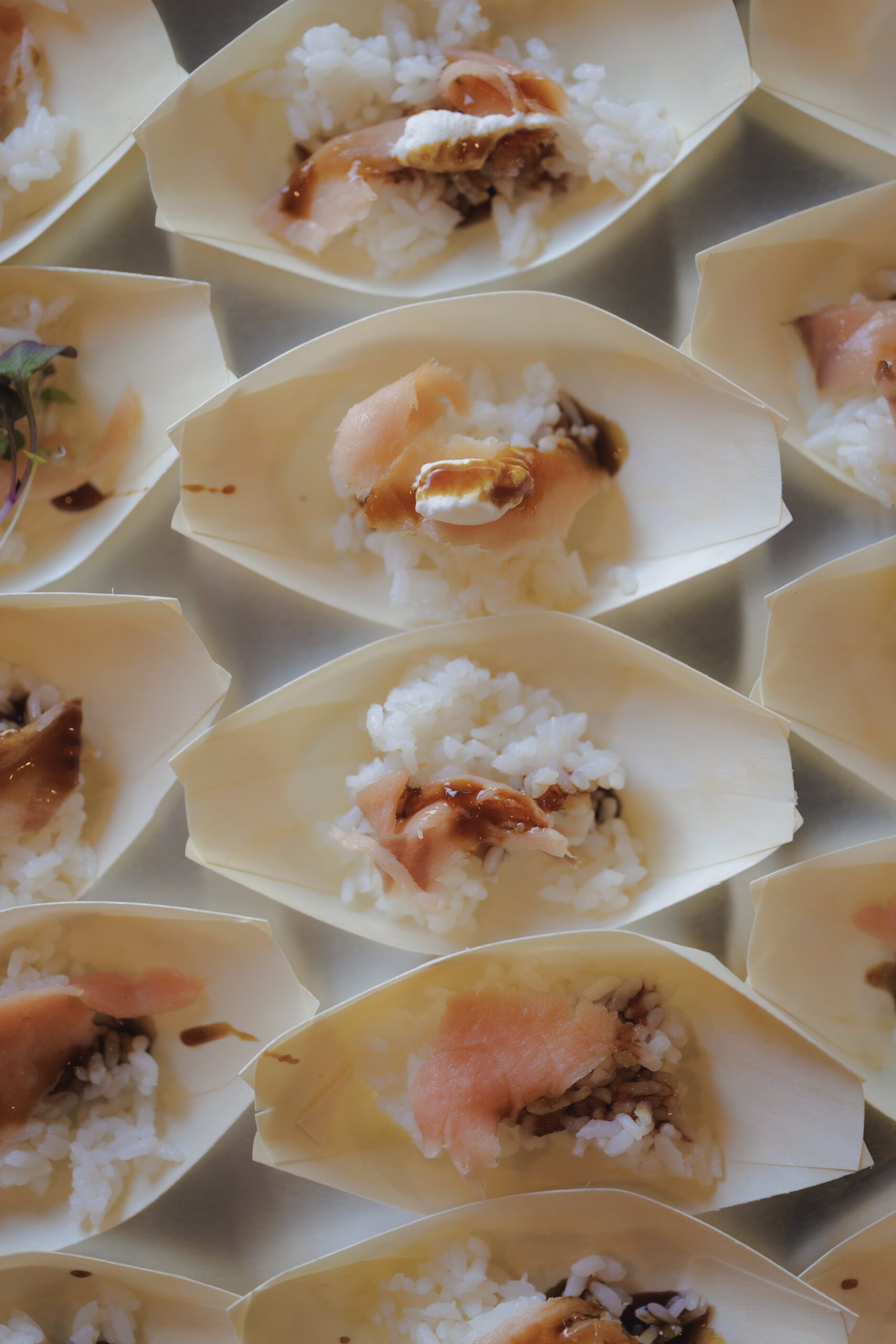
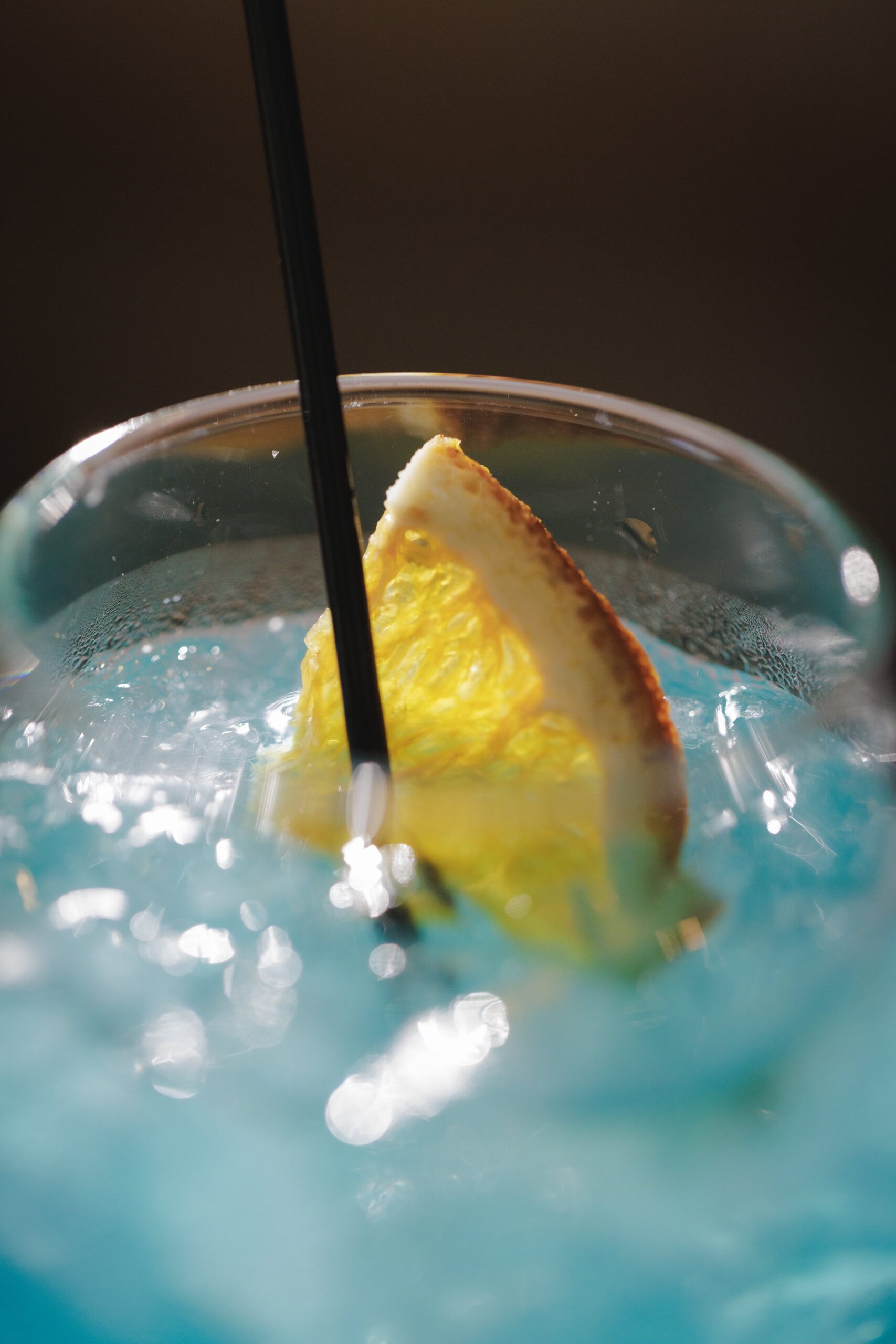
Cocktail-style catering is often ideal when mingling is the priority. Passed bites, composed displays, and a thoughtfully designed bar experience can make a reception feel celebratory without requiring a formal sit-down meal. The best format depends on the purpose of the gathering, the venue, and the way guests are meant to interact.
A Crafted Menu Makes the Occasion Distinctive
A memorable menu does not need to chase every trend. It should have a clear point of view. Seasonal ingredients, balanced flavors, and a sense of place create more impact than an overly complicated collection of dishes.
In Puerto Rico, culinary inspiration can draw from the island’s vibrant produce, coastal abundance, and deep cultural traditions. That influence may appear in subtle ways: a familiar ingredient presented with modern elegance, tropical notes balanced with savory depth, or a dessert that feels both nostalgic and unexpected. For destination celebrations, this approach gives guests a genuine connection to the island without relying on clichés.
Personalization also means making room for every guest. Dietary accommodations should feel integrated into the experience, not treated as an afterthought. Vegetarian, vegan, gluten-free, and allergy-conscious selections deserve the same care in flavor and presentation as every other course. When this planning happens early, hosts can welcome a diverse guest list gracefully.
A well-designed menu also considers timing. Rich, indulgent dishes may be perfect for a late-evening celebration, while a daytime corporate luncheon benefits from freshness and energy. Outdoor events in Puerto Rico’s warm climate require menus that hold beautifully and feel appropriate to the setting. These practical decisions are part of the artistry.
Service Is Part of the Presentation
Guests may not remember every ingredient in a dish, but they will remember how the evening made them feel. This is why service matters as much as the menu itself.
Polished service is present without being intrusive. It keeps champagne glasses refreshed, notices when a guest needs guidance, and maintains a composed pace even when the schedule changes. Behind that effortless impression is careful coordination among culinary, service, and event teams.
For hosts, this level of support creates something valuable: the freedom to be present. Instead of managing vendor questions, watching timing, or worrying whether every guest has been accommodated, they can participate fully in their own celebration. That is one of the most meaningful advantages of full-service catering.
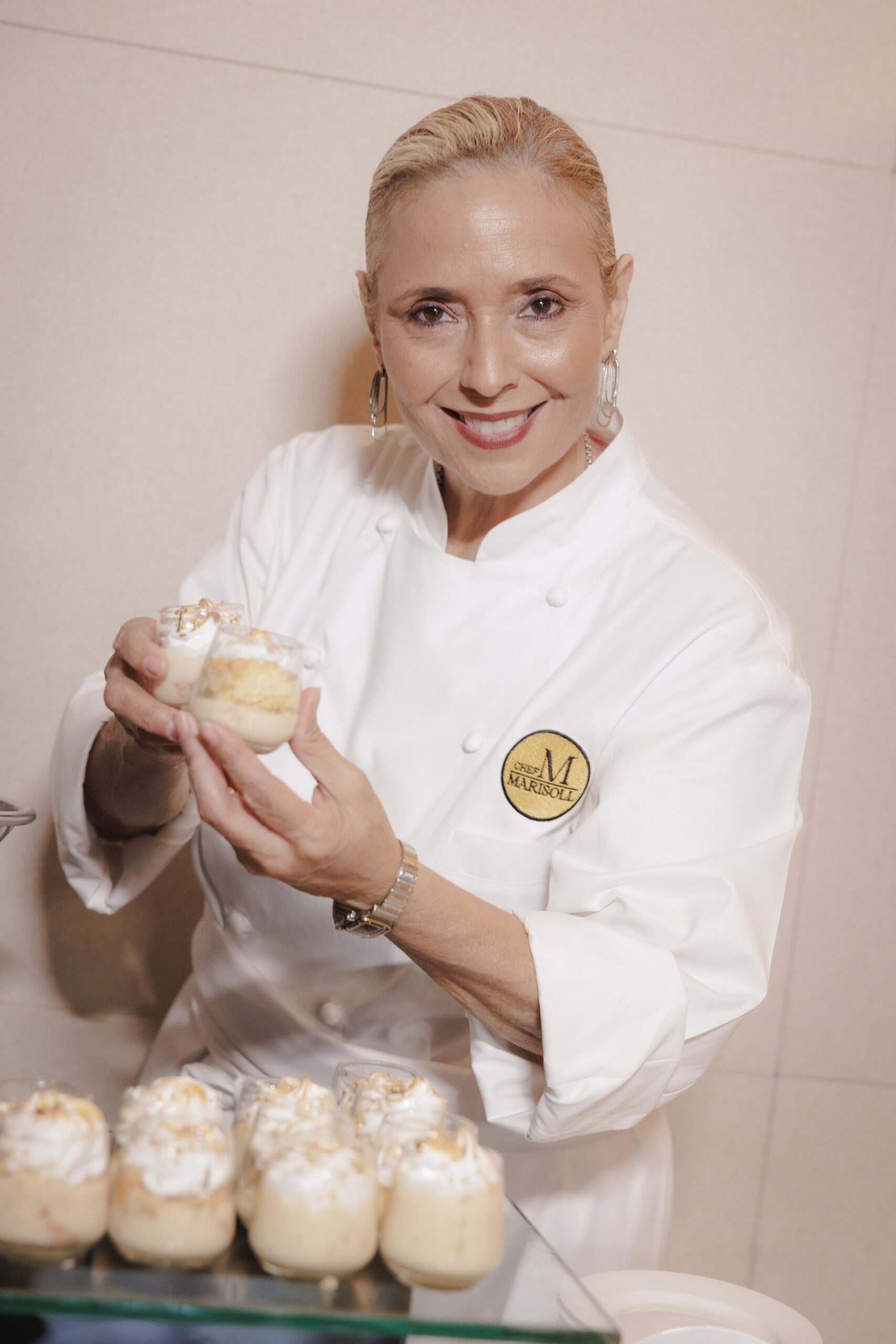
At Chef Marisoll Events, this approach is shaped by more than four decades of hospitality experience and a belief that food should carry both beauty and feeling. From the first planning conversation to the final course, the goal is to make the occasion feel gracious, elevated, and distinctly personal.
Choosing a Setting That Supports the Moment
The venue and the menu should speak to one another. A historic estate, beachfront terrace, private residence, and museum event space each create a different canvas for dining. Consider not only visual impact but also guest flow, kitchen access, weather planning, acoustics, and the number of spaces needed throughout the event.
An exclusive private hall at the Puerto Rico Museum of Art, for example, offers more than an elegant backdrop. It brings cultural character and a sense of occasion before the first course is served. For clients seeking a destination celebration with distinction, a venue with this kind of identity can make the experience feel truly rooted in place.
Still, a prestigious setting is only one part of the equation. An intimate home gathering may be equally extraordinary when the culinary design, tablescape, and service are carefully aligned. The most successful events do not force a single definition of luxury. They make the setting feel like the only possible place for that particular celebration.
Plan Early Enough for Meaningful Choices
Bespoke events benefit from time. Early planning makes it easier to secure a preferred date, explore creative menu ideas, coordinate rentals and bar service, and adapt the experience as the guest list develops. It also allows space for the thoughtful refinements that distinguish an elegant event from a merely well-organized one.
When meeting with a caterer, share more than a headcount and a budget. Describe your guests, the significance of the occasion, your priorities, and any elements you hope people will talk about afterward. If you have a favorite dish, a family tradition, or a vision for the evening’s atmosphere, bring it into the conversation. These details give a culinary team the material to create something original.
Budget should be discussed openly as well. Premium private catering is an investment in cuisine, staffing, logistics, presentation, and peace of mind. Clear priorities help determine where a higher level of investment will make the greatest impression, whether that is an exceptional cocktail hour, a multi-course dinner, an inspired dessert display, or elevated service throughout the event.
The most gracious celebrations leave guests feeling welcomed, delighted, and connected to the people around them. Choose private catering that gives your occasion a signature, then allow the evening to unfold with the ease and generosity your guests will remember.