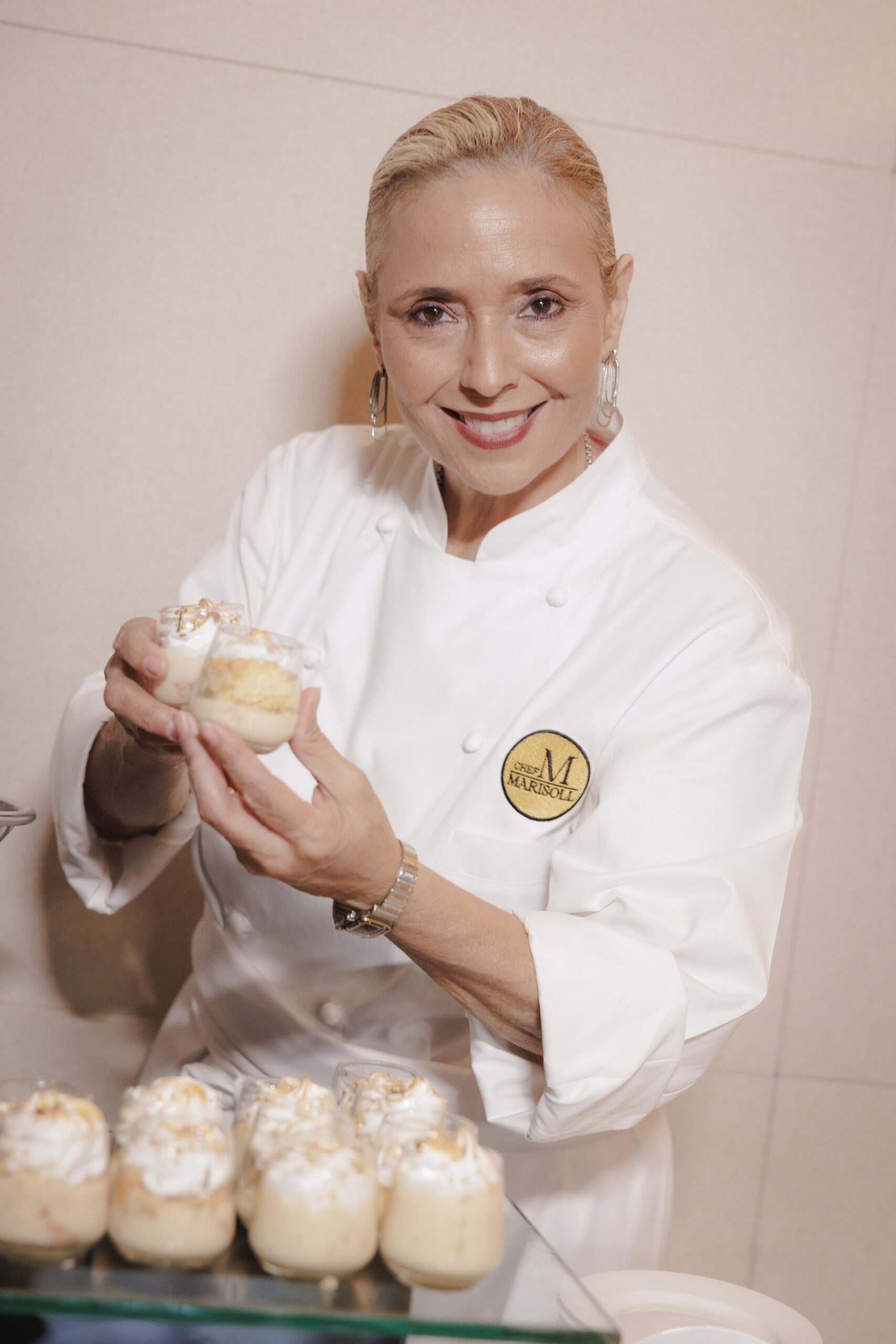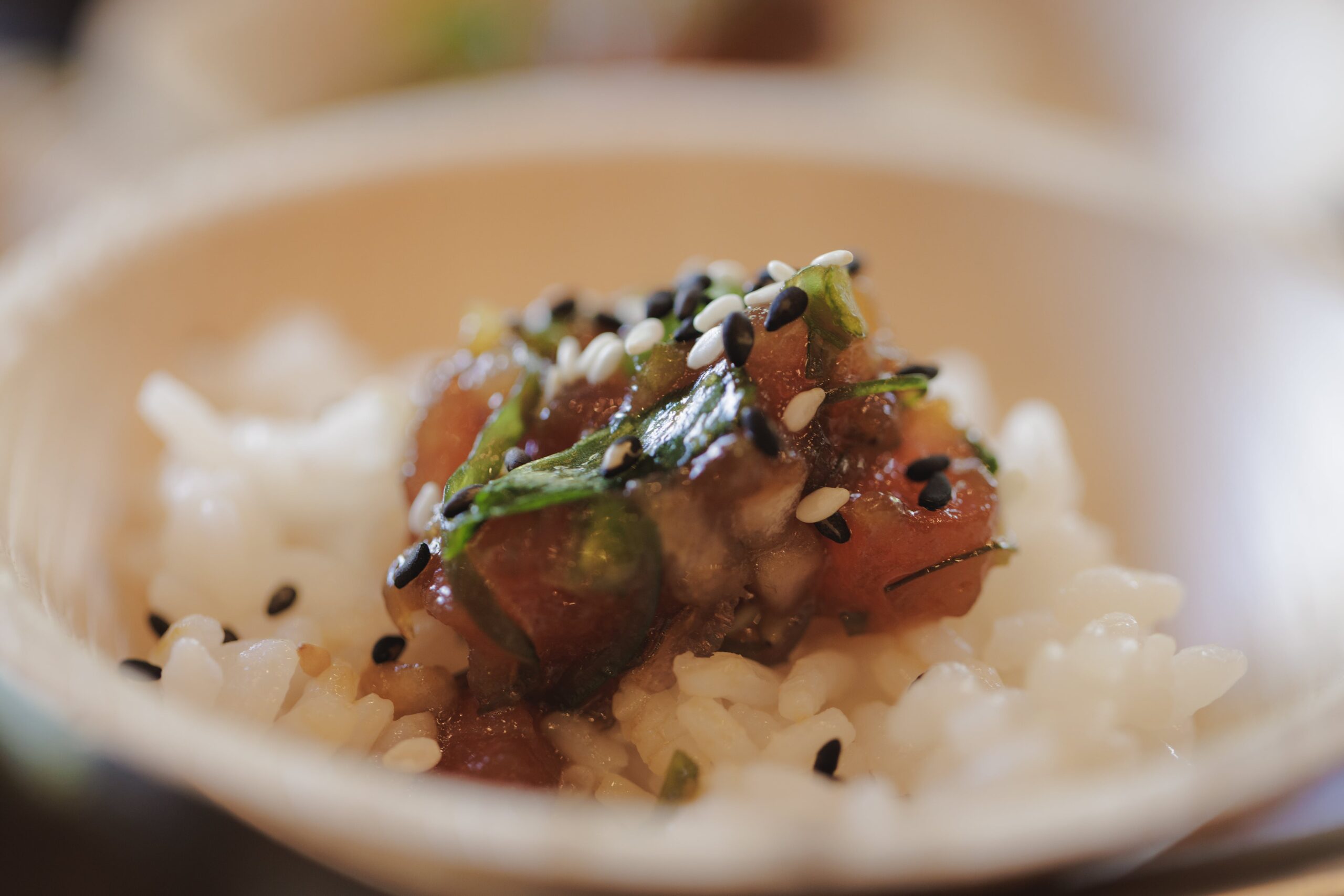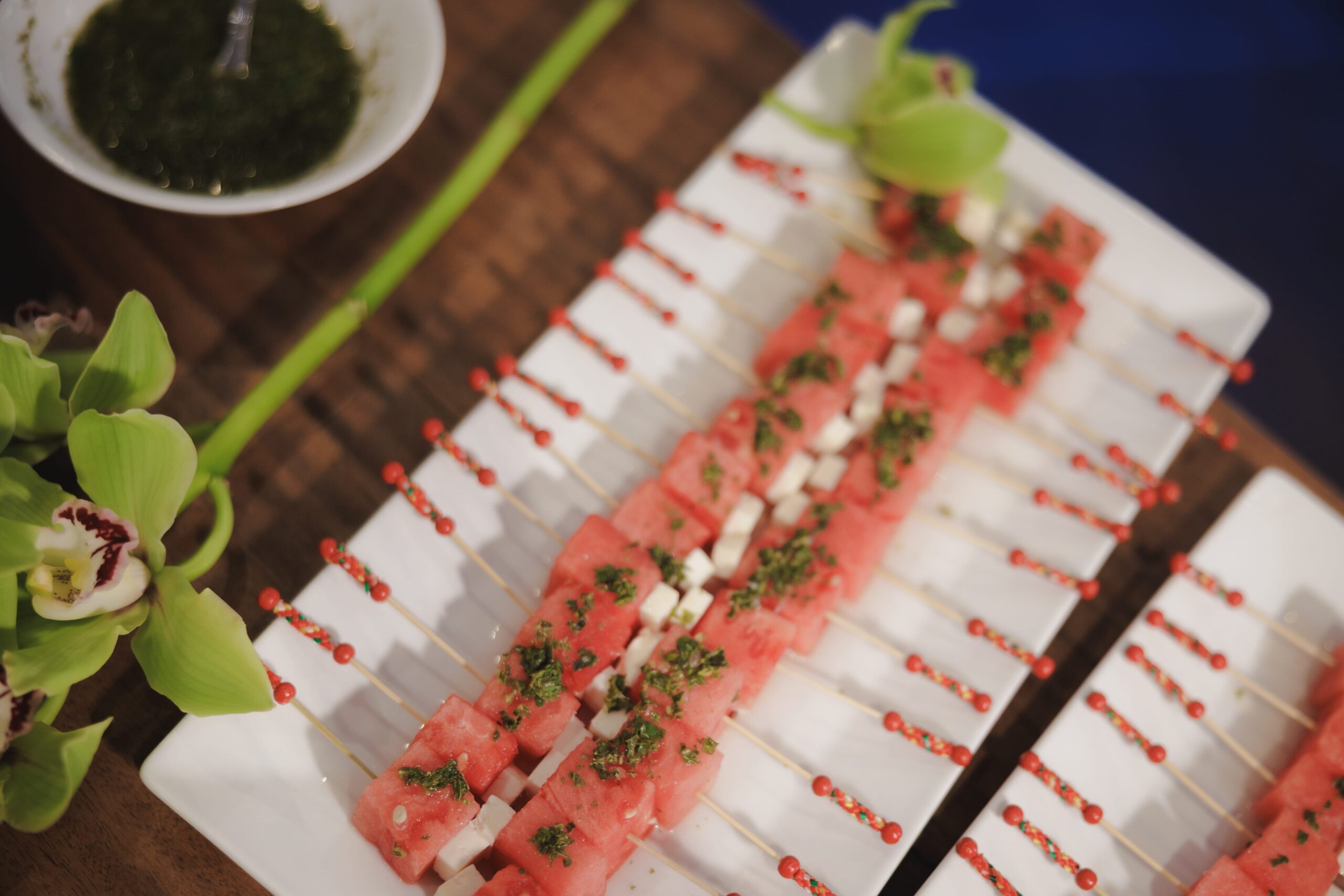
A wedding menu is remembered long after the final toast, which is why a wedding tasting cost is more than a line item in the planning budget. It is an opportunity to experience the care, flavor, presentation, and hospitality that will shape your guests’ evening. For couples planning a celebration in Puerto Rico, especially a destination wedding, that clarity can be invaluable.
A tasting allows you to make decisions with confidence rather than relying on a proposal alone. It gives the culinary team a chance to understand your preferences, refine the menu, and ensure every course feels appropriate for the setting you have imagined.
What a Wedding Tasting Cost Usually Covers
Wedding tastings are not all structured in the same way. Some caterers offer a complimentary or credited tasting after a contract is signed, while others charge a fee before booking to cover the chef’s time, ingredients, service, and personalized preparation. In a premium setting, the tasting is often designed as a private culinary appointment rather than a simple sampling.
The cost may include a curated selection of proposed passed hors d’oeuvres, appetizers, entrées, side dishes, desserts, and select beverages. It may also include a consultation with the chef or event team, menu adjustments, and guidance on service style. A plated dinner calls for different considerations than an abundant buffet, elevated food stations, or a cocktail-forward reception.
Ask whether the tasting fee is applied to your final catering balance if you move forward. This is a common practice, but it should never be assumed. You should also confirm how many guests may attend, whether additional attendees are available for a per-person fee, and whether rental items or specialty beverages are included.
Why the Cost Can Vary So Widely
The price of a tasting reflects the level of customization involved. A straightforward sampling from an established menu requires less preparation than a chef-led experience built around your wedding’s season, guest profile, cultural influences, and visual direction.
For example, a couple considering Caribbean-inspired cuisine with refined presentation may want to compare two preparations of a local fish, explore a plantain accompaniment, or taste a signature sauce alongside a more familiar option. A menu that accommodates vegan guests, food allergies, kosher-style preferences, or a mix of local and mainland tastes may also require careful planning. Those details are part of the value of a bespoke tasting, not unnecessary extras.
Venue logistics matter as well. A wedding at a private estate, beachfront property, resort, or cultural venue may involve distinct kitchen access, transportation needs, staffing plans, and equipment requirements. The tasting will not necessarily reveal every operational cost, but it can help the caterer create a more accurate proposal for the experience you want to deliver.
For destination couples, the appointment also has practical value. If you are traveling to Puerto Rico for venue visits, design meetings, and vendor selections, a focused tasting can consolidate meaningful decisions into one visit. It offers reassurance that the cuisine will feel as considered as the flowers, music, and setting.
When a Wedding Tasting Cost Is Worth the Investment
A tasting is particularly worthwhile when food is central to your celebration. If you envision a multi-course dinner, exceptional cocktail hour, chef-attended stations, or a menu that honors family traditions, tasting before finalizing details allows you to shape the guest experience with intention.
It is also wise when you are deciding between service formats. A beautiful entrée may be ideal for plated service but less suited to a large buffet. A flavorful small bite may delight guests during cocktail hour, while a similar dish may need a different presentation for a seated dinner. The tasting is where those distinctions become tangible.
Couples with a broad range of guest needs often benefit the most. A well-run tasting helps verify that alternatives are not merely acceptable but genuinely appealing. Vegetarian, gluten-conscious, and child-friendly selections should feel integrated into the menu, with the same attention to flavor and presentation as every other course.
That said, an extensive tasting is not necessary for every event. If you are hosting an intimate gathering with a concise, familiar menu, or if you have already experienced the caterer’s cuisine at another event, a smaller consultation may be sufficient. The right choice depends on the complexity of the menu, the scale of the celebration, and how much personalization matters to you.
How to Make the Most of Your Tasting
Come prepared with more than a list of favorite foods. Share your venue, guest count, reception timeline, desired service style, and the feeling you want guests to carry home. Do you picture a polished black-tie dinner, a relaxed coastal celebration, or an artful evening that reflects Puerto Rico’s vibrant culinary character? That context helps the chef design with purpose.
Taste thoughtfully, but do not evaluate each dish in isolation. Consider portion size, pace, temperature, color, texture, and how the course will work within the complete meal. A rich appetizer may be excellent on its own but too heavy before a substantial entrée. Conversely, a light first course may create the elegant progression your evening needs.
Bring only the people whose opinions will help you decide. Too many voices can turn a focused experience into a debate, particularly when guests have very different personal tastes. Two to four trusted decision-makers is often enough to give the tasting the attention it deserves.
Questions to Ask Before You Schedule
A clear conversation before the appointment protects both your budget and your expectations. Ask these questions when reviewing a caterer’s tasting policy:
- What is the tasting fee, and is any portion credited toward the final catering agreement?
- Which menu items, beverages, and service elements are included in the appointment?
- How many people may attend, and what is the cost for additional guests?
- Can the tasting menu be customized for dietary needs, cultural preferences, or seasonal ingredients?
- When will you receive the final menu and a detailed proposal after the tasting?
You may also ask how the caterer handles revisions. One round of adjustments may be included, while more significant menu changes can require another tasting or an added planning fee. Neither approach is inherently better. What matters is knowing the process before you commit.
Looking Beyond the Plate
The strongest tasting experiences reveal more than culinary skill. Notice whether the team listens closely, explains choices with confidence, and understands the rhythm of a wedding reception. Exceptional food deserves equally thoughtful service, from the timing of passed bites to the quiet precision of a plated course.
At Chef Marisoll Events, the goal of a tasting is to begin translating a couple’s vision into an exceptional culinary experience – one shaped by personal preferences, polished presentation, and gracious Puerto Rican hospitality. The best result is not simply a menu you approve. It is the confidence that your guests will be warmly cared for from the first glass raised to the last dessert served.
Before you compare tasting fees alone, consider what the appointment helps you avoid: uncertain choices, last-minute revisions, and a meal that feels disconnected from the celebration. When it is approached as part of the creative process, a well-planned tasting can become one of the most enjoyable and reassuring moments of wedding planning.